
La Scultura del giorno: la Ragazza che culla il suo gatto di Astorri
La scultura del giorno che vi propongo oggi è la Ragazza che culla il suo gatto di Astorri, opera realizzata fra l’Ottocento e il Novecento.
Enrico Astorri nacque a Piacenza nel 1859 e avviò i suoi studi di scultura presso l’Istituto Gazzolla della propria città natale.
Successivamente frequentò l’Accademia di Brera a Milano dove ebbe modo di affinare la sua tecnica e perfezionare il suo modo di modellare. Propose molte delle sue sculture in mostre sia nazionali che internazionali. Una delle sue sculture di maggior successo fu La Serenata, esposta alla mostra di Torino del 1884.
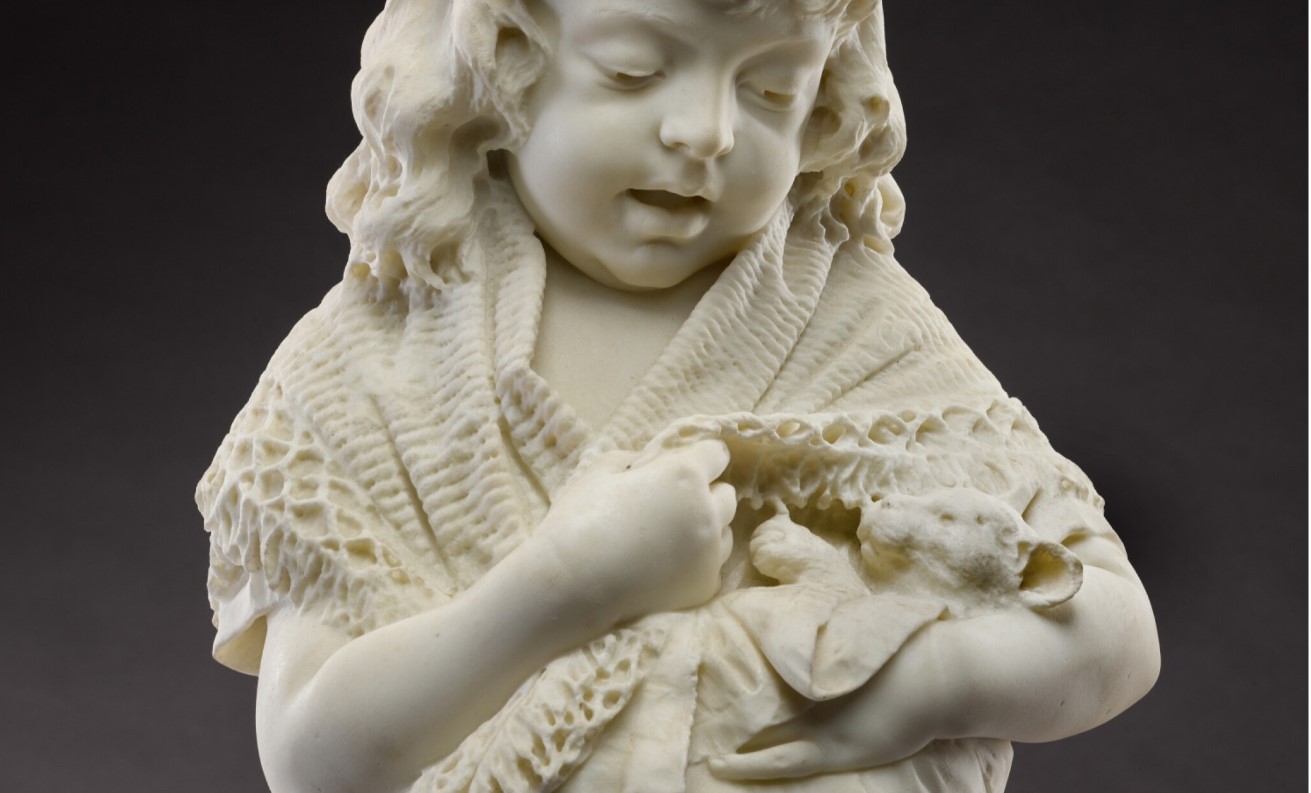
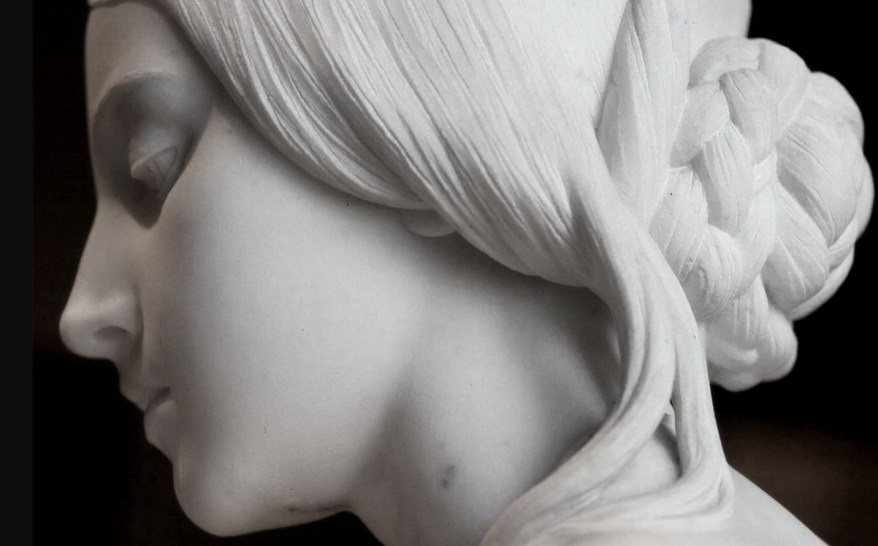
Nell’opera in questione, Astorri volle scolpire nel marmo di Carrara una giovane ragazzina che culla il suo gattino, quasi fosse un bambino.

Con gli zoccoli ai piedi, la bambina solleva la veste per formare con la stessa una tasca dentro la quale poter sistemare il gattino.
L’artista, per coprirle il pube, adopera uno stratagemma ben studiato. Fa scivolare sul corpo una stola di stoffa che le si avviluppa alle gambe arrivando a posarsi a terra. A guardarla bene quella striscia di stoffa molto somiglia alle fasce che un tempo venivano adoperate per avvolgere i neonati.
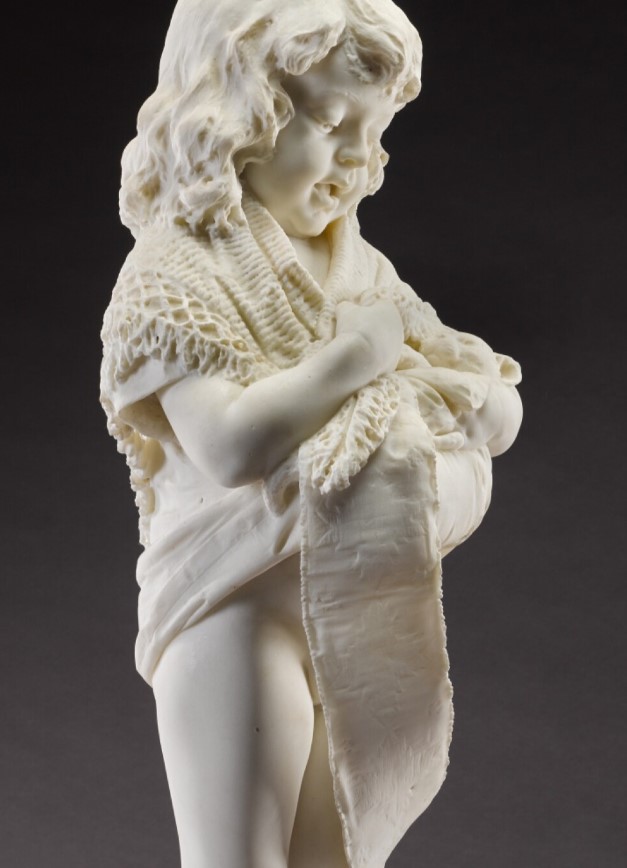
La ragazzina, con la bocca aperta, pare stia cantando una nenia al gattino che la guarda estasiato.
Mirabile è la resa della mantella in lana scolpita nel marmo che le scalda le spalle, con quei trafori e quei pennacchi che la rendono così simile a un capo di abbigliamento molto usato all’epoca.
Enrico Astorri volle apporre la sua firma sulla base dell’opera: E. Astori Milano.
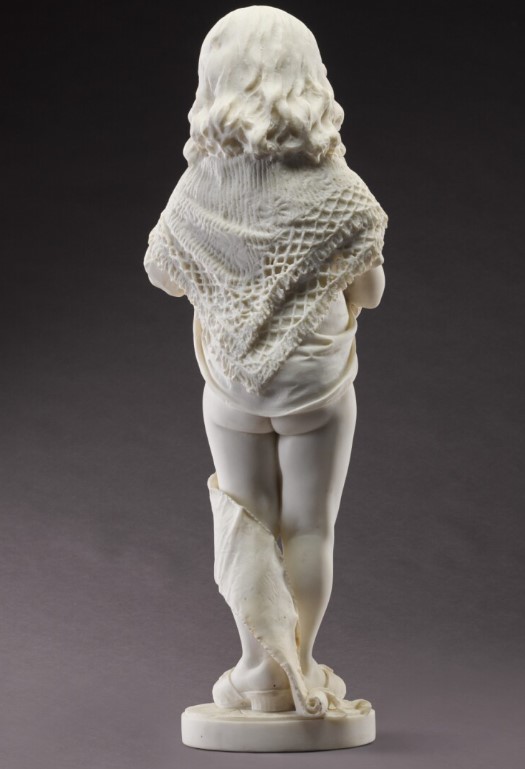
Questa scultura appartiene a una collezione privata.
Per il momento il sempre vostro Michelangelo Buonarroti vi saluta dandovi appuntamento ai prossimi post e sui social.
Sculpture of the day: the Girl cradling her cat by Astorri
The sculpture of the day that I propose to you today is the Girl cradling her cat by Astorri, a work created between the nineteenth and twentieth centuries.
Enrico Astorri was born in Piacenza in 1859 and began his sculpture studies at the Gazzolla Institute in his hometown.
Subsequently he attended the Brera Academy in Milan where he had the opportunity to refine his technique and perfect his way of modeling. He had the opportunity to propose many of his sculptures in both national and international exhibitions. One of his most successful works was La Serenata, exhibited at the Turin exhibition of 1884.
In the work in question, Astorri wanted to sculpt in Carrara marble a young girl cradling her kitten, almost as if it were a child.
With her hooves at her feet, the little girl lifts her dress to form a pocket inside which she can place the kitten.
The artist, to cover her pubis, uses a well-studied stratagem. He slides a cloth stole over her body which wraps around her legs until it rests on the ground. If you look closely, that strip of fabric looks very similar to the bands that were once used to wrap newborns.
The little girl, with her mouth open, seems to be singing a dirge to the kitten who looks at her in ecstasy. The rendering of the wool cape sculpted in marble that warms her shoulders is admirable, with those fretwork and those plumes that make it so similar to an item of clothing widely used at the time.
Enrico Astorri wanted to place his signature on the base of the work: E. Astori Milano.
This sculpture belongs to a private collection.
For the moment, your always Michelangelo Buonarroti greets you and will meet you in the next posts and on social media.

Sostienici – Support Us
Se questo blog ti piace e ti appassiona, puoi aiutarci a farlo crescere sempre più sostenendoci in modo concreto condividendo i post, seguendo le pagine social e con un contributo che ci aiuta ad andare avanti con il nostro lavoro di divulgazione. . ENGLISH: If you like and are passionate about this blog, you can help us make it grow more and more by supporting us in a concrete way by sharing posts, following social pages and with a contribution that helps us to move forward with our dissemination work.
8,00 €
-
Ercole Ferrata: il grande scultore che lavorò accanto a Bernini
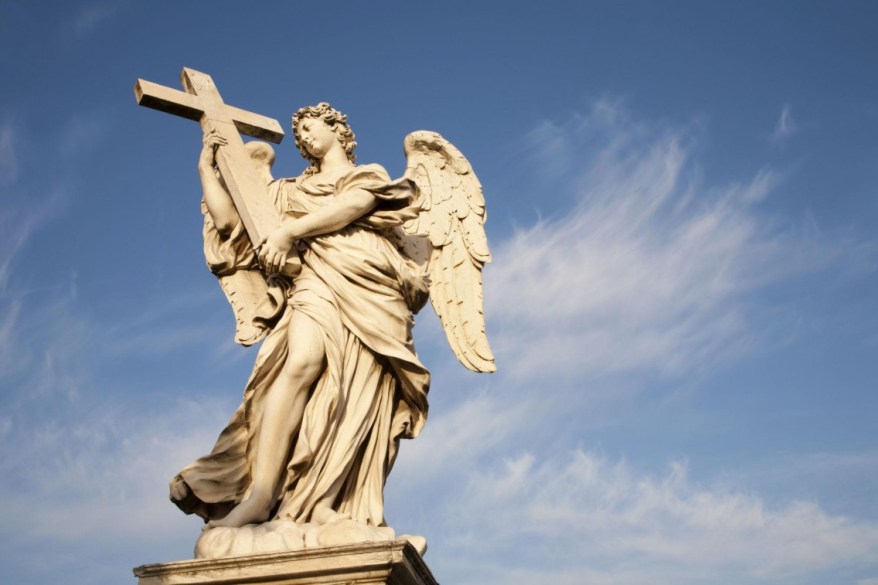
🇮🇹Chi era Ercole Ferrata? Scopri le opere dello scultore barocco che collaborò con Bernini: dall’Angelo con la Croce all’elefante della Minerva… 🇬🇧Who was Ercole Ferrata? Discover the works of the Baroque sculptor who collaborated with Bernini—from the *Angel with the Cross* to the elephant of the Minerva…
-
Il Natale di una volta nei dipinti: neve, case e tradizioni che abbiamo dimenticato
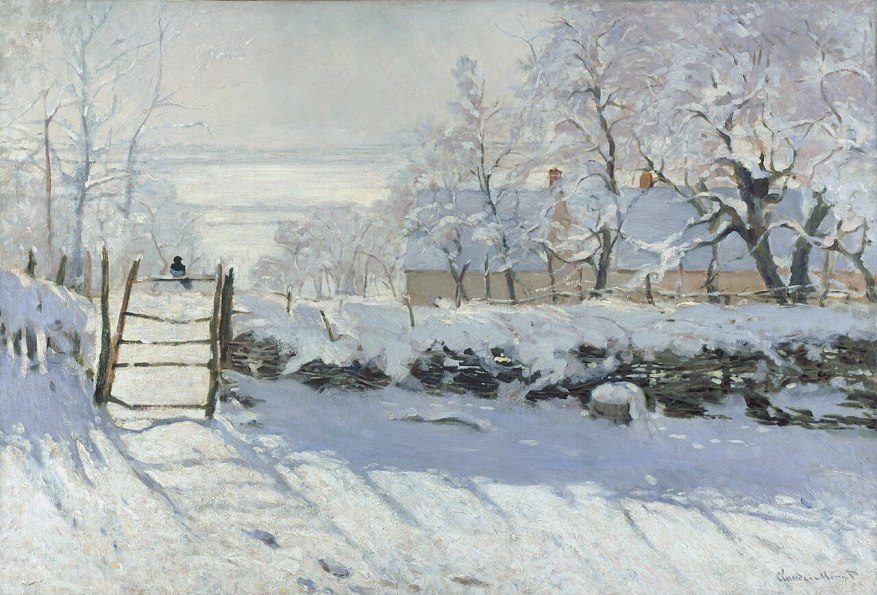
🇮🇹Neve, case e antiche tradizioni: scopri il Natale nascosto nei dipinti dei grandi maestri, tra paesaggi invernali, vita quotidiana e usanze dimenticate… 🇬🇧Snow, homes, and ancient traditions: discover Christmas as hidden within the paintings of the great masters—amidst winter landscapes, daily life, and forgotten customs…
-
Pietrasanta: un museo per Fernando Botero
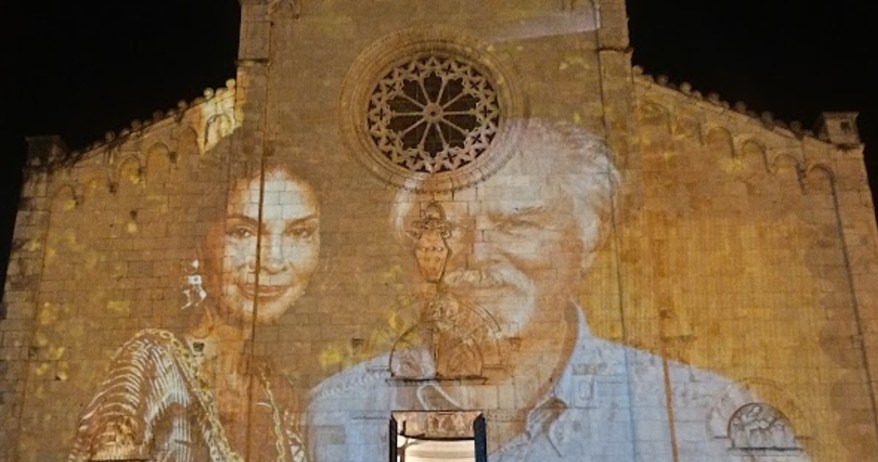
🇮🇹Pietrasanta prepara un museo dedicato a Fernando Botero con circa 90 bozzetti a Palazzo Panichi. Il legame con la città che lo nominò cittadino onorario nel 2001… 🇬🇧Pietrasanta is preparing a museum dedicated to Fernando Botero, featuring around 90 sketches at Palazzo Panichi. This reflects his connection to the city, which named him an honorary…
Condividi:


Questo sono io




sostienici

Sostienici - Support Us
Se questo blog ti piace e ti appassiona, puoi aiutarci a farlo crescere sempre più sostenendoci in modo concreto condividendo i post, seguendo le pagine social e con un contributo che ci aiuta ad andare avanti con il nostro lavoro di divulgazione. . ENGLISH: If you like and are passionate about this blog, you can help us make it grow more and more by supporting us in a concrete way by sharing posts, following social pages and with a contribution that helps us to move forward with our dissemination work.
€10,00


