
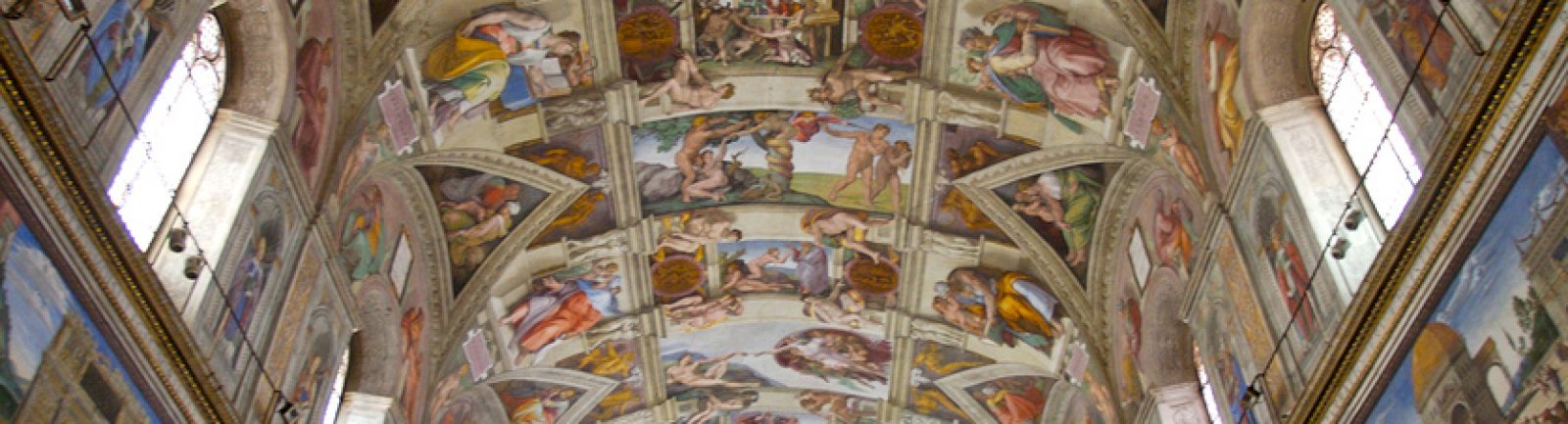
Tomba di Giulio II: ecco il primo grandioso progetto
Era il 28 aprile del 1505 quando mi fu commissionata ufficialmente da papa Giulio II la realizzazione della sua maestosa tomba.
Senza perdere tempo mi misi subito al lavoro progettando quel complesso grandioso: mai papa aveva avuto prima di allora una sepoltura così grande e maestosa, quasi a voler sfidare il cielo.
Il primo progetto era destinato ad occupare la cappella Julia che Bramante avrebbe costruito nella nuova Basilica di San Pietro.
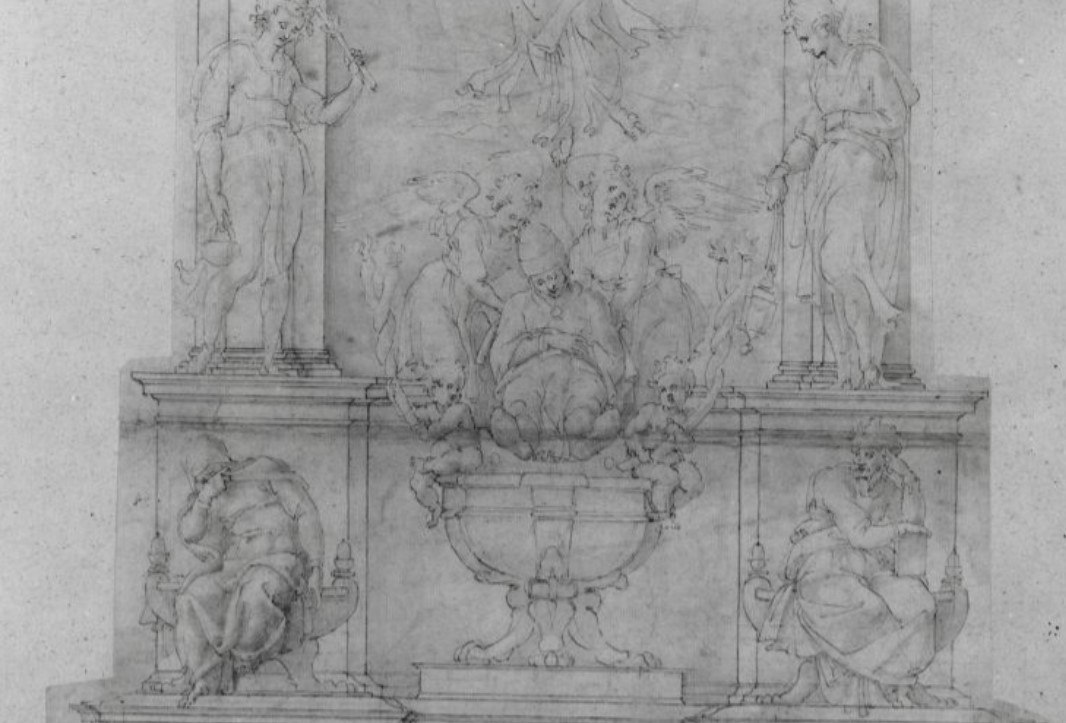
Il primo ordine sarebbe stato decorato con la serie delle Vittorie affiancate dai Prigioni. Il secondo registro invece sarebbe stato decorato con quattro grandi sculture sedute agli angoli: Mosè, San Paolo e la personificazione della Vita attiva e di quella contemplativa.
Al centro del complesso monumentale avrei posto l’effige del pontefice in posizione frontale, seduto su di un’arca sostenuta da due angeli: uno di essi avrebbe sorriso mentre l’altro avrebbe avuto una faccia triste e sconsolata.
I diversi livelli li avrei poi arricchiti con rilievi in bronzo che, come scrisse il Condivi “si potevan vedere i fatti di tanto pontefice”.

Al culmine del complesso avevo pensato di collocare una Madonna col Bambino fra le braccia.
La camera funeraria sarebbe stata ricavata all’interno del monumento funebre e avrebbe avuto la foggia di una
“stanzetta, a guisa d’un tempietto, in mezzo della quale era un cassone di marmo” di forma ovale, come precisarono il Condivi e il Vasari nella seconda edizione delle Vite.
Lì, oltre al sepolcro del papa, mi sarebbe piaciuto scolpire pure lui seduto. In realtà avevo già iniziato a metter mano a quell’opera che alla mia morte ancora si trovava nella mia casa di Macel de’ Corvi.
Sapete dove andò a finire? Finì nelle mani di Nicholas Cordier che la trasformò poi, nel 1602, in un San Gregorio e fu collocata nella chiesa di San Gregorio Magno al Celio. Scommetto che non lo sapevate.
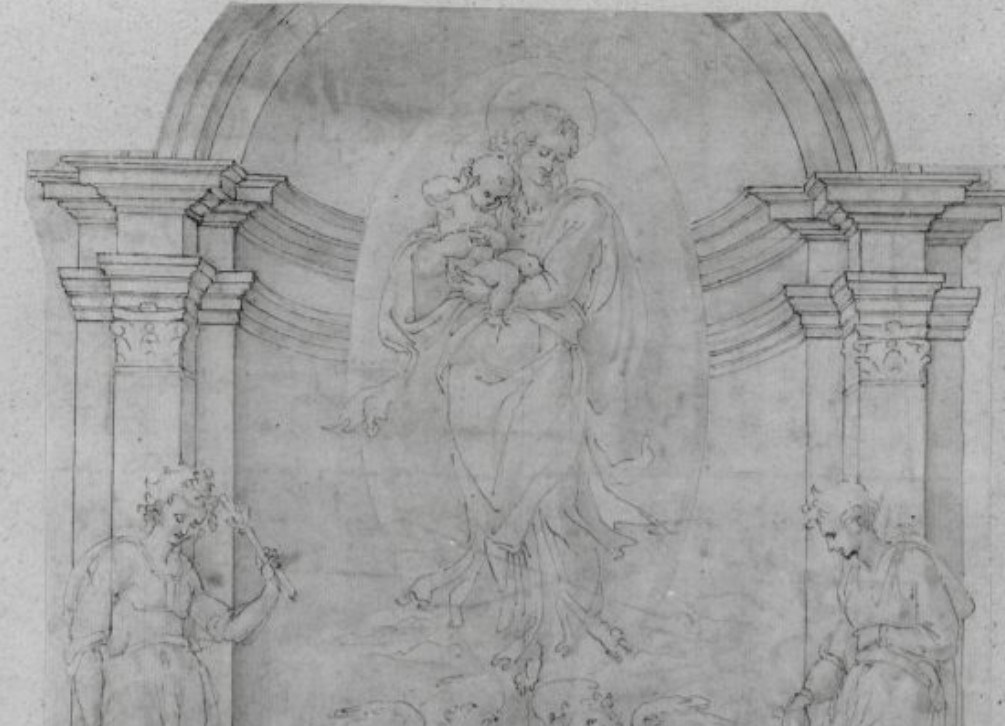
Al Metropolitan di New York è custodito un disegno che mostra come avrebbe dovuto essere quel mio primo progetto per la tomba di papa Giulio II della Rovere. E’ autografo oppure no? Il dubbio rimane.
Micheal Hirst me lo attribuì nel 1976 su base di considerazioni stilistiche e tecniche ma non è un parare condiviso da molti.
Quello che è certo è che il disegno sia relativo alle prime fasi di progettazione della tomba e precedente al progetto custodito presso il gabinetto dei disegni e delle stampe degli Uffizi.
Per il momento il vostro Michelangelo Buonarroti vi saluta dandovi appuntamento ai prossimi post e sui social.

Tomb of Julius II: here is the first grandiose project
It was April 28, 1505 when I was officially commissioned by Pope Julius II to create his majestic tomb.
Without wasting time I immediately got to work designing that grandiose complex: never before had the Pope had such a large and majestic tomb, almost as if he wanted to challenge the sky.
The first project was intended to occupy the Julia chapel that Bramante would build in the new St. Peter’s Basilica. The first order would have been decorated with the series of Victories flanked by Prisoners.
The second register, however, would have been decorated with four large sculptures sitting at the corners: Moses, Saint Paul and the personification of active and contemplative life.
At the center of the monumental complex I would have placed the effigy of the pontiff in a frontal position, sitting on an ark supported by two angels: one of them would have smiled while the other would have had a sad and disconsolate face.
I would then enrich the different levels with bronze reliefs which, as Condivi wrote, “could see the deeds of this pontiff”.
At the top of the complex I had thought of placing a Madonna with Child in her arms.
The burial chamber would have been created inside the funerary monument and would have had the shape of one
“small room, in the guise of a small temple, in the middle of which was an oval-shaped marble chest”, as Condivi and Vasari specified in the second edition of the Lives.
There, in addition to the Pope’s tomb, I would have liked to sculpt the seated Pope. In reality I had already started sculpting that work which at my death was still in my house in Macel de’ Corvi. Do you know what happened to him? It ended up in the hands of Nicholas Cordier who then transformed it, in 1602, into a San Gregorio and it was placed in the church of San Gregorio Magno al Celio. I bet you didn’t know that.
At the Metropolitan in New York there is a drawing that shows what my first project for the tomb of Pope Julius II della Rovere should have looked like. Is it autographed or not? The doubt remains.
Michael Hirst attributed it to me in 1976 on the basis of stylistic and technical considerations but it is not an opinion shared by many.
What is certain is that the drawing relates to the early planning stages of the tomb and precedes the project kept in the drawings and prints cabinet of the Uffizi.
For the moment, your Michelangelo Buonarroti greets you and will meet you in future posts and on social media.
-
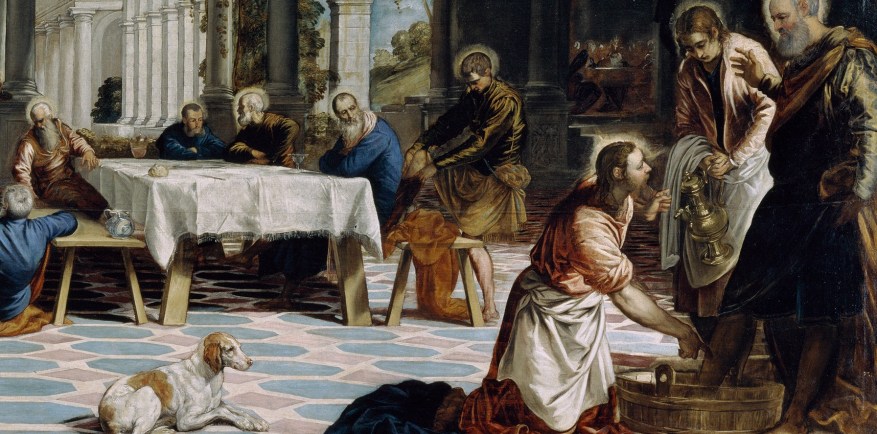
La Lavanda dei Piedi di Tintoretto: Il Capolavoro Veneziano al Prado
🇮🇹Tra i capolavori più affascinanti del Rinascimento veneziano, “La Lavanda dei Piedi” di Jacopo Tintoretto rappresenta un perfetto equilibrio tra spiritualità, innovazione compositiva e straordinaria forza narrativa… 🇬🇧Among the most fascinating masterpieces of the Venetian Renaissance, Jacopo Tintoretto’s “The Washing of the Feet” represents a perfect balance between spirituality, compositional innovation, and extraordinary narrative force…
-
Il Sacrificio di Isacco e quel momento tra la vita e la morte
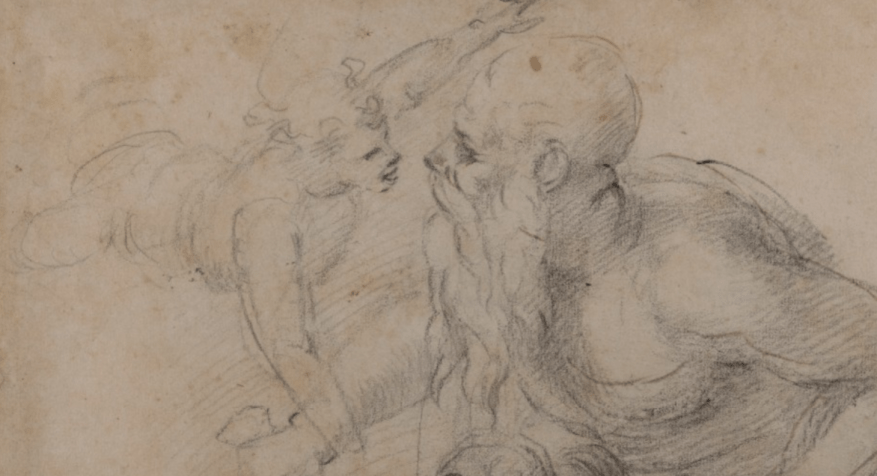
🇮🇹Oggi voglio raccontarvi alcuni dettagli sul mio disegno del Sacrificio di Isacco, conservato oggi a Casa Buonarroti. Su quel foglio volli tracciare il momento preciso in cui la paura fa spazio al miracolo… 🇬🇧Today I want to tell you some details about my drawing of the Sacrifice of Isaac, now preserved at Casa Buonarroti. On…
-
Mercoledì Santo: il giorno del tradimento di Giuda affrescato da Giotto
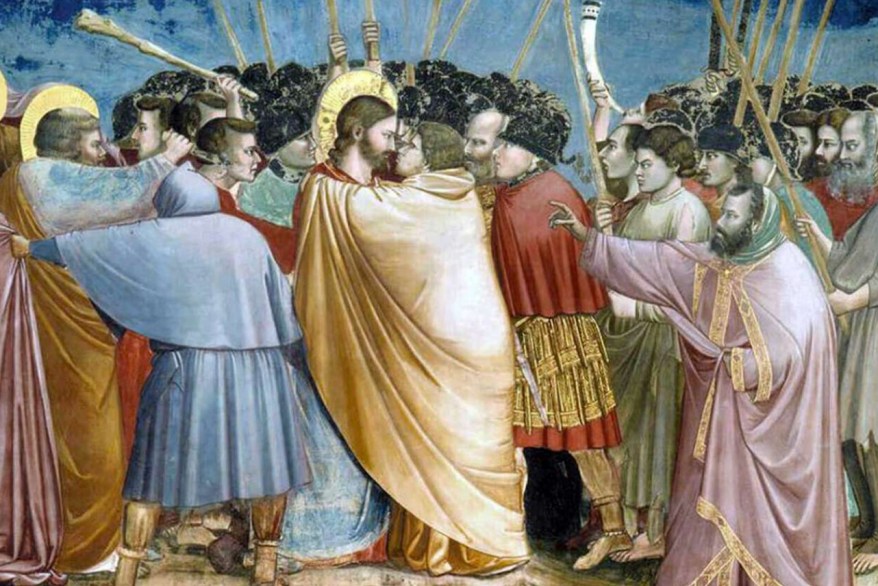
🇮🇹Il Mercoledì Santo è il giorno del silenzio, della riflessione e del tradimento. È il momento in cui Giuda sceglie di vendere Gesù per trenta denari, segnando uno dei passaggi più dolorosi della Settimana Santa…. 🇬🇧Holy Wednesday is a day of silence, reflection, and betrayal. ✝It is the moment when Judas chooses to sell Jesus…
Condividi:


Questo sono io





sostienici

Sostienici – Support Us
Se questo blog ti piace e ti appassiona, puoi aiutarci a farlo crescere sempre più sostenendoci in modo concreto condividendo i post, seguendo le pagine social e con un contributo che ci aiuta ad andare avanti con il nostro lavoro di divulgazione. . ENGLISH: If you like and are passionate about this blog, you can help us make it grow more and more by supporting us in a concrete way by sharing posts, following social pages and with a contribution that helps us to move forward with our dissemination work.
€10,00


