

La Scultura del giorno: il San Matteo del Ghiberti
La scultura del giorno che vi propongo oggi è il San Matteo realizzato da Lorenzo Ghiberti fra il 1419 e il 1422.
L’opera in bronzo fa parte del ciclo delle quattordici opere dedicate ai vari protettori delle Arti di Firenze, un tempo collocate nelle nicchie esterne della chiesa fiorentina di Orsanmichele e oggi custodite nel museo per ragioni conservative.

Il San Matteo evangelista era collocato nella nicchia dedicata all’Arte del Cambio e ha un’altezza complessiva di due metri e settanta centimetri. Mentre avvicina una mano al petto, nell’altra tiene un libro aperto ed è abbigliato con una toga all’antica.
Ha una posa assai classica, rinforzata dalle sue membra poderose. Il bordo inferiore del mantello presenta ancora tracce di doratura e l’a dicitura e l’iscrizione OPUS UNIVERSITATIS CANSORUM FLORENTIA ANNO MCCCCXX.

Il contratto per la realizzazione dell’opera fu redatto il 26 agosto del 1419 e prevedeva un tempo di consegna massimo di tre anni. Alla fine dei lavori, nel marzo 1423, il Ghiberti ricevette un compenso complessivo di 650 fiorini.
Non fu eseguita una fusione unica ma la testa e il corpo, furono realizzati separatamente e poi assemblati. La prima fusione del 1421 fu un completo fallimento e l’artista fu costretto a farne una seconda a proprie spese.
La nicchia che ospitava il bronzo era stata realizzata dai lastraioli Jacopo di Corso e Giovanni di Niccolò su disegno di Ghiberti. L’artista remunerò per quel lavoro gli operai 75 fiorini aggiungendo in dono una lastra di marmo.

Come accennato prima, il San Matteo fu commissionato dall’Arte del Cambio al Ghiberti per rivaleggiare col San Giovanni Battista fatto realizzare qualche anno prima dall’Arte di Calimala sempre allo stesso artista.
La grande opera in bronzo è stata sottoposta a un complesso restauro eseguito dall’Opificio delle Pietre Dure di Firenze che è durato quattro anni ed ha avuto fine nel 2005. Dopo quell’intervento è stata collocata all’interno del Museo di Orsanmichele mentre nella nicchia esterna è stata posizionata nel 2006 una replica eseguita su calco fatto sull’originale dalla Fonderia Artistica Ferdinando Marinelli.

Per il momento il sempre vostro Michelangelo Buonarroti vi saluta dandovi appuntamento ai prossimi post e sui social.
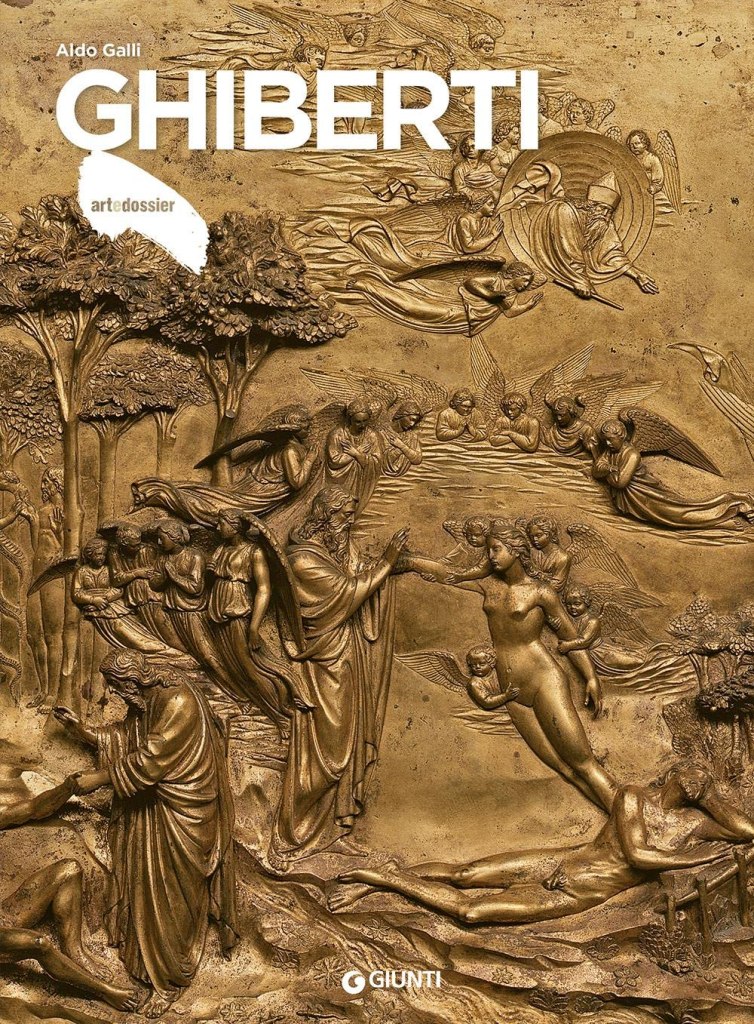
Sculpture of the day: Ghiberti’s San Matteo
The sculpture of the day that I propose to you today is the San Matteo created by Lorenzo Ghiberti between 1419 and 1422.
The bronze work is part of the cycle of fourteen works dedicated to the various protectors of the Arts of Florence, once placed in the external niches of the Florentine church of Orsanmichele and today kept in the museum for conservation reasons.
The Saint Matthew the Evangelist was placed in the niche dedicated to the Art of Change and has an overall height of two meters and seventy centimetres. While he brings one hand to his chest, he holds an open book in the other and is dressed in an old-fashioned toga.
He has a very classic pose reinforced by his powerful limbs. The lower edge of the cloak still has traces of gilding and the wording and inscription OPUS UNIVERSITATIS CANSORUM FLORENTIA ANNO MCCCCXX.
The contract for the construction of the work was drawn up on 26 August 1419 and provided for a maximum delivery time of three years. At the end of the work, in March 1423, Ghiberti received a total compensation of 650 florins.
A single casting was not performed but the head and body were made separately and then assembled. The first casting in 1421 was a complete failure and the artist was forced to make a second one at his own expense.
The niche that housed the bronze was created by the stonemasons Jacopo di Corso and Giovanni di Niccolò based on a design by Ghiberti. The artist paid the workers 75 florins for that work, adding a marble slab as a gift.
As mentioned before, the San Matteo was commissioned by the Arte del Cambio to Ghiberti to rival the San Giovanni Battista commissioned a few years earlier by the Arte di Calimala by the same artist.
The large bronze work underwent a complex restoration carried out by the Opificio delle Pietre Dure of Florence which lasted four years and ended in 2005. After that intervention it was placed inside the Orsanmichele Museum while in the niche external was placed in 2006 a replica made on a cast made on the original by the Ferdinando Marinelli Artistic Foundry.
For the moment, your always Michelangelo Buonarroti greets you and will meet you in the next posts and on social media.

Sostienici – Support Us
Se questo blog ti piace e ti appassiona, puoi aiutarci a farlo crescere sempre più sostenendoci in modo concreto condividendo i post, seguendo le pagine social e con un contributo che ci aiuta ad andare avanti con il nostro lavoro di divulgazione. . ENGLISH: If you like and are passionate about this blog, you can help us make it grow more and more by supporting us in a concrete way by sharing posts, following social pages and with a contribution that helps us to move forward with our dissemination work.
8,00 €
-
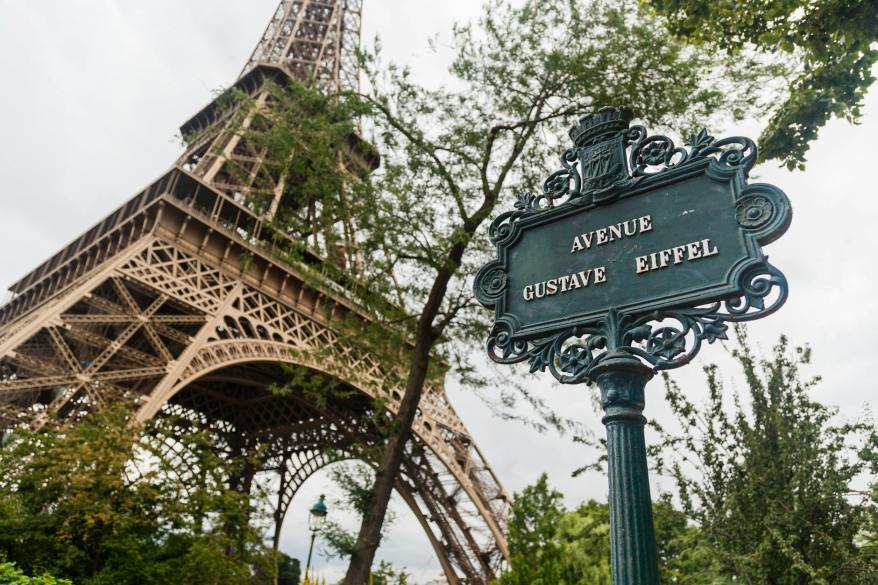
31 marzo 1889: inaugurata la Torre Eiffel tra critiche feroci e un destino inaspettato
🇮🇹Il 31 marzo 1889 segna una data destinata a cambiare per sempre il volto di Parigi e dell’immaginario collettivo globale: viene inaugurata la Torre Eiffel, l’opera più audace e discussa del suo tempo… 🇬🇧March 31, 1889 marks a date destined to change the face of Paris and the global collective imagination forever: the Eiffel Tower,…
-
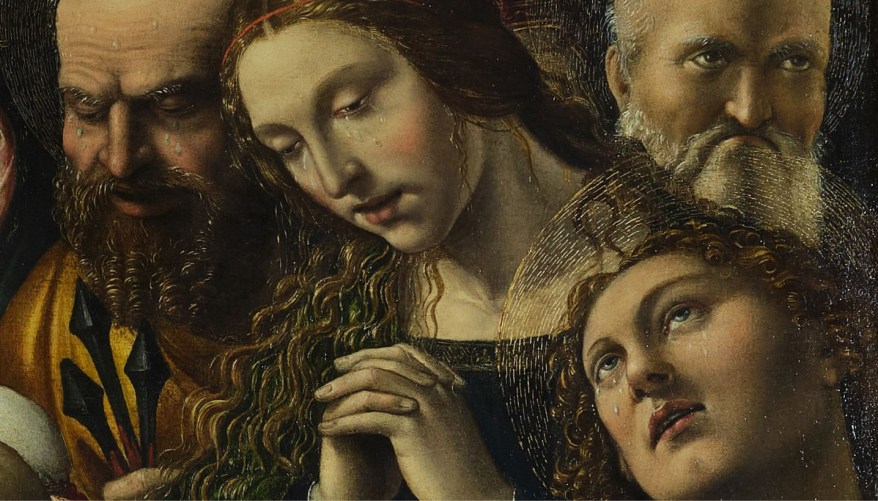
Sodoma in mostra a Torino: il Rinascimento al Museo Accorsi-Ometto
🇮🇹Al Museo di Arti Decorative Accorsi-Ometto arriva una mostra dedicata al Sodoma: oltre 50 opere, alcune mai viste prima, raccontano la formazione dell’artista e il suo dialogo con maestri come Pinturicchio… 🇬🇧An exhibition dedicated to Sodoma arrives at the Accorsi-Ometto Museum of Decorative Arts: over 50 works, some never before seen, recount the artist’s development…
-
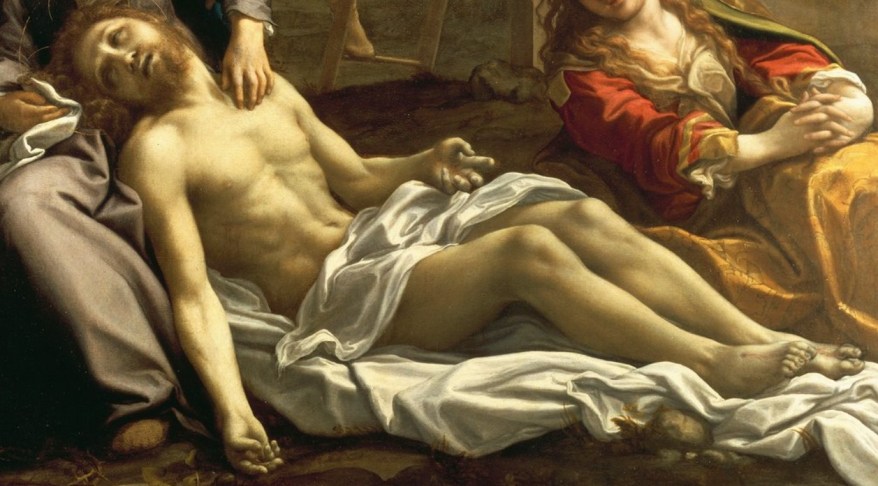
Il Compianto sul Cristo morto di Correggio: pathos e devozione
🇮🇹Con l’inizio della Settimana Santa, vi propongo il Compianto sul Cristo morto di Antonio Allegri, più noto come il Correggio: uno dei vertici assoluti della pittura emiliana del Cinquecento… 🇬🇧With the beginning of Holy Week, I propose the Lamentation over the Dead Christ by Antonio Allegri, better known as Correggio: one of the absolute peaks…
Condividi:


Questo sono io





sostienici

Sostienici – Support Us
Se questo blog ti piace e ti appassiona, puoi aiutarci a farlo crescere sempre più sostenendoci in modo concreto condividendo i post, seguendo le pagine social e con un contributo che ci aiuta ad andare avanti con il nostro lavoro di divulgazione. . ENGLISH: If you like and are passionate about this blog, you can help us make it grow more and more by supporting us in a concrete way by sharing posts, following social pages and with a contribution that helps us to move forward with our dissemination work.
€10,00


grazie, è interessante anche conoscere le difficoltà nate dalla realizzazione di un’opera, chè certo non era sempre prevedibile la risposta dei materiali alla sollecitazione. Molto bella l’opera che compare sulla copertina della monografia di Giunti. Ancora grazie e buona giornata 😘
"Mi piace""Mi piace"