
18 febbraio 1743 : muore l’Elettrice Palatina, l’ultima lungimirante Medici
Il 18 febbraio del 1743, a distanza di 179 anni dalla mia morte, l’ultima discendente della casata dei Medici muore dopo aver vincolato il patrimonio della famiglia al Granducato di Toscana.
Anna Maria Luisa de’ Medici, più nota alle cronache con nome di Elettrice Palatina, era la figlia secondogenita del Granduca Cosimo III e della principessa Margherita Luisa d’Orleans. Fu l’ultima erede di un immenso patrimonio artistico e architettonico.
Illuminata e lungimirante ha reso una delle città più in vista del suo tempo, Firenze, una delle mete artistiche e turistiche più ambite di oggi.
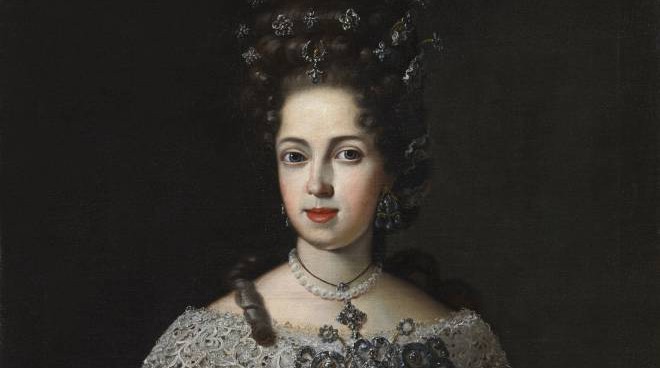
Nonostante l’impegno del padre nel tentare di tramandargli il proprio cognome, non ci fu verso: gli altri stati europei mai accettarono la proposta del Granduca e la dinastia medicea terminò.
Il padre la fece sposare con il Principe elettore del Palatinato Giovanni Carlo Guglielmo I e le nozze vennero celebrate per procura il 29 aprile del 1691.
Dopo la morte del consorte fece ritorno nella sua amata Firenze e volle fare alla città il dono più grande: nel suo testamento scrisse che l’immensa collezione artistica della famiglia, dopo la sua morte, sarebbe appartenuta al Granducato di Toscana.

Fino a quel momento le opere più preziose venivano acquisite di diritto dalla nuova casata che avrebbe guidato la città. Potevano essere vendute o trasportate altrove per decorare palazzi privati e regge. Spesso venivano adoperate come preziosissima merce di scambio e di loro, nella città che le aveva viste nascere, non ne rimaneva che il vago ricordo di chi aveva la fortuna di averle viste.
“…o levare fuori della Capitale e dello Stato del Granducato, Gallerie, Quadri, Statue, Biblioteche, Gioje ed altre cose preziose, della successione del Serenissimo GranDuca, affinché esse rimanessero per ornamento dello Stato, per utilità del Pubblico e per attirare la curiosità dei Forestieri”.
Pochi sanno che Patto di Famiglia da lei siglato il 31 ottobre del 1737 fu firmato a Vienna e tutt’oggi l’originale è lì conservato mentre la copia tradotta in italiano è custodita presso l’archivio di Stato di Firenze.
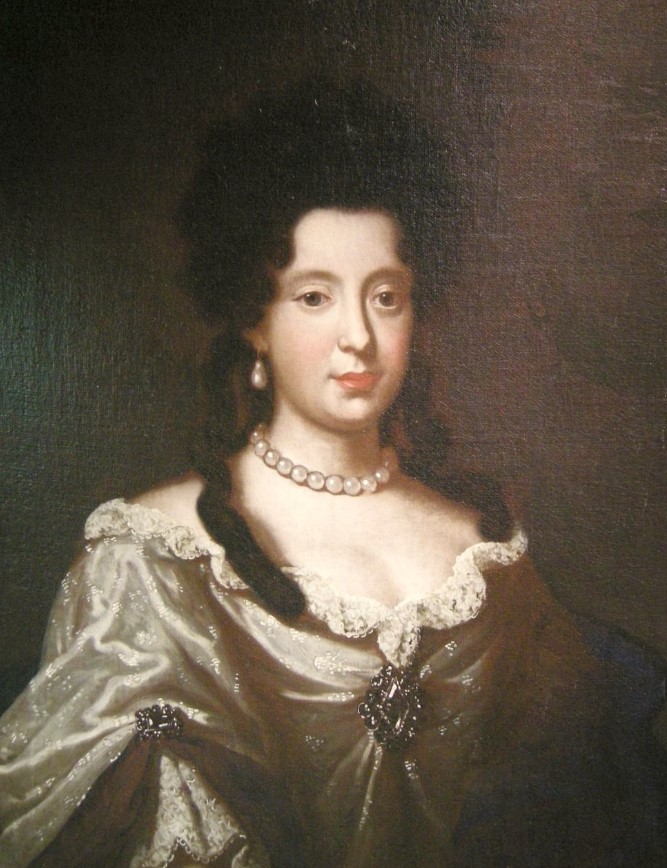
Fece seguito un secondo scritto giuridico di Anna Maria Luisa de’ Medici, firmato il 5 aprile del 1739, momento in cui dettò le sue volontà testamentarie.
“La Serenissima Anna Maria Luisa de’ Medici Elettrice vedova del Serenissimo Principe Giovanni Guglielmo Elettore Palatino del Reno, Gran Principessa di Toscana et per la Dio grazia di mente, vista, sensi et intelletto benché di corpo inferma, giacente in letto, volendo disporre in vita delle cose sue, per eseguirsi dopo la di lei morte fece, e fa l’infrascritto suo ultimo nuncupativo testamento”, testamento rogato dal notaio Jacopo di Giovanni Venceslao da Vinci.
Insomma, se oggi Firenze custodisce un gran numero di capolavori artistici e architettonici lo deve ad Anna Maria Luisa de’ Medici e alla sua lungimiranza.
Prima di salutarvi ci tengo a dire che in questa stessa giornata di qualche secolo prima, anch’io passai a miglior vita. In occasione del 460 anni dalla mia morte (18 febbraio 2024), ho scritto un articolo per National Geographic Storica sulla Pietà Vaticana dal titolo “Pietà Vaticana: nn fatta di marmo da mano mortale” che vi consiglio vivamente di leggere. Lo trovate QUA.
Per il momento il vostro Michelangelo Buonarroti vi saluta dandovi appuntamento ai prossimi post e sui social.


Sostienici – Support Us
Se questo blog ti piace e ti appassiona, puoi aiutarci a farlo crescere sempre più sostenendoci in modo concreto condividendo i post, seguendo le pagine social e con un contributo che ci aiuta ad andare avanti con il nostro lavoro di divulgazione. . ENGLISH: If you like and are passionate about this blog, you can help us make it grow more and more by supporting us in a concrete way by sharing posts, following social pages and with a contribution that helps us to move forward with our dissemination work.
10,00 €
18 February 1743: the Electress Palatine, the last farsighted Medici, dies
On February 18, 1743, 179 years after my death, the last descendant of the Medici family died after having tied the family heritage to the Grand Duchy of Tuscany.
Anna Maria Luisa de’ Medici, better known in the news as Electress Palatine, was the second daughter of Grand Duke Cosimo III and Princess Margherita Luisa of Orleans. She was the last heir of an immense artistic and architectural heritage.
She was enlightened and far-sighted and made one of the most prominent cities of her time, Florence, one of the most sought-after artistic and tourist destinations today.
Despite her father’s commitment to trying to pass down his surname to him, he was unsuccessful: the other European states never accepted the Grand Duke’s proposal and the Medici dynasty ended.
Her father married her to the Prince Elector of the Palatinate John Charles William I and the wedding was celebrated by her proxy on 29 April 1691.
After her husband’s death she returned to her beloved Florence and wanted to give the city the greatest gift: in her will she wrote that the family’s immense artistic collection, after her death, would belong to the Grand Duchy of Tuscany.
Until that moment the most precious works were acquired by right by the new family that would lead the city. They could be sold or transported elsewhere to decorate private palaces and palaces. They were often used as a very precious bargaining chip and, in the city that had seen them born, all that remained of them was the vague memory of those who were lucky enough to have seen them.
“…or remove from the Capital and the State of the Grand Duchy, Galleries, Paintings, Statues, Libraries, Jewels and other precious things, of the succession of the Most Serene Grand Duke, so that they remain for the ornament of the State, for the utility of the Public and to attract curiosity of the Foreigners”.
Few know that the Family Pact signed by her on 31 October 1737 was signed in Vienna and the original is still preserved there today while the copy translated into Italian is kept in the State Archives of Florence.
This was followed by a second legal writing by Anna Maria Luisa de’ Medici, signed on 5 April 1739, at which time she dictated her will.
“The Most Serene Anna Maria Luisa de’ Medici, Electress, widow of the Most Serene Prince John William Elector Palatine of the Rhine, Grand Princess of Tuscany and by God’s grace of mind, sight, senses and intellect, although physically ill, lying in bed, wishing to dispose of life of her things, to be carried out after her death he made, and makes the below mentioned last nuncupative testament”, testament drawn up by the notary Jacopo di Giovanni Wenceslao da Vinci.
In short, if Florence today houses a large number of artistic and architectural masterpieces, it owes it to Anna Maria Luisa de’ Medici and her foresight.
Before saying goodbye, I would like to say that on this same day a few centuries earlier, I too passed away. On the occasion of the 460th anniversary of my death (18 February 2024), I wrote an article for National Geographic Storica on the Vatican Pietà entitled “Vatican Pietà: not made of marble by mortal hands” which I highly recommend you read. You can find it HERE.
For the moment, your Michelangelo Buonarroti greets you and will meet you in future posts and on social media.
Sostienici – Support Us
Se questo blog ti piace e ti appassiona, puoi aiutarci a farlo crescere sempre più sostenendoci in modo concreto condividendo i post, seguendo le pagine social e con un contributo che ci aiuta ad andare avanti con il nostro lavoro di divulgazione. . ENGLISH: If you like and are passionate about this blog, you can help us make it grow more and more by supporting us in a concrete way by sharing posts, following social pages and with a contribution that helps us to move forward with our dissemination work.
10,00 €
-
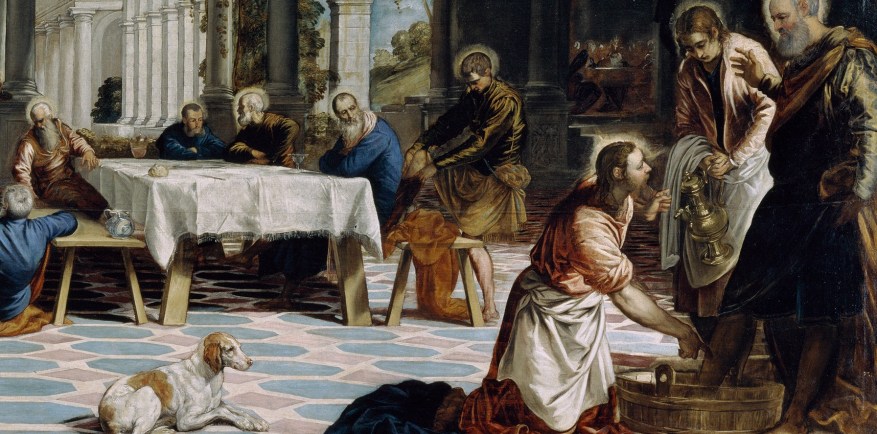
La Lavanda dei Piedi di Tintoretto: Il Capolavoro Veneziano al Prado
🇮🇹Tra i capolavori più affascinanti del Rinascimento veneziano, “La Lavanda dei Piedi” di Jacopo Tintoretto rappresenta un perfetto equilibrio tra spiritualità, innovazione compositiva e straordinaria forza narrativa… 🇬🇧Among the most fascinating masterpieces of the Venetian Renaissance, Jacopo Tintoretto’s “The Washing of the Feet” represents a perfect balance between spirituality, compositional innovation, and extraordinary narrative force…
-
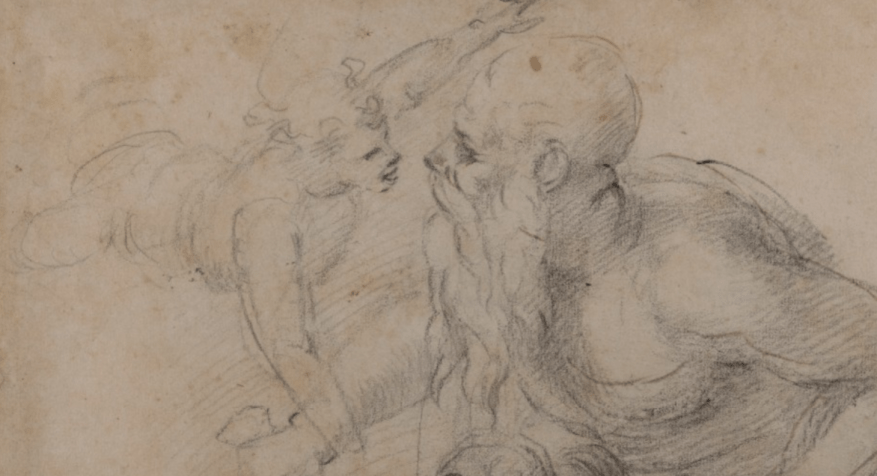
Il Sacrificio di Isacco e quel momento tra la vita e la morte
🇮🇹Oggi voglio raccontarvi alcuni dettagli sul mio disegno del Sacrificio di Isacco, conservato oggi a Casa Buonarroti. Su quel foglio volli tracciare il momento preciso in cui la paura fa spazio al miracolo… 🇬🇧Today I want to tell you some details about my drawing of the Sacrifice of Isaac, now preserved at Casa Buonarroti. On…
-
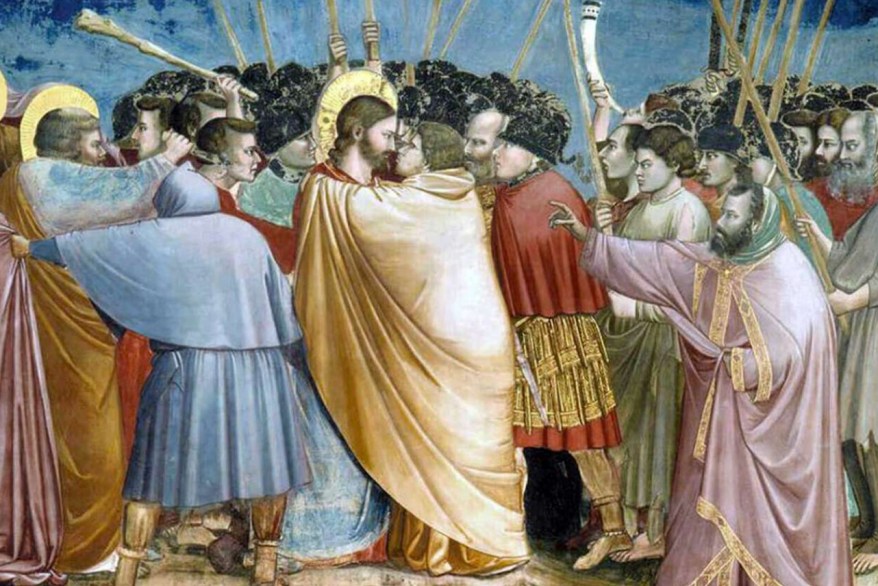
Mercoledì Santo: il giorno del tradimento di Giuda affrescato da Giotto
🇮🇹Il Mercoledì Santo è il giorno del silenzio, della riflessione e del tradimento. È il momento in cui Giuda sceglie di vendere Gesù per trenta denari, segnando uno dei passaggi più dolorosi della Settimana Santa…. 🇬🇧Holy Wednesday is a day of silence, reflection, and betrayal. ✝It is the moment when Judas chooses to sell Jesus…
Condividi:


Questo sono io





sostienici

Sostienici – Support Us
Se questo blog ti piace e ti appassiona, puoi aiutarci a farlo crescere sempre più sostenendoci in modo concreto condividendo i post, seguendo le pagine social e con un contributo che ci aiuta ad andare avanti con il nostro lavoro di divulgazione. . ENGLISH: If you like and are passionate about this blog, you can help us make it grow more and more by supporting us in a concrete way by sharing posts, following social pages and with a contribution that helps us to move forward with our dissemination work.
€10,00


1 commento »