
Quel San Francesco del Torreggiani che avrei dovuto portare a termine
Sapete che a un certo punto della mia vita avrei dovuto portare a termine una scultura cominciata dal Torregiani?
Proprio lui che anni prima, sferrandomi un pugno, mi cambiò per sempre i lineamenti del volto rompendomi il naso, aveva lasciato un San Francesco da ultimare e io, per contratto, mi sarei dovuto impegnare a condurre quell’opera fino al termine.
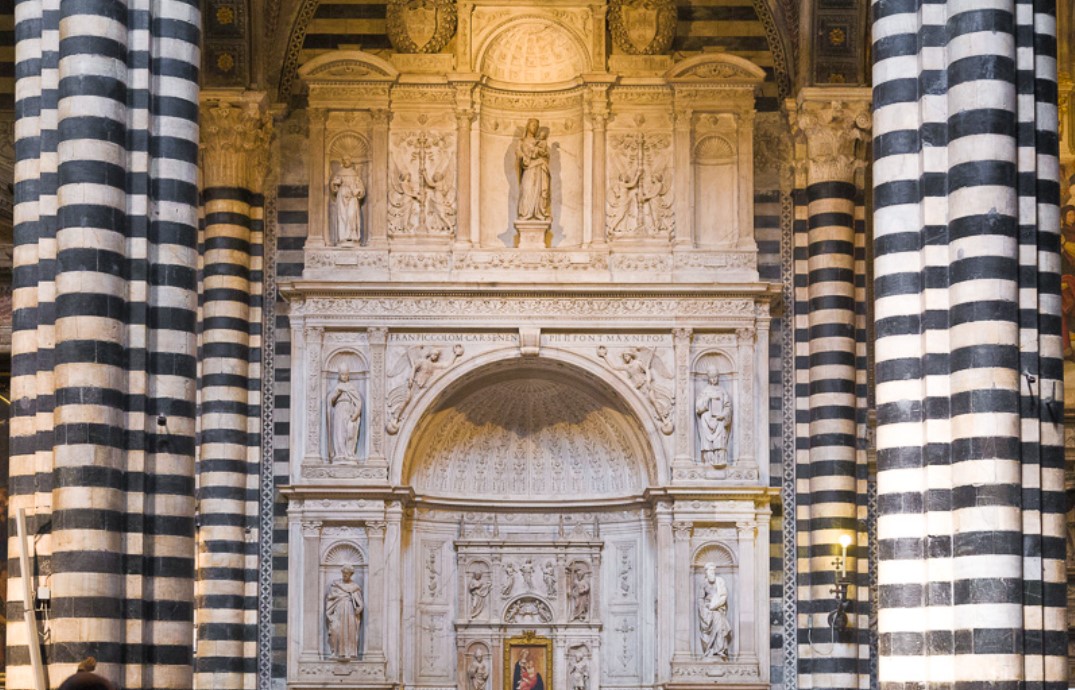
Nella prima stesura del contratto per scolpire le quindici sculture per l’altare Piccolomini del duomo di Siena, stesura poi rivista prima di essere da me sottoscritta il 19 giugno del 1501 e per la quale fece da garante ancora una volta il banchiere Jacopo Galli, si leggono un gran numero di clausole.
Fra queste postille se ne legge una particolarmente curiosa che poi verrà mantenuta anche nella stesura definitiva del contratto.

“Le quali quindici figure, finite siano da Michelangelo, come promette, in Fiorenze o dove altrove lavorasse, epso Cardinale à da fare condurre a Siena a tutte suoi spese. Et Michelangelosia tenuto e obligato, tutte epse quindicifigure, andare ad Siena et quelle mattere in operanelle suoi tribunette, dove hanno da stare, a suoi spese, resico et fortuna…”
Insomma, avrei dovuto provvedere a portare e collocare di persona a mie spese, rischio e fortuna, le opere nei rispettivi tabernacoli.
Nel contratto però si legge anche un’altra clausola assai curiosa ed è quella proprio relativa al San Francesco, iniziata tempo prima da Pietro Torrigiani.
Per l’altare scolpii alla fine solo quattro opere delle quindici previste e il San Francesco probabilmente fu una delle prime sculture che misi da parte.
Ancora oggi potete vedere quel lavoro del Torregiani nella nicchia in alto a sinistra dell’Altare Piccolomini.
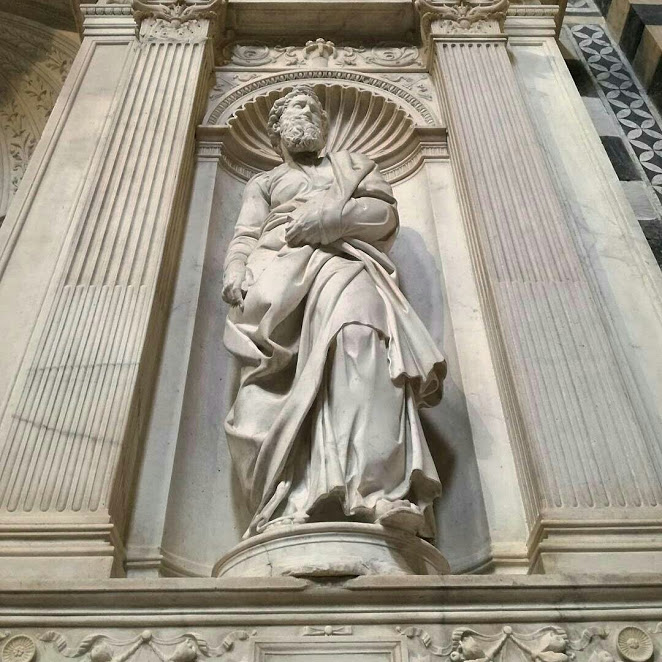
A lungo si è pensato che avessi lavorato nelle rifiniture perlomeno dei panneggi ma quando è stato possibile effettuare foto e riprese a distanza ravvicinata si è potuto notare che ancora sono ben visibili i fori del trapano e che nemmeno la tonsura della testa è stata portata a termine come avrebbe dovuto.
Non ebbi tempo a sufficienza per scolpire le opere che mi erano state affidate, figuriamoci se avevo modo di portare a termine l’opera incompiuta del Torrigiani che non certo era fra gli artisti che stimavo.
Per il momento il sempre vostro Michelangelo Buonarroti vi saluta dandovi appuntamento ai prossimi post e sui social.

Sostienici – Support Us
Se questo blog ti piace e ti appassiona, puoi aiutarci a farlo crescere sempre più sostenendoci in modo concreto condividendo i post, seguendo le pagine social e con un contributo che ci aiuta ad andare avanti con il nostro lavoro di divulgazione. . ENGLISH: If you like and are passionate about this blog, you can help us make it grow more and more by supporting us in a concrete way by sharing posts, following social pages and with a contribution that helps us to move forward with our dissemination work.
8,00 €
That San Francesco by Torreggiani that I should have completed
Do you know that at a certain point in my life I should have completed a sculpture started by Torregiani?
The very man who, years earlier, punched me and forever changed the features of my face by breaking my nose, had left a St. Francis to be completed and I, by contract, should have undertaken to see that work through to completion.
In the first draft of the contract to sculpt the fifteen sculptures for the Piccolomini altar of the Siena cathedral, a draft which was then revised before being signed by me on 19 June 1501 and for which the banker Jacopo Galli once again acted as guarantor, they read a large number of clauses.
Among these annotations we read a particularly curious one which will then be retained in the final draft of the contract.
“Le quali quindici figure, finite siano da Michelangelo, come promette, in Fiorenze o dove altrove lavorasse, epso Cardinale à da fare condurre a Siena a tutte suoi spese. Et Michelangelosia tenuto e obligato, tutte epse quindicifigure, andare ad Siena et quelle mattere in operanelle suoi tribunette, dove hanno da stare, a suoi spese, resico et fortuna…”
In short, I would have had to personally bring and place the works in the respective tabernacles at my own expense, risk and luck.
However, in the contract we also read another very curious clause and it is the one relating to the San Francesco, started some time before by Pietro Torrigiani.
For the altar I ultimately sculpted only four works out of the fifteen planned and Saint Francis was probably one of the first sculptures I put aside. Even today you can see that work by Torregiani in the niche at the top left of the Piccolomini Altar.
For a long time it was thought that I had worked on finishing at least the drapery but when it was possible to take photos and filming at close range it was possible to notice that the drill holes were still clearly visible and that not even the tonsure of the head had been completed as it should have.
I didn’t have enough time to sculpt the works that had been entrusted to me, let alone if I had the opportunity to complete the unfinished work by Torrigiani who was certainly not among the artists I respected.
For the moment, your always Michelangelo Buonarroti greets you and will meet you in the next posts and on social media.
Sostienici – Support Us
Se questo blog ti piace e ti appassiona, puoi aiutarci a farlo crescere sempre più sostenendoci in modo concreto condividendo i post, seguendo le pagine social e con un contributo che ci aiuta ad andare avanti con il nostro lavoro di divulgazione. . ENGLISH: If you like and are passionate about this blog, you can help us make it grow more and more by supporting us in a concrete way by sharing posts, following social pages and with a contribution that helps us to move forward with our dissemination work.
8,00 €
-
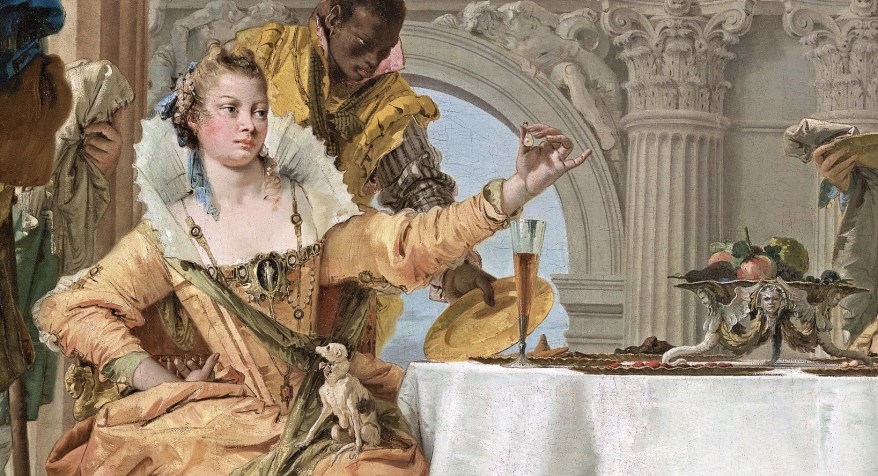
Quando Cleopatra umiliò Roma: il significato nascosto del celebre dipinto di Tiepolo
🇮🇹 Il dipinto che vi propongo è pura teatralità, lusso e strategia. Cleopatra scommette con Marco Antonio di poter offrire il banchetto più sontuoso della storia e per vincere compie un gesto folle… 🇬🇧 The painting I propose is pure theatricality, luxury, and strategy. Cleopatra bets Mark Antony that she can offer the most sumptuous…
-
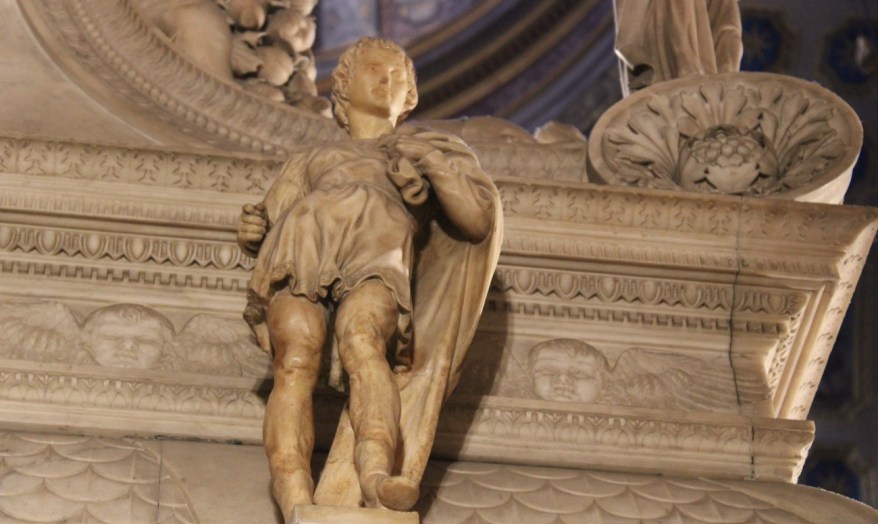
Il mio primo soggiorno a Bologna e l’incontro con Giovan Francesco Aldrovandi
🇮🇹Fuggii da Firenze a soli 19 anni. Senza certezze, senza protezioni. Solo con il mio talento. A Bologna trovai rifugio nella casa di Giovan Francesco Aldrovandi… 🇬🇧I fled Florence at just 19. Without certainties, without protection. Only with my talent. In Bologna, I found refuge in the home of Giovan Francesco Aldrovandi…
-
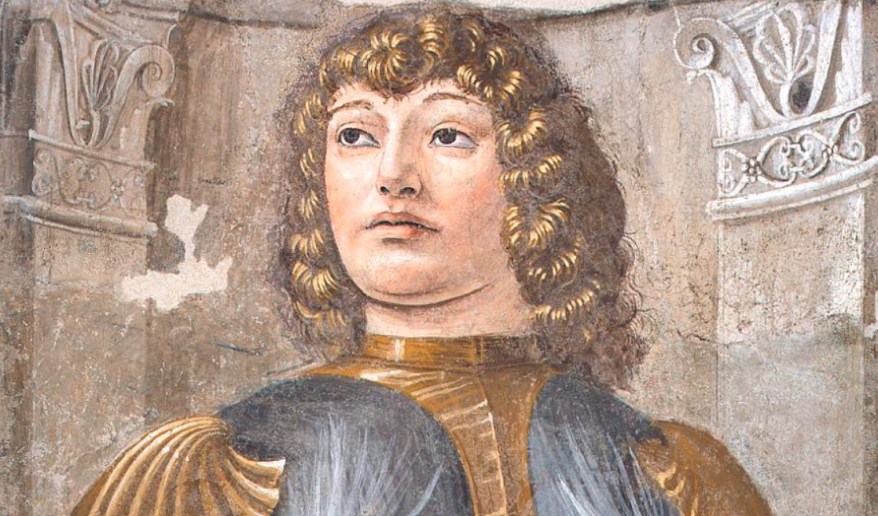
11 aprile 1514: muore Donato Bramante, il genio della scala elicoidale
🇮🇹Era l’11 aprile 1514 quando Donato Bramante morì a Roma. La sua scomparsa non cancellò però le tensioni, le rivalità e i giudizi contrastanti che avevano accompagnato tutta la sua carriera… 🇬🇧It was April 11, 1514, when Donato Bramante died in Rome. His passing, however, did not erase the tensions, rivalries, and conflicting opinions that…
Condividi:


Questo sono io





sostienici

Sostienici – Support Us
Se questo blog ti piace e ti appassiona, puoi aiutarci a farlo crescere sempre più sostenendoci in modo concreto condividendo i post, seguendo le pagine social e con un contributo che ci aiuta ad andare avanti con il nostro lavoro di divulgazione. . ENGLISH: If you like and are passionate about this blog, you can help us make it grow more and more by supporting us in a concrete way by sharing posts, following social pages and with a contribution that helps us to move forward with our dissemination work.
€10,00


