

La Scultura del giorno: la Fioraia cieca di Pompei di Randolph Rogers
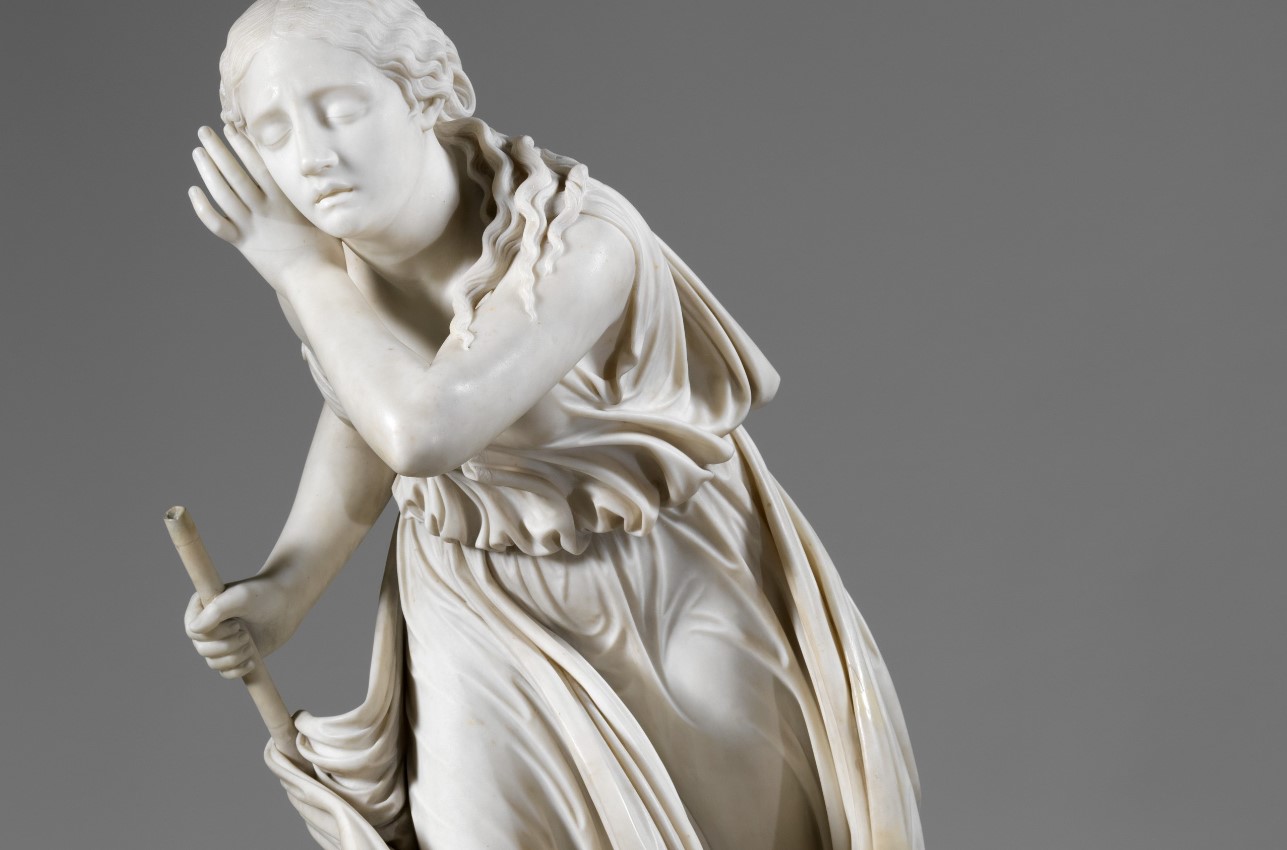
La scultura del giorno che vi propongo oggi è Nidia, la fioraia cieca di Pompei scolpita da Randolph Rogers.
Per scolpire quest’opera, una delle più popolari americane del XIX secolo, Rogers si ispirò al romanzo dal titolo “Gli ultimi giorni di Pompei”, dato alle stampe nel 1834.
Il romanzo scritto da letto di Lord Edward Bulwer-Lytton, molto noto all’epoca, termina con la terribile eruzione del Vesuvio avvenuta nel 79 d.C.
Nidia nelle pagine del romanzo tentò eroicamente di condurre due compagni fuori dalla città avvolta dalle fiamme e coperta di cenere.
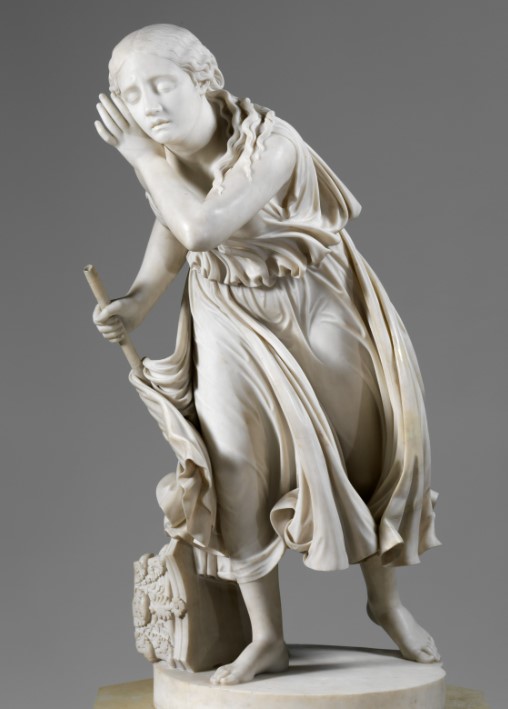
Lo scultore allude alla cecità di Nidia facendole chiudere gli occhi e facendole portare la mano all’orecchio, per evidenziare il suo senso molto sviluppato dell’udito.
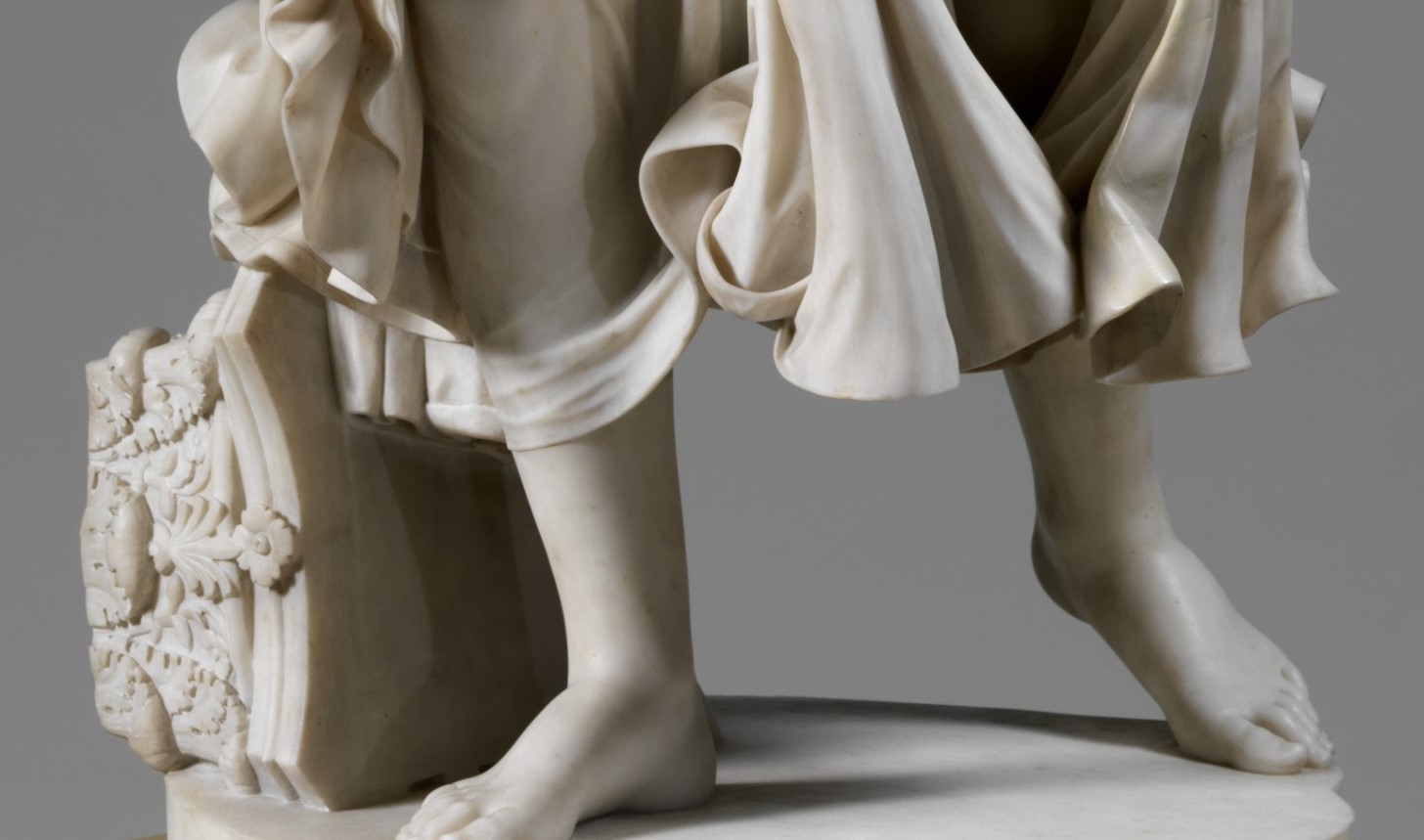
La distruzione di Pompei invece è simboleggiata dal capitello corinzio spezzato, accanto al suo piede destro.
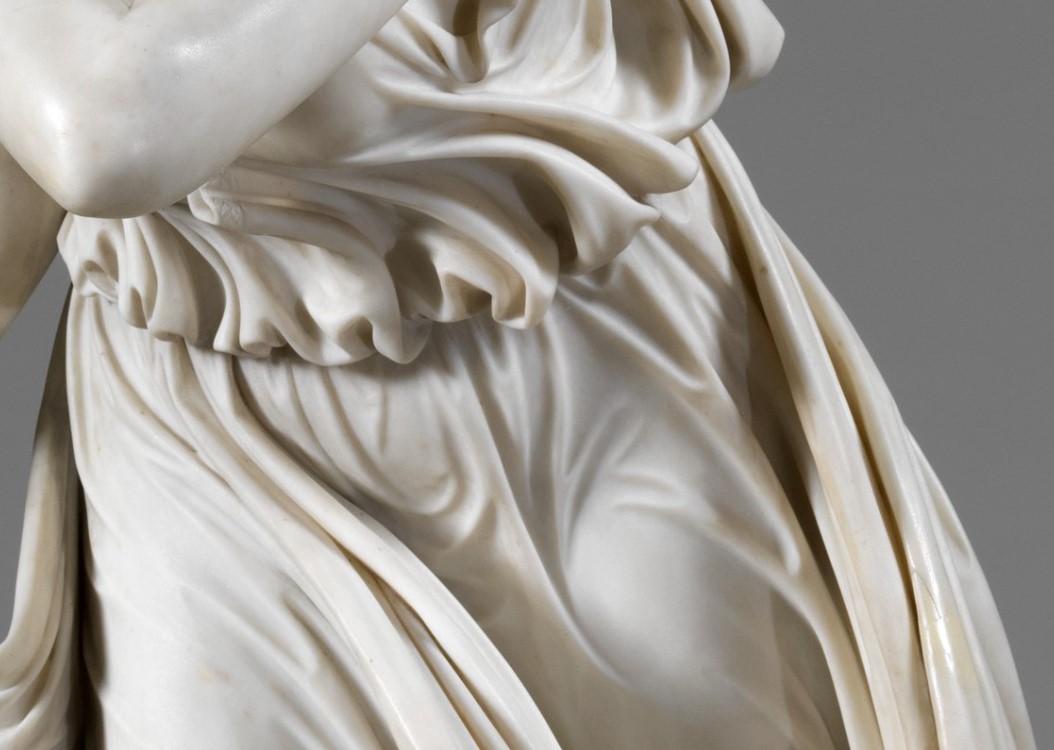
Randolph Rogers scolpì Nidia nel 1888 e oggi l’opera appartiene al Metropolitan Museum di New York.
Per il momento il vostro Michelangelo Buonarroti vi saluta dandovi appuntamento ai prossimi post e sui social.
Sculpture of the day: the Blind Flower Girl of Pompeii by Randolph Rogers
The sculpture of the day that I propose to you today is Nidia, the blind flower girl from Pompeii sculpted by Randolph Rogers.
To sculpt this work, one of the most popular American works of the 19th century, Rogers was inspired by the novel entitled “The Last Days of Pompeii”, published in 1834.
Lord Edward Bulwer-Lytton’s bedroom novel, very well known at the time, ends with the terrible eruption of Vesuvius in 79 AD.
In the pages of the novel Nidia heroically attempted to lead two companions out of the city engulfed in flames and covered in ash.
The sculptor alludes to Nidia’s blindness by having her close her eyes and have her hand put to her ear, to highlight her highly developed sense of hearing.
The destruction of Pompeii, however, is symbolized by the broken Corinthian capital next to her right foot.
Randolph Rogers sculpted Nidia in 1888 and today the work belongs to the Metropolitan Museum in New York.
Randolph Rogers sculpted Nidia in 1888 and today the work belongs to the Metropolitan Museum in New York.

Sostienici – Support Us
Se questo blog ti piace e ti appassiona, puoi aiutarci a farlo crescere sempre più sostenendoci in modo concreto condividendo i post, seguendo le pagine social e con un contributo che ci aiuta ad andare avanti con il nostro lavoro di divulgazione. . ENGLISH: If you like and are passionate about this blog, you can help us make it grow more and more by supporting us in a concrete way by sharing posts, following social pages and with a contribution that helps us to move forward with our dissemination work.
8,00 €
Condividi:


Questo sono io




sostienici

Sostienici – Support Us
Se questo blog ti piace e ti appassiona, puoi aiutarci a farlo crescere sempre più sostenendoci in modo concreto condividendo i post, seguendo le pagine social e con un contributo che ci aiuta ad andare avanti con il nostro lavoro di divulgazione. . ENGLISH: If you like and are passionate about this blog, you can help us make it grow more and more by supporting us in a concrete way by sharing posts, following social pages and with a contribution that helps us to move forward with our dissemination work.
€10,00


