
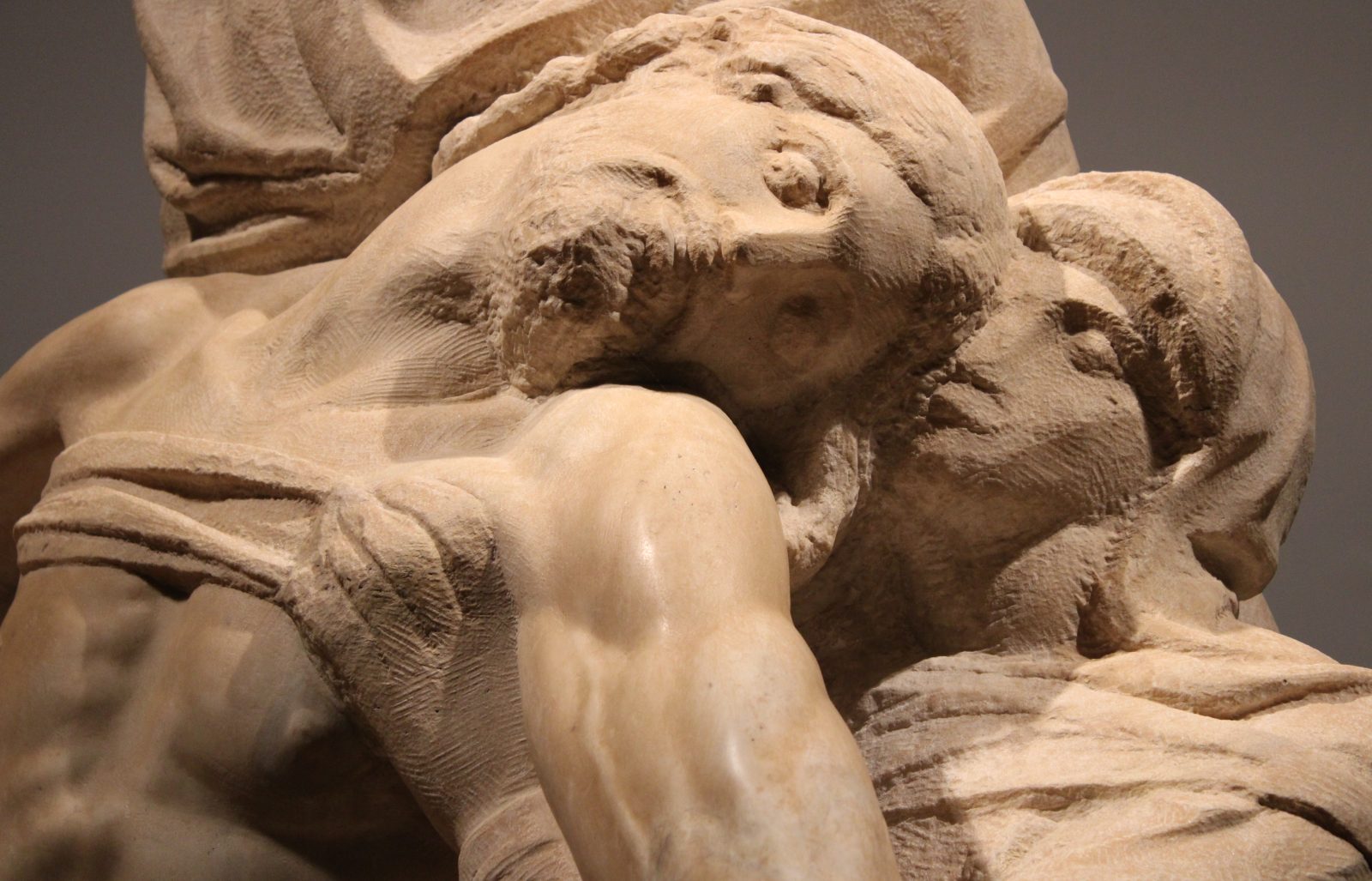
La Scultura del giorno: la Ninfa Arnina del Bartolini
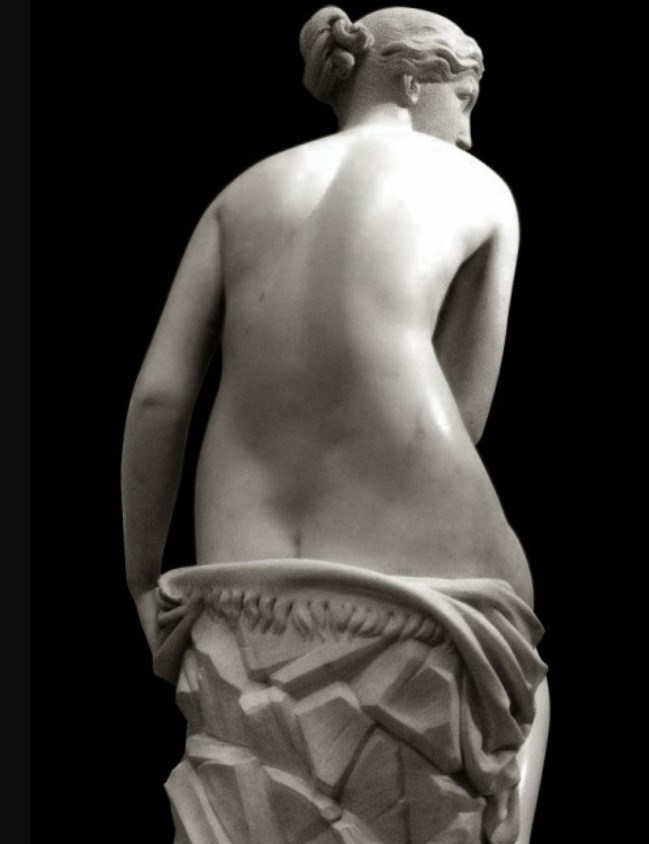
La scultura del giorno che vi propongo oggi è la Ninfa Arnina scolpita da Lorenzo Bartolini nel 1825, a Firenze.
Fu una delle primissime sculture a figura intera realizzate dall’artista dopo il suo rientro in patria, a seguito del periodo trascorso a Parigi. L’opera era destinata a Mister Morrit di Rokeby Hall, secondo quanto si può evincere da una lettera di Mary Berry al Duca di Devonshire datata 18 ottobre 1820.
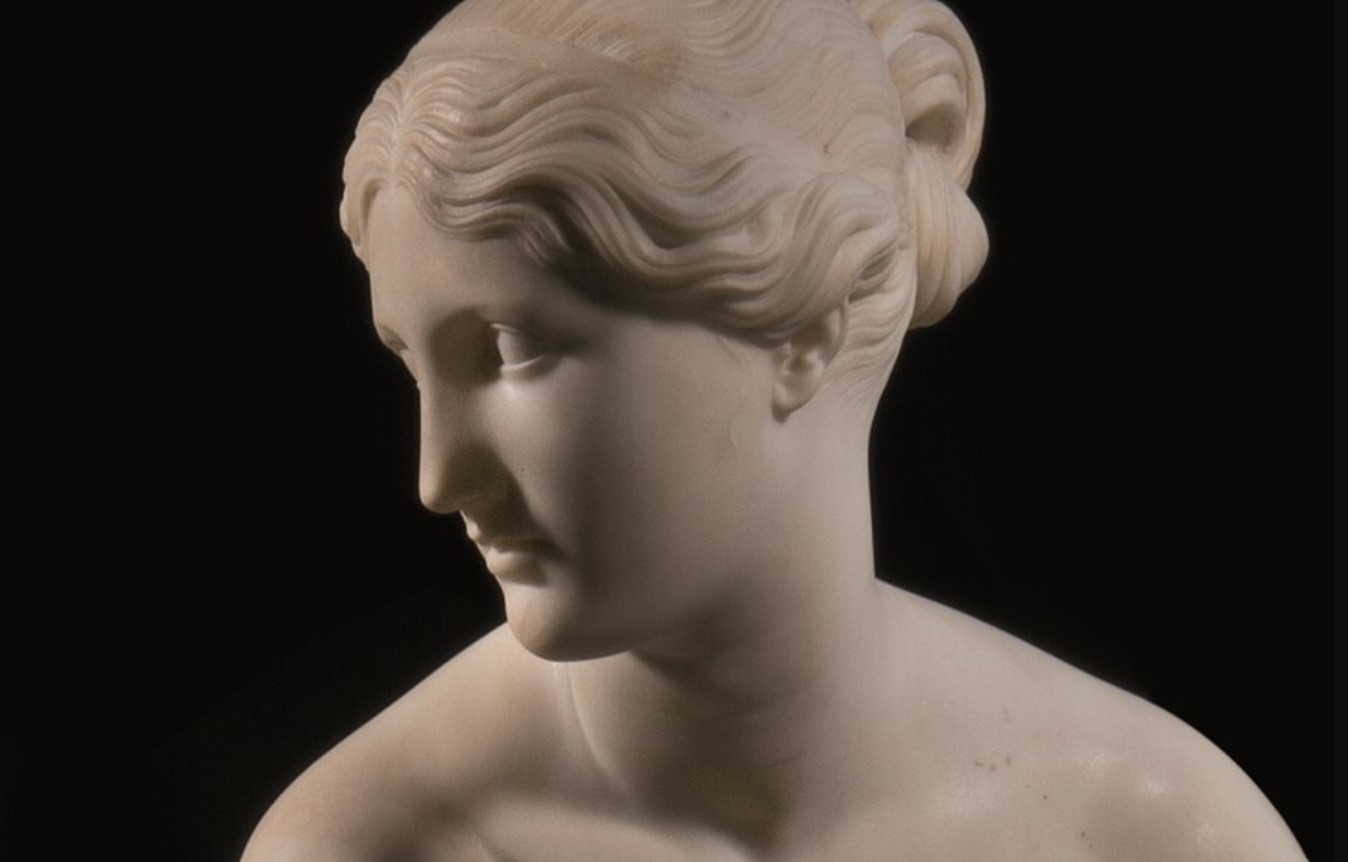
Dai documenti esistenti, risulta che eseguì due versioni in marmo della scultura per altrettanti committenti inglesi e talvolta viene citata anche come Ninfa Oceanica.
Quando ancora l’opera era in fase di lavorazione, fu scelta dal poeta Francesco Benedetti per essere la protagonista di un proprio testo poetico, citandola come “La bella Oceanina/che […] lieve lieve si asterge il molle grembo”.

Nel 1825 Bartolini volle scolpire una terza versione della Ninfa Arnina dedicandola all’allora direttore dell’Accademia di Belle Arti e degli Uffizi Giovanni degli Alessandri, nella speranza di riuscire a ottenere la tanto desiderata cattedra di Scultura.

Proprio da quel marmo ne fu tratto il calco che adesso è esposto presso la Gypsoteca Bartolini della Galleria dell’Accademia.
La versione marmorea realizzata per il direttore invece fu portata nel 1841 al prestigioso Salon di Parigi.

Al momento l’unico esemplare in marmo noto è custodito in una collezione privata mentre le altre versioni sono date per disperse attualmente.
Fu lo studioso inglese John Kenworthy-Browne a ritrovare la versione in marmo esistente dopo molte ricerche.

In origine quel lavoro era esposto presso la residenza di Garendon Hall in Leicestershire ma fu venduto dagli eredi del committente Lord Phillipps all’attuale proprietario che per sua volontà vuole rimanere anonimo.
Per il momento il vostro Michelangelo Buonarroti vi saluta dandovi appuntamento ai prossimi post e sui social.

Sculpture of the day: Bartolini’s Nymph Arnina
The sculpture of the day that I propose to you today is the Nymph Arnina sculpted by Lorenzo Bartolini in 1825, in Florence.
It was one of the very first full-length sculptures created by the artist after his return to his homeland following the period spent in Paris. The work was intended for Mister Morrit of Rokeby Hall, according to what can be deduced from a letter from Mary Berry to the Duke of Devonshire dated 18 October 1820.
From existing documents, it appears that he created two marble versions of the sculpture for two English clients and is sometimes also cited as Ocean Nymph.
When the work was still in the production phase, it was chosen by the poet Francesco Benedetti to be the protagonist of his own poetic text, citing it as “The beautiful Oceanina/who […] delicately wipes the soft womb”.
In 1825 Bartolini wanted to sculpt a third version of the Nymph Arnina, dedicating it to the then director of the Academy of Fine Arts and the Uffizi Giovanni degli Alessandri in the hope of being able to obtain the much desired chair of Sculpture.
The cast was taken from that marble and is now on display in the Bartolini Gypsoteca of the Accademia Gallery. The marble version created for the director was taken to the prestigious Salon in Paris in 1841.
At the moment the only known marble example is kept in a private collection while the other versions are currently considered missing. It was English scholar John Kenworthy-Browne who found the existing marble version after much research. Originally that work was exhibited at the residence of Garendon Hall in Leicestershire but was sold by the heirs of the client Lord Phillipps to the current owner who wishes to remain anonymous.
For the moment, your Michelangelo Buonarroti greets you and will meet you in future posts and on social media.

Sostienici – Support Us
Se questo blog ti piace e ti appassiona, puoi aiutarci a farlo crescere sempre più sostenendoci in modo concreto condividendo i post, seguendo le pagine social e con un contributo che ci aiuta ad andare avanti con il nostro lavoro di divulgazione. . ENGLISH: If you like and are passionate about this blog, you can help us make it grow more and more by supporting us in a concrete way by sharing posts, following social pages and with a contribution that helps us to move forward with our dissemination work.
8,00 €
-
Festival La Versiliana 2026: tra musica, teatro e grandi narrazioni
Dal 17 luglio al 23 agosto 2026, la pineta di Marina di Pietrasanta ospiterà la 47ª edizione del Festival La Versiliana. Una kermesse aperta a tutti nella quale linguaggi diversi dialogano tra loro in un equilibrio tra tradizione e contemporaneità.
-
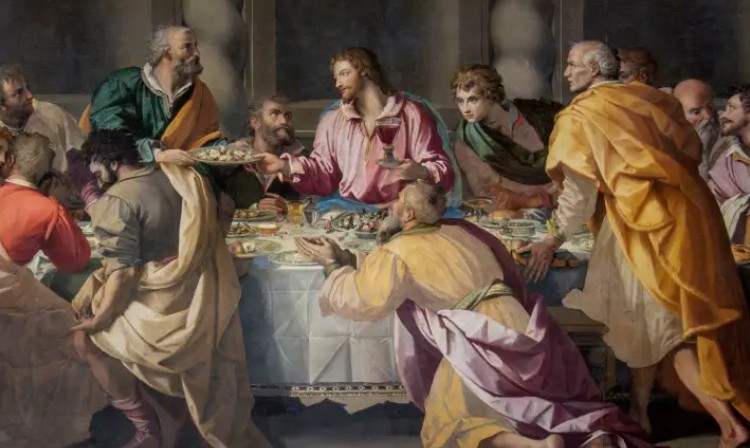
Giovedì Santo: l’Ultima Cena di Allori che pochi conoscono a Firenze
🇮🇹Nel cuore di Museo di Santa Maria Novella, a Firenze, si conserva una delle interpretazioni più affascinanti e meno note dell’Ultima Cena: quella realizzata da Alessandro Allori nel 1584… 🇬🇧In the heart of the Santa Maria Novella Museum in Florence, one of the most fascinating and least-known interpretations of the Last Supper is preserved: the…
-
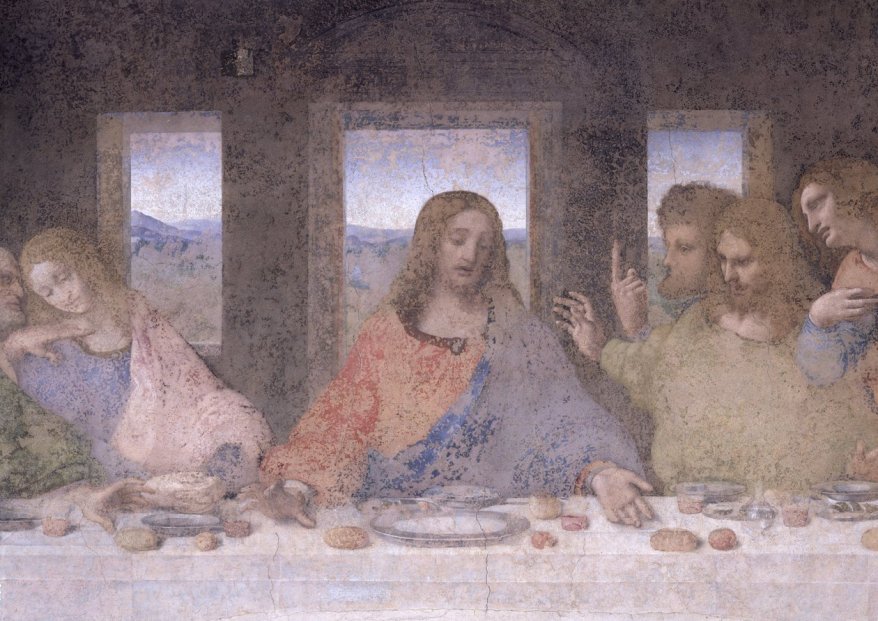
Cenacolo di Leonardo: i dettagli che raccontano il tradimento
🇮🇹Nel Cenacolo di Leonardo da Vinci, custodito a Santa Maria delle Grazie, Cristo annuncia il tradimento e il tempo si ferma… 🇬🇧In Leonardo da Vinci’s Last Supper, housed in Santa Maria delle Grazie, Christ announces the betrayal and time stands still…
Condividi:


Questo sono io





sostienici

Sostienici – Support Us
Se questo blog ti piace e ti appassiona, puoi aiutarci a farlo crescere sempre più sostenendoci in modo concreto condividendo i post, seguendo le pagine social e con un contributo che ci aiuta ad andare avanti con il nostro lavoro di divulgazione. . ENGLISH: If you like and are passionate about this blog, you can help us make it grow more and more by supporting us in a concrete way by sharing posts, following social pages and with a contribution that helps us to move forward with our dissemination work.
€10,00


