

Copie di copie della Battaglia di Cascina
Fra l’agosto e il settembre del 1504, Pier Soderini, all’epoca gonfaloniere della Repubblica Fiorentina, mi volle commissionare la realizzazione di un grande affresco per ricordare la battaglia che Firenze vinse contro Pisa nel 1364, combattuta in quel di Cascina.
Avrei dovuto affrescare questa scena nel Salone del Gran Consiglio di Palazzo della Signoria, oggi noto con il nome di Salone de’ Cinquecento ma poi la situazione politica a Firenze cambiò drasticamente, io andai a Roma e non se ne fece più nulla.
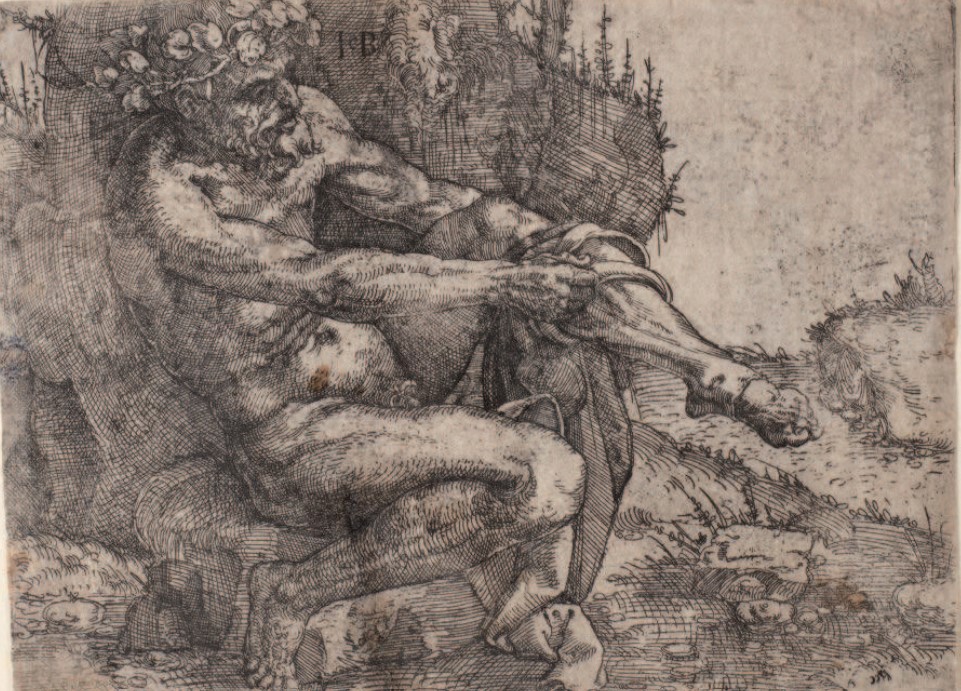
Il cartone però lo avevo realizzato eccome ed era talmente stupefacente da essere considerato dagli artisti dell’epoca un’importantissima scuola per imparare pose, atteggiamenti, espressioni ma anche il modo stesso di disegnare.
Il successo di un’opera all’epoca poteva essere misurato in modo assai semplice: bastava vedere quante copie dell’opera circolassero o quanti artisti avrebbero fatto carte false pur di poter vedere il lavoro e studiarne i dettagli.

Sebbene del cartone della Battaglia di Cascina non sia rimasta traccia, sono tutt’oggi visibili invece numerose copie realizzate da artisti a me contemporanei.
Chi non aveva la possibilità di venire a Firenze si accontentava addirittura di studiare i disegni di coloro che avevano avuto modo di vederli di persona.
Questo è infatti ciò che fece Jacob Binck, il pittore tedesco che nacque a Colonia nel 1500. Non riuscì a vedere dal vivo il cartone ma volle copiare i disegni del Raimondi che ne riportavano alcuni dettagli come il Soldato seduto che si riveste.
Esiste un’acquaforte di sua mano, con tanto di firma HCB posta in alto. Si tratta per lui di una vera sperimentazione da parte dell’artista della tecnica dell’acqua forte che probabilmente apprese durante il suo viaggio nelle Fiandre.
Il disegno appartiene al museo Kunsthalle Bremen.
Per il momento il vostro Michelangelo Buonarroti vi saluta dandovi appuntamento ai prossimi post e sui social.
Copies of copies of the Battle of Cascina
Between August and September 1504, Pier Soderini, standard bearer of the Florentine Republic at the time, wanted to commission me to create a large fresco to commemorate the battle that Florence won against Pisa in 1364, fought in Cascina.
I should have frescoed this scene in the Salone del Gran Consiglio of Palazzo della Signoria, today known as the Salone de’ Cinquecento, but then the political situation in Florence changed drastically, I went to Rome and nothing more happened.
However, I had created the cartoon and it was so amazing that it was considered by the artists of the time a very important school for learning poses, attitudes, expressions but also the very way of drawing.
The success of a work at the time could be measured in a very simple way: it was enough to see how many copies of the work were in circulation or how many artists would commit false documents just to be able to see the work and study its details.
Although no trace remains of the Battle of Cascina cartoon, numerous copies made by artists contemporary to me are still visible today.
Those who did not have the opportunity to come to Florence were even content to study the drawings of those who had had the opportunity to see them in person.
This is in fact what Jacob Binck, the German painter who was born in Cologne in 1500, did. He was unable to see the cartoon in person but wanted to copy Raimondi’s drawings which showed some details such as the seated soldier getting dressed.
There is an etching by his hand, complete with the HCB signature placed at the top. For him, it is a true experimentation by the artist with the acqua forte technique which he probably learned during his trip to Flanders.
The drawing belongs to the Kunsthalle Bremen museum.
For the moment, your Michelangelo Buonarroti greets you and will meet you in future posts and on social media.

Sostienici – Support Us
Se questo blog ti piace e ti appassiona, puoi aiutarci a farlo crescere sempre più sostenendoci in modo concreto condividendo i post, seguendo le pagine social e con un contributo che ci aiuta ad andare avanti con il nostro lavoro di divulgazione. . ENGLISH: If you like and are passionate about this blog, you can help us make it grow more and more by supporting us in a concrete way by sharing posts, following social pages and with a contribution that helps us to move forward with our dissemination work.
8,00 €
-
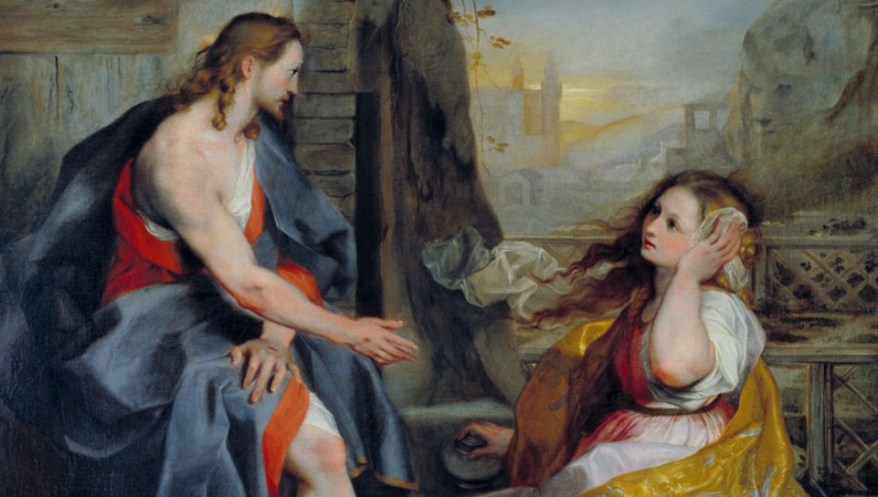
Noli me tangere di Federico Barocci: il capolavoro agli Uffizi che racconta l’incontro più emozionante dopo la Resurrezione
🇮🇹Nel Noli me tangere di Federico Barocci Maria Maddalena riconosce Cristo risorto e prova a toccarlo. Ma lui la ferma… 🇬🇧In Federico Barocci’s Noli Me Tangere, Mary Magdalene recognizes the risen Christ and tries to touch him. But he stops her…
-
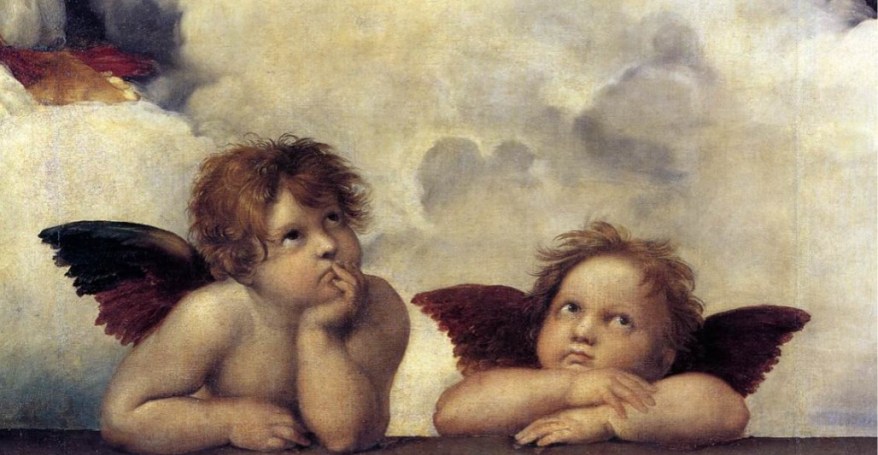
6 aprile 1520: la morte di Raffaello Sanzio e la nascita di un mito immortale
🇮🇹“Qui giace Raffaello: da lui, quando visse, la natura temette d’essere vinta, ora che egli è morto, teme di morire”. Il 6 aprile 1520 Raffaello morì a soli 37 anni… 🇬🇧“Here lies Raphael: when he lived, nature feared to be conquered by him, now that he is dead, she fears to die.” On April 6,…
-
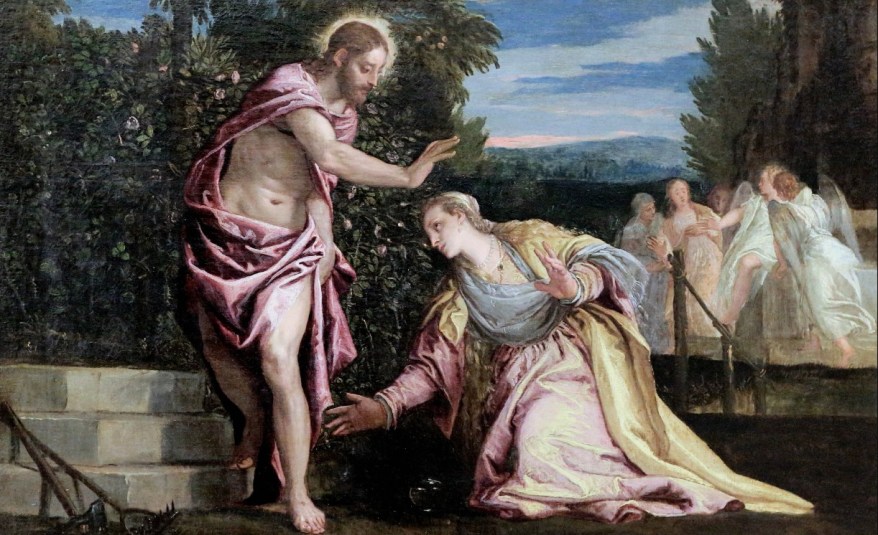
Pasquetta, tra spiritualità e arte: il significato del Lunedì dell’Angelo e i capolavori del “Noli me tangere”
🇮🇹Il Lunedì dell’Angelo racchiude uno dei momenti più intensi del Vangelo: l’incontro tra Gesù risorto e Maria Maddalena, raccontato nel celebre “Noli me tangere”. Un episodio che nei secoli ha ispirato artisti straordinari, dando vita a opere cariche di emozione, spiritualità e bellezza. .. 🇬🇧Easter Monday encompasses one of the most intense moments in the…
Condividi:


Questo sono io





sostienici

Sostienici – Support Us
Se questo blog ti piace e ti appassiona, puoi aiutarci a farlo crescere sempre più sostenendoci in modo concreto condividendo i post, seguendo le pagine social e con un contributo che ci aiuta ad andare avanti con il nostro lavoro di divulgazione. . ENGLISH: If you like and are passionate about this blog, you can help us make it grow more and more by supporting us in a concrete way by sharing posts, following social pages and with a contribution that helps us to move forward with our dissemination work.
€10,00


