

A casa per Natale
Ero ancora un ragazzo, un ragazzo che di lì a poco avrebbe creato un’opera talmente grandiosa da divenire celebre in tutto il mondo allora conosciuto.
Mi trovavo fra le cave di Carrara e faceva un freddo così intenso che mi pareva che anche il gelo fiorentino provato anni prima, fosse meno freddo.
A ogni passo mi sentivo gelare sangue, testa e piedi. Camminavo per quei sentieri fino ad arrivare al luogo di estrazione, lassù sulle Alpi Apuane, nel bacini marmifero di Torano.
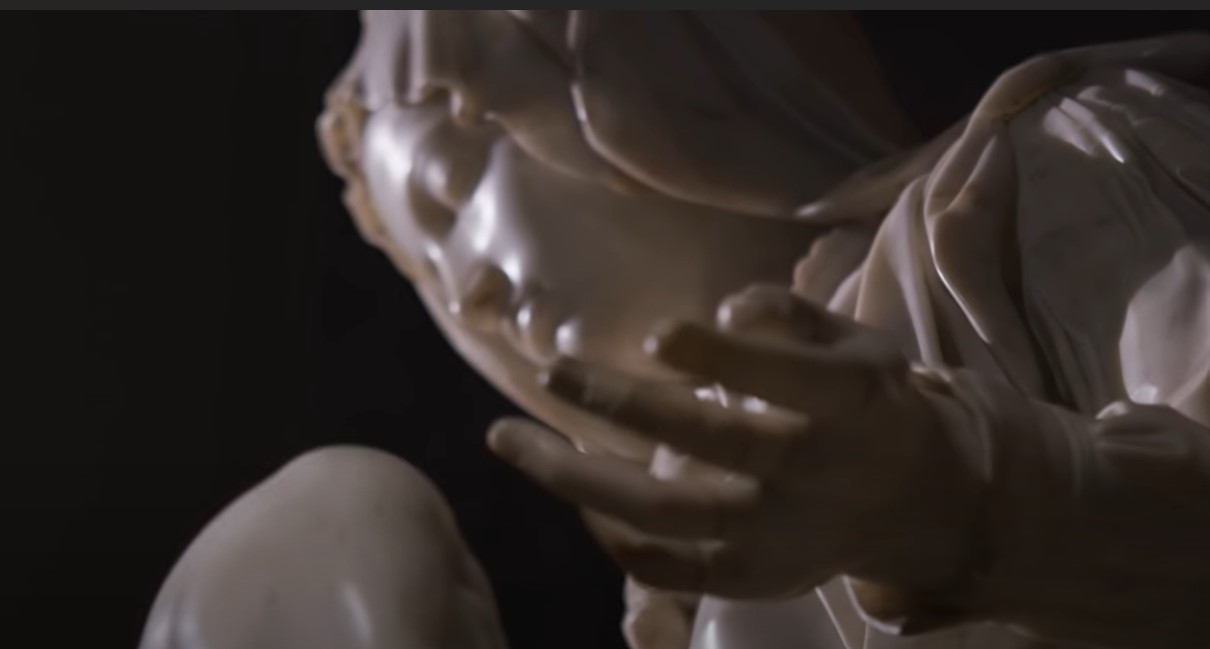
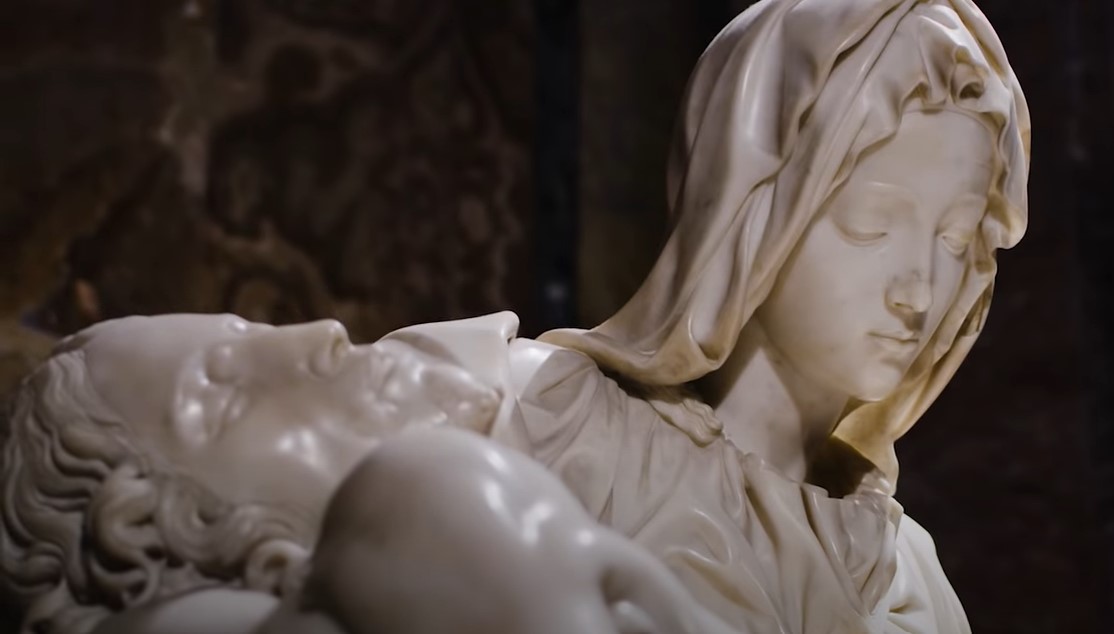
Nelle cave del Polvaccio c’ero finito per cercare un marmo di eccellente qualità per dar forma a una Nostra Signora col Cristo morto in braccio da scolpire per il cardinale francese di San Dionigi Jean Bilhéres de Lagraulas.
Era l’autunno inoltrato del 1497 e avevo 22 anni. Rimasi quattro mesi al ghiaccio, fra quelle montagne, ma non potevo certo andarmene via prima di aver trovato un blocco che faceva al caso mio, senza peli neri e bianco come il latte.

Il 25 dicembre s’avvicinava sempre di più e non me la sentii di passarlo lì.
Volli tornare a casa per Natale, per trascorrere un po’ di tempo con il mi babbo e i miei fratelli. La mi mamma povera donna era già parecchi anni che non era più con noi ma tornare a Firenze e ritrovare l’aria di casa non poteva che farmi bene allo spirito. Al fegato un po’ meno.
Sapete com’è; in famiglia le liti non mancavano mai ma dopotutto i parenti che avevo erano quelli e me l’aveva dati il buon Dio. Me li dovevo tenere così com’erano.
Non mi trattenni a lungo e nemmeno ricordo se in quell’anno, il giorno dell’Epifania, ebbe luogo il Corteo dei Magi. A partire dal Quattrocento infatti, la compagnia dei Magi, nota anche come la compagnia della Stella, ogni tre anni organizzava una processione in pompa magna che ricordasse l’arrivo dei Re Magi alla grotta di Betlemme, evento raccontato dall’evangelista Matteo.
Il giorno dopo l’Epifania ripartii per raggiungere di nuovo Carrara: il freddo e il dovere mi attendevano.
Per il momento il vostro Michelangelo Buonarroti vi saluta dandovi appuntamento ai prossimi post e sui social.

Home for Christmas
I was still a boy, a boy who would soon create a work so grandiose that it would become famous throughout the then known world.
I was among the quarries of Carrara and it was so intensely cold that it seemed to me that even the Florentine frost I had experienced years before was less cold. With every step I felt my blood, head and feet freeze. I walked along those paths until I reached the extraction site, up there in the Apuan Alps, in the Torano marble basin.
In the Polvaccio quarries I ended up looking for excellent quality marble to give shape to a Our Lady with the dead Christ in her arms to be sculpted for the French Cardinal of San Dionigi Jean Bilhéres de Lagraulas.
It was late autumn 1497 and I was 22 years old. I stayed on the ice for four months in those mountains but I certainly couldn’t leave before finding a block that was right for me, without black hair and white as milk.
December 25th was getting closer and closer and I didn’t feel like spending it there. I wanted to come home for Christmas, to spend some time with my dad and my brothers. My mother, a poor woman, had been no longer with us for several years, but returning to Florence and finding the air of home could only be good for my spirit… for my liver, a little less so.
You know how it is; There was never a shortage of arguments in my family but after all, those were the relatives I had and the good Lord had given them to me. I had to keep them as they were.
I didn’t stay long and I don’t even remember if that year, on the day of the Epiphany, the Procession of the Magi took place. In fact, starting from the fifteenth century, the company of the Magi, also known as the company of the Star, organized a procession with great pomp every three years to commemorate the arrival of the Three Kings at the Bethlehem cave, an event recounted by the evangelist Matthew.
The day after the Epiphany I left to reach Carrara again: the cold and duty awaited me.
For the moment, your Michelangelo Buonarroti greets you and will meet you in future posts and on social media.

Sostienici – Support Us
Se questo blog ti piace e ti appassiona, puoi aiutarci a farlo crescere sempre più sostenendoci in modo concreto condividendo i post, seguendo le pagine social e con un contributo che ci aiuta ad andare avanti con il nostro lavoro di divulgazione. . ENGLISH: If you like and are passionate about this blog, you can help us make it grow more and more by supporting us in a concrete way by sharing posts, following social pages and with a contribution that helps us to move forward with our dissemination work.
8,00 €
-
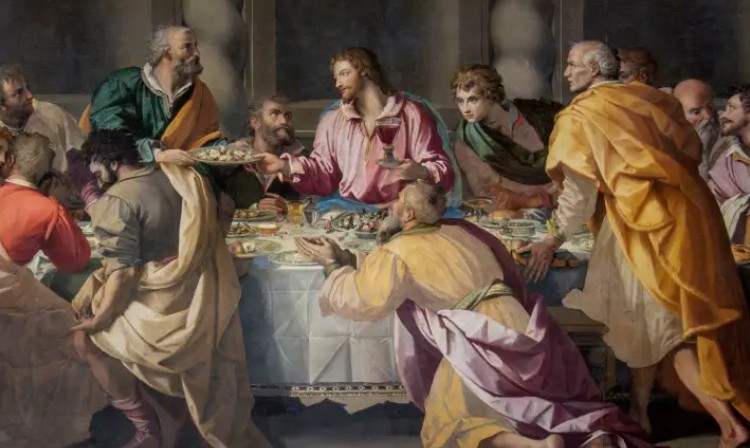
Giovedì Santo: l’Ultima Cena di Allori che pochi conoscono a Firenze
🇮🇹Nel cuore di Museo di Santa Maria Novella, a Firenze, si conserva una delle interpretazioni più affascinanti e meno note dell’Ultima Cena: quella realizzata da Alessandro Allori nel 1584… 🇬🇧In the heart of the Santa Maria Novella Museum in Florence, one of the most fascinating and least-known interpretations of the Last Supper is preserved: the…
-
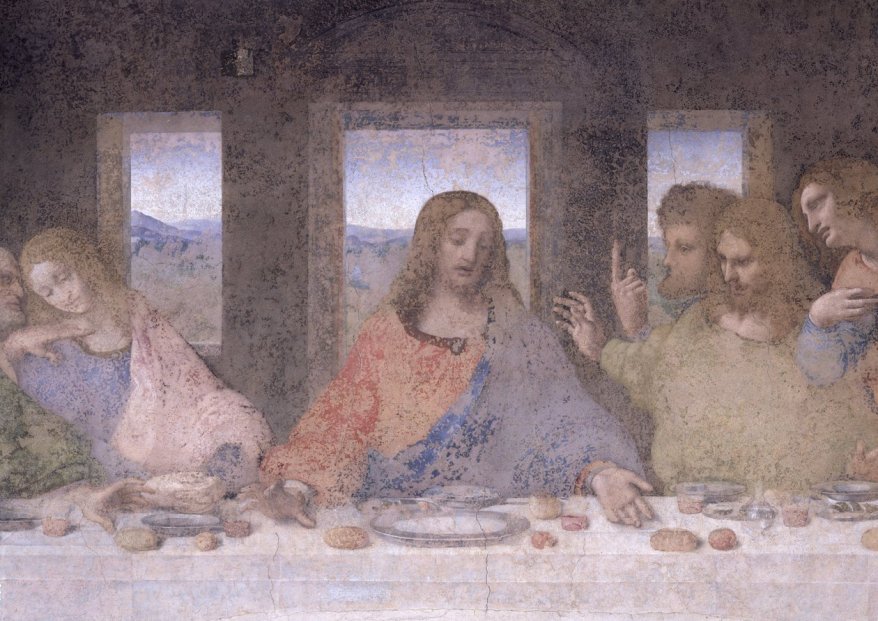
Cenacolo di Leonardo: i dettagli che raccontano il tradimento
🇮🇹Nel Cenacolo di Leonardo da Vinci, custodito a Santa Maria delle Grazie, Cristo annuncia il tradimento e il tempo si ferma… 🇬🇧In Leonardo da Vinci’s Last Supper, housed in Santa Maria delle Grazie, Christ announces the betrayal and time stands still…
-
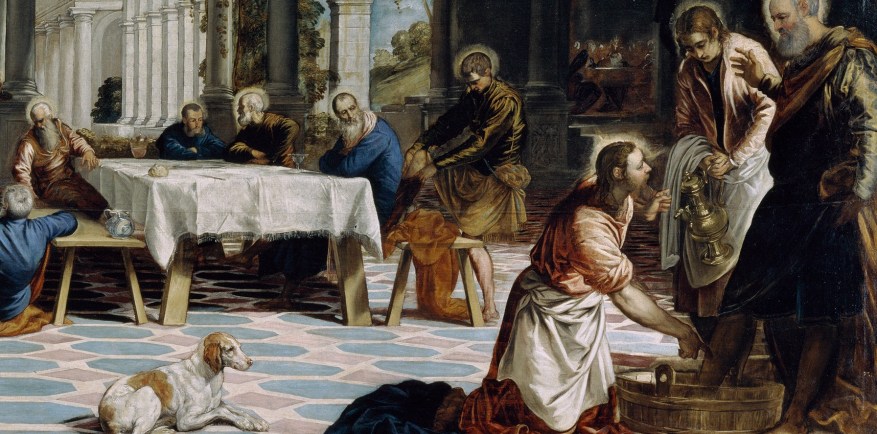
La Lavanda dei Piedi di Tintoretto: Il Capolavoro Veneziano al Prado
🇮🇹Tra i capolavori più affascinanti del Rinascimento veneziano, “La Lavanda dei Piedi” di Jacopo Tintoretto rappresenta un perfetto equilibrio tra spiritualità, innovazione compositiva e straordinaria forza narrativa… 🇬🇧Among the most fascinating masterpieces of the Venetian Renaissance, Jacopo Tintoretto’s “The Washing of the Feet” represents a perfect balance between spirituality, compositional innovation, and extraordinary narrative force…
Condividi:


Questo sono io





sostienici

Sostienici – Support Us
Se questo blog ti piace e ti appassiona, puoi aiutarci a farlo crescere sempre più sostenendoci in modo concreto condividendo i post, seguendo le pagine social e con un contributo che ci aiuta ad andare avanti con il nostro lavoro di divulgazione. . ENGLISH: If you like and are passionate about this blog, you can help us make it grow more and more by supporting us in a concrete way by sharing posts, following social pages and with a contribution that helps us to move forward with our dissemination work.
€10,00


