
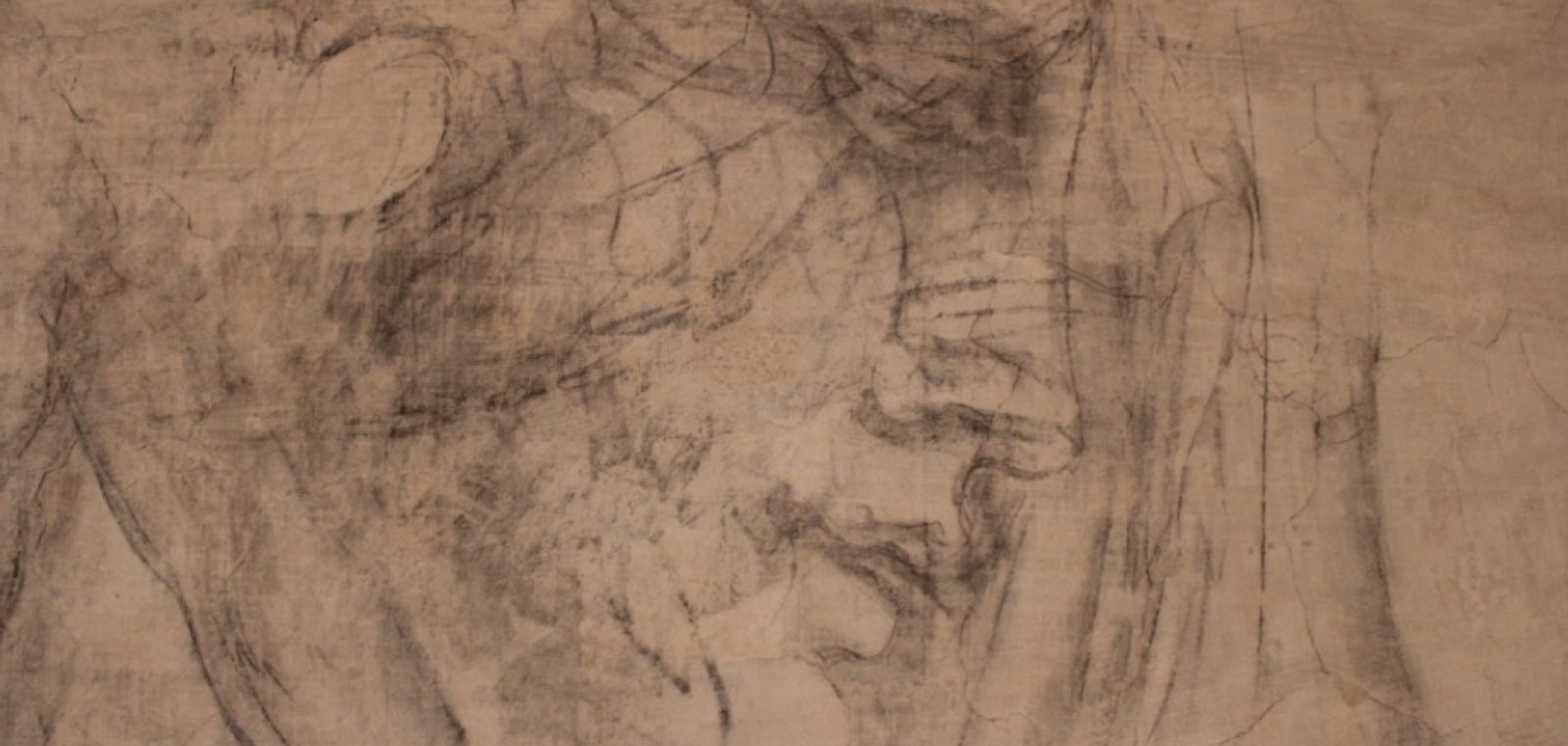
Le Opere del Natale: la Madonna in adorazione del Bambino di Orazio Gentileschi
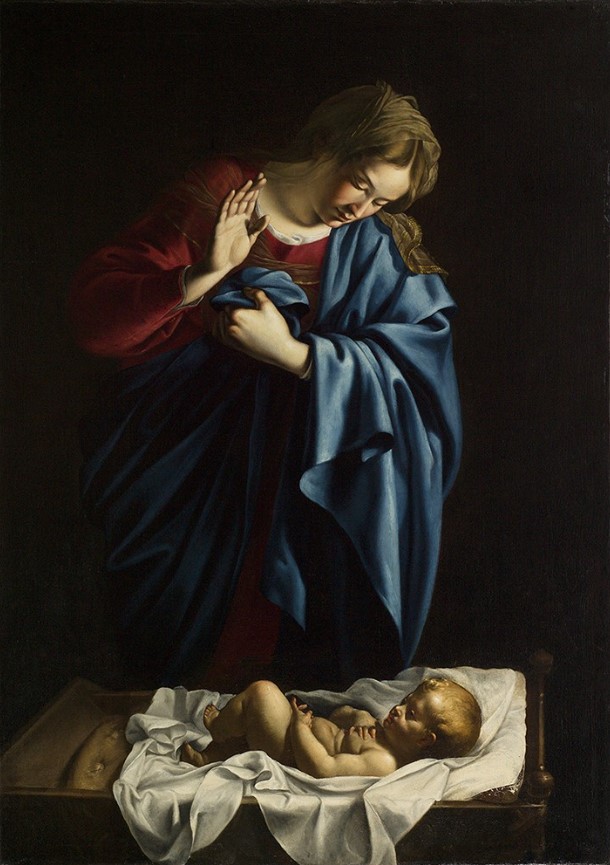
L’opera del Natale che vi propongo è un dipinto non così noto sebbene sia molto bello ed è La Madonna in adorazione del Bambino, opera straordinaria di Orazio Gentileschi, padre della più celebre Artemisia.
Mentre nell’iconografia del Medioevo e del Rinascimento la Madonna in adorazione prevedeva che la Madre di Cristo fosse raffigurata con tutte e due le mani aperte come appare per esempio nell’opera del Correggio celeberrima, oggi alla National Gallery di Londra o a mani giunte, nell’opera di Gentileschi la Vergine mostra un atteggiamento mai visto prima in un’opera simile.
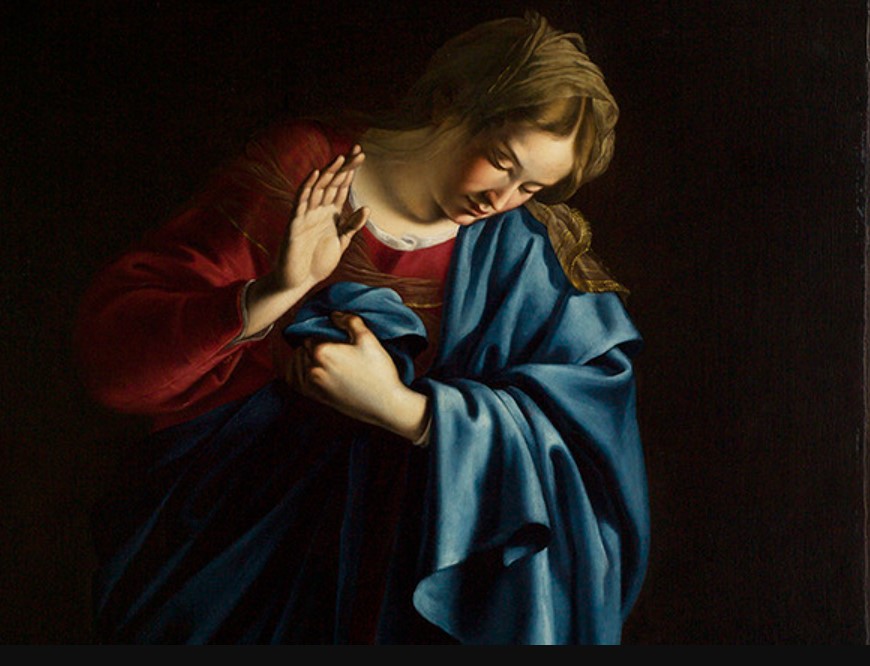
Le mani messe in quel modo non hanno riscontri in alcuna iconologia precedente riferita alla Natività e la Madonna, invece che essere adorante, pare avere chiara la sorte del Figlio tanto che l’artista volle dipingerla turbata.
La tragedia che avrà luogo trentatrè anni dopo ma già è percettibile. Entrambi i protagonisti hanno uno sguardo non propriamente felice e il Bambino stesso che porta la mano destra sul petto in modo speculare alla Madre, la indica con la mano sinistra come se stesse mettendo l’umanità nelle sue mani dopo il sacrificio sulla Croce.
L’opera fu realizzata da Gentileschi fra il 1618 e il 1620 ed è rimasta pressochè invisibile ai più per anni facendo parte di una collezione privata.
Solo in tempi recenti, mediante gli studi condotti da Bruno Santi, Raymond Ward Bissell, Claudio Strinati, Pierluigi Carofano, Paola Caretta e Alberto Cottino la tela è stata riconosciuta come opera autografa.
Per il momento i l vostro Michelangelo Buonarroti vi saluta dandovi appuntamento ai prossimi post e sui social.
The Works of Christmas: the Madonna in adoration of the Child by Orazio Gentileschi
The Christmas work that I propose to you is a painting that is not so well known although it is very beautiful and is The Madonna in adoration of the Child, an extraordinary work by Orazio Gentileschi, father of the more famous Artemisia.
While in the iconography of the Middle Ages and the Renaissance the Madonna in adoration required that the Mother of Christ be depicted with both hands open as appears for example in the famous work by Correggio, today at the National Gallery in London or with hands clasped, in Gentileschi’s work the Virgin shows an attitude never seen before in a similar work.
The hands placed in that way have no comparison in any iconology and the Madonna, instead of being adoring, seems to have a clear understanding of the fate of her Son and therefore the artist wanted to paint her troubled.
The tragedy that will take place thirty-three years later is perceptible. Both protagonists have a not exactly happy look and the Child himself, who holds his right hand on his chest in a mirror image of the Mother, points to her with his left hand as if she were placing humanity in her hands after the sacrifice on the Cross.
The work was created by Gentileschi between 1618 and 1620 and remained almost invisible to most people for years as it was part of a private collection.
Only in recent times, through studies conducted by Bruno Santi, Raymond Ward Bissell, Claudio Strinati, Pierluigi Carofano, Paola Caretta and Alberto Cottino, has the canvas been recognized as an autograph work.
As mentioned before, this superb work belongs to a private collection.
For the moment, your Michelangelo Buonarroti greets you and will meet you in future posts and on social media.

Sostienici – Support Us
Se questo blog ti piace e ti appassiona, puoi aiutarci a farlo crescere sempre più sostenendoci in modo concreto condividendo i post, seguendo le pagine social e con un contributo che ci aiuta ad andare avanti con il nostro lavoro di divulgazione. . ENGLISH: If you like and are passionate about this blog, you can help us make it grow more and more by supporting us in a concrete way by sharing posts, following social pages and with a contribution that helps us to move forward with our dissemination work.
8,00 €
-
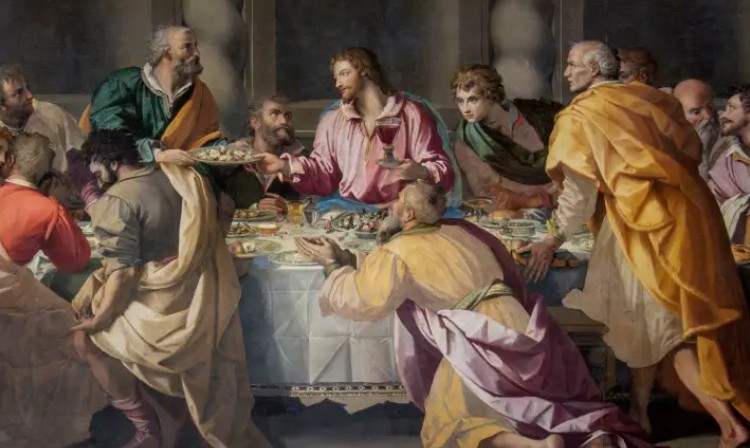
Giovedì Santo: l’Ultima Cena di Allori che pochi conoscono a Firenze
🇮🇹Nel cuore di Museo di Santa Maria Novella, a Firenze, si conserva una delle interpretazioni più affascinanti e meno note dell’Ultima Cena: quella realizzata da Alessandro Allori nel 1584… 🇬🇧In the heart of the Santa Maria Novella Museum in Florence, one of the most fascinating and least-known interpretations of the Last Supper is preserved: the…
-
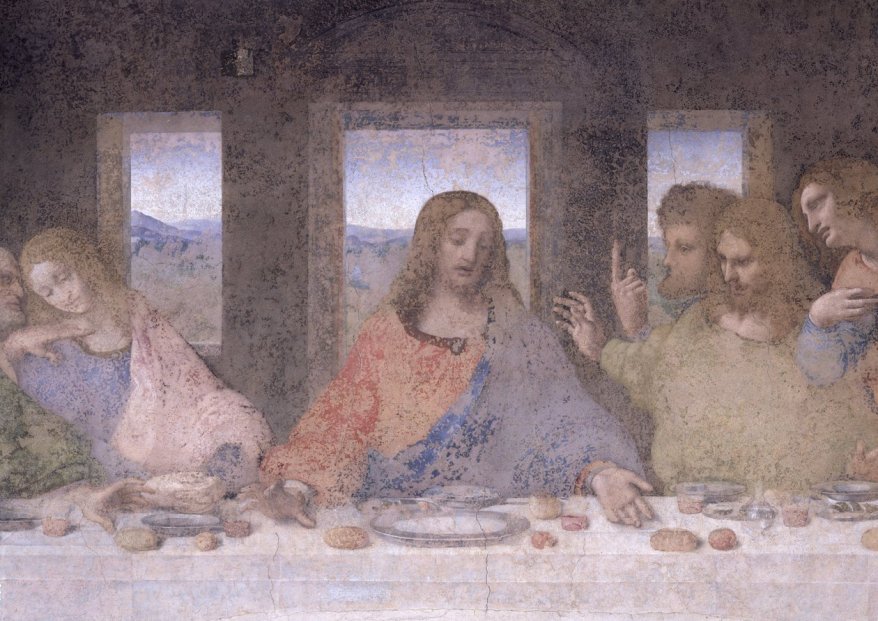
Cenacolo di Leonardo: i dettagli che raccontano il tradimento
🇮🇹Nel Cenacolo di Leonardo da Vinci, custodito a Santa Maria delle Grazie, Cristo annuncia il tradimento e il tempo si ferma… 🇬🇧In Leonardo da Vinci’s Last Supper, housed in Santa Maria delle Grazie, Christ announces the betrayal and time stands still…
-
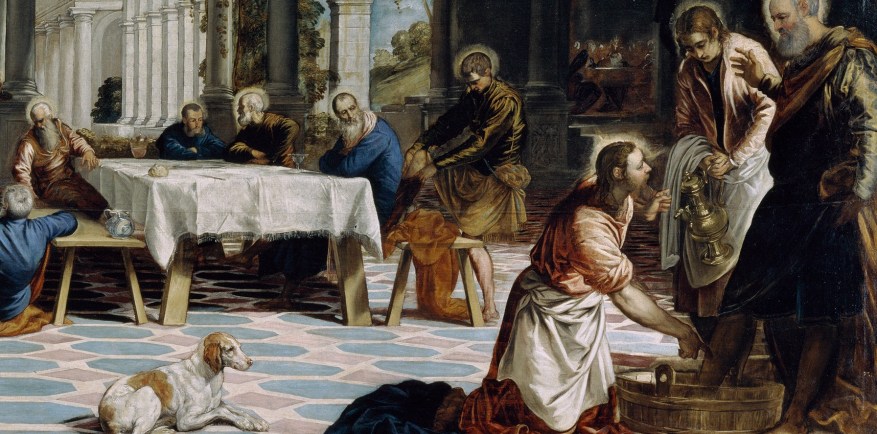
La Lavanda dei Piedi di Tintoretto: Il Capolavoro Veneziano al Prado
🇮🇹Tra i capolavori più affascinanti del Rinascimento veneziano, “La Lavanda dei Piedi” di Jacopo Tintoretto rappresenta un perfetto equilibrio tra spiritualità, innovazione compositiva e straordinaria forza narrativa… 🇬🇧Among the most fascinating masterpieces of the Venetian Renaissance, Jacopo Tintoretto’s “The Washing of the Feet” represents a perfect balance between spirituality, compositional innovation, and extraordinary narrative force…
Condividi:


Questo sono io





sostienici

Sostienici – Support Us
Se questo blog ti piace e ti appassiona, puoi aiutarci a farlo crescere sempre più sostenendoci in modo concreto condividendo i post, seguendo le pagine social e con un contributo che ci aiuta ad andare avanti con il nostro lavoro di divulgazione. . ENGLISH: If you like and are passionate about this blog, you can help us make it grow more and more by supporting us in a concrete way by sharing posts, following social pages and with a contribution that helps us to move forward with our dissemination work.
€10,00


Mi interessa molto
Vorrei ricevere sempre le vostre ” news”
"Mi piace"Piace a 1 persona
grazie, può iscriversi a questa pagina così non perderà nessuna proposta
"Mi piace""Mi piace"