
La composizione del Giudizio Universale e il tentativo di salvare l’opera del Perugino
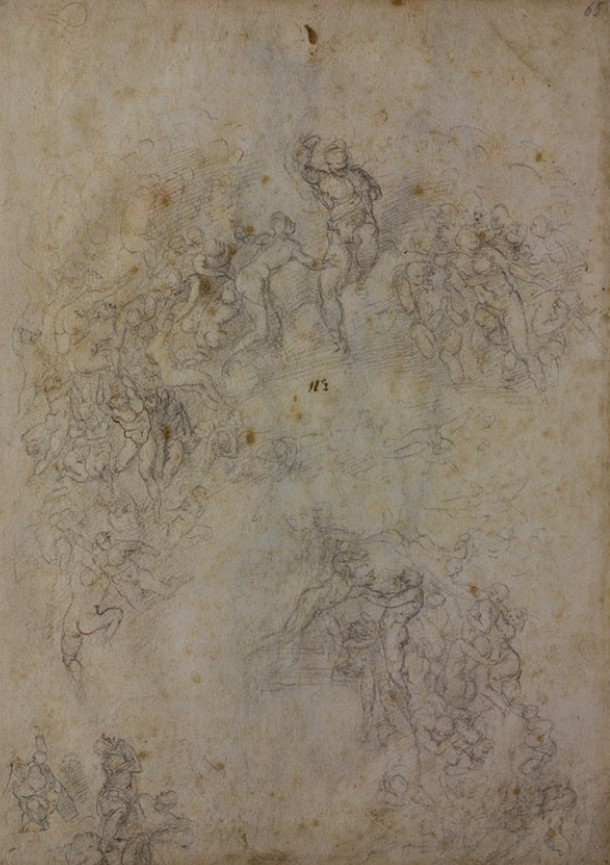
Il disegno che vi propongo oggi è lo studio generale per la composizione del Giudizio Universale che tracciai a carboncino nero e matita rossa su carta fra il 1533 e il 1534.
Dopo diversi anni dal termine del lavori per la volta della Sistina, a sessantun anni e per volere di papa Clemente VII, mi misi al lavoro per affrescare la parete dietro l’altare della Cappella Sistina.
La parete che avrei dovuto affrescare però non era priva di dipinti precedenti. Era infatti decorata con le due storie che iniziavano i due cicli laterali del secondo registro, due mie lunette con gli antenati di Cristo e, in particolare, con l’affresco centrale del Perugino che raffigurava l’Assunzione in cielo della Vergine Maria.
Fu proprio quest’ultima opera che pensai di salvare in un primo momento e il disegno che vi propongo ne è la testimonianza chiave. Guardatelo con attenzione nella parte centrale in basso: noterete l’incorniciatura della pala d’altare quattrocentesca attorno alla quale si vedono le anime dei dannati lottare contro il loro destino già segnato.

Alla fine decisi però di togliere tutte le pitture precedenti, comprese le mie, e la pala del Perugino andò distrutta per sempre.
Osservando il disegno già si può intuire che in quella fase di studio avessi già ben chiaro lo schema compositivo che poi mantenni, seppur con differenti cambiamenti.
A proposito, il disegno in questione appartiene a Casa Buonarroti.
Per il momento il vostro Michelangelo Buonarroti per il momento vi saluta dandovi appuntamento ai prossimi post e sui social.
The composition of the Last Judgment and the attempt to save Perugino’s work
The drawing I propose to you today is the general study for the composition of the Last Judgment which I traced in black charcoal and red pencil on paper between 1533 and 1534.
Several years after the completion of the work on the Sistine vault, at the age of sixty-one and at the behest of Pope Clement VII, I set to work to fresco the wall behind the altar of the Sistine Chapel.
The wall I was supposed to fresco, however, was not without previous paintings. It was in fact decorated with the two stories that began the two lateral cycles of the second register, two of my lunettes with the ancestors of Christ and in particular with the central fresco by Perugino which depicted the Assumption into heaven of the Virgin Mary by Perugino.
It was precisely this last work that I initially thought of saving and this drawing is the key testimony to this. Look at it carefully in the lower central part: you will notice the framing of the fifteenth-century altarpiece around which the souls of the damned can be seen fighting against their already sealed destiny.
In the end, however, I decided to remove all the previous paintings, including mine, and Perugino’s altarpiece was destroyed forever. Looking at the drawing, one can already understand that in that phase of study I already had a clear idea of the compositional scheme which I then maintained, albeit with different changes.
By the way, the drawing in question belongs to Casa Buonarroti.
For the moment your Michelangelo Buonarroti greets you for the moment and will meet you in the next posts and on social media.

Sostienici – Support Us
Se questo blog ti piace e ti appassiona, puoi aiutarci a farlo crescere sempre più sostenendoci in modo concreto condividendo i post, seguendo le pagine social e con un contributo che ci aiuta ad andare avanti con il nostro lavoro di divulgazione. . ENGLISH: If you like and are passionate about this blog, you can help us make it grow more and more by supporting us in a concrete way by sharing posts, following social pages and with a contribution that helps us to move forward with our dissemination work.
8,00 €
-
Noli me tangere di Federico Barocci: il capolavoro agli Uffizi che racconta l’incontro più emozionante dopo la Resurrezione
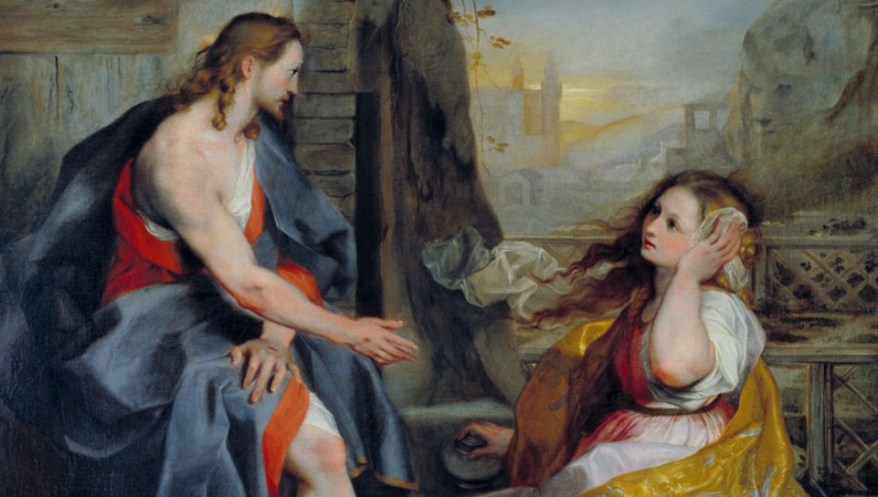
🇮🇹Nel Noli me tangere di Federico Barocci Maria Maddalena riconosce Cristo risorto e prova a toccarlo. Ma lui la ferma… 🇬🇧In Federico Barocci’s Noli Me Tangere, Mary Magdalene recognizes the risen Christ and tries to touch him. But he stops her…
-
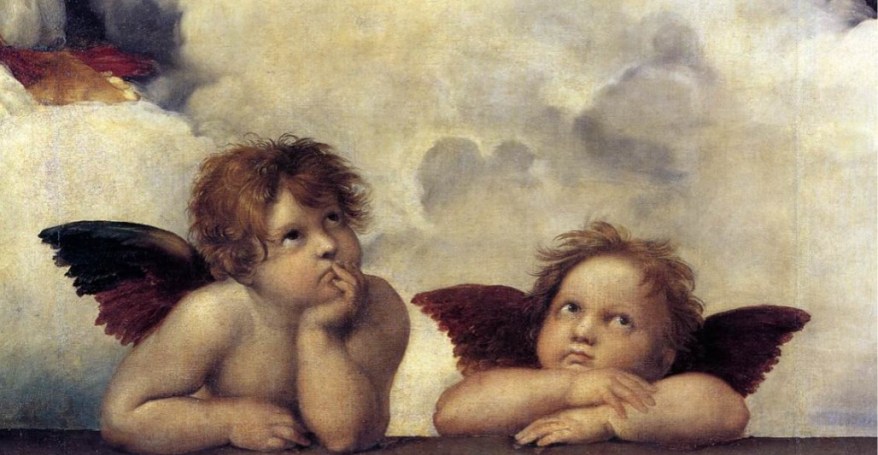
6 aprile 1520: la morte di Raffaello Sanzio e la nascita di un mito immortale
🇮🇹“Qui giace Raffaello: da lui, quando visse, la natura temette d’essere vinta, ora che egli è morto, teme di morire”. Il 6 aprile 1520 Raffaello morì a soli 37 anni… 🇬🇧“Here lies Raphael: when he lived, nature feared to be conquered by him, now that he is dead, she fears to die.” On April 6,…
-
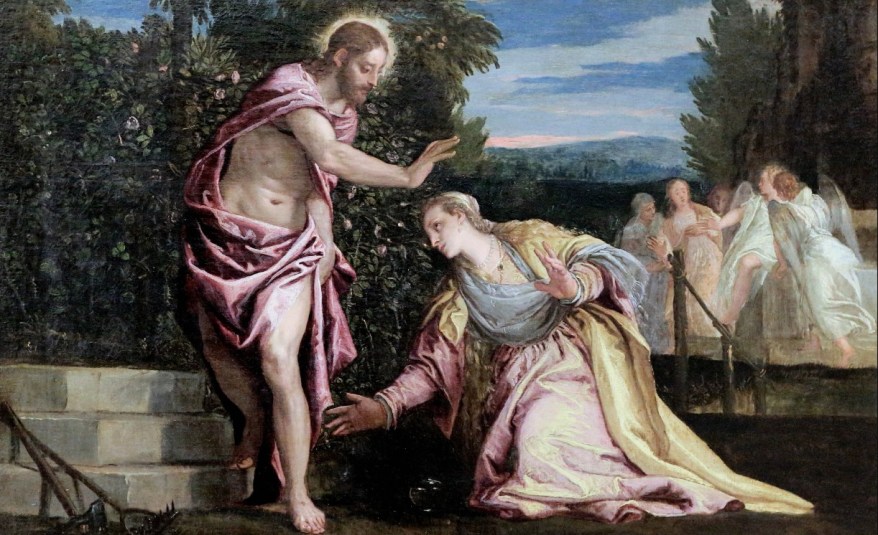
Pasquetta, tra spiritualità e arte: il significato del Lunedì dell’Angelo e i capolavori del “Noli me tangere”
🇮🇹Il Lunedì dell’Angelo racchiude uno dei momenti più intensi del Vangelo: l’incontro tra Gesù risorto e Maria Maddalena, raccontato nel celebre “Noli me tangere”. Un episodio che nei secoli ha ispirato artisti straordinari, dando vita a opere cariche di emozione, spiritualità e bellezza. .. 🇬🇧Easter Monday encompasses one of the most intense moments in the…
Condividi:


Questo sono io





sostienici

Sostienici – Support Us
Se questo blog ti piace e ti appassiona, puoi aiutarci a farlo crescere sempre più sostenendoci in modo concreto condividendo i post, seguendo le pagine social e con un contributo che ci aiuta ad andare avanti con il nostro lavoro di divulgazione. . ENGLISH: If you like and are passionate about this blog, you can help us make it grow more and more by supporting us in a concrete way by sharing posts, following social pages and with a contribution that helps us to move forward with our dissemination work.
€10,00


1 commento »