
La Scultura del giorno: i Tre Putti dormienti su pietra di paragone
La scultura del giorno che vi propongo oggi sono i Tre Putti dormienti in marmo bianco distesi su un piano in pietra di paragone con una cornice in marmo giallo di Siena.
Cos’è la pietra di paragone?
E’ conosciuta anche come pietra lidia ed è formata da calcedonio, ovvero una forma del quarzo. Fin dai tempi più remoti questo tipo di pietra nera è stata adoperata per determinare in modo approssimativo la quantità di oro puro contenuto nelle leghe e per distinguere l’oro vero da quello falso. Il suo utilizzo in pittura e in scultura è assai frequente nel periodo del Seicento e nel secolo a seguire.

I tre protagonisti dell’opera in questione assumono altrettante posizioni: un putto è supino, uno rannicchiato e l’altro adagiato su di un fianco. Per tradizione si pensa che i putti alati e dormienti possano rappresentare l’allegoria del sonno impersonata da Morfeo, Icelo e Fantaso, ovvero i figli del Sonno secondo la mitologia greca.
Il gruppo in questione è probabilmente la copia di un rilievo marmoreo assai celebre nel Seicento, scolpito nel 1597 da Gillis van den Vliete per i Mattei.

L’opera custodita presso Galleria Borghese a Roma fu acquistata dal principe Giovanni Battista Borghese, fratello minore di Paolo V, per 100 scudi nel 1609.
Non è da escludere che sia della stessa mano dello scultore Gillis van den Vliete mentre in precedenza era stata attribuita all’Algardi.
Stando alla descrizione fornita da Manilli nel 1650, l’opera in quel momento era collocata al piano superiore della Palazzina Pinciana, nella stanza del Centauro.

“Sonno, quiete d’ogni cosa, Sonno, dolcissimo fra i numi, pace dell’animo, che disperdi gli affanni e rianimi i corpi oppressi dal lavoro e li ritempri per nuove fatiche”
Ovidio, le Metamorfosi, libro XI
Per il momento il vostro Michelangelo Buonarroti vi saluta dandovi appuntamento ai prossimi post e sui social.

Sculpture of the day: the Three Sleeping Putti on a Touchstone
The sculpture of the day that I propose to you today is the Three Sleeping Putti in white marble lying on a touchstone surface with a frame in yellow Siena marble.
What is the touchstone? It is also known as Lydian stone and is made up of chalcedony, which is a form of quartz. Since ancient times, this type of black stone has been used to approximately determine the quantity of pure gold contained in alloys and to distinguish real gold from fake gold. Its use in painting and sculpture was very frequent in the seventeenth century and in the following century.
The three protagonists of the work in question assume as many positions: one putto is supine, one curled up and the other lying on its side. Traditionally it is thought that the winged and sleeping putti could represent the allegory of sleep personified by Morpheus, Icelo and Fantaso, or the children of Sleep according to Greek mythology.
The group in question is probably a copy of a very famous marble relief from the seventeenth century. It had been sculpted in 1597 by Gillis van den Vliete for the Mattei family.
The work kept at the Galleria Borghese in Rome was purchased by Prince Giovanni Battista Borghese, younger brother of Paul V, for 100 scudi in 1609. It cannot be ruled out that it is by the same hand as the sculptor Gillis van den Vliete while it had previously been attributed at Algardi.
According to the description provided by Manilli in 1650, the work at that time was located on the upper floor of the Palazzina Pinciana, in the Centaur room.
“O, Sleep, divine repose of all things! Gentlest of the deities! Peace to the troubled mind, from which you drive the cares of life, restorer of men’s strength when wearied with the toils of day”
Ovid, the Metamorphoses.
For the moment, your Michelangelo Buonarroti greets you and will meet you in future posts and on social media.

Sostienici – Support Us
Se questo blog ti piace e ti appassiona, puoi aiutarci a farlo crescere sempre più sostenendoci in modo concreto condividendo i post, seguendo le pagine social e con un contributo che ci aiuta ad andare avanti con il nostro lavoro di divulgazione. . ENGLISH: If you like and are passionate about this blog, you can help us make it grow more and more by supporting us in a concrete way by sharing posts, following social pages and with a contribution that helps us to move forward with our dissemination work.
8,00 €
-
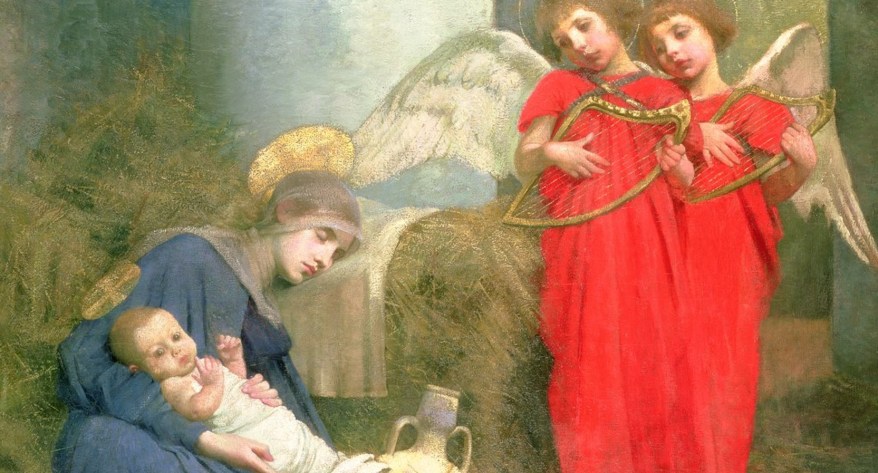
Marianne Stokes, la Madonna si addormenta e due angeli suonano per Gesù Bambino
🇮🇹Marianne Stokes dipinge una Natività speciale: Maria riposa, Gesù Bambino è sveglio e due angeli suonano per lui. Scopri il significato del dipinto del 1893… 🇬🇧Marianne Stokes paints a unique Nativity: Mary rests, the infant Jesus is awake, and two angels play music for him. Discover the meaning behind this 1893 painting…
-
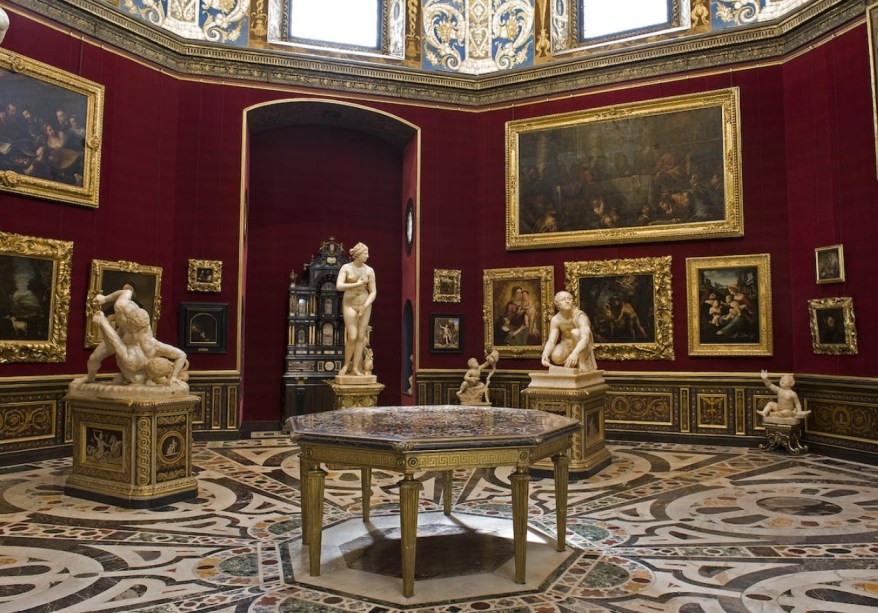
Prima dei musei esistevano le Wunderkammer: le stanze delle meraviglie dove si collezionava il mondo intero
🇮🇹Prima dei musei c’erano le Wunderkammer: stanze delle meraviglie piene di fossili, animali rari, opere d’arte e oggetti esotici. La loro storia… 🇬🇧Before museums, there were *Wunderkammer*—cabinets of curiosities filled with fossils, rare animals, works of art, and exotic objects. Their history…
-
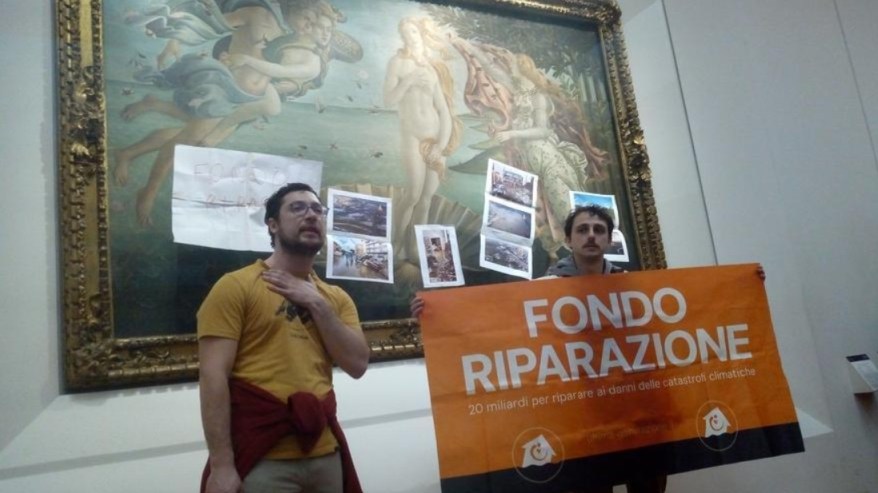
Uffizi, 140mila euro di multe a Ultima Generazione: nel mirino le proteste davanti ai capolavori di Botticelli
🇮🇹Ultima Generazione, 140mila euro di multe per le proteste agli Uffizi davanti alla Nascita di Venere e alla Primavera di Botticelli. Gli attivisti annunciano ricorso… 🇬🇧Ultima Generazione faces 140,000 euros in fines for protests at the Uffizi Gallery, held in front of Botticelli’s The Birth of Venus and Primavera. The activists have announced they will…
Condividi:


Questo sono io





sostienici

Sostienici – Support Us
Se questo blog ti piace e ti appassiona, puoi aiutarci a farlo crescere sempre più sostenendoci in modo concreto condividendo i post, seguendo le pagine social e con un contributo che ci aiuta ad andare avanti con il nostro lavoro di divulgazione. . ENGLISH: If you like and are passionate about this blog, you can help us make it grow more and more by supporting us in a concrete way by sharing posts, following social pages and with a contribution that helps us to move forward with our dissemination work.
€10,00


