
A quindici anni scolpivo come un maestro e vi spiego il perchè
Fin da giovanissimo avevo ben chiaro come usare scalpelli e gradine: basta osservare con attenzione le mie prime opere scultoree per rendersene conto.
In tutte le scultore, comprese quelle giovanili custodite a Casa Buonarroti, è evidente quale fosse il modo che avevo di operare sul marmo per creare ombreggiature e zone luminose come se stessi dipingendo.
Spesso è stato detto che dipingendo scolpivo ma vale anche il contrario: trattavo il marmo come se avessi fra le mani una tela.
Creavo superfici ruvide usando gradine a tre o cinque denti che si alternavano a zone molto più levigate per creare ombreggiature più o meno nette a seconda dell’effetto tridimensionale che volevo creare.
Di casuale non c’è mai niente in un’opera, soprattutto se come le mie fu fatta fra la fine del Quattrocento e il secolo a seguire.
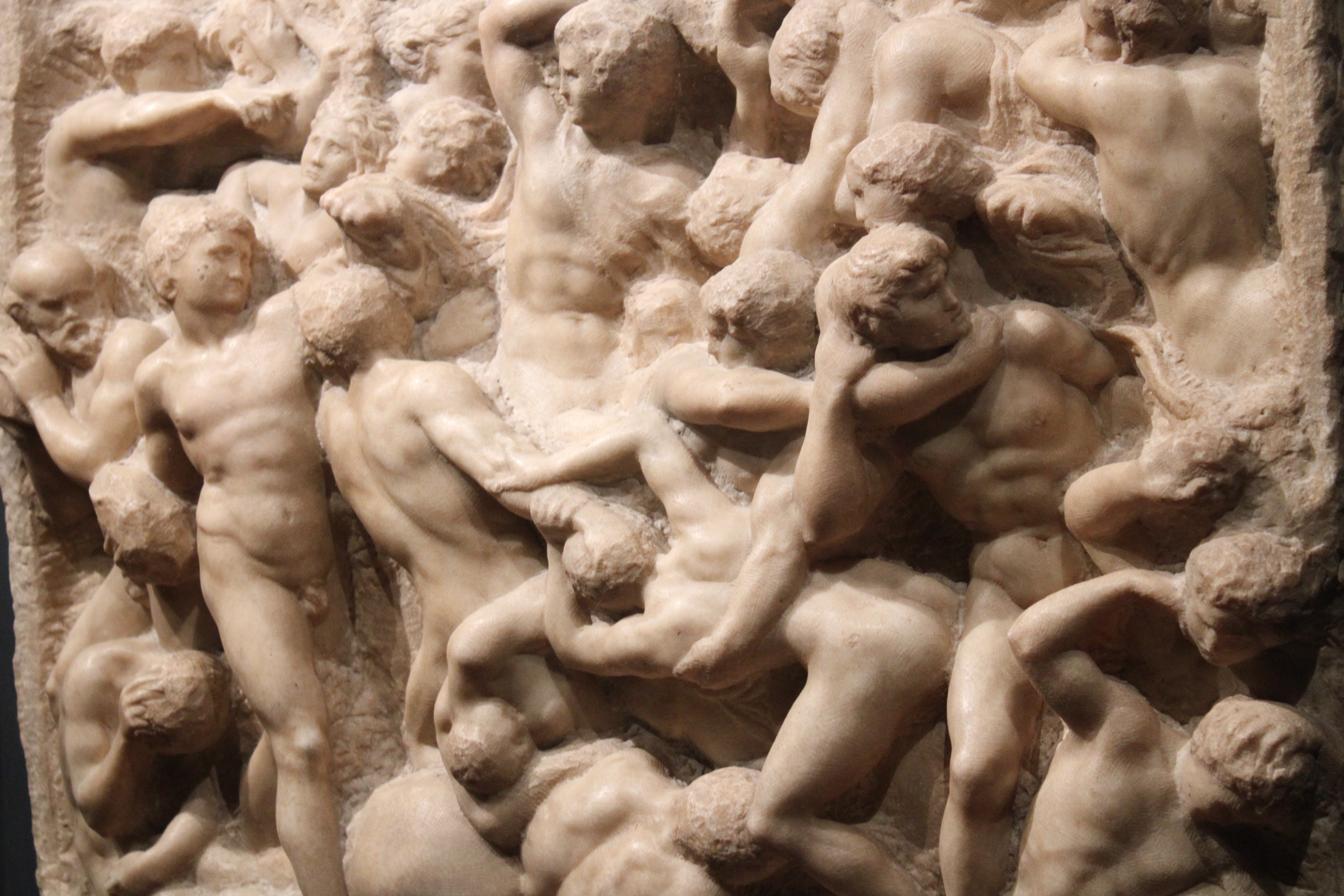
Osservate per esempio la Battaglia dei Centauri prestando particolare attenzione ai passaggi fra le zone che meglio riflettono la luce e quelle che le assorbono.
Pensate che all’epoca avevo solo 17 anni ma già sapevo destreggiarmi come un maestro con gli strumenti del mestiere e soprattutto con gli effetti che potevo dare al marmo mediante il differente trattamento delle superfici.
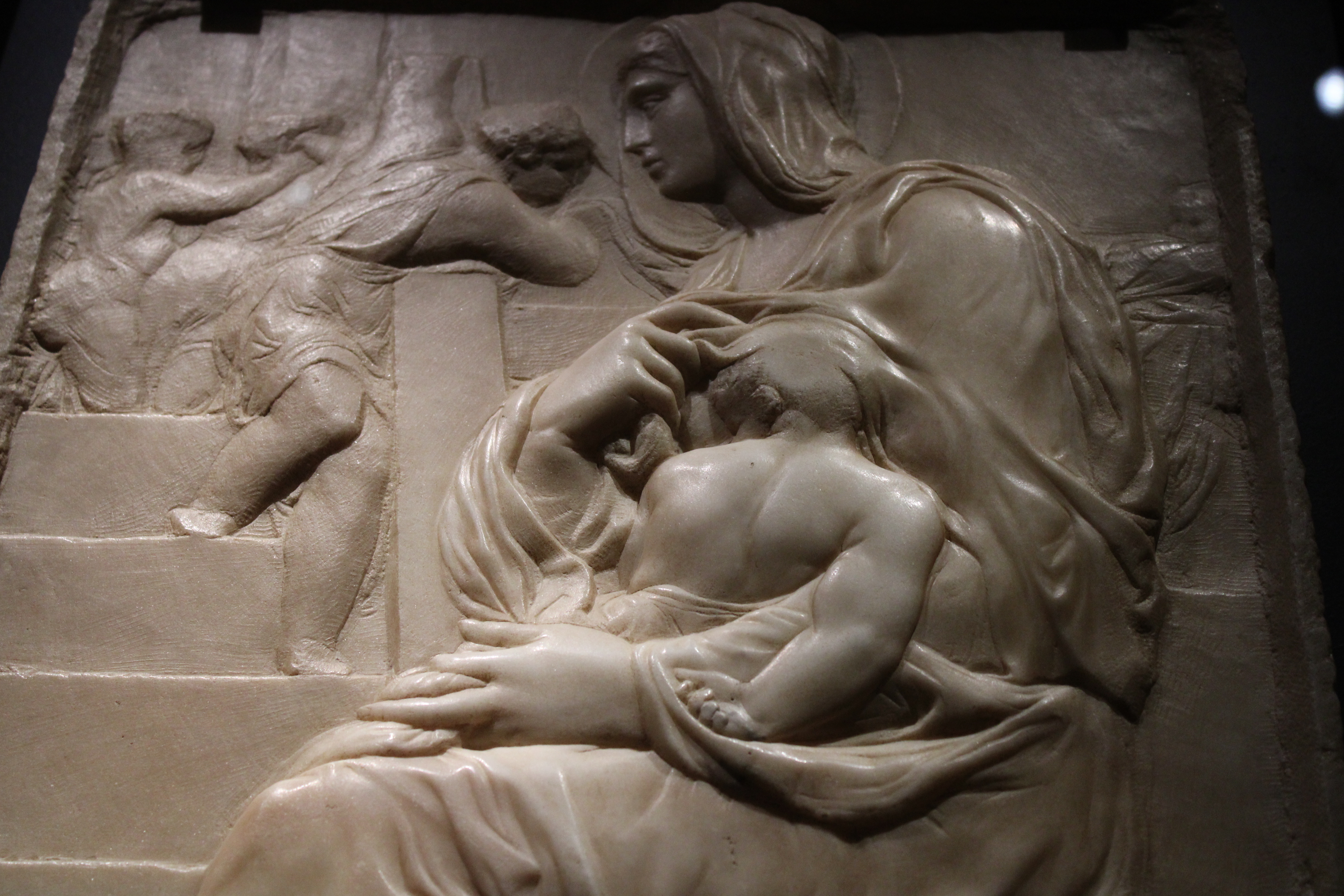
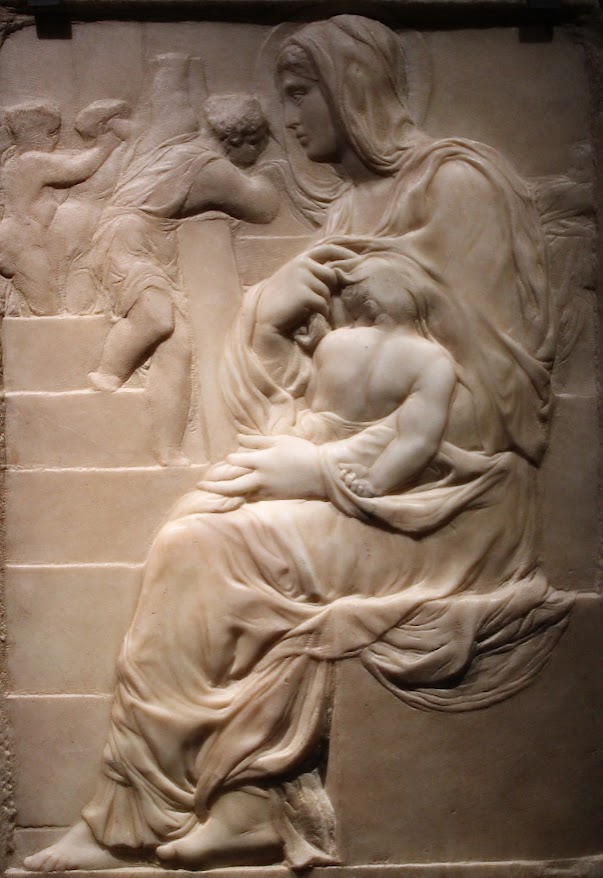
Stessa cosa vale per la Madonna della Scala alla quale lavorai un paio di anni prima, a quindici anni. In pochi centimetri di spessore fui capace di dar forma a un’opera in cui i diversi trattamenti della superficie contribuiscono a incrementare.
Anche nelle sculture successive la questione rimane identica. Pensate alla Vergine e al Cristo della Pietà Vaticana: tanto levigati da renderli riflettente come uno specchio ma che contrastano in modo netto con la superficie più scabra della roccia su cui la Madonna siede.
Per il momento il vostro Michelangelo Buonarroti vi saluta dandovi appuntamento ai prossimi post e sui social.
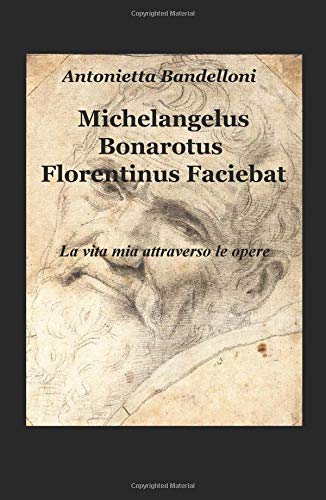
At fifteen I sculpted like a master and I’ll explain why
From a very young age I had a clear understanding of how to use chisels and steps and you only need to carefully observe my first sculptural works to realize this.
In all the sculptors, including the youthful ones kept at Casa Buonarroti, it is clear what was the way I worked on the marble to create shadows and bright areas as if I were painting.
It has often been said that when I painted I sculpted but the opposite is also true: I treated the marble as if I had a canvas in my hands.
I created rough surfaces using steps with three or five teeth that alternated with much smoother areas to create more or less clear shadows depending on the three-dimensional effect I wanted to create.
There is never anything casual about a work, especially if, like mine, it was made between the end of the fifteenth century and the following century.
For example, observe the Battle of the Centaurs, paying particular attention to the transitions between the areas that best reflect light and those that absorb it. Consider that I was only 17 years old at the time but I already knew how to juggle like a master with the tools of the trade and above all with the effects that I could give to the marble through the different surface treatments.
The same thing goes for the Madonna della Scala on which I worked a couple of years earlier, when I was fifteen. In a few centimeters of thickness I was able to give shape to a work in which the different surface treatments contribute to increasing
Even in subsequent sculptures the question remains identical. Think of the Virgin and Christ of the Vatican Pietà: so smooth as to make them reflective like a mirror but which contrast sharply with the rougher surface of the rock on which the Madonna sits.
For the moment, your Michelangelo Buonarroti greets you and will meet you in future posts and on social media.

Sostienici – Support Us
Se questo blog ti piace e ti appassiona, puoi aiutarci a farlo crescere sempre più sostenendoci in modo concreto condividendo i post, seguendo le pagine social e con un contributo che ci aiuta ad andare avanti con il nostro lavoro di divulgazione. . ENGLISH: If you like and are passionate about this blog, you can help us make it grow more and more by supporting us in a concrete way by sharing posts, following social pages and with a contribution that helps us to move forward with our dissemination work.
8,00 €
-
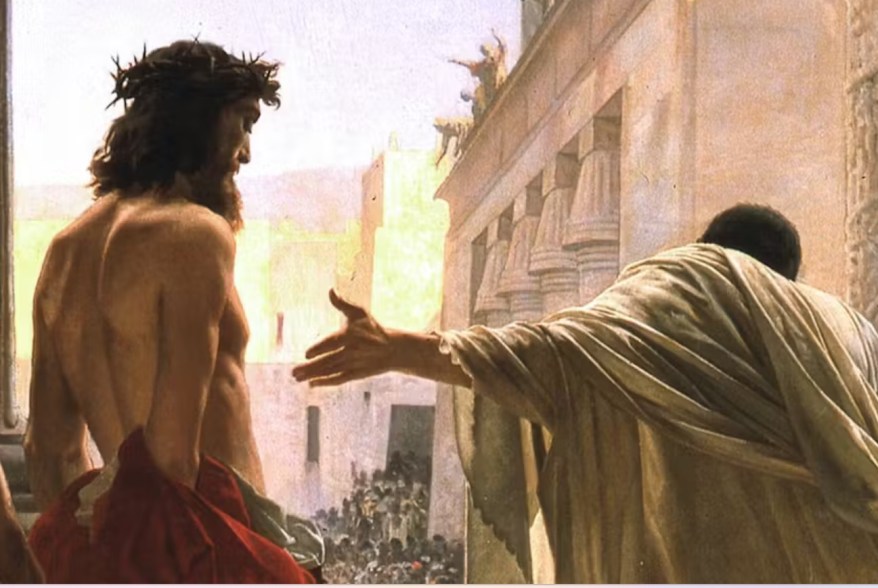
Venerdì Santo: gli “Ecce Homo” più intensi della storia dell’arte
🇮🇹Ecce Homo. Da Antonello da Messina a Tintoretto, fino al sorprendente capolavoro di Antonio Ciseri, questo soggetto ha attraversato i secoli raccontando dolore, umanità e coscienza… 🇬🇧Ecce Homo. From Antonello da Messina to Tintoretto, to Antonio Ciseri’s astonishing masterpiece, this subject has spanned the centuries, recounting pain, humanity, and conscience…
-
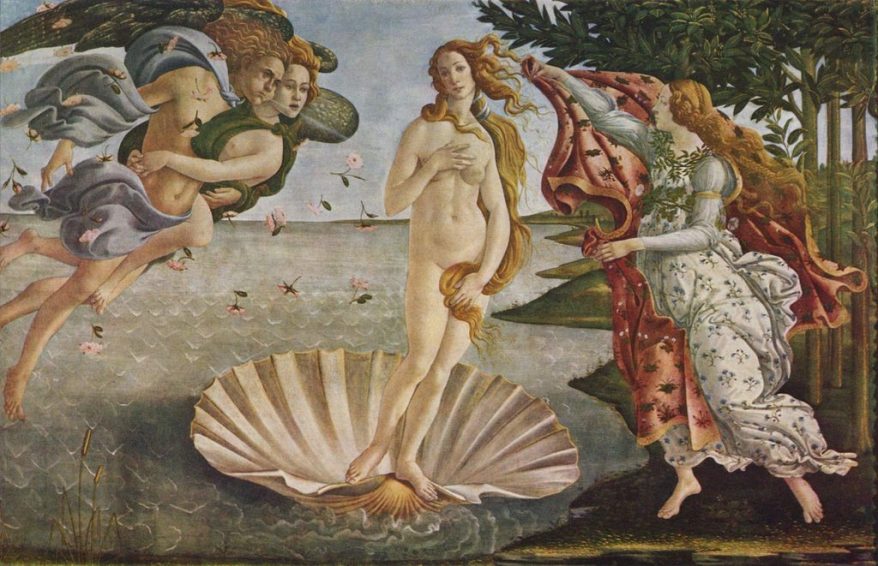
Attacco hacker agli Uffizi: rubati dati sensibili, mappe e codici di sicurezza
🇮🇹Attacco hacker alle Gallerie degli Uffizi: rubati dati sensibili, mappe e sistemi di sicurezza. A rischio opere, archivi e cybersicurezza del patrimonio artistico… 🇬🇧Hacker attack on the Uffizi Galleries: sensitive data, maps, and security systems stolen. Works of art, archives, and the cybersecurity of the artistic heritage are at risk…
-
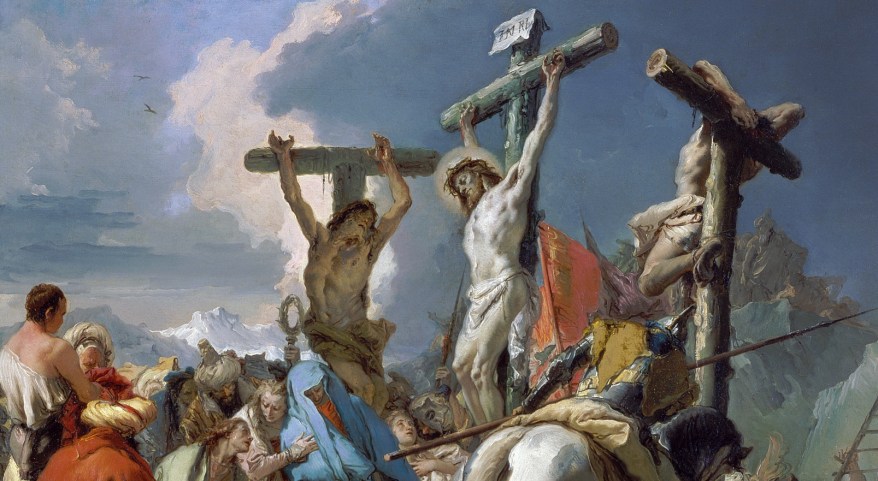
Venerdì Santo: la Crocifissione secondo Tiepolo
🇮🇹Nel giorno del Venerdì Santo, c’è un’opera che riesce ancora a scuotere lo sguardo. La Crocifissione di Giambattista Tiepolo non è come le altre: niente simmetrie perfette, niente distanza. Qui si entra dentro la scena, da un punto di vista obliquo, tra movimento, tensione e umanità… 🇬🇧On Good Friday, there’s a work that still manages…
Condividi:


Questo sono io





sostienici

Sostienici – Support Us
Se questo blog ti piace e ti appassiona, puoi aiutarci a farlo crescere sempre più sostenendoci in modo concreto condividendo i post, seguendo le pagine social e con un contributo che ci aiuta ad andare avanti con il nostro lavoro di divulgazione. . ENGLISH: If you like and are passionate about this blog, you can help us make it grow more and more by supporting us in a concrete way by sharing posts, following social pages and with a contribution that helps us to move forward with our dissemination work.
€10,00


