

Il Magnifico, la mancanza di scultori e la sua fucina di talenti
Lorenzo il Magnifico negli anni ottanta del Quattrocento s’era reso conto che aveva a disposizione eccellenti pittori sui quali poter fare affidamento ma che era molto difficile reperire bravi scultori.
Quelli che sapevano lavorare il marmo e fondere il bronzo erano pochi e quella scarsità di talenti era per lui un cruccio non da poco.
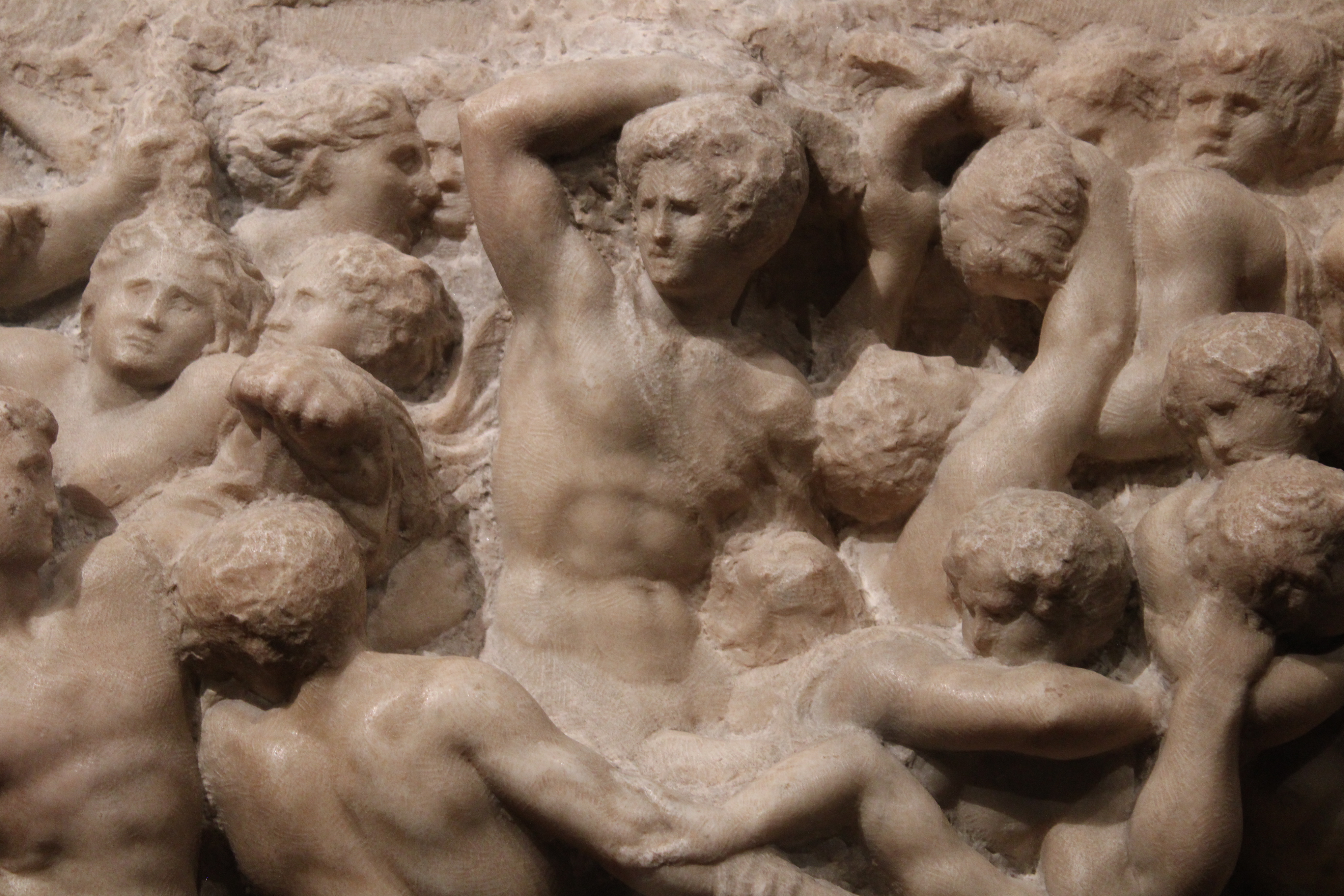
Il 22 luglio del 1489, Pietro Alemanni, ambasciatore fiorentino in quel di Milano, chiese a Lorenzo de’ Medici di inviargli scultori da mettere all’opera per il monumento equestre di Francesco Sforza che Lodovico il Moro aveva commissionato a Leonardo.
Qualche settimana dopo il Magnifico rispose scrivendo in una lettera che non aveva a disposizione scultori che lo soddisfacessero da potergli mandare: “In efecto qui non truovo maestro che mi satisfaccia. non deverra mancharne alla excellentia sua, alla quale fate intendere questa charestia et manchamento che mi duole assai”.
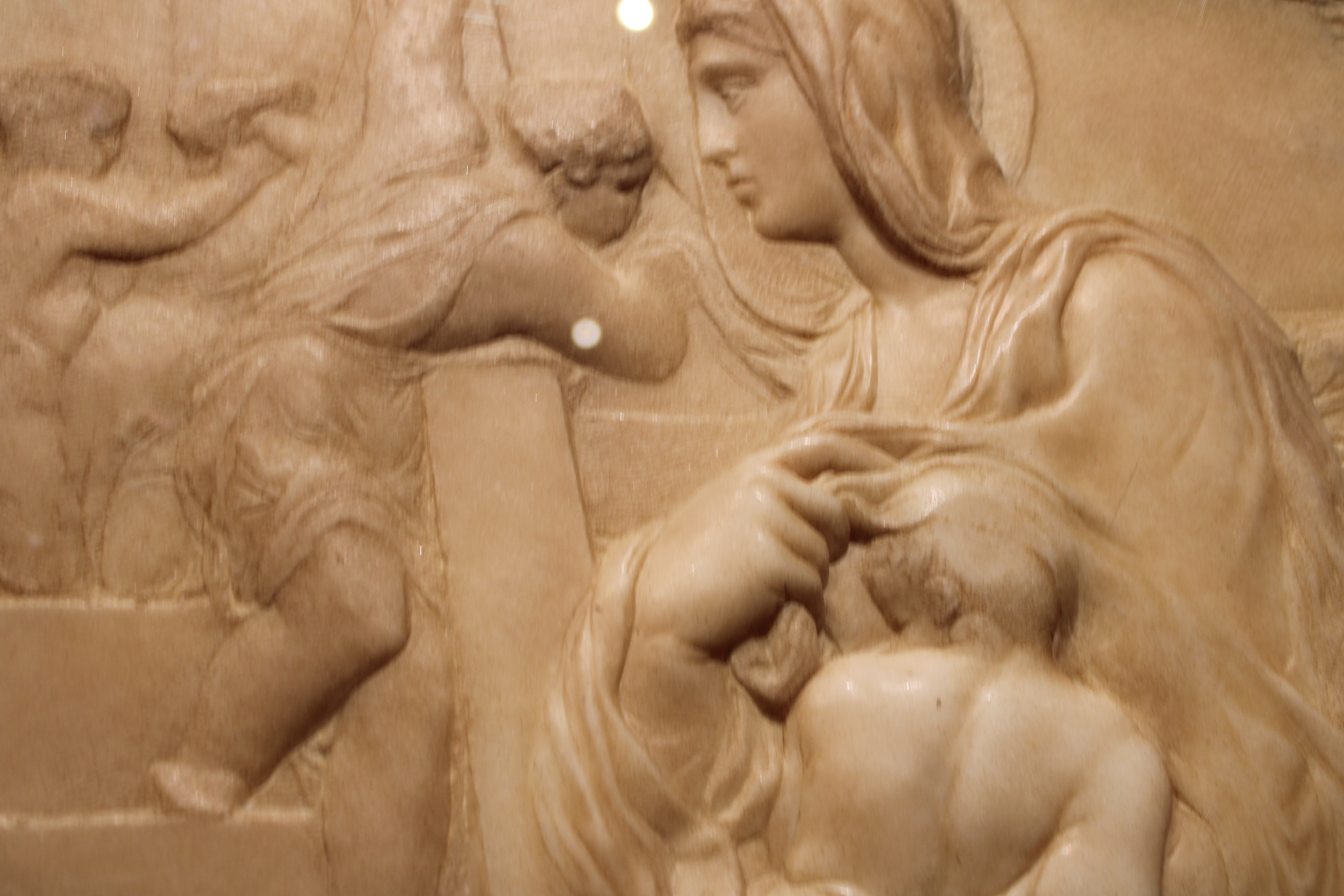
Mancavano fonditori che sapessero lavorare opere di grandi dimensioni e gli scultori erano pochi.
C’era Bertoldo di Giovanni che era un bravo fonditore ma lavorava su piccola scala, il grande Donatello era morto nel 1466 e il Pollaiuolo era a Roma, impegnato nel realizzare la tomba di Sisto IV.
Il Verrocchio, pure lui, era morto nel 1488. C’era l’impellente necessità di formare nuovi talenti. Ne era consapevole anche il Poliziano che da tempo frequentava assiduamente la corte del Magnifico.
Il Giardino di San Marco fu così trasformato in una vera e propria fucina di giovani talenti, sotto l’attenta guida di Bertoldo di Giovanni che a sua volta era stato il più promettente allievo diretto di Donatello.
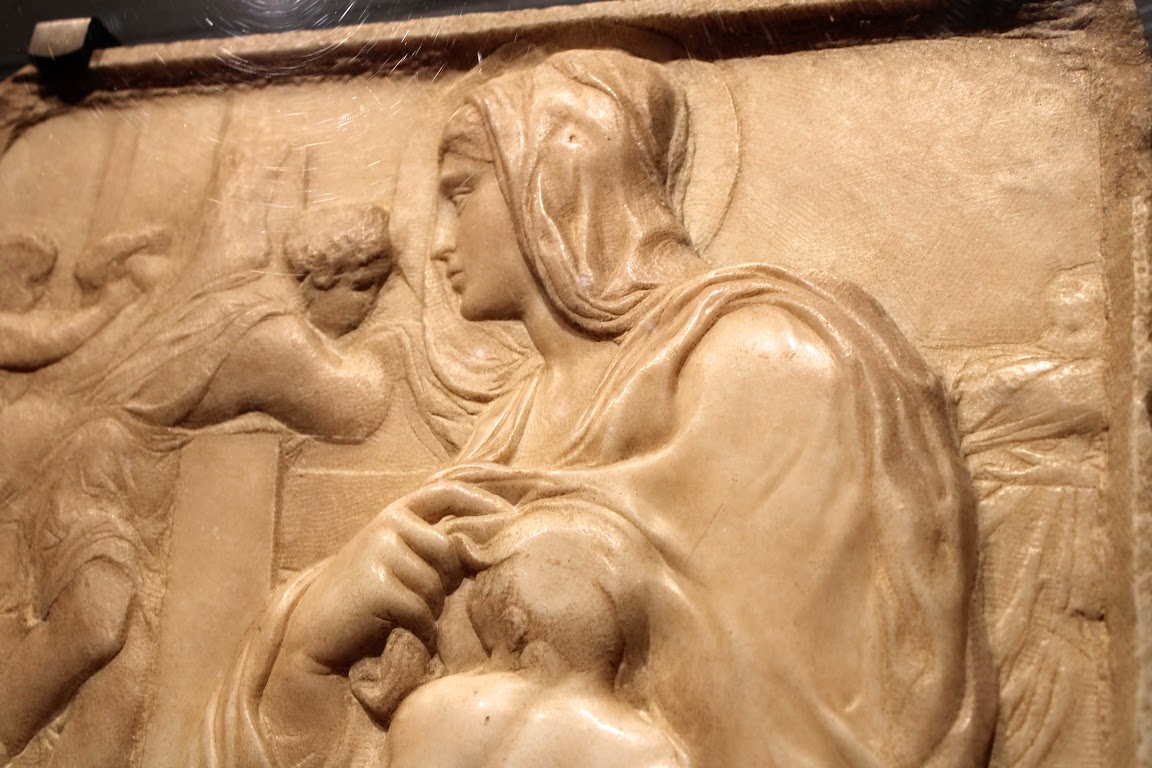
Per avviare quell’accademia delle belle arti ante litteram e reperire i talenti da far studiare, il Magnifico si rivolse alla bottega di Domenico Ghirlandaio che fra i ragazzi che lavoravano presso di lui gli consigliò fra gli altri, di prendere a studiare anche me e il mio amico Granacci.
Fu così che iniziai ad assestare i primi colpi di mazzuolo sulla subbia per veder saltar via schegge di marmo ovunque: le stesse che mi avrebbero accompagnato per il resto della vita.
Per il momento il vostro Michelangelo Buonarroti vi saluta dandovi appuntamento i prossimi post e sui social.
The Magnificent, the lack of sculptors and its hotbed of talent
Lorenzo the Magnificent in the 1480s had realized that he had excellent painters available on whom he could rely but that it was very difficult to find good sculptors.
Those who knew how to work marble and cast bronze were few and that lack of talent was a major worry for him.
On 22 July 1489, Pietro Alemanni, Florentine ambassador to Milan, asked Lorenzo de’ Medici to send him sculptors to work on the equestrian monument of Francesco Sforza that Lodovico il Moro had commissioned from Leonardo.
A few weeks later the Magnifico responded by writing in a letter that he had no sculptors available who satisfied him that he could send to him: “In fact, here I cannot find a master who satisfies me. there must be no shortage of it to his Excellency, to whom you make clear this chastia and lack which pains me greatly.”
There was a lack of foundrymen who knew how to work large-scale works and there were few sculptors. There was Bertoldo di Giovanni who was a good foundryman but worked on a small scale, the great Donatello had died in 1466 and Pollaiuolo was in Rome, busy building the tomb of Sixtus IV.
Verrocchio, too, had died in 1488. There was an urgent need to train new talents. Even Poliziano, who had been assiduously frequenting the court of the Magnificent for some time, was aware of this.
The Garden of San Marco was thus transformed into a true hotbed of young talent, under the careful guidance of Bertoldo di Giovanni who in turn had been Donatello’s most promising direct pupil.
To start that ante litteram academy of fine arts and find the talents to be studied, the Magnificent turned to the workshop of Domenico Ghirlandaio who, among the boys who worked at him, advised him, among others, to take me and the my friend Granacci.
Thus it was that I began to land the first blows of the mallet on the slat to see splinters of marble pop out everywhere: the same ones that would accompany me for the rest of my life.
For the moment, your Michelangelo Buonarroti greets you and will meet you in the next posts and on social media.

Sostienici – Support Us
Se questo blog ti piace e ti appassiona, puoi aiutarci a farlo crescere sempre più sostenendoci in modo concreto condividendo i post, seguendo le pagine social e con un contributo che ci aiuta ad andare avanti con il nostro lavoro di divulgazione. . ENGLISH: If you like and are passionate about this blog, you can help us make it grow more and more by supporting us in a concrete way by sharing posts, following social pages and with a contribution that helps us to move forward with our dissemination work.
8,00 €
-
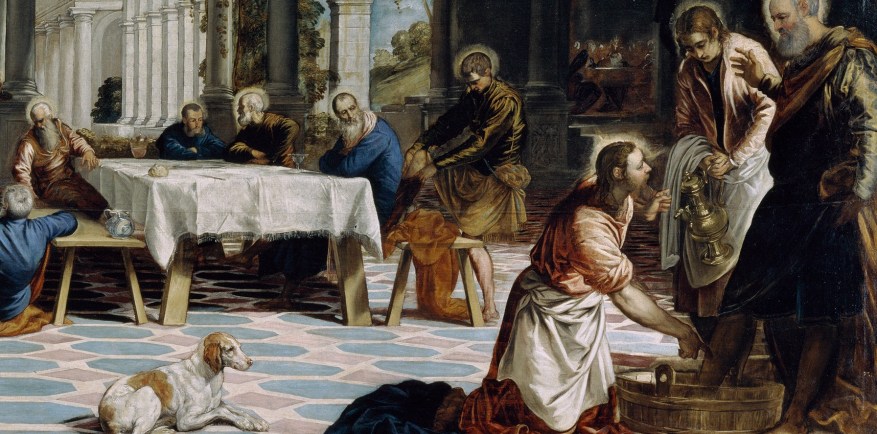
La Lavanda dei Piedi di Tintoretto: Il Capolavoro Veneziano al Prado
🇮🇹Tra i capolavori più affascinanti del Rinascimento veneziano, “La Lavanda dei Piedi” di Jacopo Tintoretto rappresenta un perfetto equilibrio tra spiritualità, innovazione compositiva e straordinaria forza narrativa… 🇬🇧Among the most fascinating masterpieces of the Venetian Renaissance, Jacopo Tintoretto’s “The Washing of the Feet” represents a perfect balance between spirituality, compositional innovation, and extraordinary narrative force…
-
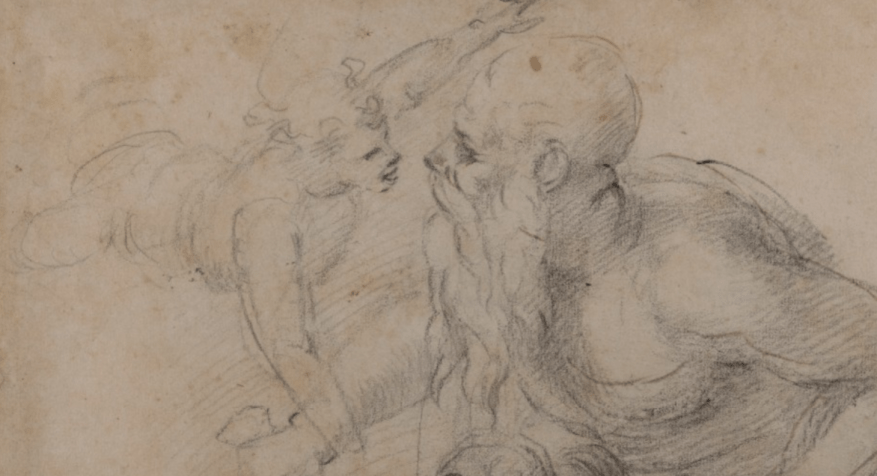
Il Sacrificio di Isacco e quel momento tra la vita e la morte
🇮🇹Oggi voglio raccontarvi alcuni dettagli sul mio disegno del Sacrificio di Isacco, conservato oggi a Casa Buonarroti. Su quel foglio volli tracciare il momento preciso in cui la paura fa spazio al miracolo… 🇬🇧Today I want to tell you some details about my drawing of the Sacrifice of Isaac, now preserved at Casa Buonarroti. On…
-
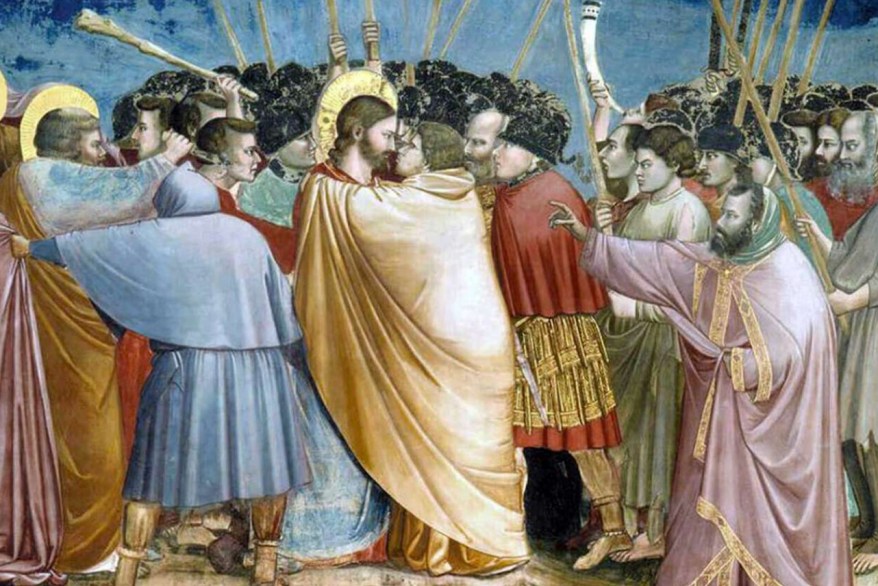
Mercoledì Santo: il giorno del tradimento di Giuda affrescato da Giotto
🇮🇹Il Mercoledì Santo è il giorno del silenzio, della riflessione e del tradimento. È il momento in cui Giuda sceglie di vendere Gesù per trenta denari, segnando uno dei passaggi più dolorosi della Settimana Santa…. 🇬🇧Holy Wednesday is a day of silence, reflection, and betrayal. ✝It is the moment when Judas chooses to sell Jesus…
Condividi:


Questo sono io





sostienici

Sostienici – Support Us
Se questo blog ti piace e ti appassiona, puoi aiutarci a farlo crescere sempre più sostenendoci in modo concreto condividendo i post, seguendo le pagine social e con un contributo che ci aiuta ad andare avanti con il nostro lavoro di divulgazione. . ENGLISH: If you like and are passionate about this blog, you can help us make it grow more and more by supporting us in a concrete way by sharing posts, following social pages and with a contribution that helps us to move forward with our dissemination work.
€10,00


