
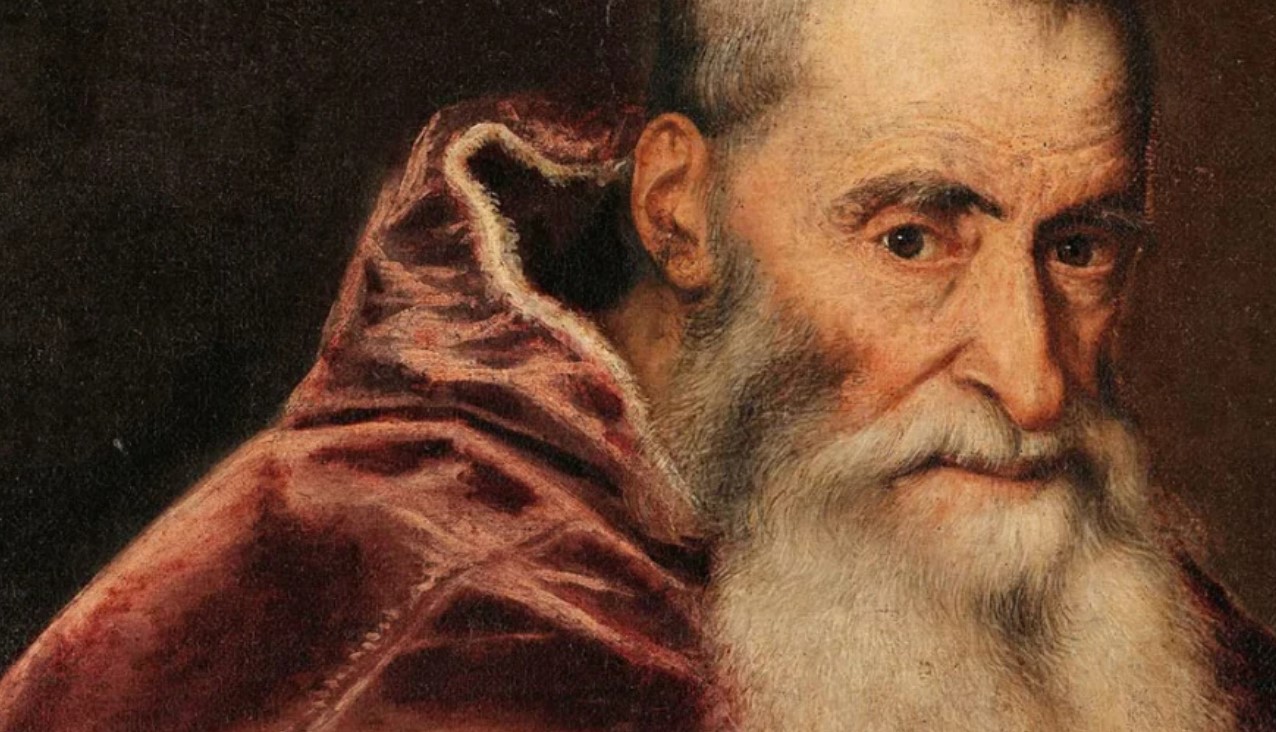
10 novembre 1549: muore papa Paolo III Farnese
Il 10 novembre del 1549, dopo quindici anni di pontificato, passò a miglior vita papa Paolo III Farnese e le sue spoglie furono tumulate nella basilica di San Pietro in Vaticano.
Papa Paolo III, al secolo Alessandro Farnese, era nato il 28 febbraio del 1468 a Canino, in provincia di Viterbo, Alessandro Farnese e salì al soglio di Pietro nel 1534 succedendo a Clemente VII de’ Medici.
Fu sotto il suo pontificato che affrescai il Giudizio Universale. O meglio, la commissione mi era stata affidata dal predecessore Clemente VII ma lui la riconfermò in data 1 settembre 1535 con una breve.
Nella stessa breve mise nero su bianco che mi avrebbe garantito una rendita a vita di 600 scudi all’anno, fino ad allora incassati da Francesco Burla. Questi soldi sarebbero confluiti direttamente nei miei averi dal dazio che veniva imposto a chi attraversava il ponte di barche realizzato sul Po, all’altezza di Piacenza.

Fu sempre papa Paolo III Farnese a commissionarmi i due affreschi per la Cappella Paolina, la cappella privata del pontefice che proprio lui s’era prodigato nel far costruire all’interno del Palazzo Apostolico.
In verità avrei dovuta affrescarla tutta ma poi passò a miglior vita, gli anni avanzarono anche per me così mi limitai a portare a termine l’affresco della Crocifissione di San Pietro e quello della Conversione di Saulo.
Per il momento il sempre vostro Michelangelo Buonarroti i saluta dandovi appuntamento ai prossimi post e sui social.

10 November 1549: Pope Paul III Farnese dies
On 10 November 1549, after fifteen years of pontificate, Pope Paul III Farnese passed away and his remains were buried in St. Peter’s Basilica in the Vatican.
Pope Paul III, born Alessandro Farnese, was born on 28 February 1468 in Canino, in the province of Viterbo, Alessandro Farnese and ascended the throne of Peter in 1534, succeeding Clement VII de’ Medici.
It was under his pontificate that I frescoed the Last Judgment. Or rather, the commission had been entrusted to me by my predecessor Clement VII but he reconfirmed it on 1 September 1535 with a brief.
In the same brief he put down in black and white that he would guarantee me a lifetime income of 600 scudi a year, until then collected by Francesco Burla. This money would have flowed directly into my assets from the duty that was imposed on those who crossed the pontoon bridge built over the Po, near Piacenza.
It was also Pope Paul III Farnese who commissioned the two frescoes for the Cappella Paolina, the private chapel of the pontiff which he himself had done his utmost to have built inside the Apostolic Palace. In truth I should have frescoed it entirely but then it passed away, the years advanced for me too and I limited myself to completing the frescoes of the Crucifixion of Saint Peter and that of the Conversion of Saul.
For the moment, your always Michelangelo Buonarroti greets you and will meet you in the next posts and on social media.

Sostienici – Support Us
Se questo blog ti piace e ti appassiona, puoi aiutarci a farlo crescere sempre più sostenendoci in modo concreto condividendo i post, seguendo le pagine social e con un contributo che ci aiuta ad andare avanti con il nostro lavoro di divulgazione. . ENGLISH: If you like and are passionate about this blog, you can help us make it grow more and more by supporting us in a concrete way by sharing posts, following social pages and with a contribution that helps us to move forward with our dissemination work.
8,00 €
-
Giovedì Santo: l’Ultima Cena di Allori che pochi conoscono a Firenze
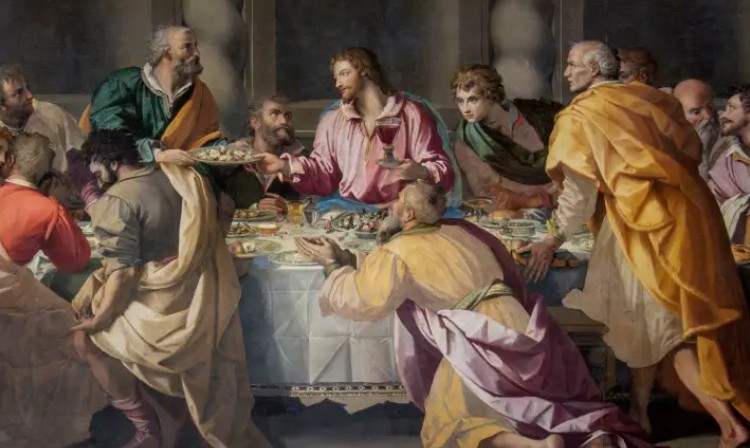
🇮🇹Nel cuore di Museo di Santa Maria Novella, a Firenze, si conserva una delle interpretazioni più affascinanti e meno note dell’Ultima Cena: quella realizzata da Alessandro Allori nel 1584… 🇬🇧In the heart of the Santa Maria Novella Museum in Florence, one of the most fascinating and least-known interpretations of the Last Supper is preserved: the…
-
Cenacolo di Leonardo: i dettagli che raccontano il tradimento
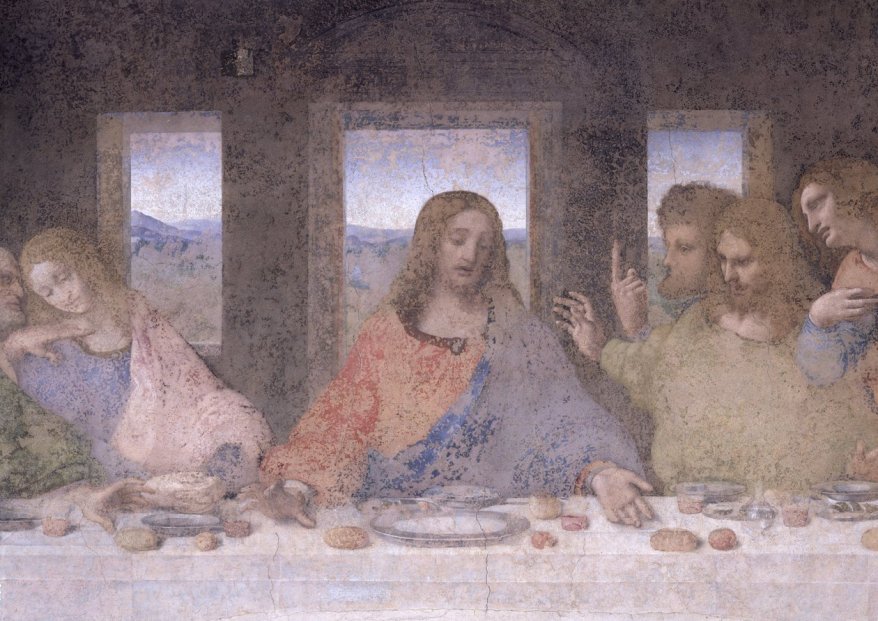
🇮🇹Nel Cenacolo di Leonardo da Vinci, custodito a Santa Maria delle Grazie, Cristo annuncia il tradimento e il tempo si ferma… 🇬🇧In Leonardo da Vinci’s Last Supper, housed in Santa Maria delle Grazie, Christ announces the betrayal and time stands still…
-
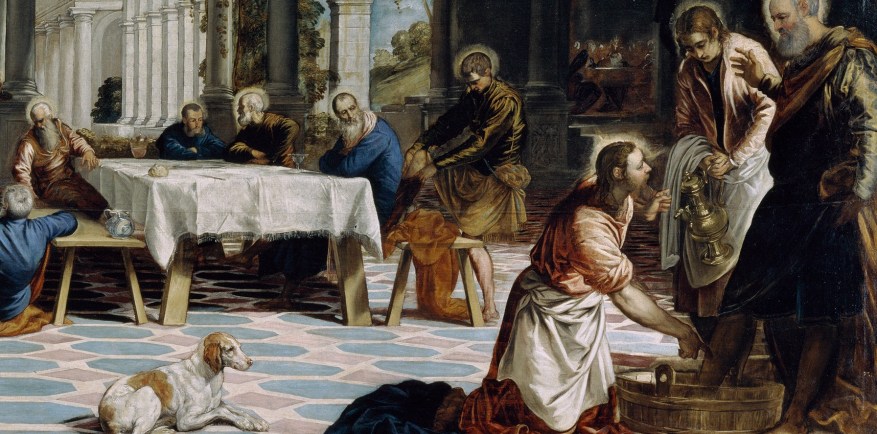
La Lavanda dei Piedi di Tintoretto: Il Capolavoro Veneziano al Prado
🇮🇹Tra i capolavori più affascinanti del Rinascimento veneziano, “La Lavanda dei Piedi” di Jacopo Tintoretto rappresenta un perfetto equilibrio tra spiritualità, innovazione compositiva e straordinaria forza narrativa… 🇬🇧Among the most fascinating masterpieces of the Venetian Renaissance, Jacopo Tintoretto’s “The Washing of the Feet” represents a perfect balance between spirituality, compositional innovation, and extraordinary narrative force…
Condividi:


Questo sono io





sostienici

Sostienici – Support Us
Se questo blog ti piace e ti appassiona, puoi aiutarci a farlo crescere sempre più sostenendoci in modo concreto condividendo i post, seguendo le pagine social e con un contributo che ci aiuta ad andare avanti con il nostro lavoro di divulgazione. . ENGLISH: If you like and are passionate about this blog, you can help us make it grow more and more by supporting us in a concrete way by sharing posts, following social pages and with a contribution that helps us to move forward with our dissemination work.
€10,00


