

La Scultura del giorno: Sileno e Bacco bambino
La scultura del giorno che vi propongo oggi è il gruppo di Sileno e Bacco bambino noto anche con il nome del Fauno Borghese, un tempo appartenente a Galleria Borghese ma oggi custodito nel Dipartimento delle antichità greche, etrusche e romane del Museo del Louvre.
L’opera, una delle più apprezzate della collezione Borghese, tornò alla luce con gli scavi fatti nella proprietà di Carlo Muti, ambasciatore del duca di Savoia, ubicata negli Horti Sallustiani.
Non è certa la data del ritrovamento ma si può collocare prima del 1569, quando il cardinale Ferdinando de’ Medici in una lettera ringraziava Muti per avergli permesso di far trarre da quella preziosa opera una copia in bronzo.

L’opera fu scolpita fra il I e il II secolo d. C. prendendo a modello un originale realizzato da Lisippo nella seconda metà del IV secolo a. C. o da uno dei suoi epigoni nel 300 a.C.
La scultura di Sileno e Bacco bambino ha un’altezza di un metro e novanta centimetri e fu acquistata dal cardinale Scipione Borghese per arricchire le sue preziose collezioni prima del 1613.
Il ritrovamento dell’opera fu un grande evento e tanto piacque ai contemporanei la posa dei due protagonisti così come l’intensità percettibile fra gli scambi di sguardi che ne vennero tratte numerose copie sia in marmo che in bronzo.

Come è arrivata quest’opera da Galleria Borghese al Louvre?
C’è di mezzo Napoleone, come sovente accade.
Visconti, incaricato da Napoleone di predisporre l’acquisizione di alcuni marmi della collezione Borghese, annovera proprio Sileno con il Bacco bambino valutandolo duecentomila franchi.
Prima che l’opera potesse essere imballata e attraversare le Alpi, Vincenzo Malipieri che lavorava al fianco di Canova, effettuò un calco dal vero sull’opera nel marzo del 1808 su concessione di Pierre Adrian Paris, il commissario francese che si faceva carico delle operazioni di prelievo e spedizione verso la Francia delle opere.

Dopo essere stato imballato con tutte le precauzioni del caso, adoperando segatura di pioppo per evitare che quella più comunemente usata di pino potesse macchiare il marmo, il gruppo di Sileno e Bacco bambino partì alla volta dell Francia assieme ad altre tre opere della collezione Borghese: il Vaso Borghese e il Gladiatore.
Nel 1811 l’opera fu esposta per la prima volta in quello che poi sarebbe divenuto il Museo del Louvre dov’è tutt’oggi.
Per il momento il vostro Michelangelo Buonarroti vi saluta dandovi appuntamento ai prossimi post e suo social.

Sculpture of the day: Silenus and Bacchus as a child
The sculpture of the day that I propose to you today is the group of Silenus and the child Bacchus also known by the name of the Borghese Faun, once belonging to the Borghese Gallery but today kept in the Department of Greek, Etruscan and Roman antiquities of the Louvre Museum.
The work, one of the most appreciated in the Borghese collection, came to light with the excavations carried out on the property of Carlo Muti, ambassador of the Duke of Savoy, located in the Horti Sallustiani.
The date of the discovery is not certain but it can be placed before 1569, when Cardinal Ferdinando de’ Medici in a letter thanked Muti for having allowed him to have a bronze copy made of that precious work.
The work was sculpted between the 1st and 2nd centuries AD. C. from an original created by Lysippos in the second half of the 4th century BC. C. or by one of his followers in 300 BC.
The sculpture of Silenus and Bacchus as a child has a height of one meter and ninety centimeters and was purchased by Cardinal Scipione Borghese to enrich his precious collections before 1613. The discovery of the work was a great event and contemporaries liked the pose so much six two protagonists as well as the perceptible intensity between the exchanges of glances that numerous copies were made in both marble and bronze.
How did this work get from the Borghese Gallery to the Louvre?
Napoleon is involved, as often happens.
Visconti, commissioned by Napoleon to arrange the acquisition of some marbles from the Borghese collection, includes Silenus with the Child Bacchus, valuing it at two hundred thousand francs.
Before the work could be packed and cross the Alps, Vincenzo Malipieri who worked alongside Canova, made a live cast of the work in March 1808 with the permission of Pierre Adrian Paris, the French commissioner who was in charge of the operations collection and shipment of the works to France.
After being packaged with all the necessary precautions, using poplar sawdust to prevent the more commonly used pine sawdust from staining the marble, the group of Silenus and the child Bacchus left for France together with three other works from the Borghese collection: the Borghese Vase and the Gladiator.
In 1811 the work was exhibited for the first time in what would later become the Louvre Museum where it remains today.
For the moment, your Michelangelo Buonarroti greets you and will meet you in the next posts and on his social media.

Sostienici – Support Us
Se questo blog ti piace e ti appassiona, puoi aiutarci a farlo crescere sempre più sostenendoci in modo concreto condividendo i post, seguendo le pagine social e con un contributo che ci aiuta ad andare avanti con il nostro lavoro di divulgazione. . ENGLISH: If you like and are passionate about this blog, you can help us make it grow more and more by supporting us in a concrete way by sharing posts, following social pages and with a contribution that helps us to move forward with our dissemination work.
8,00 €
-
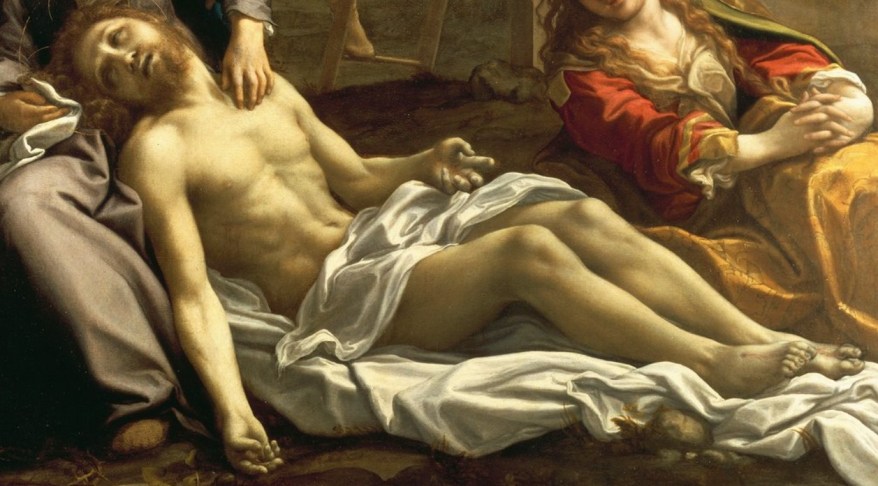
Il Compianto sul Cristo morto di Correggio: pathos e devozione
🇮🇹Con l’inizio della Settimana Santa, vi propongo il Compianto sul Cristo morto di Antonio Allegri, più noto come il Correggio: uno dei vertici assoluti della pittura emiliana del Cinquecento… 🇬🇧With the beginning of Holy Week, I propose the Lamentation over the Dead Christ by Antonio Allegri, better known as Correggio: one of the absolute peaks…
-
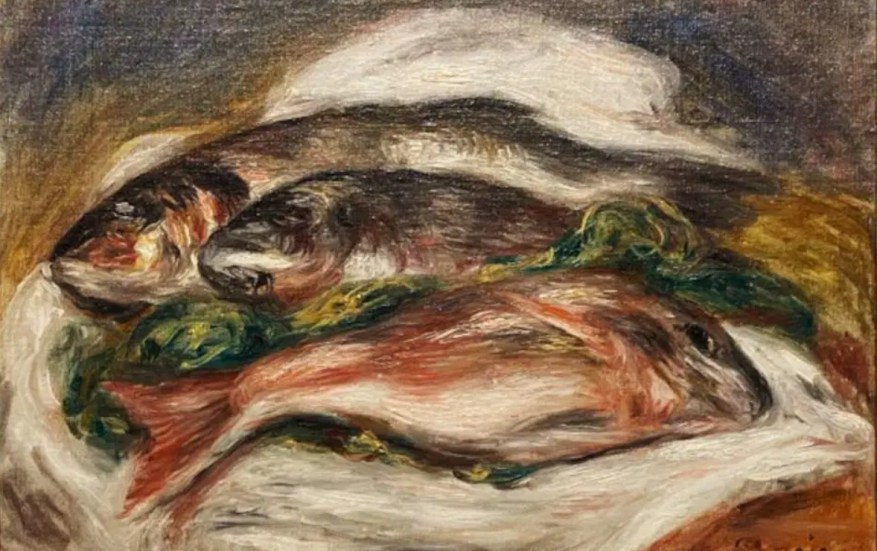
Furto milionario alla Magnani Rocca: rubati Renoir, Cézanne e Matisse
🇮🇹‼Tre capolavori storici spariti in meno di tre minuti: Les Poissons di Renoir, Tasse et plat de cerises di Cézanne e Odalisque sur la terrasse di Matisse sono stati rubati nella dalla Fondazione Magnani Rocca a Mamiano di Traversetolo, nel Parmense… 🇬🇧‼Three historic masterpieces disappeared in less than three minutes: Renoir’s Les Poissons, Cézanne’s Tasse…
-
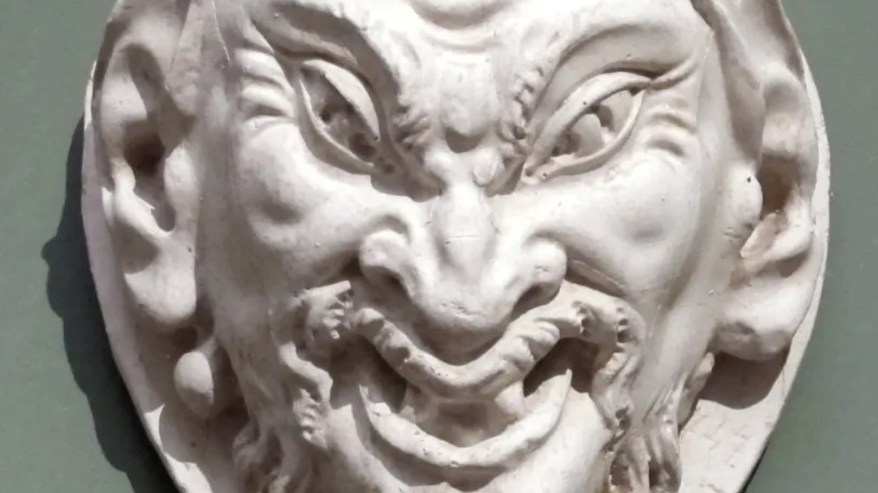
Fauno rubato: 15.000$ per ritrovarlo dopo 80 anni
🇮🇹Ero un ragazzino quando scolpii il Mascherone del Fauno sdentato. Oggi quel volto è perduto, rubato nella notte della guerra e da oltre 80 anni nessuno sa dove sia. Ora una ricompensa di 15.000$ riaccende la ricerca… 🇬🇧I was a boy when I sculpted the Toothless Faun Mask. Today that face is lost, stolen on…
Condividi:


Questo sono io





sostienici

Sostienici – Support Us
Se questo blog ti piace e ti appassiona, puoi aiutarci a farlo crescere sempre più sostenendoci in modo concreto condividendo i post, seguendo le pagine social e con un contributo che ci aiuta ad andare avanti con il nostro lavoro di divulgazione. . ENGLISH: If you like and are passionate about this blog, you can help us make it grow more and more by supporting us in a concrete way by sharing posts, following social pages and with a contribution that helps us to move forward with our dissemination work.
€10,00


