
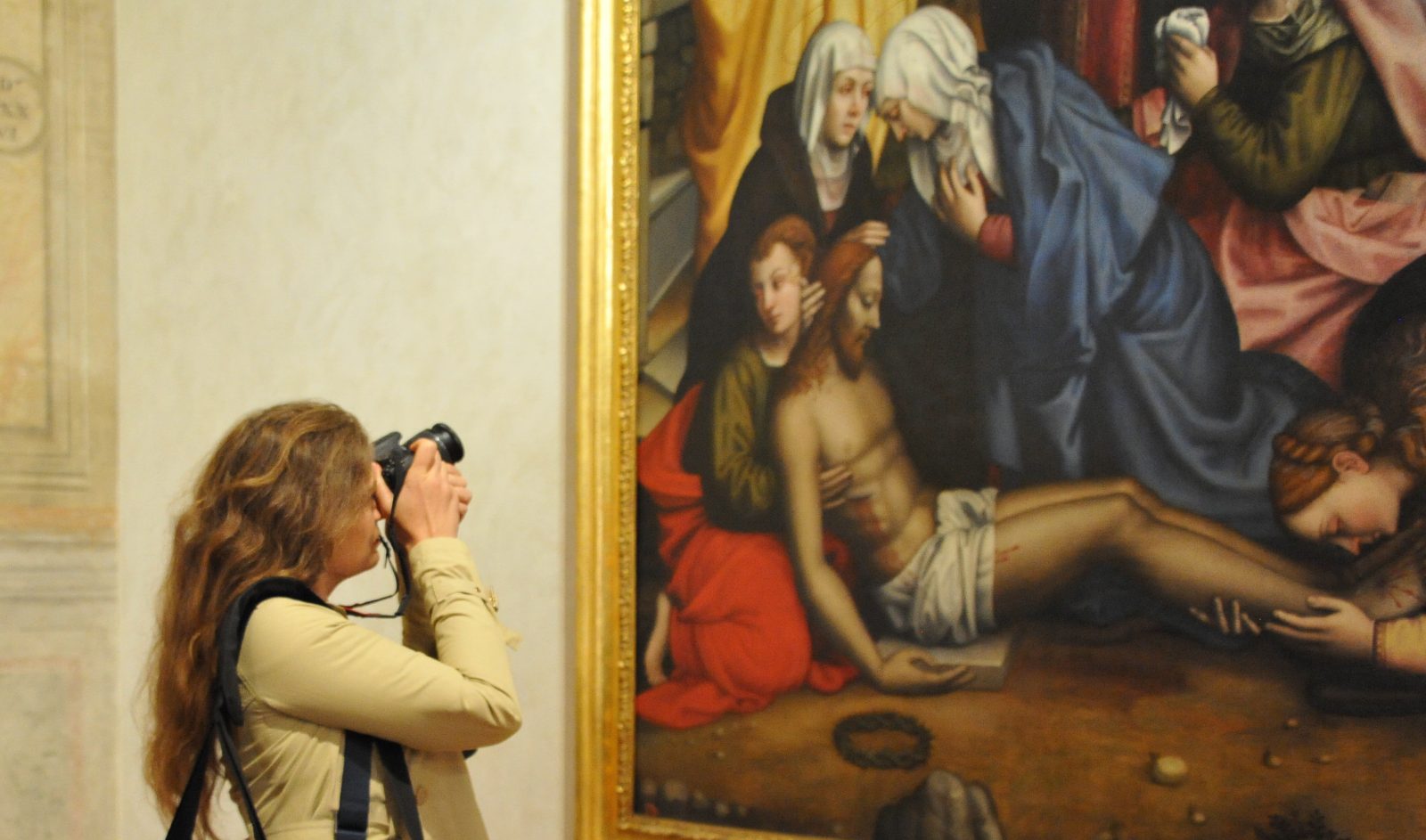
4 ottobre: San Francesco nel mondo dell’arte
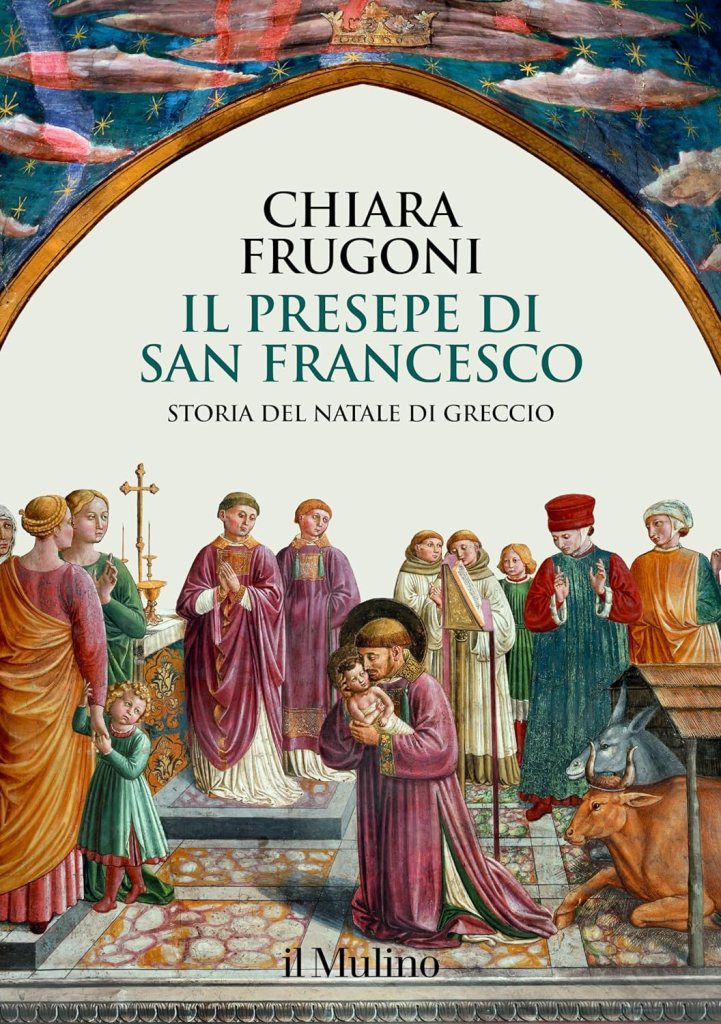
Il 4 ottobre si celebra San Francesco, il santo patrono d’Italia, protettore degli animali e della natura. È uno dei santi più amati e venerati della storia cristiana e nel corso dei secoli sono numerosi gli artisti che lo hanno omaggiato con tele e tavole dipinte.
Vediamo assieme alcune opere dedicate a San Francesco.
Il San Francesco di Berlingheri
L’opera pittorica più datata arrivata fino ai vostri tempi che ritrae San Francesco è la tavola di Bonaventura Berlinghieri che racconta la sua storia.
Pensate un po’: questo capolavoro fu realizzato dall’artista solo nove anni dopo la morte di San Francesco ovvero nel 1235 e si trova a Pescia, nella chiesa a lui dedicata.

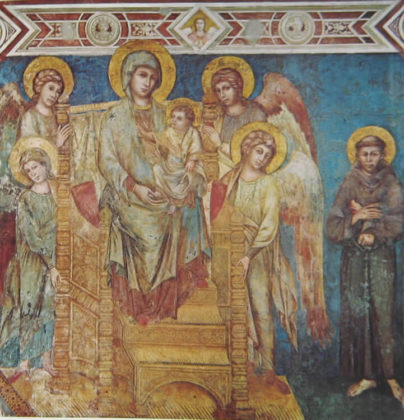
San Francesco di Cimabue
Non molti anni dopo Berlingheri, fu il pittore fiorentino Cimabue a dipingere San Francesco, lavorando a diversi affreschi della Basilica inferiore di Assisi. Nel suo lavoro dedicato alla Vergine in trono fa la sua comparsa San Francesco in piedi.
Per ritrarre il poverello d’Assisi, l’artista si rifece direttamente alla descrizione che aveva fatto di lui Tommaso da Celano, il primo biografo del Santo che aveva avuto modo di conoscerlo personalmente.
Facondissimo nel parlare, ilare d’aspetto, benigno di viso, di statura mediocre, piccoletto anzichè no. Testa non grande e rotonda; faccia alquanto lunga e protesa; fronte piana e piccola; occhi di giusta misura, neri e semplici; capelli foschi; orecchie dritte ma piccole; tempia piane, lingua spedita, di fuoco ed acuta; voce veemente, dolce, chiara e sonora, denti uniti uguali e bianchi; piccole labbra e sottili; barba nera ma rada; collo stretto; omeri diritti, braccia brevi, mani scarne, dita lunghe, unghie non corte; gambe sottili, piedi piccoletti; pelle delicata; pochissima cerne, ruvida la veste; sonno brevissimo; mano generosa.
Tommaso da Celano
Il ciclo di affreschi dedicato a San Francesco di Giotto
Fra i cicli pittorici più noti c’è sicuramente quello attribuito a Giotto nella Basilica Superiore risalente agli ultimi anni del Duecento. Ventotto scene raccontano la vita del Santo in maniera assai dettagliata.
Secondo il Vasari il ciclo fu commissionato da fra’ Giovanni Mincio Morrovalle nel 1296, l’allora generale dell’ordine francescano e fu condotto a termine negli anni a seguire dagli allievi dell’artista.
Ve ne ho parlato nel dettaglio QUA.

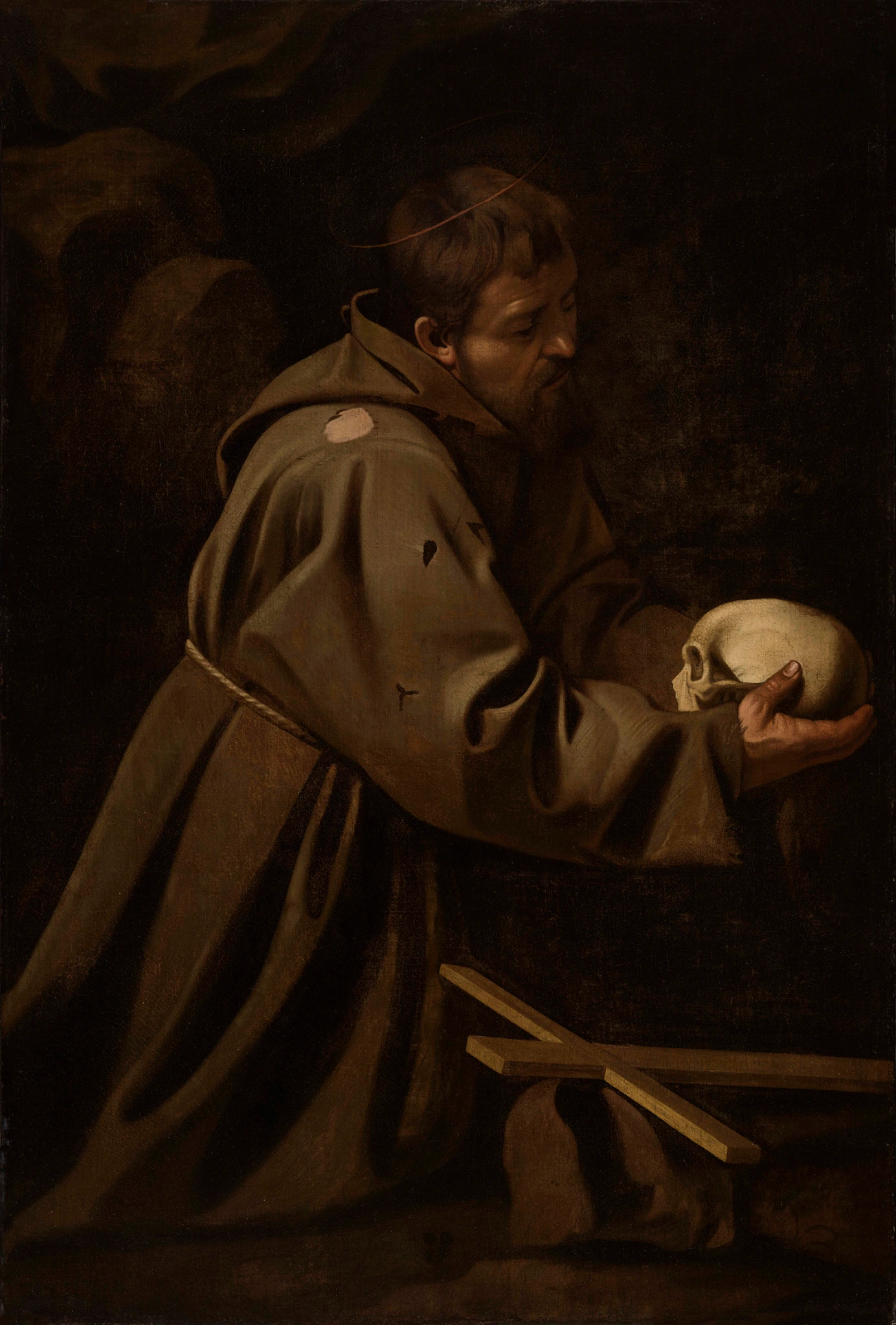
San Francesco in meditazione di Caravaggio
Caravaggio dipinse il San Francesco in meditazione fra il 1605 e i 1060, probabilmente su commissione del cardinale Francesco Maria del Monte.
L’olio su tela oggi è custodito presso la Galleria d’Arte Antica di Palazzo Barberini, a Roma. Nel periodo della Controriforma era stata attribuita grande importanza alla raffigurazione dei culti e all’immagine dei Santi, in particolare proprio di San Francesco per rilanciare un cattolicesimo che stava perdendo conensi.
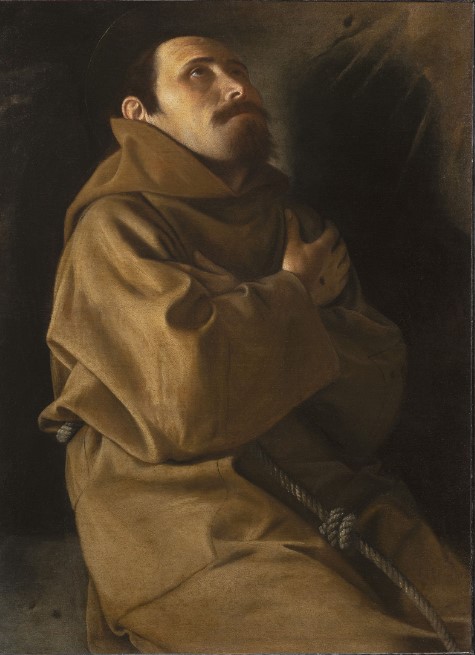
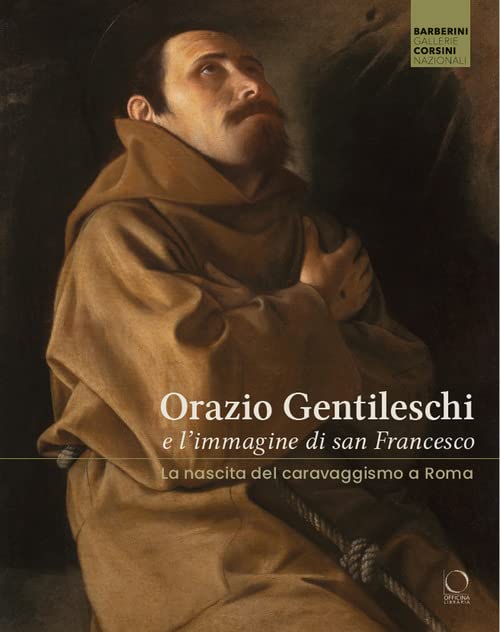
San Francesco in estasi di Orazio Gentileschi
Il dipinto di San Francesco in estasi è una testimonianza del momento in cui Orazio Gentileschi, padre di Artemisia, si avvicinò idealmente al nuovo stile di Caravaggio. L’opera fu realizzata usando un modello dal vero in posa, una metodologia che il Gentileschi aveva già imparato fra il 1599 e il 1600 proprio dal grande Merisi.
E’ ipotizzabile pensare che questo San Francesco fu dipinto negli anni del processo che Giovanni Baglione aveva indetto contro Caravaggio, Filippo Trisegni e Onorio Longhi e il medesimo Orazio Gentileschi.
Durante il procedimento Gentileschi aveva dichiarato di aver prestato al Caravaggio un abito da cappuccino e due ali. Probabilmente è proprio il saio con il cappello a punta che l’artista ritrae nel dipinto di San Francesco.
Per il momento il vostro Michelangelo Buonarroti vi saluta dandovi appuntamento ai prossimi post e sui social.
October 4: Saint Francis in the world of art
On October 4th we celebrate Saint Francis, the patron saint of Italy, protector of animals and nature. He is one of the most loved and venerated saints in Christian history and over the centuries numerous artists have paid homage to him with canvases and painted panels.
Let’s see together some works dedicated to Saint Francis.
The San Francesco of Berlingheri
The most dated pictorial work that has reached our times that portrays Saint Francis is the panel by Bonaventura Berlinghieri which tells his story.
Think about it: this masterpiece was created by the artist only nine years after the death of Saint Francis, i.e. in 1235, and is located in Pescia, in the church dedicated to him.
Saint Francis by Cimabue
Not many years after Berlingheri, it was the Florentine painter Cimabue who painted Saint Francis, working on several frescoes in the Lower Basilica of Assisi. In his work dedicated to the Virgin on the throne, St. Francis appears standing.
To portray the poor man from Assisi, the artist referred directly to the description of him by Tommaso da Celano, the first biographer of the Saint who had the opportunity to know him personally.
Very fluent in speech, cheerful in appearance, benign in face, of mediocre height, rather small. Head not large and round; face rather long and protruding; flat and small forehead; eyes of right size, black and simple; dark hair; ears erect but small; flat temples, quick, fiery and sharp tongue; voice vehement, sweet, clear and sonorous, teeth united equally and white; lips small and thin; black but sparse beard; narrow neck; straight humers, short arms, skinny hands, long fingers, short nails; thin legs, small feet; sensitive skin; very little hair, rough dress; very short sleep; generous hand.
Tommaso da Celano
The cycle of frescoes dedicated to Saint Francis by Giotto
Among the best-known pictorial cycles there is certainly the one attributed to Giotto in the Upper Basilica dating back to the last years of the thirteenth century. Twenty-eight scenes tell the life of the Saint in great detail.
According to Vasari, the cycle was commissioned by Fra Giovanni Mincio Morrovalle in 1296, the then general of the Franciscan order and was completed in the following years by the artist’s students.
I told you about it in detail HERE.
Saint Francis in Meditation by Caravaggio
Caravaggio painted Saint Francis in Meditation between 1605 and 1060, probably commissioned by Cardinal Francesco Maria del Monte.
The oil on canvas is now kept in the Ancient Art Gallery of Palazzo Barberini, in Rome. In the period of the Counter-Reformation, great importance was attributed to the depiction of cults and the image of the Saints, in particular of Saint Francis, to revive a Catholicism that was losing support.
Saint Francis in ecstasy by Orazio Gentileschi
The painting of Saint Francis in ecstasy is a testimony to the moment in which Orazio Gentileschi, Artemisia’s father, ideally approached Caravaggio’s new style. The work was created using a posed live model, a methodology that Gentileschi had already learned between 1599 and 1600 from the great Merisi.
It is conceivable to think that this Saint Francis was painted during the years of the trial that Giovanni Baglione had held against Caravaggio, Filippo Trisegno and Onorio Longhi and Orazio Gentileschi himself.
During the proceedings Gentileschi declared that he had lent Caravaggio a cappuccino dress and two wings. It is probably the habit with the pointed hat that the artist portrays in the painting of Saint Francis.
For the moment, your Michelangelo Buonarroti greets you and will meet you in future posts and on social media.

Sostienici – Support Us
Se questo blog ti piace e ti appassiona, puoi aiutarci a farlo crescere sempre più sostenendoci in modo concreto condividendo i post, seguendo le pagine social e con un contributo che ci aiuta ad andare avanti con il nostro lavoro di divulgazione. . ENGLISH: If you like and are passionate about this blog, you can help us make it grow more and more by supporting us in a concrete way by sharing posts, following social pages and with a contribution that helps us to move forward with our dissemination work.
8,00 €
-
Il mio primo soggiorno a Bologna e l’incontro con Giovan Francesco Aldrovandi
🇮🇹Fuggii da Firenze a soli 19 anni. Senza certezze, senza protezioni. Solo con il mio talento. A Bologna trovai rifugio nella casa di Giovan Francesco Aldrovandi… 🇬🇧I fled Florence at just 19. Without certainties, without protection. Only with my talent. In Bologna, I found refuge in the home of Giovan Francesco Aldrovandi…
-
11 aprile 1514: muore Donato Bramante, il genio della scala elicoidale
🇮🇹Era l’11 aprile 1514 quando Donato Bramante morì a Roma. La sua scomparsa non cancellò però le tensioni, le rivalità e i giudizi contrastanti che avevano accompagnato tutta la sua carriera… 🇬🇧It was April 11, 1514, when Donato Bramante died in Rome. His passing, however, did not erase the tensions, rivalries, and conflicting opinions that…
-
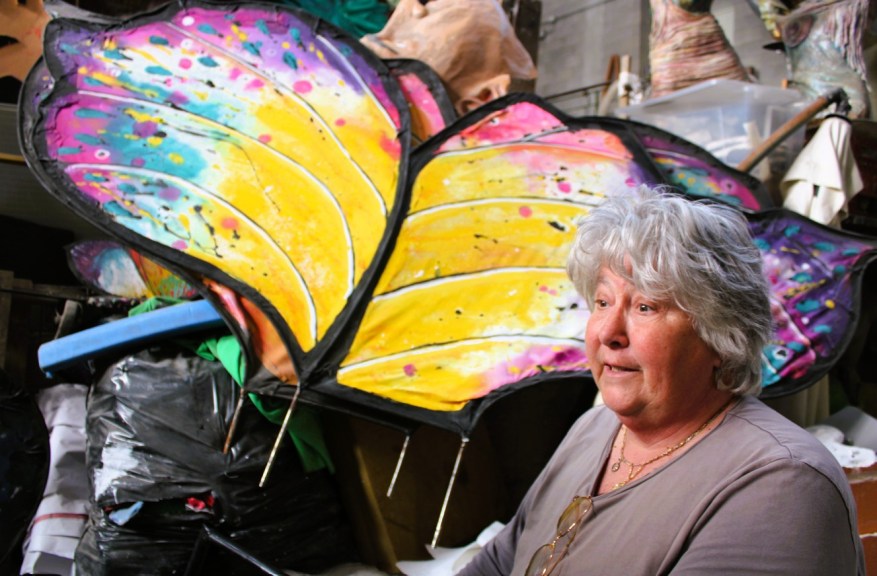
Dentro l’hangar 12 del Carnevale di Viareggio: dove la cartapesta prende vita con Marzia Etna
🇮🇹Ho incontrato Marzia Etna, maestra carrista da 40 anni: mentre racconta, le brillano gli occhi. E capisci subito una cosa: questo non è solo un lavoro, è vita tra carta a calco, ferro e sogni… 🇬🇧I met Marzia Etna, a master float builder for 40 years: her eyes sparkle as she talks. And you immediately…
Condividi:


Questo sono io





sostienici

Sostienici – Support Us
Se questo blog ti piace e ti appassiona, puoi aiutarci a farlo crescere sempre più sostenendoci in modo concreto condividendo i post, seguendo le pagine social e con un contributo che ci aiuta ad andare avanti con il nostro lavoro di divulgazione. . ENGLISH: If you like and are passionate about this blog, you can help us make it grow more and more by supporting us in a concrete way by sharing posts, following social pages and with a contribution that helps us to move forward with our dissemination work.
€10,00


