
L’Inclinazione di Artemisia Gentileschi è un suo autoritratto privo di vesti. Inaugurata la mostra a Casa Buonarroti
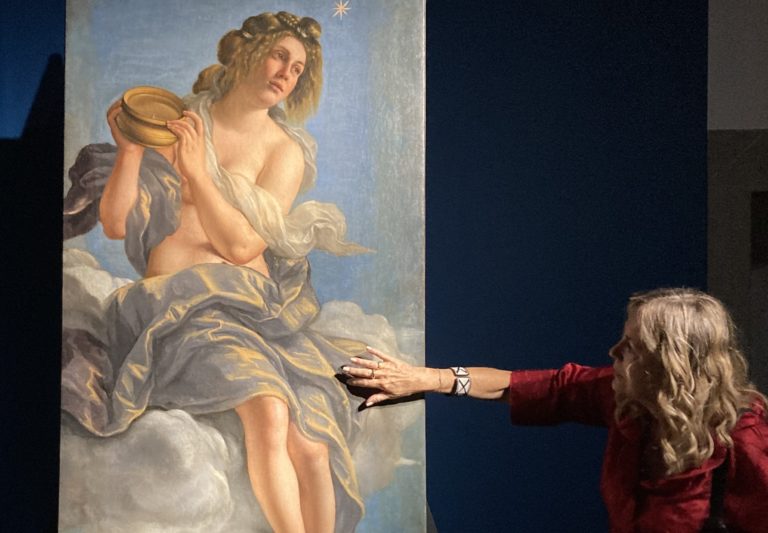
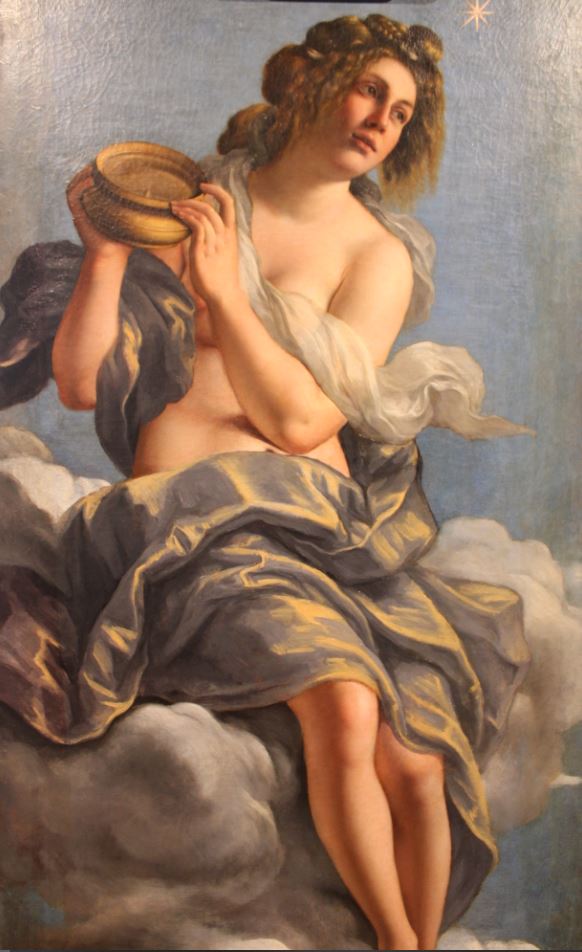
Ieri mattina è stata inaugurata a Casa Buonarroti a Firenze la mostra dal titolo “Artemisia nel museo di Michelangelo” che ha come protagonista il dipinto a olio su tela dell’artista appena ultimato di restaurare da Elizabet Wicks mediante il progetto Artemisia UpClose.
La mostra rimarrà aperta fino all’8 gennaio 2024 e permetterà di vedere a distanza ravvicinata il dipinto restaurato e di conoscere i risultati delle indagini diagnostiche ottenute prima dell’intervento e gli studi fatti sull’opera.
L’esposizione propone anche un racconto dell’intenso periodo fiorentino della Gentileschi con il dipinto della Maddalena Penitente arrivata per l’occasione dalla Galleria Palatina di Palazzo Pitti, dipinta per Cosimo de Medici II e altre opere realizzate da artisti fiorentini appartenenti alla cerchia di Artemisia.
Nella mostra “Artemisia nel museo di Michelangelo” potrete vedere anche lettere rare e documenti originali che testimoniano l’ingresso della Gentileschi presso la corte dei Medici e la sua entrata nell’Accademia delle Arti e del Disegno di Firenze.
Artemisia fu infatti la prima donna a essere ammessa all’interno di questa prestigiosa istituzione nel 1616, a soli 22 anni, la stessa età che aveva quando dipinse per il mio pronipote Michelangelo Buonarroti il Giovane l’Allegoria dell’Inclinazione.
Il mio pronipote aveva commissionato ad Artemisia Gentileschi il dipinto dell’Inclinazione come allegoria per quello che era il mio talento naturale per la creatività artistica. Un omaggio pittorico da incastonare nel soffitto della galleria di Casa Buonarroti assieme ad altri dipinti che mi rendevano omaggio.
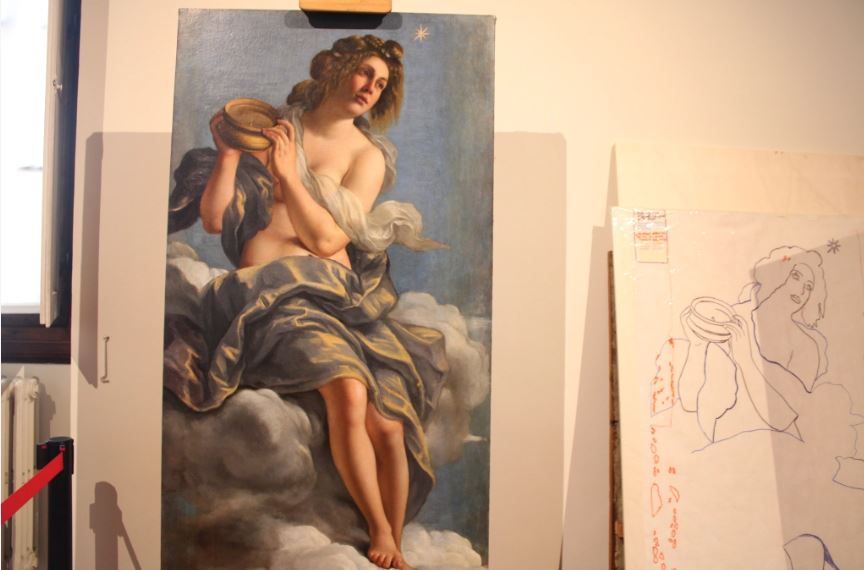
Artemisia dipinse una giovane priva di vesti a grandezza naturale che posa i piedi sulle nuvole. In mano ha una bussola e fissa lo sguardo verso la stella Polare che le fa da guida.
Non è da escludere che Galileo Galilei, grande amico di Artemisia, abbia dato all’artista consigli su come dipingere proprio la bussola in uso durante il Seicento.
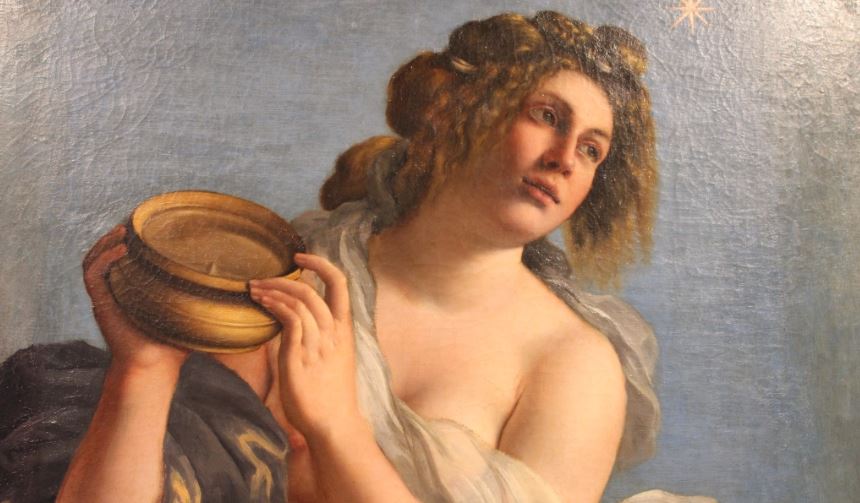
Il volto dell’Inclinazione è lo stesso di Artemisia idealizzato che volle così firmare l’opera, sottolineando il fatto che anche lei, come me, era donata di una grande inclinazione per l’arte.
Senza dubbio fu una scelta audace e assai innovativa quella di autoritrarsi priva di vesti e si tratta a tutti gli effetti della prima volta nella storia dell’arte in cui un’artista dipinse il proprio nudo integrale. Proprio il dipinto dell’Inclinazione affermò il successo a Firenze di Artemisia dopo il suo arrivo in città obbligato.
Dopo lo stupro subito a diciassette anni e il processo che metteva sul banco degli imputati lei piuttosto che il suo aguzzino Agostino Tassi, dovette lasciare Roma. Il padre Orazio Gentileschi aveva richiesto mediante una lettera all’arciduchessa Cristina de’ Medici di ricevere la figlia a corte.
Il restauro dell’opera era divenuto necessario. Dopo secoli di esposizione, la tela rivolta verso il basso presentava problemi strutturali e fessurazioni visibili che impedivano di leggere correttamente il dipinto. Inoltre le successive applicazioni di vernici oramai ingiallite, oscuravano la brillantezza originale dei colori stesi da Artemisia. Il cielo color lapislazzuli era divenuto molto scuro.
Nel corso degli anni poi la figura dell’Inclinazione era stata censurata. Il bigotto Leonardo Buonarroti, nipote di Michelangelo Buonarroti il Giovane, pensando che quella giovane priva di vesti potesse turbare moglie e figli, aveva chiesto al Volterrano, al secolo Baldassarre Franceschini, di panneggiare i dipinto.
Il Volterrano così provvide ad aggiungere veli e panneggi bianchi, gialli e grigi.
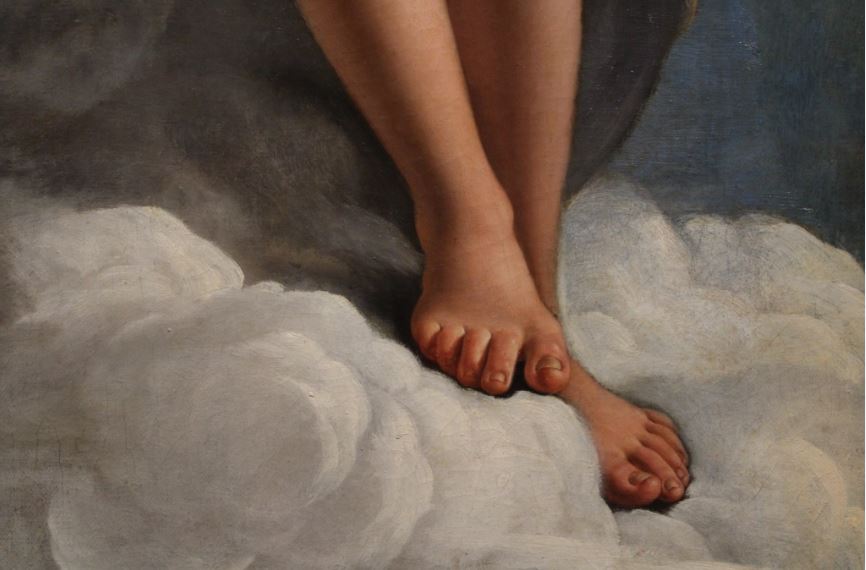
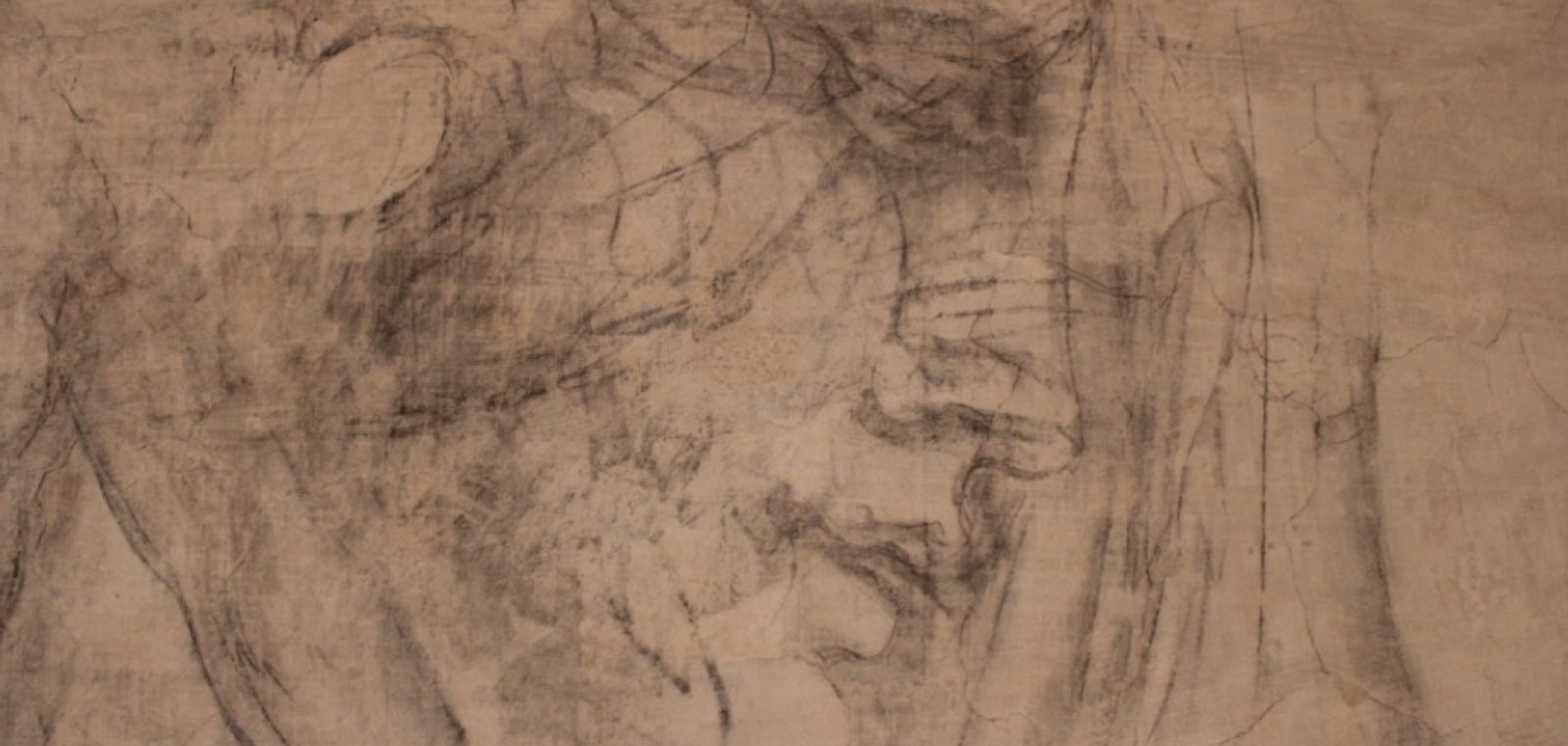
In fase di restauro non è stato possibile rimuovere quella censura. Eliminandola c’era il serio rischio di compromettere la parte sottostante.
L’Inclinazione però è stata mostrata virtualmente com’era prima di quell’intervento, adoperando le immagini frutto delle indagini diagnostiche e proponendo al pubblico la ricostruzione digitale dell’opera originale.
“Grazie ai nostri generosi sponsor del progetto Margie MacKinnon e Wayne McArdle e al filantropo e collezionista d’arte Christian Levett, abbiamo utilizzato la migliore tecnologia per esplorare sotto la superficie e scoprire il dipinto originale di Artemisia sotto il drappeggio. Un altro aspetto meraviglioso del processo di restauro è stato che è stato interamente svolto in pubblico in una sala dedicata di Casa Buonarroti, consentendo ai visitatori del museo di seguire i lavori in corso e di interagire sia con il team di restauro che con il dipinto stesso”.
Elizabeth Wicks
Insomma, non vi rimane altro che andare a vedere l’Inclinazione restaurata e la mostra a lei dedicata a Casa Buonarroti dal titolo “Artemisia nel museo di Michelangelo”.
Il sempre vostro Michelangelo Buonarroti vi saluta dandovi appuntamento ai prossimi poste sui social.
The Inclination by Artemisia Gentileschi is a self-portrait of her without clothes. The exhibition opens at Casa Buonarroti
Yesterday morning the exhibition entitled “Artemisia in Michelangelo’s museum” was inaugurated at Casa Buonarroti in Florence, which has as its protagonist the oil painting on canvas by the artist which has just been restored by Elizabet Wicks through the Artemisia UpClose project.
The exhibition will remain open until 8 January 2024 and will allow you to see the restored painting at close range and to learn about the results of the diagnostic investigations obtained before the intervention and the studies carried out on the work.
The exhibition also offers a story of Gentileschi’s intense Florentine period with the painting of the Penitent Magdalene arrived for the occasion from the Palatine Gallery of Palazzo Pitti, painted for Cosimo de Medici II and other works created by Florentine artists belonging to Artemisia’s circle .
In the exhibition “Artemisia in Michelangelo’s museum” you can also see rare letters and original documents that testify to Gentileschi’s entry into the Medici court and her entry into the Academy of Arts and Design in Florence.
Artemisia was in fact the first woman to be admitted into this prestigious institution in 1616, at just 22 years old, the same age she was when she painted the Allegory of the Inclination for my great-grandson Michelangelo Buonarroti the Younger.
My great-grandson had commissioned Artemisia Gentileschi to paint the Inclination as an allegory for my natural talent for artistic creativity. A pictorial tribute to be set in the ceiling of the gallery of Casa Buonarroti together with other paintings that paid homage to me.
Artemisia painted a life-size, unclothed young woman with her feet on the clouds. She has a compass in her hand and gazes towards the Polar Star which acts as her guide. It cannot be ruled out that Galileo Galilei, a great friend of Artemisia, gave the artist advice on how to paint the very compass in use during the seventeenth century.
The face of the Inclination is the same as the idealized Artemisia who thus wanted to sign the work, underlining the fact that she too, like me, was gifted with a great inclination for art.
Without a doubt, it was a bold and very innovative choice to portray herself without clothes and it was to all intents and purposes the first time in the history of art in which an artist painted her own full nude. It was precisely the painting of the Inclination that confirmed Artemisia’s success in Florence after her forced arrival in the city.
After the rape she suffered at the age of seventeen and the trial that put her rather than her tormentor Agostino Tassi in the dock, she had to leave Rome. Father Orazio Gentileschi had requested, in a letter, to Archduchess Cristina de’ Medici to receive her daughter at court.
The restoration of the work had become necessary. After centuries of exposure, the canvas facing downwards had structural problems and visible cracks that prevented the painting from being read correctly. Furthermore, the subsequent applications of now yellowed paints obscured the original brilliance of the colors applied by Artemisia. The lapis lazuli sky had become very dark.
Over the years, the figure of the Inclination had been censored. The bigot Leonardo Buonarroti, nephew of Michelangelo Buonarroti the Younger, thinking that the naked young woman might disturb his wife and children, had asked the Volterrano, born Baldassarre Franceschini, to drape the paintings. So Volterra added white, yellow and gray veils and drapery.
During the restoration phase it was not possible to remove that censorship. By eliminating it there was a serious risk of compromising the underlying part. However, the Inclination was shown virtually as it was before that intervention in a virtual way, using the images resulting from the diagnostic investigations and offering the public a digital reconstruction of the original work.
“Thanks to our generous project sponsors Margie MacKinnon and Wayne McArdle and philanthropist and art collector Christian Levett, we have used the best technology to explore beneath the surface and discover the original Artemisia painting beneath the drapery. Another wonderful aspect of the restoration process was that it was carried out entirely in public in a dedicated room of Casa Buonarroti, allowing museum visitors to follow the work in progress and interact with both the restoration team and the painting itself ”.
Elizabeth Wicks
In short, all you have to do is go and see the restored Inclination and the exhibition dedicated to her at Casa Buonarroti entitled “Artemisia in Michelangelo’s museum”.
Your always Michelangelo Buonarroti greets you and will meet you in the next posts on social media.

Sostienici – Support Us
Se questo blog ti piace e ti appassiona, puoi aiutarci a farlo crescere sempre più sostenendoci in modo concreto condividendo i post, seguendo le pagine social e con un contributo che ci aiuta ad andare avanti con il nostro lavoro di divulgazione. . ENGLISH: If you like and are passionate about this blog, you can help us make it grow more and more by supporting us in a concrete way by sharing posts, following social pages and with a contribution that helps us to move forward with our dissemination work.
10,00 €
-
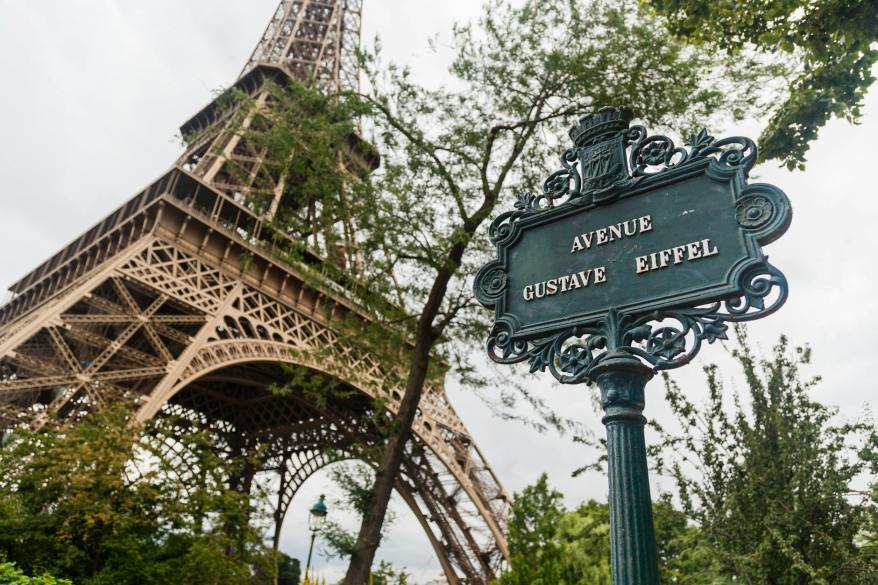
31 marzo 1889: inaugurata la Torre Eiffel tra critiche feroci e un destino inaspettato
🇮🇹Il 31 marzo 1889 segna una data destinata a cambiare per sempre il volto di Parigi e dell’immaginario collettivo globale: viene inaugurata la Torre Eiffel, l’opera più audace e discussa del suo tempo… 🇬🇧March 31, 1889 marks a date destined to change the face of Paris and the global collective imagination forever: the Eiffel Tower,…
-
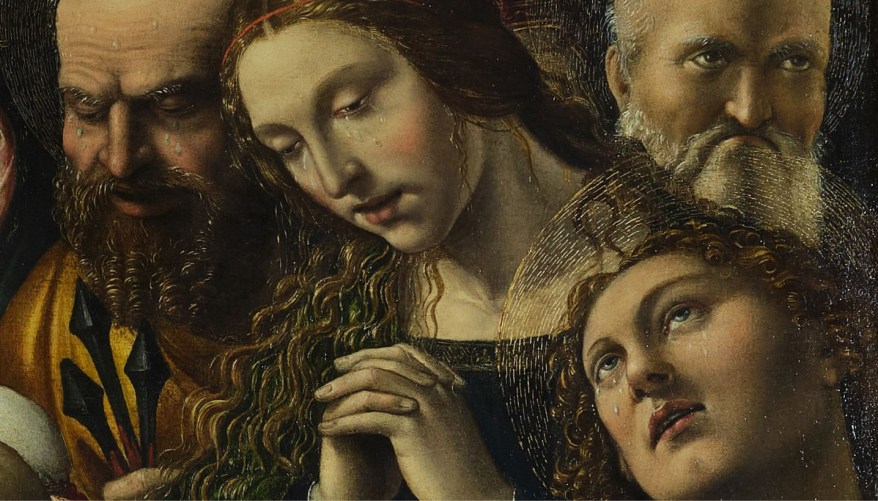
Sodoma in mostra a Torino: il Rinascimento al Museo Accorsi-Ometto
🇮🇹Al Museo di Arti Decorative Accorsi-Ometto arriva una mostra dedicata al Sodoma: oltre 50 opere, alcune mai viste prima, raccontano la formazione dell’artista e il suo dialogo con maestri come Pinturicchio… 🇬🇧An exhibition dedicated to Sodoma arrives at the Accorsi-Ometto Museum of Decorative Arts: over 50 works, some never before seen, recount the artist’s development…
-
Il Compianto sul Cristo morto di Correggio: pathos e devozione
🇮🇹Con l’inizio della Settimana Santa, vi propongo il Compianto sul Cristo morto di Antonio Allegri, più noto come il Correggio: uno dei vertici assoluti della pittura emiliana del Cinquecento… 🇬🇧With the beginning of Holy Week, I propose the Lamentation over the Dead Christ by Antonio Allegri, better known as Correggio: one of the absolute peaks…
Condividi:


Questo sono io





sostienici

Sostienici – Support Us
Se questo blog ti piace e ti appassiona, puoi aiutarci a farlo crescere sempre più sostenendoci in modo concreto condividendo i post, seguendo le pagine social e con un contributo che ci aiuta ad andare avanti con il nostro lavoro di divulgazione. . ENGLISH: If you like and are passionate about this blog, you can help us make it grow more and more by supporting us in a concrete way by sharing posts, following social pages and with a contribution that helps us to move forward with our dissemination work.
€10,00


1 commento »