
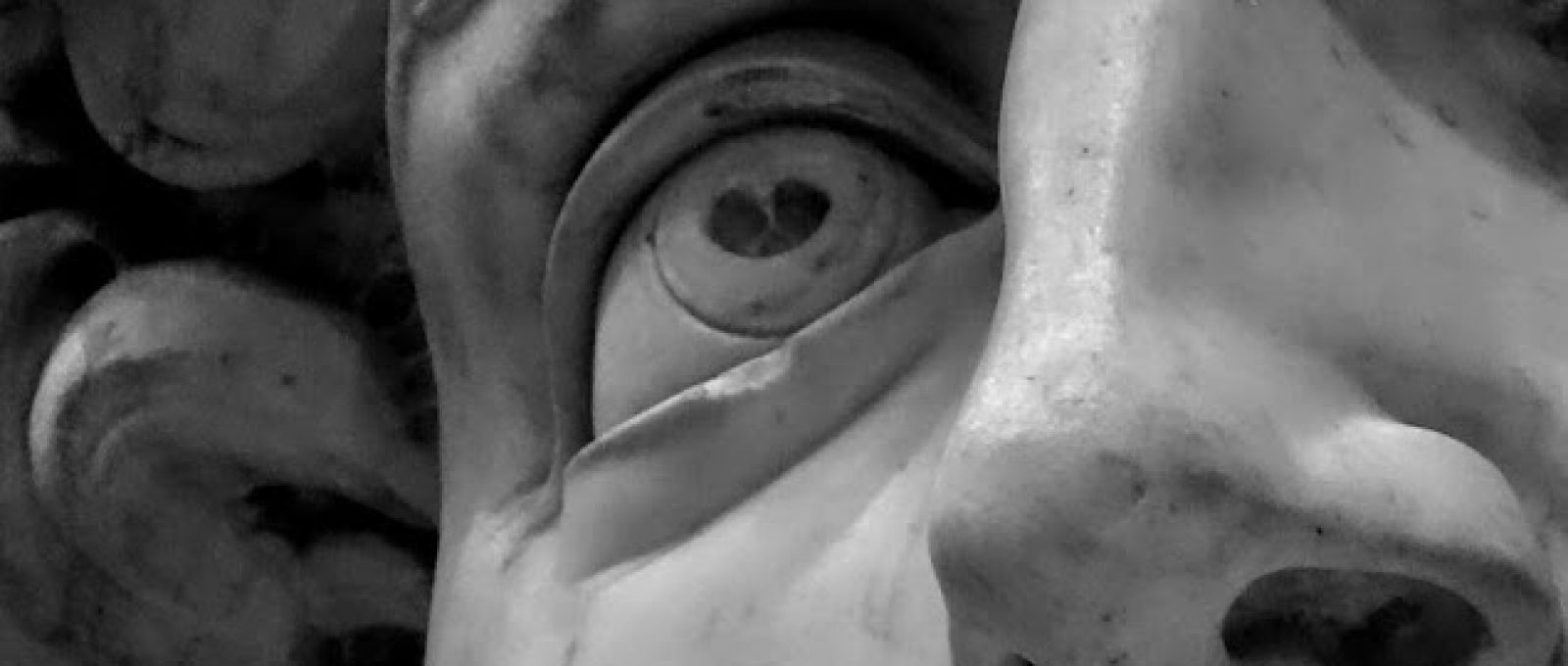
La Scultura del giorno: San Luca del Giambologna
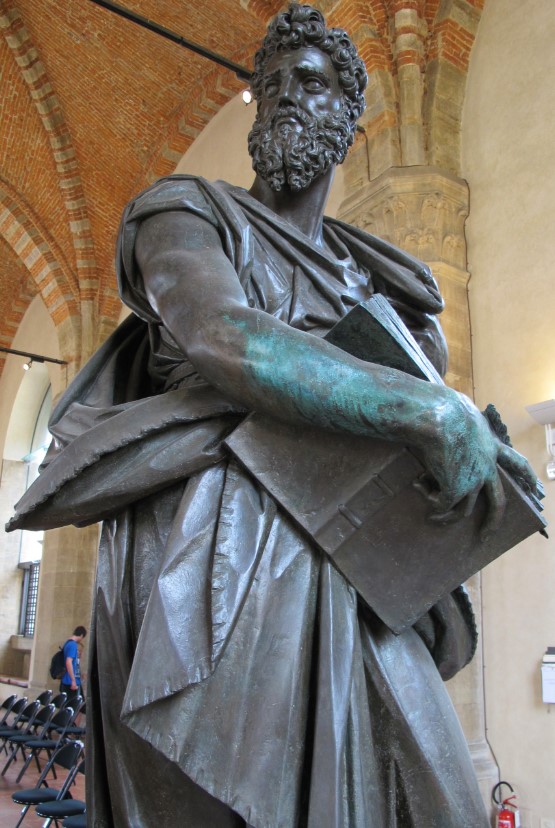
L’opera di cui voglio parlarvi oggi è il San Luca in bronzo realizzato dal Giambologna per le nicchie esterne della chiesa di Orsanmichele, decorata con i protettori delle Arti di Firenze.
Fu l’Arte dei Giudici e Notai a commissionare la fusione all’artista che la realizzò fra il 1597 e il 1602. Alta 2,73 metri, abitualmente è custodita all’interno del Museo di Orsanmichele mentre all’esterno dell’edificio è stata collocata una copia per ragioni conservative.

Il Giambologna volle raffigurare San Luca come un uomo vestito all’antica, con tanto di toga e mantello. Mentre con il braccio destro sorregge il grande libro aperto, porta la mano destra verso la spalla in una posa che molto ricorda quella del mio David.
Che sia una voluta citazione per rendermi omaggio? Non è da escludere.
Il corpo del Santo acquista movimento nello spazio con una torsione vincolata comunque dalla nicchia nella quale doveva essere inserita l’opera una volta ultimata.
Questa preziosa fusione del Giambologna firmata dall’artista stesso con tanto di data di esecuzione IOA.BOL.BELGMDCII, riscosse un grande successo e finanche Bernini la lodò.

La commissione del San Luca in un primo momento era stata affidata a Stoldo Lorenzi e avrebbe dovuto essere un’opera in marmo. Lo scultore fece in tempo solo a procurarsi il materiale necessario prima di passare a miglior vita nel 1582.
Fu allora che l’Arte dei Giudici e Notai affidò l’esecuzione della scultura nelle mani dell’artista fiammingo e venne scelto come materiale il bronzo per unificare lo stile du tulle le opere nelle nicchie che si affacciavano su via de Calzaiuoli.

Sebbene la commissione fu ufficializzata nel 1583 passarono una ventina d’anni prima che il Giambologna la portasse a termine. L’artista era infatti impegnato su più fronti e non poteva lasciare indietro le commissioni granducali.
Quello che è certo è che nel 1590 lo scultore già aveva realizzato il modello a grandezza reale per la fusione.
Il San Luca è stato restaurato fra il 2001 e il 2002 grazie al generoso finanziamento della Ross Family Charitable Foundation di New York.
Per il momento il vostro Michelangelo Buonarroti vi saluta dandovi appuntamento ai prossimi post e sui social.

Sculpture of the day: San Luca by Giambologna
The work I want to talk to you about today is the bronze Saint Luke created by Giambologna for the external niches of the church of Orsanmichele, decorated with the protectors of the Arts of Florence.
It was the Guild of Judges and Notaries who commissioned the casting to the artist who created it between 1597 and 1602. 2.73 meters high, it is usually kept inside the Orsanmichele Museum while outside the building it was a copy has been placed for conservation reasons.
Giambologna wanted to depict Saint Luke as a man dressed in the old style, complete with toga and cloak. While he holds the large open book with his right arm, he brings his right hand towards his shoulder in a pose that is very reminiscent of that of my David. Could this be a deliberate quote to pay homage to me? It cannot be ruled out.
The body of the Saint acquires movement in space with a twist that is however bound by the niche in which the work was to be inserted once completed.
This precious fusion by Giambologna signed by the artist himself complete with execution date IOA.BOL.BELGMDCII, was a great success and even Bernini praised it.
The commission for San Luca was initially entrusted to Stoldo Lorenzi and should have been a work in marble. The sculptor only had time to procure the necessary marble before passing away in 1582.
It was then that the Guild of Judges and Notaries entrusted the execution of the sculpture to the Flemish artist and bronze was chosen as the material to unify the style of all the works in the niches overlooking Via de Calzaiuoli.
Although the commission was made official in 1583, about twenty years passed before Giambologna completed it. The artist was in fact busy on multiple fronts and could not leave the grand ducal commissions behind.
What is certain is that in 1590 the sculptor had already created the full-size model for casting.
The San Luca was restored between 2001 and 2002 thanks to the generous funding of the Ross Family Charitable Foundation of New York.
For the moment, your Michelangelo Buonarroti greets you and will meet you in future posts and on social media.

Sostienici – Support Us
Se questo blog ti piace e ti appassiona, puoi aiutarci a farlo crescere sempre più sostenendoci in modo concreto condividendo i post, seguendo le pagine social e con un contributo che ci aiuta ad andare avanti con il nostro lavoro di divulgazione. . ENGLISH: If you like and are passionate about this blog, you can help us make it grow more and more by supporting us in a concrete way by sharing posts, following social pages and with a contribution that helps us to move forward with our dissemination work.
8,00 €
-
Festival La Versiliana 2026: tra musica, teatro e grandi narrazioni
Dal 17 luglio al 23 agosto 2026, la pineta di Marina di Pietrasanta ospiterà la 47ª edizione del Festival La Versiliana. Una kermesse aperta a tutti nella quale linguaggi diversi dialogano tra loro in un equilibrio tra tradizione e contemporaneità.
-
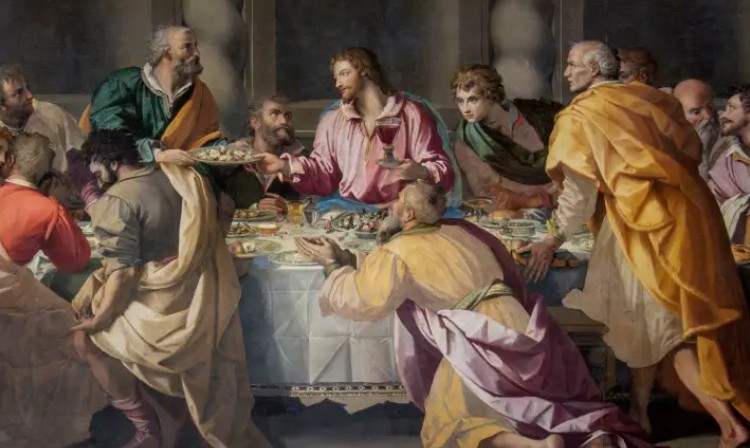
Giovedì Santo: l’Ultima Cena di Allori che pochi conoscono a Firenze
🇮🇹Nel cuore di Museo di Santa Maria Novella, a Firenze, si conserva una delle interpretazioni più affascinanti e meno note dell’Ultima Cena: quella realizzata da Alessandro Allori nel 1584… 🇬🇧In the heart of the Santa Maria Novella Museum in Florence, one of the most fascinating and least-known interpretations of the Last Supper is preserved: the…
-
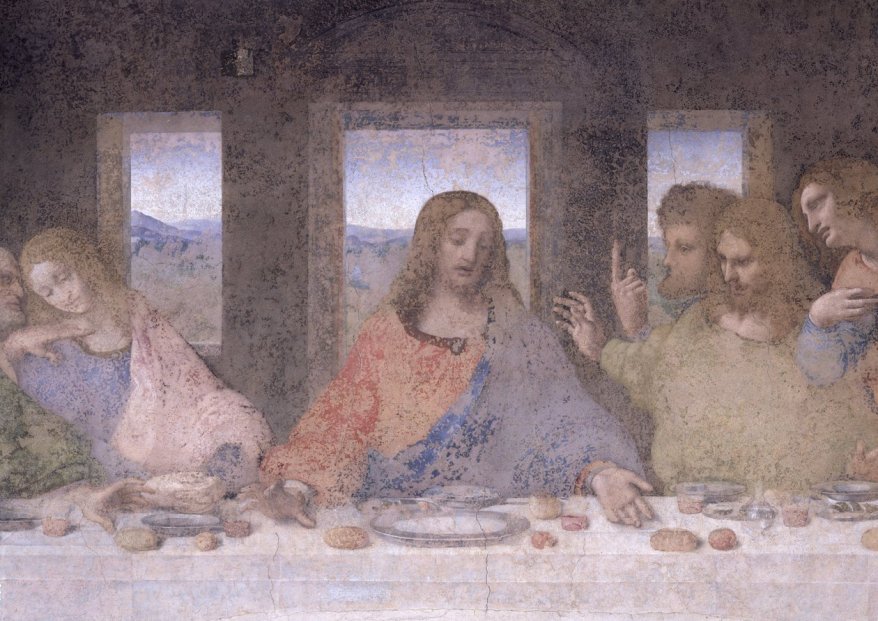
Cenacolo di Leonardo: i dettagli che raccontano il tradimento
🇮🇹Nel Cenacolo di Leonardo da Vinci, custodito a Santa Maria delle Grazie, Cristo annuncia il tradimento e il tempo si ferma… 🇬🇧In Leonardo da Vinci’s Last Supper, housed in Santa Maria delle Grazie, Christ announces the betrayal and time stands still…
Condividi:


Questo sono io





sostienici

Sostienici – Support Us
Se questo blog ti piace e ti appassiona, puoi aiutarci a farlo crescere sempre più sostenendoci in modo concreto condividendo i post, seguendo le pagine social e con un contributo che ci aiuta ad andare avanti con il nostro lavoro di divulgazione. . ENGLISH: If you like and are passionate about this blog, you can help us make it grow more and more by supporting us in a concrete way by sharing posts, following social pages and with a contribution that helps us to move forward with our dissemination work.
€10,00


