
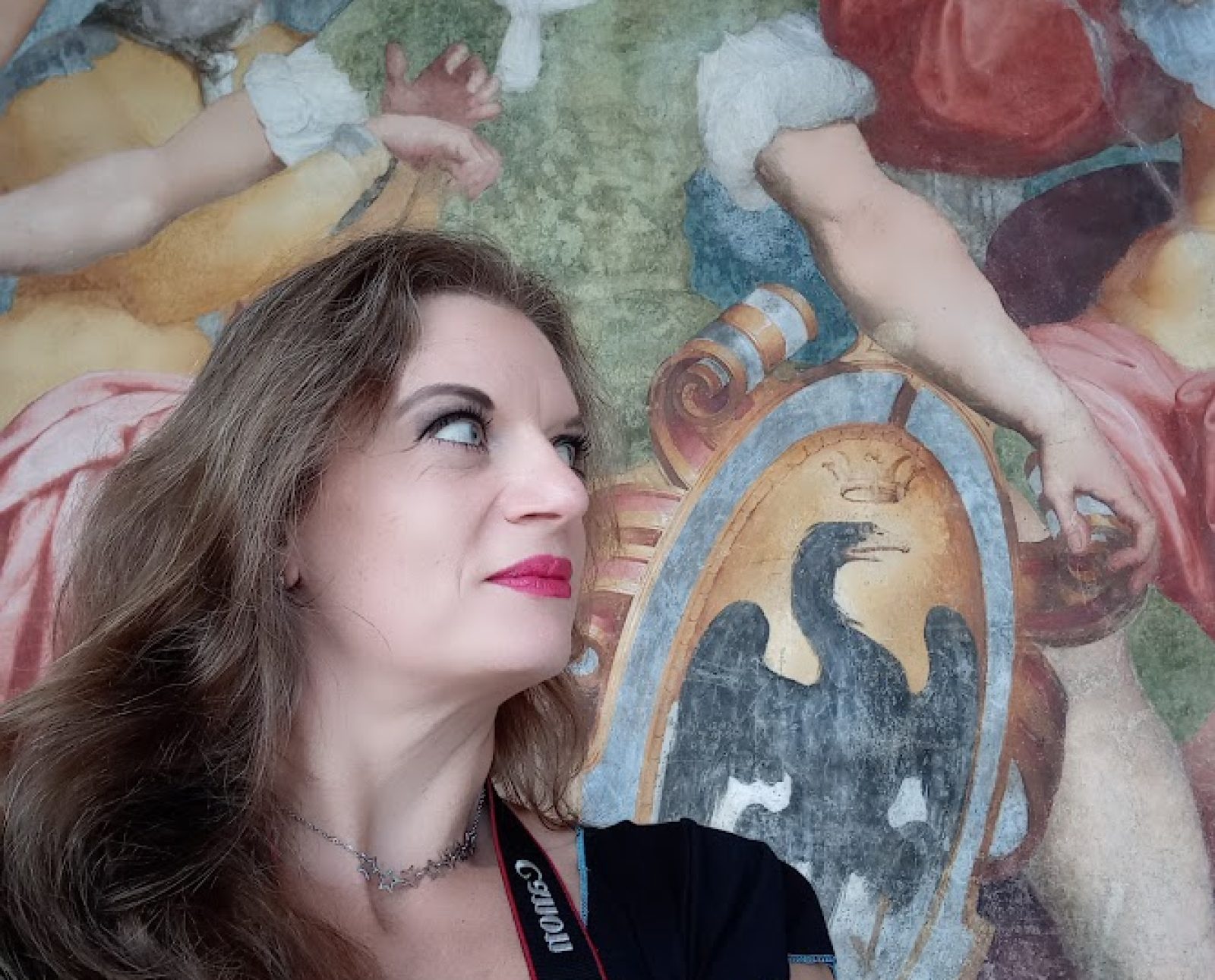
La Scultura del giorno: Oceano del Giambologna
La scultura del giorno che vi propongo oggi è Oceano, scolpito dal Giambologna e ultimato nel 1575 circa.
Il granduca Cosimo I de’ Medici aveva fatto arrivare fino a Firenze dall’Isola d’Elba una grande vasca in granito e vista la sua bellezza, volle adoperarla per farci una fontana nel cuore del Giardino di Boboli, al centro dell’anfiteatro.
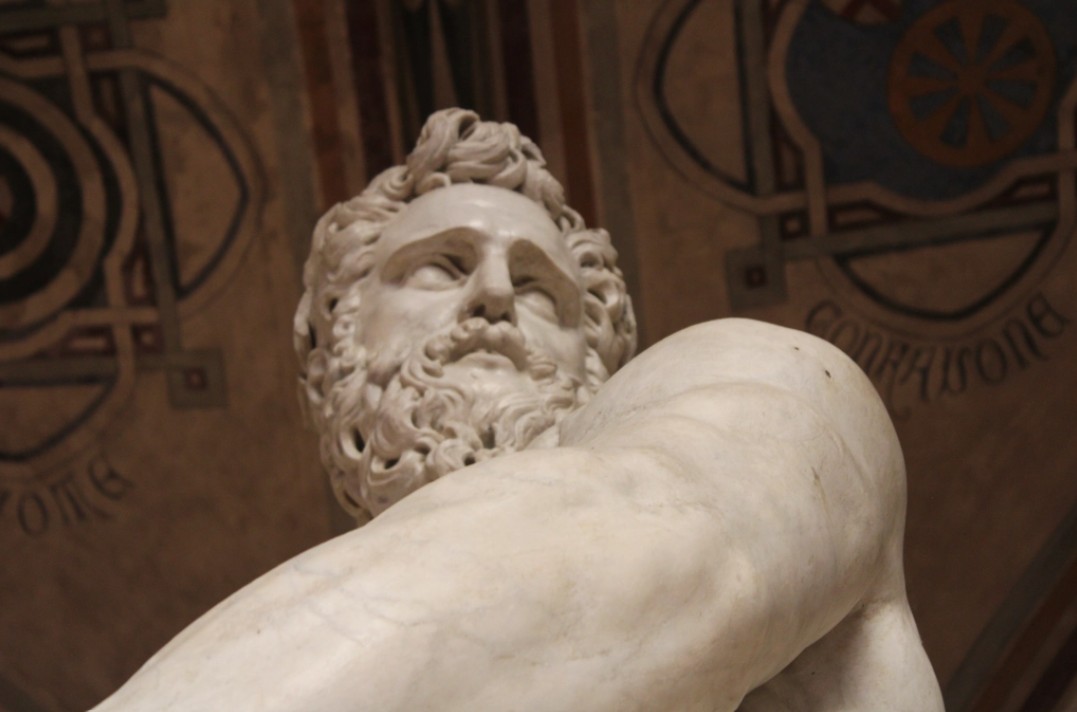
Si rivolse allo scultore fiammingo Giambologna, al secolo Jean de Boulogne, chiedendogli di realizzare un’opera talmente bella da fare onore al suo nome: “Sia dunque tuo pensiero il fare essa fonte in modo, che la tazza faccia onore a te, e l’opere tue alla tazza”.
L’artista non perse tempo e si mise al lavoro realizzando un elegante supporto per la tazza in granito, coronata da poi da tre sculture in marmo che gettano acqua direttamente nella vasca, sovrastata dall’imponente figura di Oceano.
I tre fiumi in questione sono il Nilo, l’Eufrate e il Gange scolpiti in atto di sedersi, intervallati da bassorilievi che raccontano storie marittime.
Il Giambologna cominciò a lavorare al complesso progetto della Fontana di Oceano a partire dal 1567. Sappiamo per certo che ne realizzò il modello nel 1571 e negli anni a seguire, fra il 1572 e il 1575, sono numerosi i pagamenti effettuati all’artista relativi proprio al progetto in questione.

Se osservate con attenzione la scultura di Oceano, vi renderete conto che sono diverse le analogie con il Nettuno che il Giambologna realizzò fra il 1563 e il 1566 a Bologna anche se la scultura fiorentina a dirla tutta pare dotata di meno grazia.
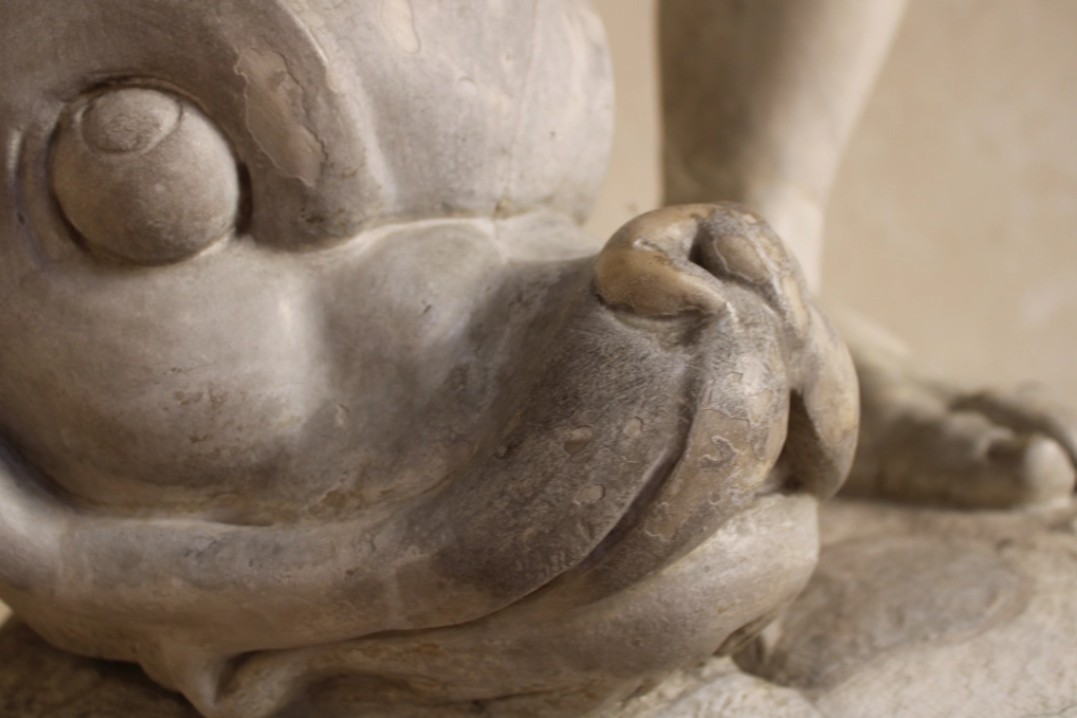
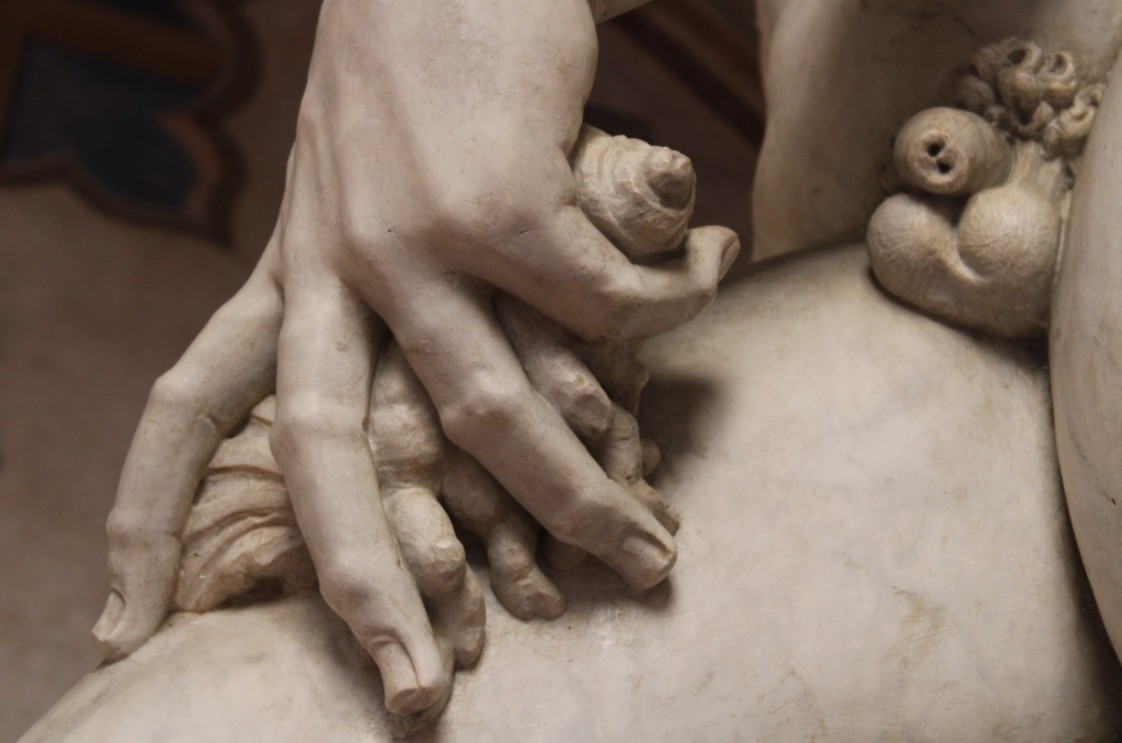
Oceano posa il suo piede destro sul capo di un delfino scolpito come si conveniva nel Cinquecento e tiene nella mano un paguro o qualcosa di simile, appoggiandolo sopra la coscia e assumendo una posa serpentinata che regala maggiore dinamismo a tutta l’opera.
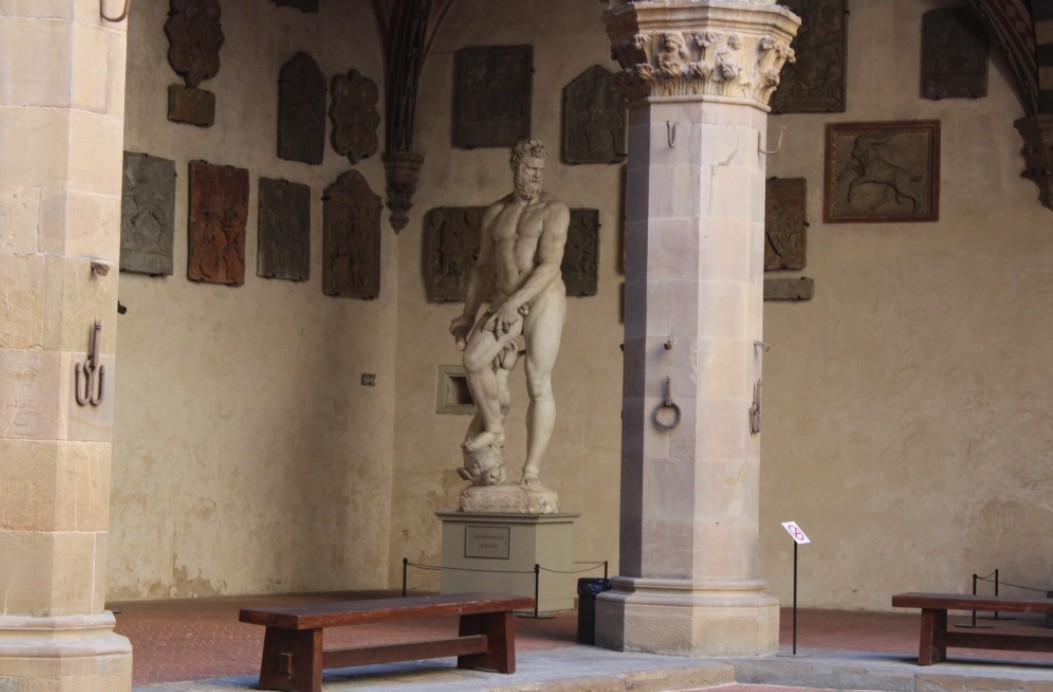
Se vi state chiedendo come mai il fulcro della fontana, ovvero la scultura di Oceano oggi si trovi al Bargello e non più nel giardino di Boboli, la ragione è molto semplice.
Nel 1811 fu trasferita nel cortile del Bargello per ragioni conservative e sostituita da una copia in marmo scolpita da Raffaello Romanello.
Per il momento il vostro Michelangelo Buonarroti vi saluta dandovi appuntamento ai prossimi post e sui social.

Sculpture of the day: Ocean by Giambologna
The sculpture of the day that I propose to you today is Ocean, sculpted by Giambologna and completed around 1575.
The Grand Duke Cosimo I de ‘Medici had brought a large granite basin to Florence from the Island of Elba and given its beauty, he wanted to use it to build a fountain in the heart of the Boboli Gardens, in the center of the amphitheater.
He turned to the Flemish sculptor Giambologna, born Jean de Boulogne, asking him to create such a beautiful work as to do honor to his name: “So let it be your thought to make this fountain in such a way that the cup does you credit, and the ‘your works to the cup”.
The artist wasted no time and set to work creating an elegant support for the granite cup, crowned by three marble sculptures that pour water directly into the basin, dominated by the imposing figure of Oceanus.
The three rivers in question are the Nile, the Euphrates and the Ganges and were carved in the act of sitting, interspersed with bas-reliefs that tell maritime stories.
Giambologna began working on the complex project of the Ocean Fountain starting from 1567. We know for sure that he created the model in 1571 and in the following years, between 1572 and 1575, numerous payments were made to the artist relating to the project in question.
If you look closely at the sculpture of Oceanus, you will realize that there are several similarities with the Neptune that Giambologna created between 1563 and 1566 in Bologna even if the Florentine sculpture to be honest seems less graceful.
Oceanus places his right foot on the head of a sculpted dolphin as was customary in the sixteenth century and holds a hermit crab or something similar in his hand, resting it on his thigh and assuming a serpentine pose that gives greater dynamism to the whole work.
If you are wondering why the fulcrum of the fountain, or rather the sculpture of Oceanus, is now in the Bargello and no longer in the Boboli Gardens, the reason is very simple. In 1811 it was moved to the courtyard of the Bargello for conservation reasons and replaced by a marble copy sculpted by Raffaello Romanello.
For the moment, your Michelangelo Buonarroti greets you by making an appointment for the next posts and on social media.

Sostienici – Support Us
Se questo blog ti piace e ti appassiona, puoi aiutarci a farlo crescere sempre più sostenendoci in modo concreto condividendo i post, seguendo le pagine social e con un contributo che ci aiuta ad andare avanti con il nostro lavoro di divulgazione. . ENGLISH: If you like and are passionate about this blog, you can help us make it grow more and more by supporting us in a concrete way by sharing posts, following social pages and with a contribution that helps us to move forward with our dissemination work.
10,00 €
-
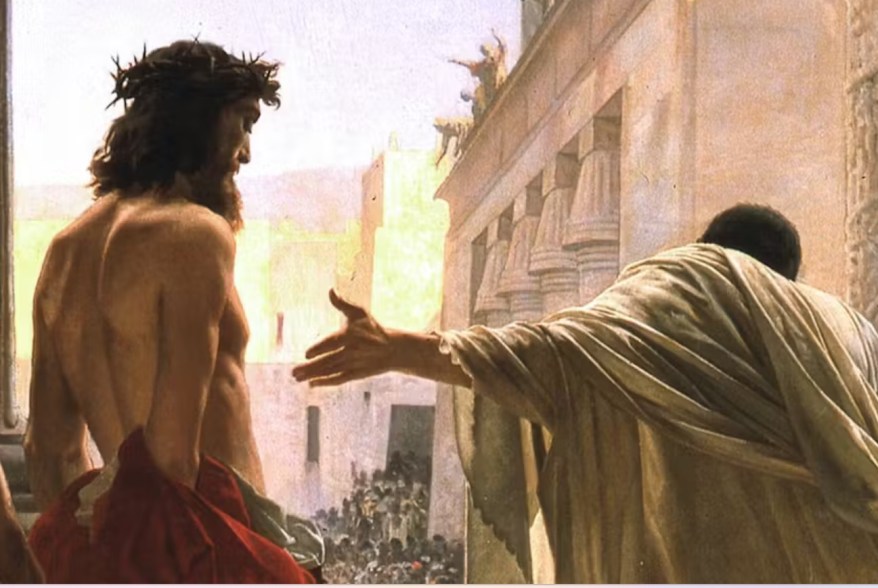
Venerdì Santo: gli “Ecce Homo” più intensi della storia dell’arte
🇮🇹Ecce Homo. Da Antonello da Messina a Tintoretto, fino al sorprendente capolavoro di Antonio Ciseri, questo soggetto ha attraversato i secoli raccontando dolore, umanità e coscienza… 🇬🇧Ecce Homo. From Antonello da Messina to Tintoretto, to Antonio Ciseri’s astonishing masterpiece, this subject has spanned the centuries, recounting pain, humanity, and conscience…
-
Attacco hacker agli Uffizi: rubati dati sensibili, mappe e codici di sicurezza
🇮🇹Attacco hacker alle Gallerie degli Uffizi: rubati dati sensibili, mappe e sistemi di sicurezza. A rischio opere, archivi e cybersicurezza del patrimonio artistico… 🇬🇧Hacker attack on the Uffizi Galleries: sensitive data, maps, and security systems stolen. Works of art, archives, and the cybersecurity of the artistic heritage are at risk…
-
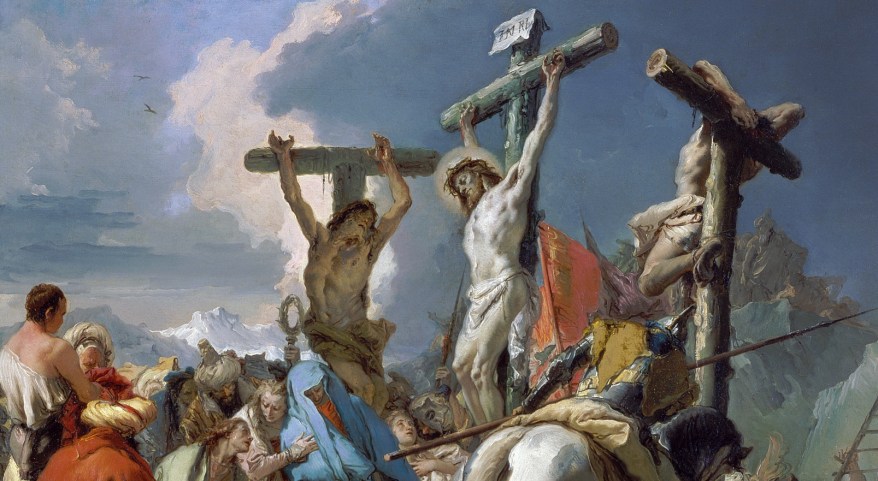
Venerdì Santo: la Crocifissione secondo Tiepolo
🇮🇹Nel giorno del Venerdì Santo, c’è un’opera che riesce ancora a scuotere lo sguardo. La Crocifissione di Giambattista Tiepolo non è come le altre: niente simmetrie perfette, niente distanza. Qui si entra dentro la scena, da un punto di vista obliquo, tra movimento, tensione e umanità… 🇬🇧On Good Friday, there’s a work that still manages…
Condividi:


Questo sono io





sostienici

Sostienici – Support Us
Se questo blog ti piace e ti appassiona, puoi aiutarci a farlo crescere sempre più sostenendoci in modo concreto condividendo i post, seguendo le pagine social e con un contributo che ci aiuta ad andare avanti con il nostro lavoro di divulgazione. . ENGLISH: If you like and are passionate about this blog, you can help us make it grow more and more by supporting us in a concrete way by sharing posts, following social pages and with a contribution that helps us to move forward with our dissemination work.
€10,00


