
10 agosto: il San Lorenzo che affrescai nel Giudizio Universale
Oggi 10 agosto si celebra San Lorenzo, copatrono di Firenze e patrono di tante città d’Italia. Fu uno dei sette diaconi di Roma e fu arso vivo durante l’impero di Valeriano, il 10 agosto del 257 dopo Cristo.
San Lorenzo fu uno dei santi che volli affrescare nel Giudizio Universale, immediatamente al di sotto del gruppo centrale di Cristo Giudice e la Madonna.
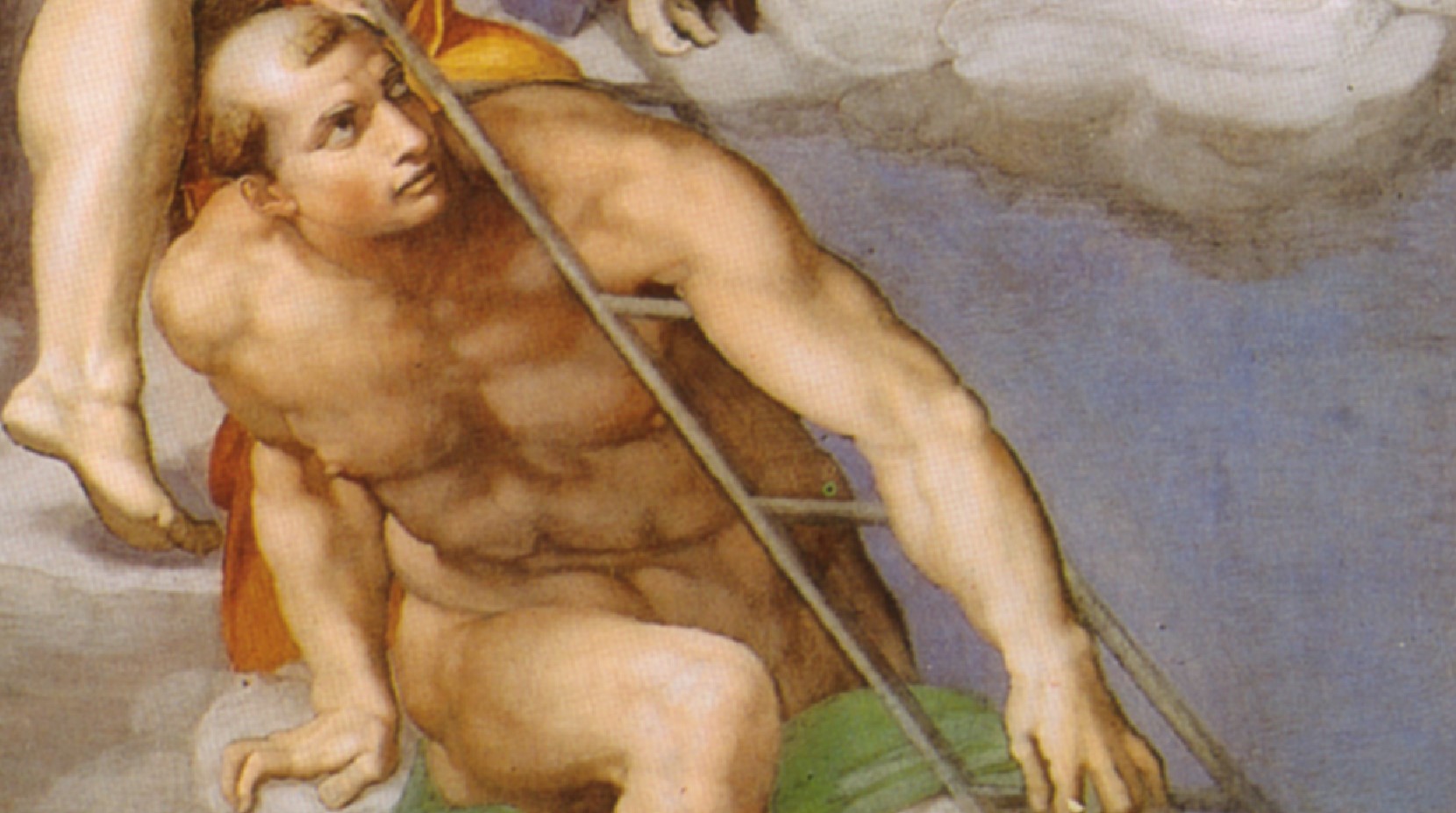
Il suo peso è sostenuto da una nuvola e siede sopra un panneggio verde. con spalla, braccio e mano sinistra la graticola sopra la quale lo arsero vivo.
Con il braccio e la mano sinistra tiene la graticola, simbolo del proprio atroce martirio. Come spesso accade per le mie figure scolpite o dipinte che siano, il corpo ha una posizione in contrapposto che la anima rendendola più dinamica.
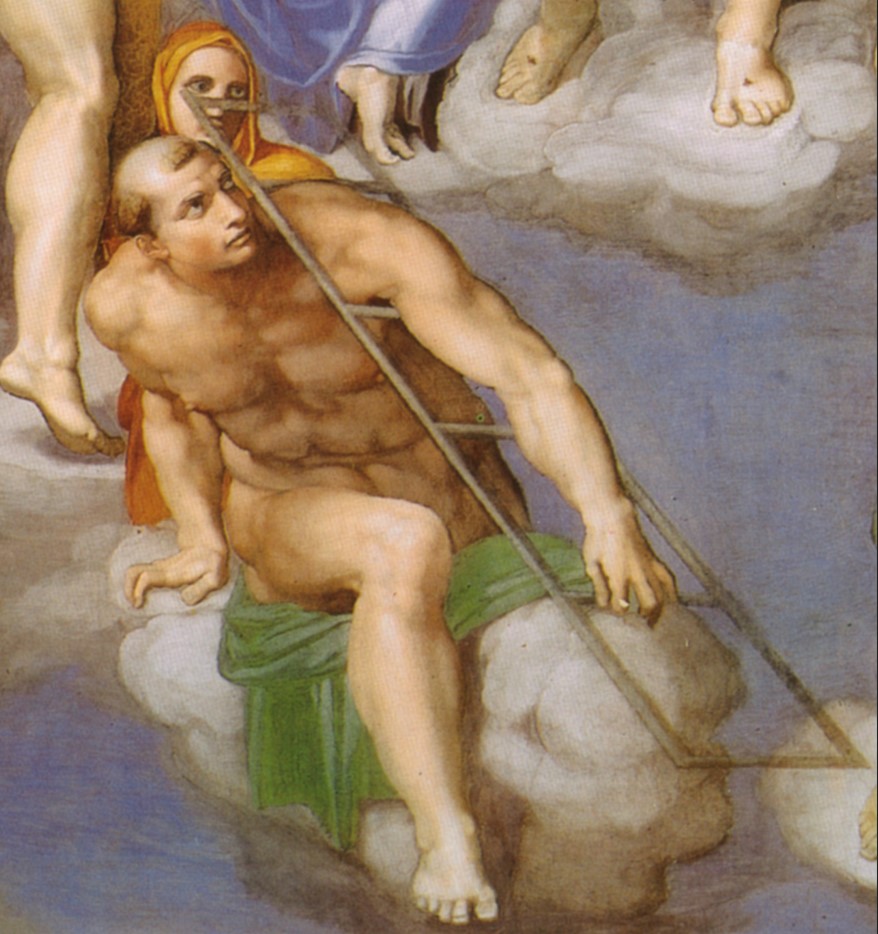
San Lorenzo rivolge lo sguardo verso Cristo Giudice che con i suo gesto del braccio levato dà il via al moto circolare della scena facendo scendere negli inferi i dannati e elevando alle glorie del cielo i salvati.
La testa del santo ha la classica tonsura che veniva fatta per segnare l’ingresso nello stato clericale di ogni individuo. Non era altro che il taglio di cinque ciocche di capelli fatto dal vescovo, simbolo della rinuncia delle cose del mondo.

Altra curiosità relativa a questa figura che forse ancora non sapete è direttamente collegata alla graticola che San Lorenzo trattiene.
Ebbene, non è più originale mia ma è frutto del rifacimento di Domenico Carnevali sotto il papato di Pio V Ghisleri.
Per il momento il vostro Michelangelo Buonarroti vi saluta dandovi appuntamento ai prossimi post e sui social.
10 August: the San Lorenzo that I frescoed in the Last Judgment
Today, August 10, San Lorenzo is celebrated, co-patron of Florence and patron of many cities in Italy. He was one of the seven deacons of Rome and was burned alive during the empire of Valerian, on August 10, 257 after Christ.
San Lorenzo was one of the saints I wanted to fresco in the Last Judgment immediately below the central group of Christ the Judge and the Madonna.
His weight is supported by a cloud and he sits on a green drapery. with shoulder, arm and left hand the grate above which they burned him alive.
With his left arm and hand he holds the grill, symbol of his atrocious martyrdom. As often happens with my sculpted or painted figures, the body has an opposing position that animates it and makes it more dynamic.
San Lorenzo turns his gaze towards Christ the Judge who, with the gesture of his raised arm, gives way to the circular motion of the scene, making the damned descend to hell and raising the saved to the glories of heaven.
The head of the saint has the classic tonsure which was done to mark the entry into the clerical state of each individual. It was none other than the cut of five locks of hair made by the bishop, a symbol of the renunciation of the things of the world.
Another curiosity relating to this figure that you may not yet know is directly connected to the grill that San Lorenzo holds. Well, it is no longer my original but is the result of the remake by Domenico Carnevali under the papacy of Pius V Ghisleri.
For the moment, your Michelangelo Buonarroti greets you by making an appointment for the next posts and on social media.

Sostienici – Support Us
Se questo blog ti piace e ti appassiona, puoi aiutarci a farlo crescere sempre più sostenendoci in modo concreto condividendo i post, seguendo le pagine social e con un contributo che ci aiuta ad andare avanti con il nostro lavoro di divulgazione. . ENGLISH: If you like and are passionate about this blog, you can help us make it grow more and more by supporting us in a concrete way by sharing posts, following social pages and with a contribution that helps us to move forward with our dissemination work.
8,00 €
-
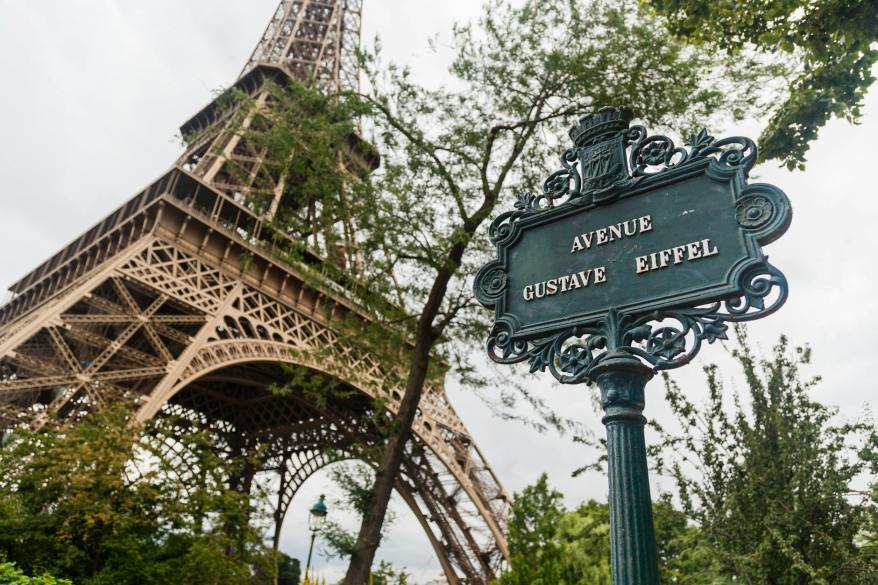
31 marzo 1889: inaugurata la Torre Eiffel tra critiche feroci e un destino inaspettato
🇮🇹Il 31 marzo 1889 segna una data destinata a cambiare per sempre il volto di Parigi e dell’immaginario collettivo globale: viene inaugurata la Torre Eiffel, l’opera più audace e discussa del suo tempo… 🇬🇧March 31, 1889 marks a date destined to change the face of Paris and the global collective imagination forever: the Eiffel Tower,…
-
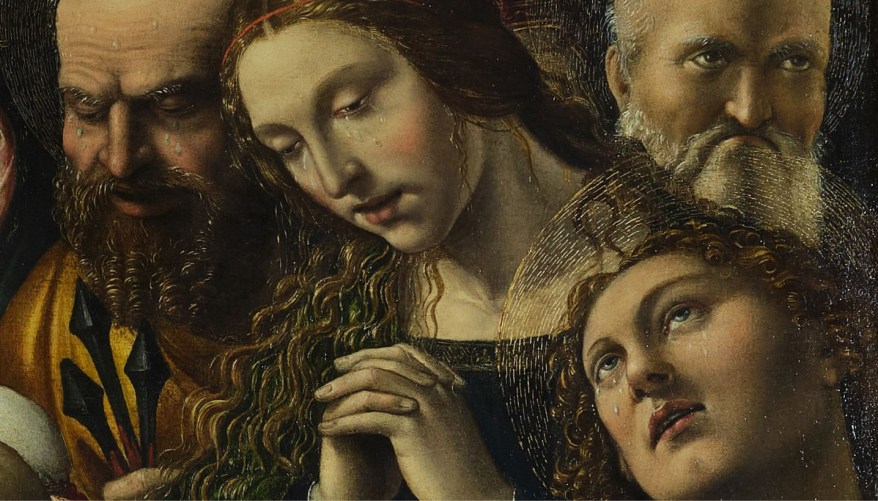
Sodoma in mostra a Torino: il Rinascimento al Museo Accorsi-Ometto
🇮🇹Al Museo di Arti Decorative Accorsi-Ometto arriva una mostra dedicata al Sodoma: oltre 50 opere, alcune mai viste prima, raccontano la formazione dell’artista e il suo dialogo con maestri come Pinturicchio… 🇬🇧An exhibition dedicated to Sodoma arrives at the Accorsi-Ometto Museum of Decorative Arts: over 50 works, some never before seen, recount the artist’s development…
-
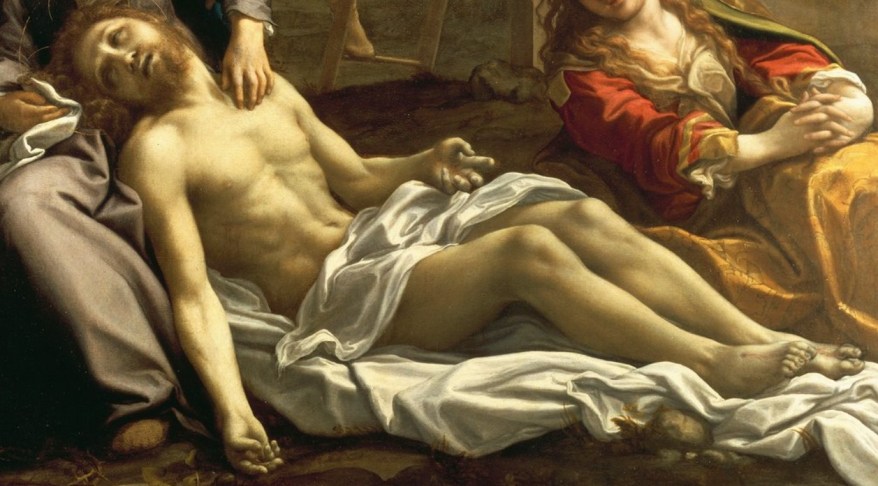
Il Compianto sul Cristo morto di Correggio: pathos e devozione
🇮🇹Con l’inizio della Settimana Santa, vi propongo il Compianto sul Cristo morto di Antonio Allegri, più noto come il Correggio: uno dei vertici assoluti della pittura emiliana del Cinquecento… 🇬🇧With the beginning of Holy Week, I propose the Lamentation over the Dead Christ by Antonio Allegri, better known as Correggio: one of the absolute peaks…
Condividi:


Questo sono io





sostienici

Sostienici – Support Us
Se questo blog ti piace e ti appassiona, puoi aiutarci a farlo crescere sempre più sostenendoci in modo concreto condividendo i post, seguendo le pagine social e con un contributo che ci aiuta ad andare avanti con il nostro lavoro di divulgazione. . ENGLISH: If you like and are passionate about this blog, you can help us make it grow more and more by supporting us in a concrete way by sharing posts, following social pages and with a contribution that helps us to move forward with our dissemination work.
€10,00


