
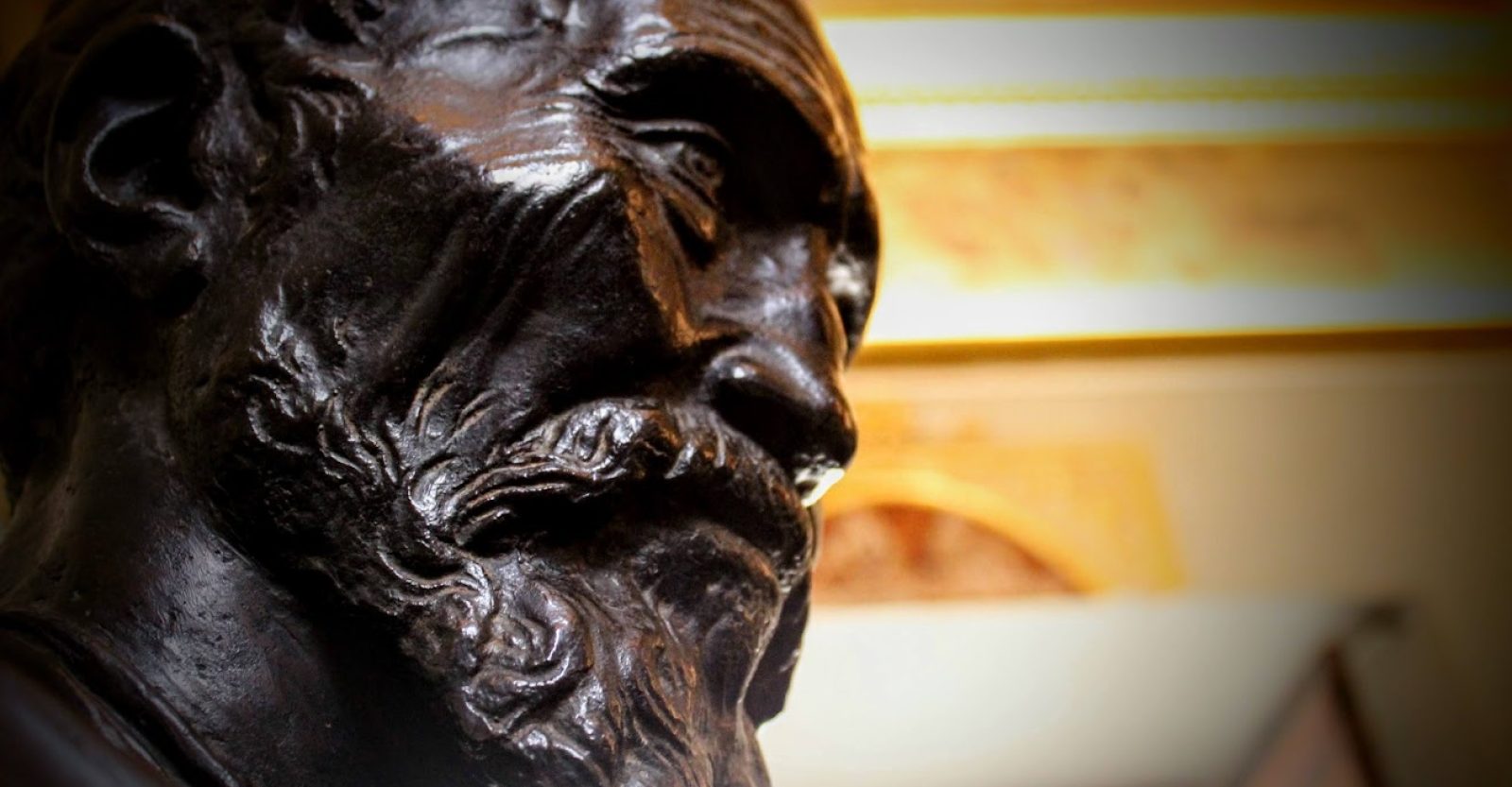
Tiberio Calcagni: uno dei miei ultimi preziosi collaboratori
Tiberio Calcagni fu uno dei miei ultimi collaboratori più fidati. Era nato a Firenze nel febbraio del 1532 ed era assai abile con mazzuolo e scalpello ma non solo.
A lui affidai il completamento prima del Bruto pensato per il Giannotti e poi della Pietà Bandini. A dire il vero sulla Pietà dovette fare anche un gran lavoro di assemblaggio dopo che l’avevo presa a martellate e poi tentò di ultimare quelle parti che lasciai incomplete.
Non riuscì a ultimare l’opera perché disgraziatamente morì prima di quanto si potesse immaginare. Per lui la morte sopraggiunse il 7 dicembre del 1565, a trentatré anni come Cristo. Io ero morto l’anno prima a febbraio.
Fu sepolto nella chiesa di San Giovanni Decollato a Roma e ancora oggi lì è presente una lapide che lo ricorda.

Il Calcagni mi aiutò anche nella realizzazione dei disegni architettonici della chiesa di San Giovanni dei Fiorentini e fu sempre lui che portò quei progetti a far vedere a Firenze, nel 1560, al duca Cosimo I occupandosi anche di realizzare il modello in terra della stessa chiesa.
Durante gli ultimi anni della mia vita scriveva spesso al mi nipote Lionardo a Firenze per raccontargli come procedevano le cose e questioni legate alla mia salute o ai conflitti che avevo con i deputati della fabbrica di San Pietro.

Era un ragazzo perbene il Calcagni, volenteroso e sempre pronto a dare una mano. Non sarà stato il migliore scultore sulla terra ma aveva altre qualità che valevano più dell’oro zecchino.
Parecchio stimato anche dal Vasari e da Taddeo Zuccari, fu capace di tessere un buon legame anche con il mi nipote Lionardo.
Per il momento il vostro Michelangelo Buonarroti vi saluta dandovi appuntamento ai prossimi post e sui social.
Tiberio Calcagni: one of my last precious collaborators
Tiberio Calcagni was one of my last most trusted collaborators. He was born in Florence in February 1532 and was very skilled with mallet and chisel but not only.
I entrusted him with the completion first of the Brutus designed for Giannotti and then of the Pietà Bandini. To tell the truth, he also had to do a lot of assembly work on the Pietà after I had hammered it and then he tried to complete those parts that I left incomplete.
He was unable to complete the work because unfortunately he died earlier than anyone could have imagined. For him death came on December 7, 1565, at thirty-three years like Christ. I had died the year before in February.
He was buried in the church of San Giovanni Decollato in Rome and there is still a plaque there today to commemorate him.
Calcagni also helped me in the realization of the architectural drawings of the church of San Giovanni dei Fiorentini and it was he who brought those projects to show Duke Cosimo I in Florence in 1560, also taking care of creating the earthen model of the same church.
During the last years of my life I often wrote to my nephew Lionardo in Florence to tell him how things were proceeding and questions related to my health or the conflicts I had with the deputies of the San Pietro factory.
Calcagni was a respectable boy, willing and always ready to lend a hand. He may not have been the best sculptor on earth but he had other skills that were worth more than gold.
Also highly esteemed by Vasari and Taddeo Zuccari, he was able to weave a good bond even with my nephew Lionardo.
For the moment, your Michelangelo Buonarroti greets you by making an appointment for the next posts and on social media.

Sostienici – Support Us
Se questo blog ti piace e ti appassiona, puoi aiutarci a farlo crescere sempre più sostenendoci in modo concreto condividendo i post, seguendo le pagine social e con un contributo che ci aiuta ad andare avanti con il nostro lavoro di divulgazione. . ENGLISH: If you like and are passionate about this blog, you can help us make it grow more and more by supporting us in a concrete way by sharing posts, following social pages and with a contribution that helps us to move forward with our dissemination work.
8,00 €
-
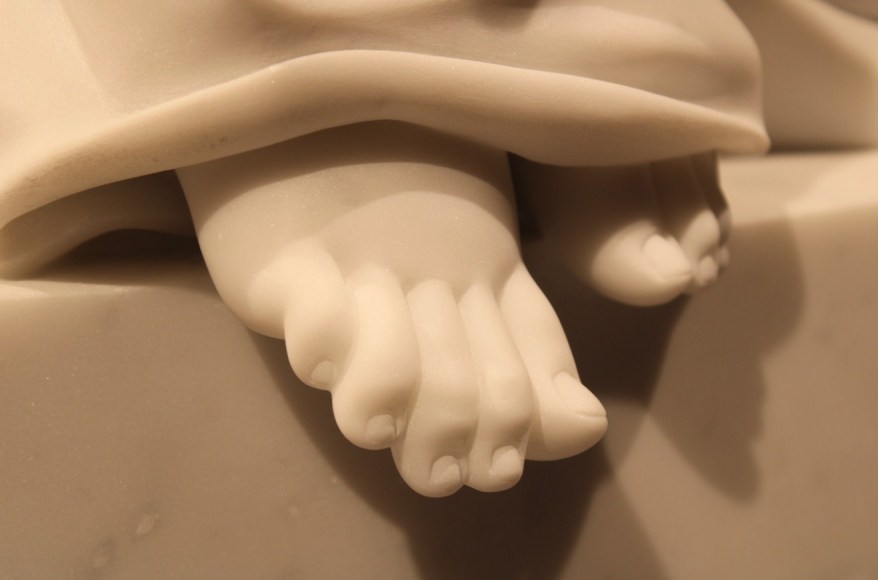
La Pietà di Tincolini: a Pontedera l’arte torna a fare domande scomode
🇮🇹“Pietà”, la scultura di Filippo Tincolini, insieme alle parole di Federico Quaranta e Andrea Pezzi, non è stato solo uno spettacolo. È stata una domanda lanciata in faccia al pubblico, impossibile da evitare: siamo ancora capaci di provare pietà? 🇬🇧 “Pietà,” Filippo Tincolini’s sculpture, along with the words of Federico Quaranta and Andrea Pezzi, wasn’t…
-
Ai Musei Vaticani i fasti barocchi di Urbano VIII: in mostra gli arazzi della manifattura Barberini
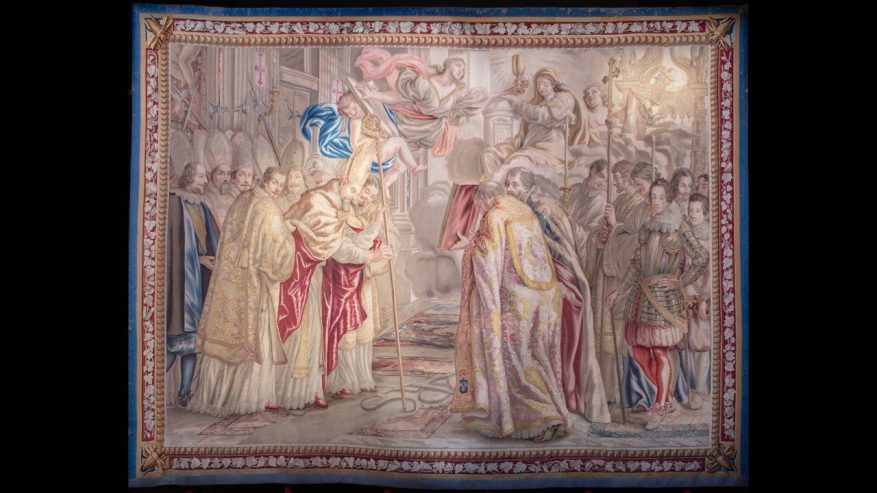
🇮🇹A quattro secoli dalla consacrazione della Basilica di San Pietro, i Musei Vaticani dedicano una mostra all’Arazzeria Barberini, simbolo di una cultura visiva capace di fondere magnificenza estetica e affermazione politica… 🇬🇧Four centuries after the consecration of St. Peter’s Basilica, the Vatican Museums are dedicating an exhibition to the Barberini Tapestry Factory, a symbol of…
-
Le Opere della Pasqua: come la Resurrezione ha ispirato Arte e Cultura
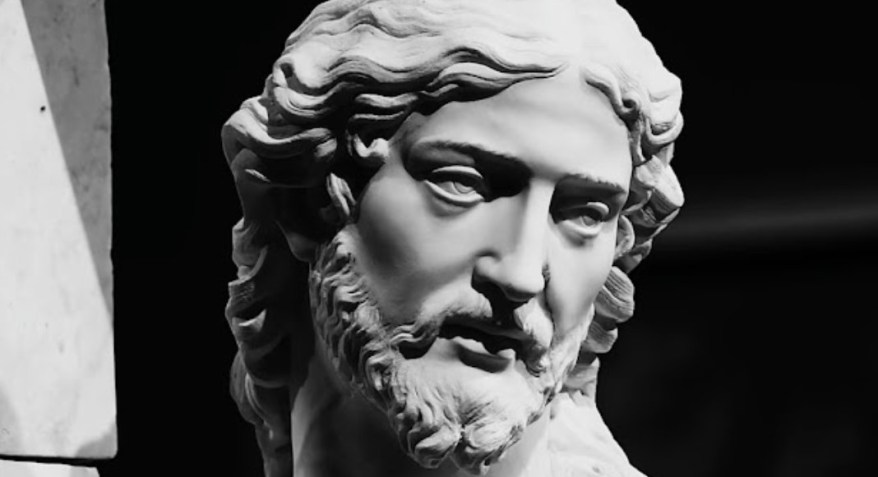
🇮🇹La Pasqua, oltre ad essere una ricorrenza religiosa è un momento in cui la storia, l’arte e la spiritualità si intrecciano per raccontare il fulcro della fede cristiana: la resurrezione di Cristo. .. 🇬🇧Easter, beyond being a religious holiday, is a moment when history, art, and spirituality intertwine to recount the core of the Christian…
Condividi:


Questo sono io





sostienici

Sostienici – Support Us
Se questo blog ti piace e ti appassiona, puoi aiutarci a farlo crescere sempre più sostenendoci in modo concreto condividendo i post, seguendo le pagine social e con un contributo che ci aiuta ad andare avanti con il nostro lavoro di divulgazione. . ENGLISH: If you like and are passionate about this blog, you can help us make it grow more and more by supporting us in a concrete way by sharing posts, following social pages and with a contribution that helps us to move forward with our dissemination work.
€10,00


