

Battaglia dei Centauri: fra sassi e bastoni
Lavorai alla Battaglia dei Centauri fra il 1490 e il 1492 presso la corte del Magnifico, quando stavo studiando i primi rudimenti della scultura nel Giardino di San Marco, sotto la guida di Bertoldo di Giovanni, l’allievo più talentuoso di Donatello.
Il soggetto scelto tratto da Ovidio e Hygino, stando a quanto racconta Condivi, mi fu suggerito da Poliziano, illustre poeta che di fatto apparteneva alla famiglia allargata di Lorenzo de’ Medici.

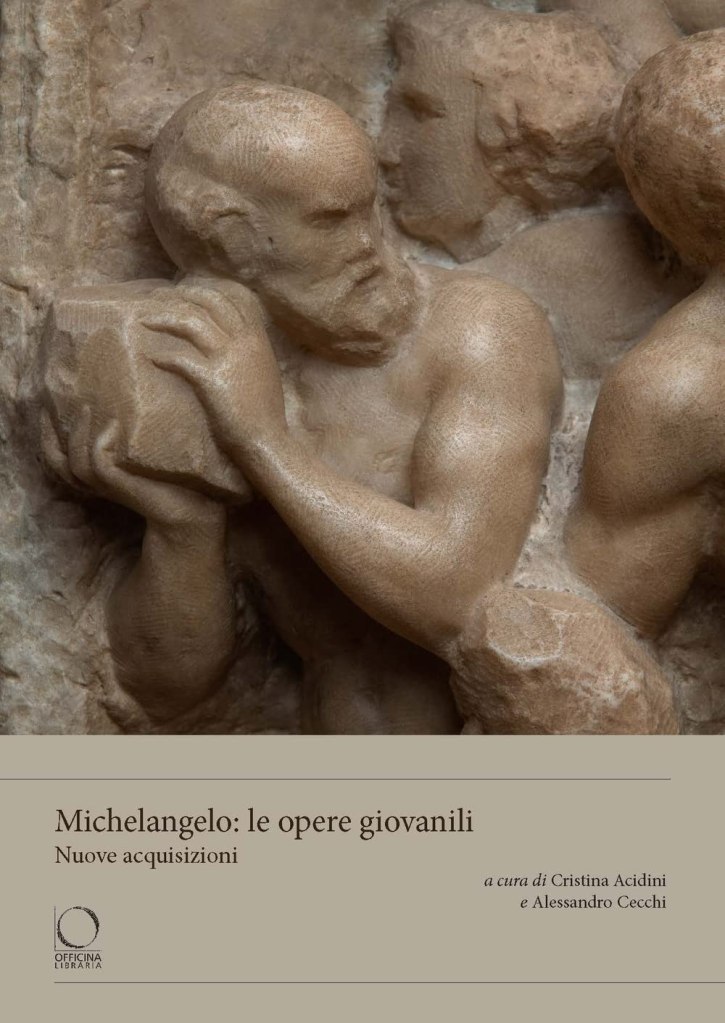
Se osservate con particolare attenzione la Battaglia dei Centauri, vi renderete conto che sono presenti due strumenti di offesa diversi: pietre e bastoni.
Non misi però in mano a tutti senza criterio entrambi gli oggetti ma volli far usare ai lapiti le rocce mentre ai centauri i bastoni.
Questa differenziazione non è supportata da alcun testo letterario precedente: non esiste infatti alcun scritto antico in cui i due contendenti vengano armati in modo così diverso.
Fu una mia scelta stilistica adoperata probabilmente per distinguere ancora meglio le due fazioni contendenti.

Solo un lapita è armato in modo diverso da tutti gli altri ed è quello in alto a sinistra che utilizza l’arco, puntandolo in direzione di quello che sembra essere il capo dei centauri, al centro della scena.
Vi faccio notare un’altra cosa di questa mia opera giovanile.
Sempre al centro della scena, in basso, si vedono due centauri morti ed è stato ipotizzato possano essere Cyllaurus e la sua innamorata.

Per il momento il vostro Michelangelo Buonarroti vi saluta dandovi appuntamento ai prossimi post e sui social.
Battle of the Centaurs: between stones and sticks
I worked on the Battle of the Centaurs between 1490 and 1492 at the court of the Magnifico, when I was studying the rudiments of sculpture in the Garden of San Marco, under the guidance of Bertoldo di Giovanni, Donatello’s most talented pupil.
According to Condivi, the chosen subject taken from Ovid and Hygino was suggested to me by Poliziano, an illustrious poet who in fact belonged to the extended family of Lorenzo de’ Medici.
If you look closely at the Battle of the Centaurs, you will realize that there are two different offensive tools: stones and sticks. However, I did not put both objects into everyone’s hands without criteria but I wanted to make the lapiths use the rocks while the centaurs the sticks.
This differentiation is not supported by any previous literary text: in fact, there is no ancient writing in which the two contenders are armed in such a different way.
It was my stylistic choice probably used to better distinguish the two contending factions.
Only one Lapith is armed differently from all the others and it is the one in the upper left who uses the bow, pointing it in the direction of what appears to be the leader of the centaurs, in the center of the scene.
I would like to point out another thing about this early work of mine.
Always in the center of the scene, below, two dead centaurs can be seen and it has been hypothesized that they may be Cyllaurus and his love for him.
For the moment, your Michelangelo Buonarroti greets you by making an appointment for the next posts and on social media.

Sostienici – Support Us
Se questo blog ti piace e ti appassiona, puoi aiutarci a farlo crescere sempre più sostenendoci in modo concreto condividendo i post, seguendo le pagine social e con un contributo che ci aiuta ad andare avanti con il nostro lavoro di divulgazione. . ENGLISH: If you like and are passionate about this blog, you can help us make it grow more and more by supporting us in a concrete way by sharing posts, following social pages and with a contribution that helps us to move forward with our dissemination work.
8,00 €
-
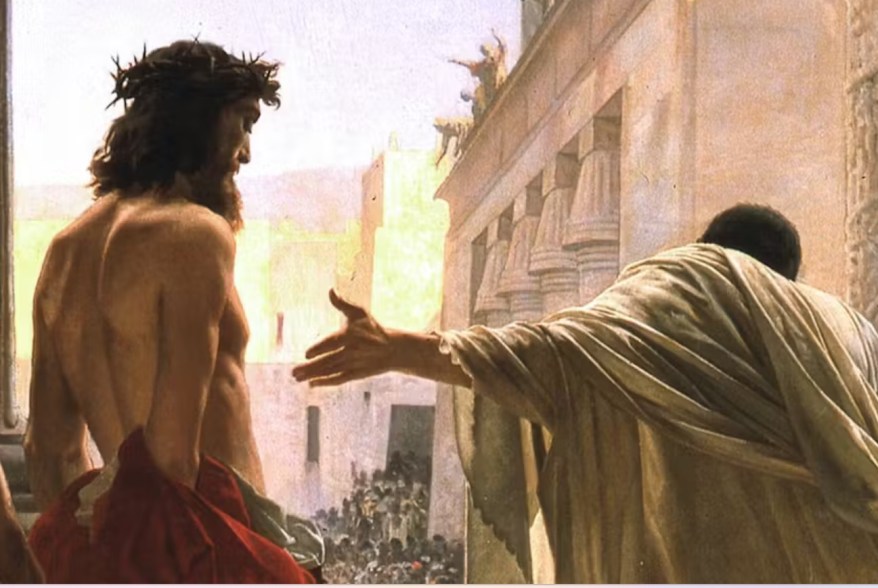
Venerdì Santo: gli “Ecce Homo” più intensi della storia dell’arte
🇮🇹Ecce Homo. Da Antonello da Messina a Tintoretto, fino al sorprendente capolavoro di Antonio Ciseri, questo soggetto ha attraversato i secoli raccontando dolore, umanità e coscienza… 🇬🇧Ecce Homo. From Antonello da Messina to Tintoretto, to Antonio Ciseri’s astonishing masterpiece, this subject has spanned the centuries, recounting pain, humanity, and conscience…
-
Attacco hacker agli Uffizi: rubati dati sensibili, mappe e codici di sicurezza
🇮🇹Attacco hacker alle Gallerie degli Uffizi: rubati dati sensibili, mappe e sistemi di sicurezza. A rischio opere, archivi e cybersicurezza del patrimonio artistico… 🇬🇧Hacker attack on the Uffizi Galleries: sensitive data, maps, and security systems stolen. Works of art, archives, and the cybersecurity of the artistic heritage are at risk…
-
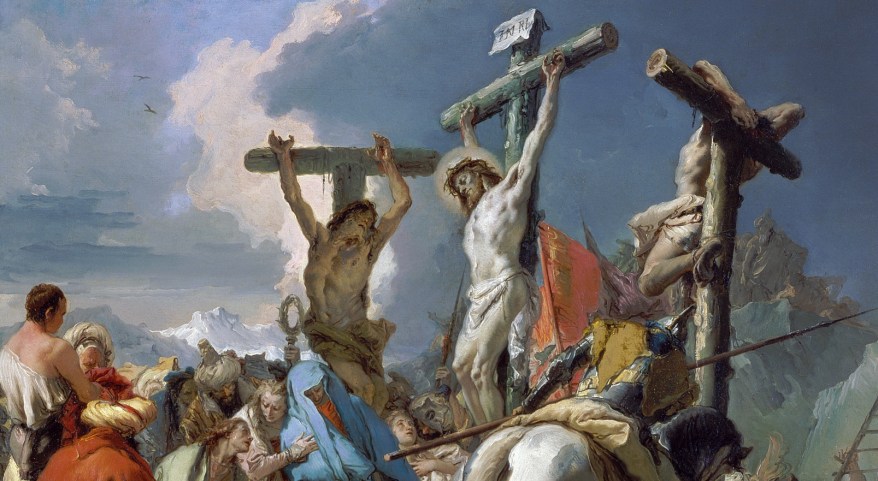
Venerdì Santo: la Crocifissione secondo Tiepolo
🇮🇹Nel giorno del Venerdì Santo, c’è un’opera che riesce ancora a scuotere lo sguardo. La Crocifissione di Giambattista Tiepolo non è come le altre: niente simmetrie perfette, niente distanza. Qui si entra dentro la scena, da un punto di vista obliquo, tra movimento, tensione e umanità… 🇬🇧On Good Friday, there’s a work that still manages…
Condividi:


Questo sono io





sostienici

Sostienici – Support Us
Se questo blog ti piace e ti appassiona, puoi aiutarci a farlo crescere sempre più sostenendoci in modo concreto condividendo i post, seguendo le pagine social e con un contributo che ci aiuta ad andare avanti con il nostro lavoro di divulgazione. . ENGLISH: If you like and are passionate about this blog, you can help us make it grow more and more by supporting us in a concrete way by sharing posts, following social pages and with a contribution that helps us to move forward with our dissemination work.
€10,00


