

La Scultura del giorno: il Pugile in riposo
La scultura del giorno di cui voglio parlarvi oggi è il Pugile in riposo, una straordinaria scultura in bronzo originale greca o copia romana di quella greca della seconda metà del Quarto secolo avanti Cristo attribuita a Lisippo o comunque alla sua cerchia più ristretta.
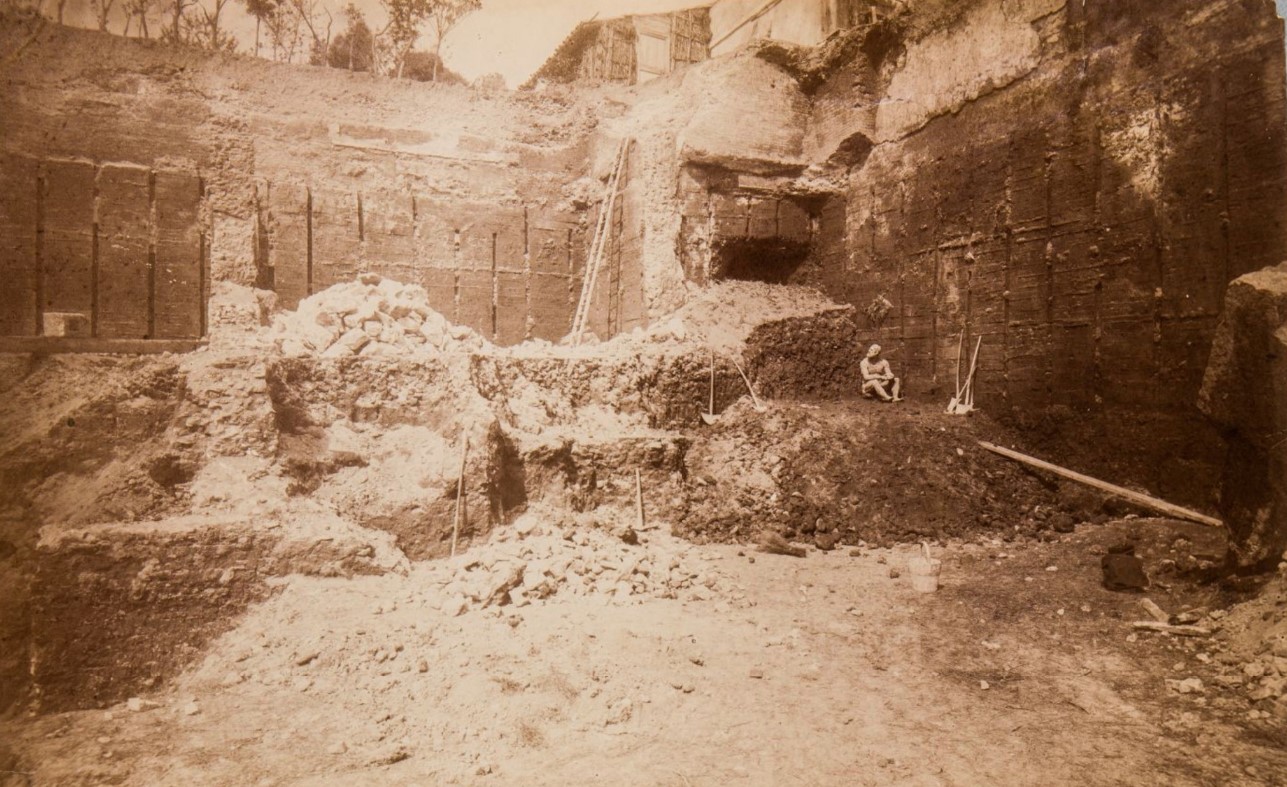
Il Pugile in riposto fu rinvenuto nel 1885, laddove c’erano i resti delle Terme di Costantino, ai piedi del Quirinale.
Grazie agli scavi in corso, riuscì a riemergere dall’oblio sotto sei metri di terra che lo proteggevano, posizionato fra il secondo e terzo muro di fondazione di un vecchio edificio. Assieme a lui era sepolto anche un altro prezioso bronzo che non aveva però alcun legame con l’opera in questione: il cosiddetto Principe ellenistico.
Durante il ritrovamento fu subito chiaro agli archeologi che l’opera era stata sepolta di proposito con estrema cautela. Era stato creato appositamente un fosso fra le fondamenta e il bronzo collocato al di sopra di un capitello dorico.
Lo scavo poi era stato riempito con terra setacciata per evitare che qualche sasso potesse graffiare o ammaccare il capolavoro.
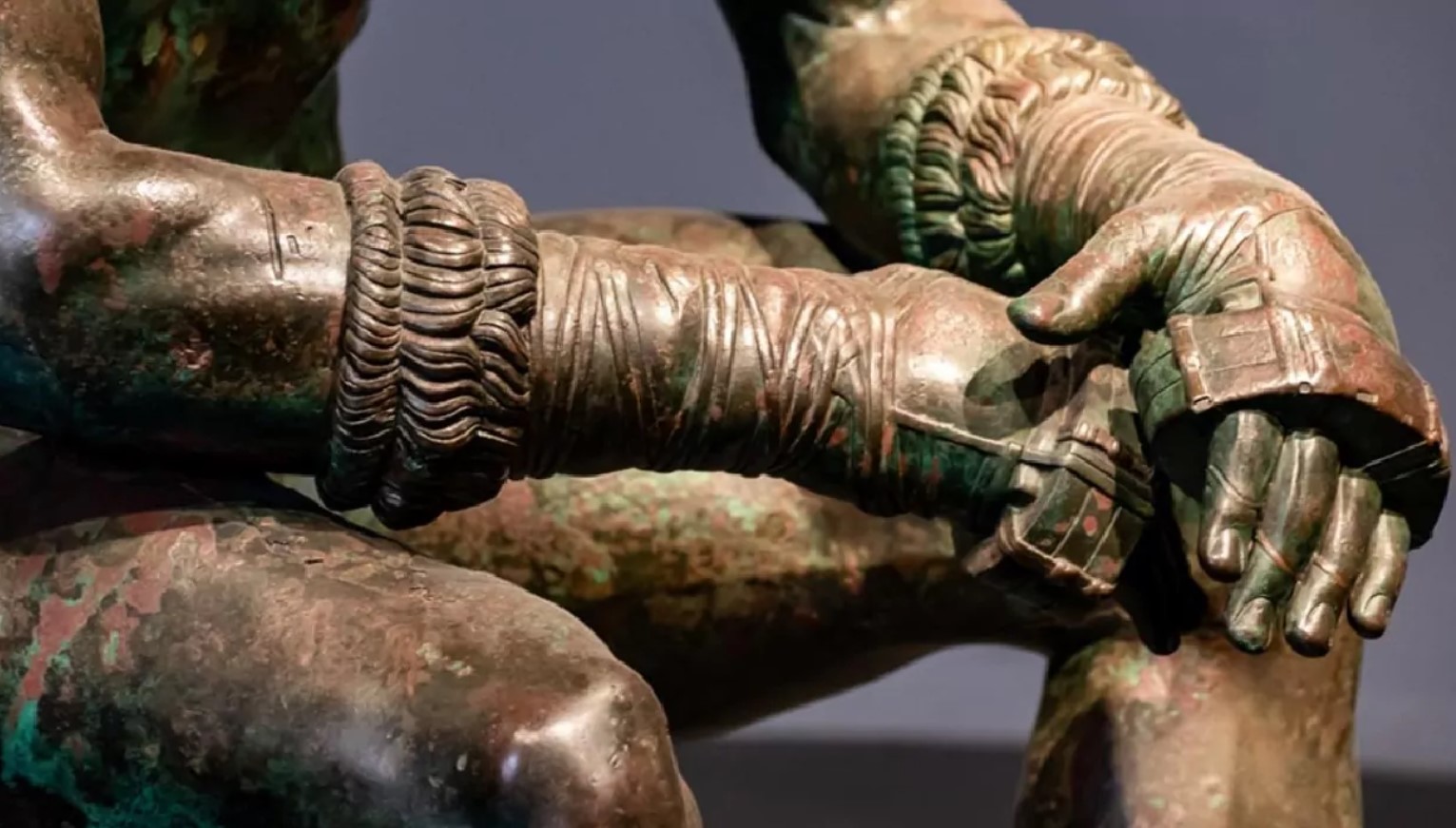
L’opera rappresenta un pugile seduto che si riposa appena dopo un incontro. Osservate le mani protette dai guantoni da combattimento che all’epoca erano chiamati Himantes Oxeis.
Venivano indossati dai combattenti a partire dal IV secolo a.C. mettendo le quattro dita della mano in un anello formato da strisce di cuoio tenute assieme da borchie in metallo.
La cosa assai interessante è che l’atleta propone un grande contrasto fra la quiete del momento rappresentata dalla posa del corpo e quello scatto repentino del capo che si volta verso destra, come se fosse chiamato da qualcuno o la sua attenzione fosse improvvisamente catturata da qualcosa.
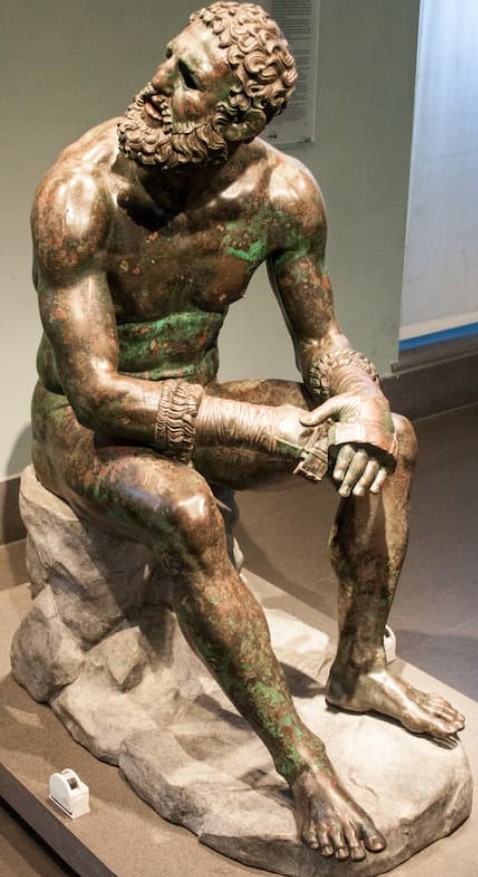
Il corpo è muscoloso come si confà alla disciplina sportiva praticata. Presenta un volto maturo, non più da ragazzino, con una barba curata e i segni lasciati da scontri precedenti.
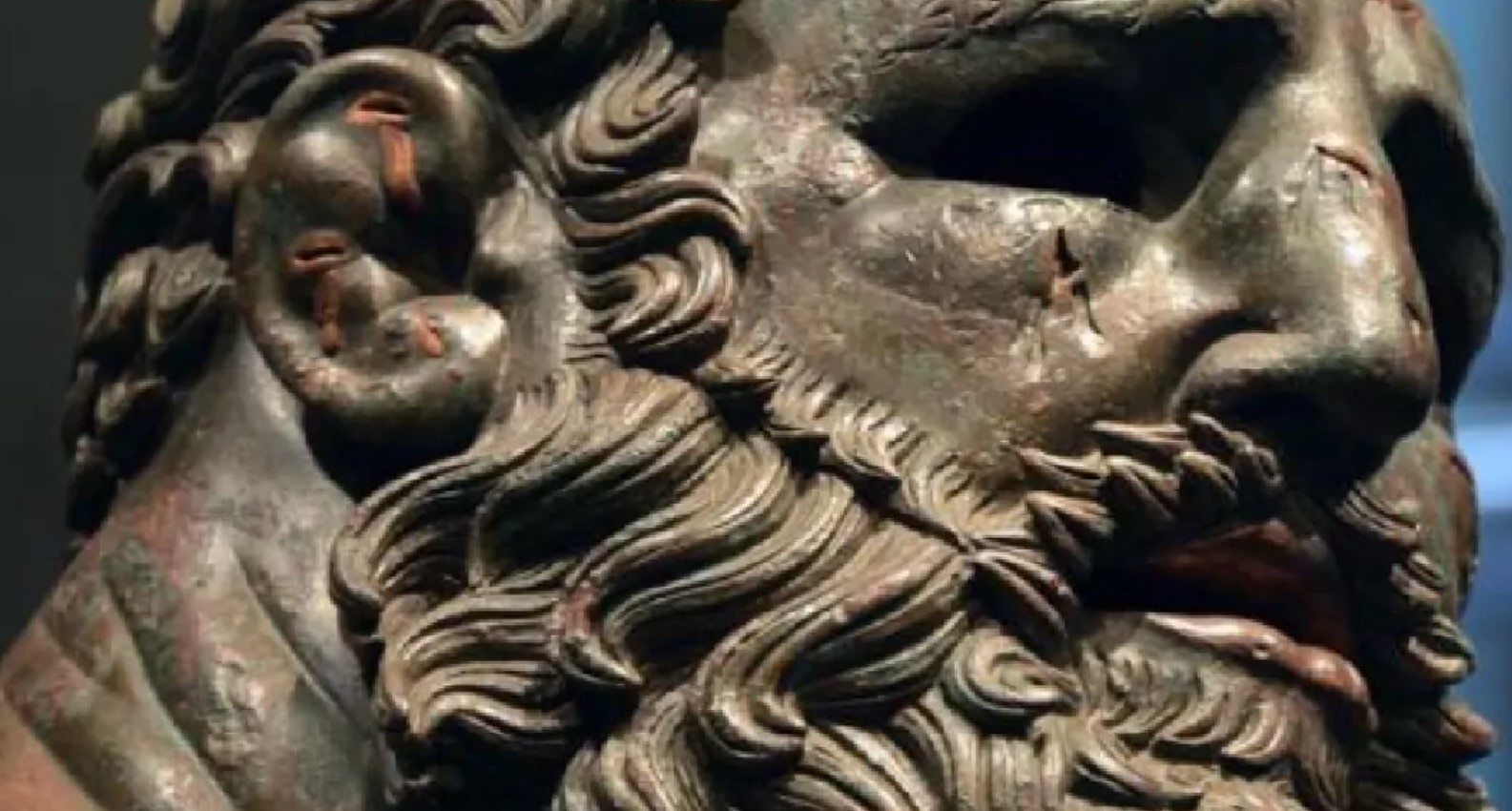
Guardando il Pugile a distanza ravvicinata noterete la presenza di inserti rossastri in rame sulla spalla destra, sulla coscia, sull’avambraccio e finanche sui guanti: sono le gocce di sangue che sono colate dalla sua orecchie evidentemente ferite nel momento in cui il pugile si è voltato di scatto.
L’atleta presenta anche delle deformazioni o meglio, delle tumefazioni sulle orecchie.
Quel tipo di problema noto anche con il nome di orecchie a cavolfiore è causato dai colpi dei guantoni, riscontrabile anche al giorno d’oggi in chi pratica MMA o altre discipline lottatorie che non prevedono l’uso del caschetto.
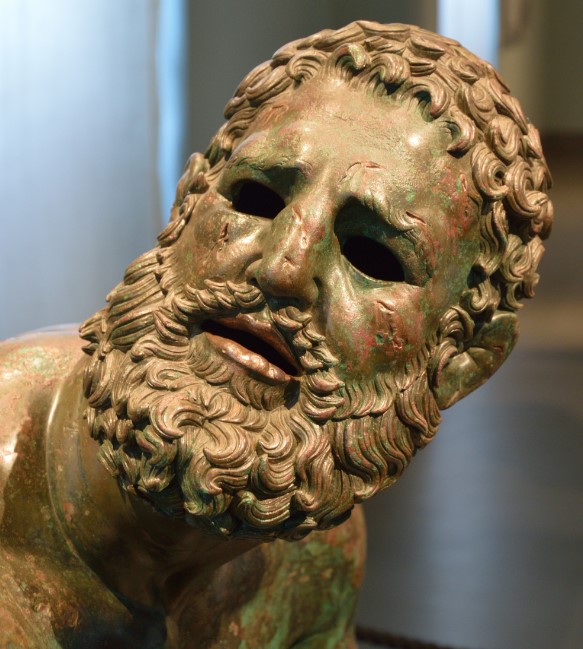
Per quanto riguarda la tecnica esecutiva, l’opera fu realizzata con il metodo della fusione a cera persa ed è costituita da otto parti assemblate assieme.
Alcuni dettagli come le labbra, le cicatrici sul viso o le ferite, furono fuse a parte adoperando una lega più scura. Anche la calotta cranica fu fusa a parte per consentire successivamente l’inserimento degli occhi policromi dall’interno, purtroppo andati perduti.
I capelli, la barba e le unghie sono stati rifiniti a freddo.
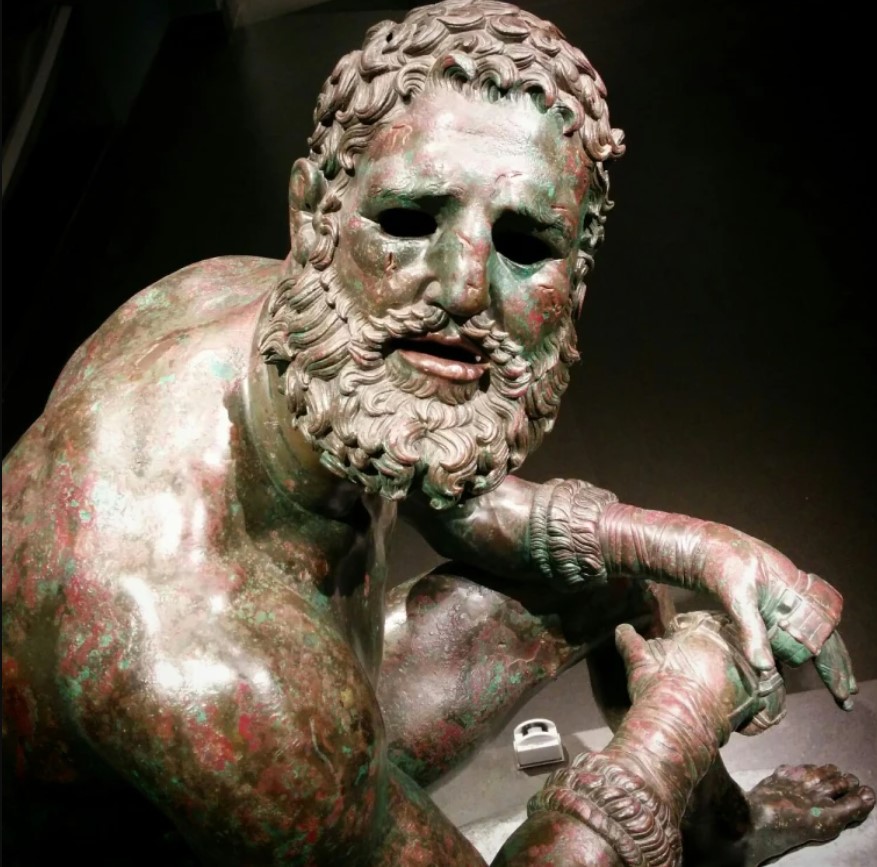
Probabilmente questo capolavoro in passato fu molto venerato e ammirato tanto che le sue estremità risultano molto lucide a causa del tocco continuo delle persone.
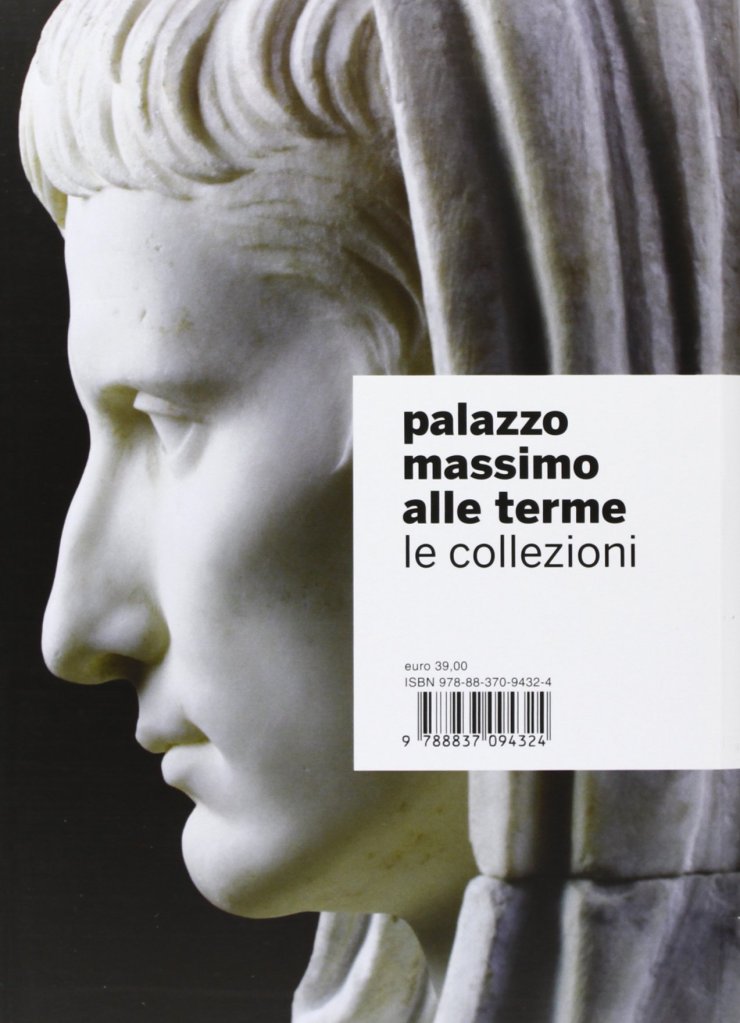
Se volete vedere il Pugile a riposo con i vostri occhi, oggi è custodito a Roma, nel Museo Nazionale Romano, nella sede di Palazzo Massimo, ubicato al numero 2 di Largo di Villa Peretti, a pochi passi dalla Stazione Termini.
Per il momento il vostro Michelangelo Buonarroti vi saluta dandovi appuntamento ai prossimi post e sui social.
Sculpture of the day: the Boxer at rest
The sculpture of the day I want to tell you about today is the Boxer at rest, an extraordinary original Greek bronze sculpture or Roman copy of the Greek one from the second half of the fourth century BC attributed to Lysippos or in any case to his closest circle.
The Boxer in Rest was found in 1885, where there were the remains of the Baths of Constantine, at the foot of the Quirinale.
Thanks to the ongoing excavations, he managed to re-emerge from oblivion under six meters of earth that protected him, positioned between the second and third foundation wall of an old building. Also buried with him was another precious bronze which, however, had no connection with the work in question: the so-called Hellenistic Prince.
During the discovery it was immediately clear to the archaeologists that the work had been buried on purpose with extreme caution. A ditch was specially created between the foundations and the bronze placed above a Doric capital.
The excavation was then filled with sieved earth to prevent any stones from scratching or denting the masterpiece.
The work represents a seated boxer who is resting just after a fight. Observe the hands protected by the fighting gloves which were called Himantes Oxeis at the time.
They were worn by fighters from the 4th century BC. placing the four fingers of the hand in a ring formed by leather strips held together by metal studs.
The very interesting thing is that the athlete offers a great contrast between the stillness of the moment represented by the pose of the body and that sudden snap of the head that turns to the right, as if he were called by someone or his attention was suddenly captured by something .
The body is muscular as befits the sport practiced. He has a mature face, no longer that of a boy, with a well-groomed beard and the marks left by previous clashes.
Looking at the Boxer at close range, you will notice the presence of reddish copper inserts on the right shoulder, on the thigh, on the forearm and even on the gloves: they are the drops of blood that have flowed from his evidently wounded ears when the boxer turned abruptly.
The athlete also has deformations or better, swellings on the ears.
That type of problem also known by the name of cauliflower ears is caused by the blows of boxing gloves, which can also be found nowadays in those who practice MMA or other fighting disciplines that do not involve the use of a helmet.
As regards the executive technique, the work was created with the lost wax casting method and consists of eight parts assembled together.
Some details such as the lips, the scars on the face or the wounds were cast apart using a darker alloy. Even the skullcap was cast apart to allow the later insertion of the polychrome eyes from the inside, unfortunately lost.
The hair, beard and nails have been cold finished.
This masterpiece was probably much revered and admired in the past, so much so that its ends are very shiny due to the continuous touch of people.
If you want to see the Boxer at rest with your own eyes, today he is kept in Rome, in the Roman National Museum, in the Palazzo Massimo headquarters, located at number 2 of Largo di Villa Peretti, a few steps from Termini Station.
For the moment, your Michelangelo Buonarroti greets you by making an appointment for the next posts and on social media.

Sostienici – Support Us
Se questo blog ti piace e ti appassiona, puoi aiutarci a farlo crescere sempre più sostenendoci in modo concreto condividendo i post, seguendo le pagine social e con un contributo che ci aiuta ad andare avanti con il nostro lavoro di divulgazione. . ENGLISH: If you like and are passionate about this blog, you can help us make it grow more and more by supporting us in a concrete way by sharing posts, following social pages and with a contribution that helps us to move forward with our dissemination work.
8,00 €
-
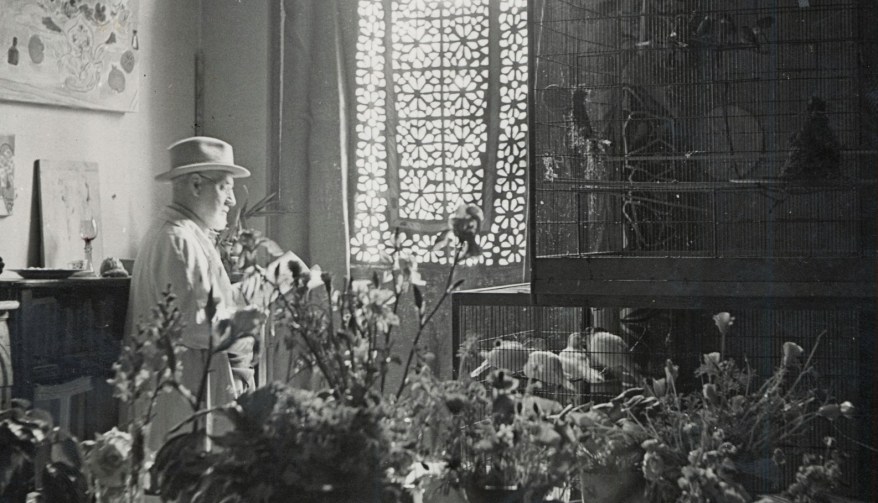
Matisse, il mondo intero dentro una stanza: al MUDEC la mostra che racconta la sua arte
🇮🇹’Matisse. Il mondo in una stanza’ al MUDEC di Milano racconta come Africa, Islam, Russia, Cina e Tahiti cambiarono l’arte di Henri Matisse… 🇬🇧’Matisse: The World in a Room’ at MUDEC in Milan tells the story of how Africa, Islam, Russia, China, and Tahiti transformed the art of Henri Matisse…
-
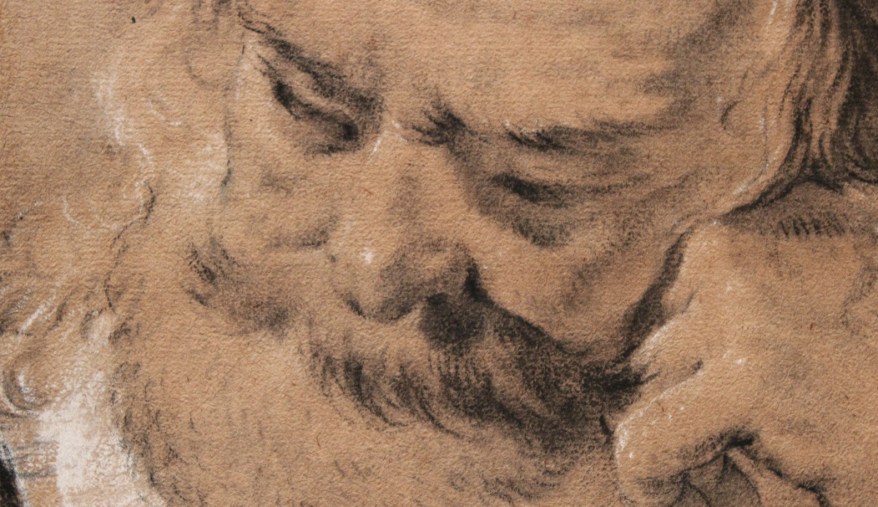
Giovanni Battista Piazzetta, il vecchio che sembra vivo: la poesia in un disegno
🇮🇹Una testa, una barba, due mani e una luce straordinaria: nella Testa di vecchio, Piazzetta trasforma gesso bianco e nero e carta bruna in un’immagine di incredibile intensità… 🇬🇧A head, a beard, two hands, and extraordinary light: in *Head of an Old Man*, Piazzetta transforms black and white chalk and brown paper into an image…
-
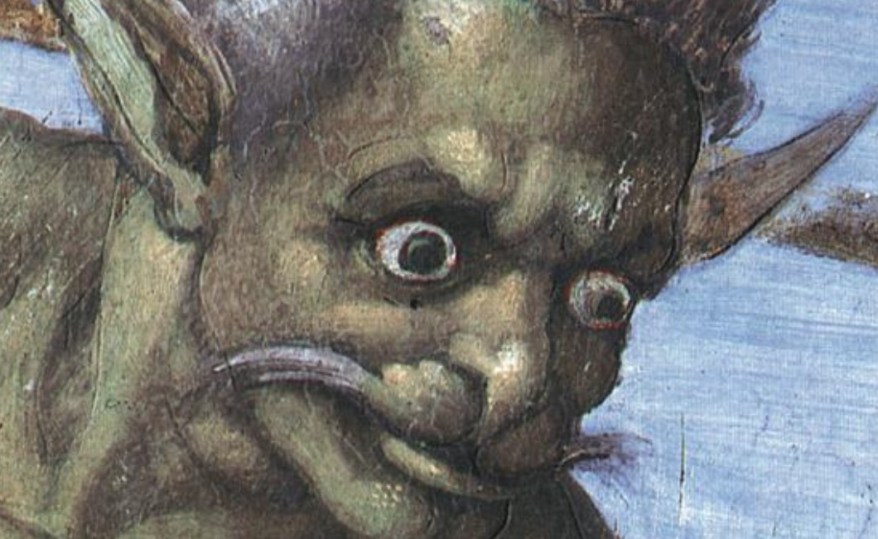
La firma nascosta nel Giudizio Universale: chi ha firmato sul remo di Caronte?
🇮🇹Sapete che nel Giudizio Universale c’è una firma non mia e che si trova proprio sul remo di Caronte?… 🇬🇧Did you know that in the *Last Judgment* there is a signature that isn’t mine, and that it is located right on Charon’s oar?…
Condividi:


Questo sono io




sostienici

Sostienici – Support Us
Se questo blog ti piace e ti appassiona, puoi aiutarci a farlo crescere sempre più sostenendoci in modo concreto condividendo i post, seguendo le pagine social e con un contributo che ci aiuta ad andare avanti con il nostro lavoro di divulgazione. . ENGLISH: If you like and are passionate about this blog, you can help us make it grow more and more by supporting us in a concrete way by sharing posts, following social pages and with a contribution that helps us to move forward with our dissemination work.
€10,00


Attenzione attualmente è a Brescia in dialogo con la Vittoria alata
"Mi piace""Mi piace"
certo, lo so bene. quella indicata è la collocazione abituale, mostre escluse
"Mi piace""Mi piace"