
L’altro David, quello dipinto
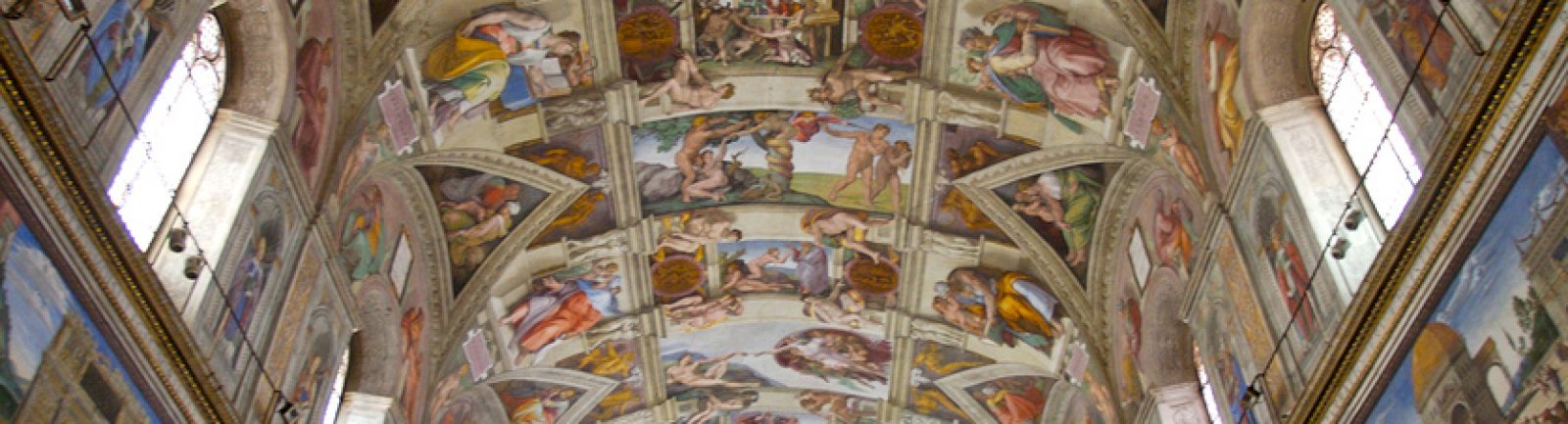
Oltre al celeberrimo David scolpito nel marmo, nel corso degli anni abbi modo di realizzarne altri due: uno nello stesso periodo, a tutto tondo e in bronzo, oggi andato perduto e l’altro qualche anno dopo, dipinto nella volta della Sistina.
Dei tre, il David dipinto è il meno celebre o perlomeno quello meno noto ai più. E’ al centro della scena in uno dei quattro pennacchi che in qualche modo simboleggiano il trionfo della Chiesa per mano divina.
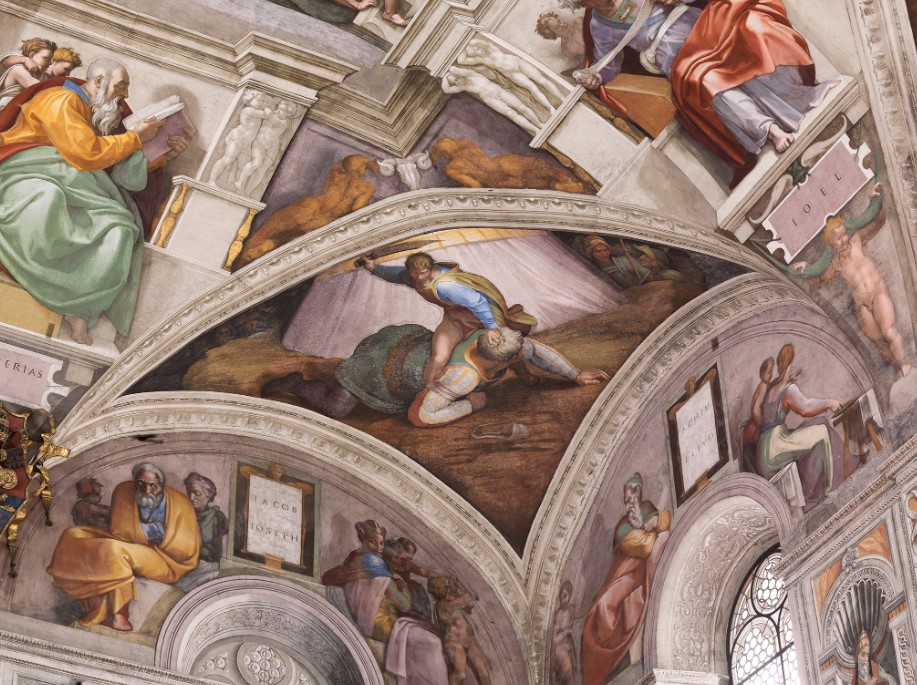
Scelsi di rappresentare il giovane David, futuro re d’Israele questa volta vestito, abbigliato con una camicia in smaltino celeste che si intravvede al di sotto della tunica, gialla nella parte illuminata e rosata in quella più in ombra.
David ha già colpito con i ciottolo di fiume il filisteo Golia che giace a terra, immediatamente dietro la fionda che misi in primo piano.
Mentre sullo sfondo, dietro la tenda da campo illuminata in piena notte, degli intervenuto e due soldati guardano la scena, il giovane è salito sulla schiena di Golia e gli mantiene fermo il capo con la mano sinistra.

Quando alzando gli occhi verso la volta della Sistina si incontra con lo sguardo questo pennacchio, la prima cosa che si nota è il braccio di David che tiene ferma la testa, per quella sua sorprendente luminosità.
Sapete come feci per ottenerla? La lumeggia al centro con del bianco San Giovanni, un carbonato di calcio puro che deriva dalla carbonatazione della calce idrata e dalla sua successiva macinazione.
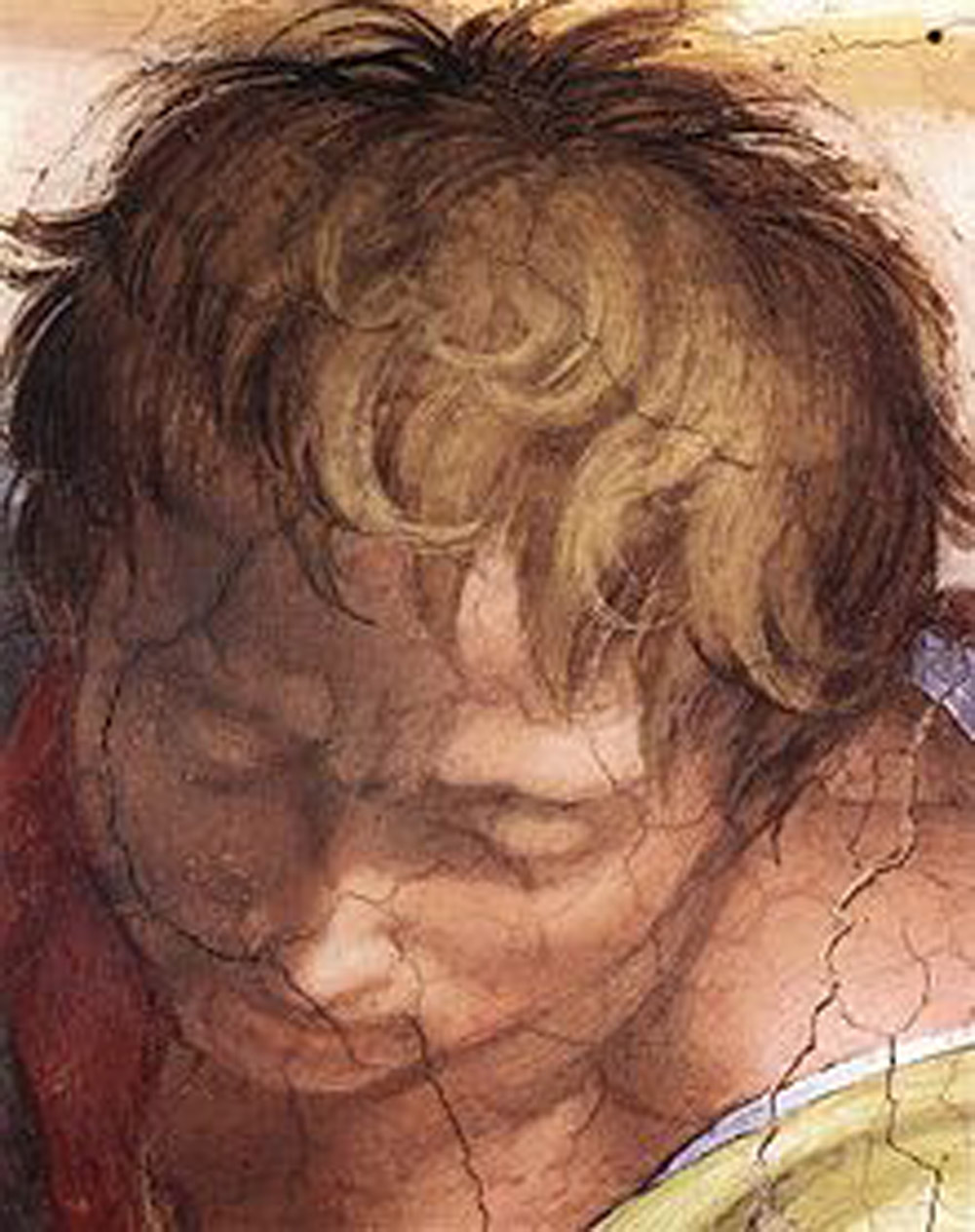
“Tolli la calcina sfiorata, ben bianca; mettila spolverata in uno mastello per ispazio di dì otto, rimutando ogni dì acqua chiara, e rimescolando ben la calcina e l’acqua, acciò che ne butti fuora ogni grassezza. Poi ne fa’ panetti piccoli, mettili al sole su per li tetti; e quanto più antichi son questi panetti, tanto più e migliore bianco”.
Dal Libro dell’Arte di Cennino Cennini
Per il momento il vostro Michelangelo Buonarroti vi saluta dandovi appuntamento ai prossimi post e sui social.
The other David, the painted one
In addition to the famous David sculpted in marble, over the years I have had the opportunity to create two more: one in the same period, in the round and in bronze, now lost and the other a few years later, painted on the vault of the Sistine Chapel.
Of the three, perhaps the painted David is the least famous or at least the least known to most. It takes center stage in one of the four spandrels that somehow symbolize the triumph of the Church at the divine hand.
I chose to represent the young David, the future king of Israel this time dressed, dressed in a light blue smalt shirt that can be glimpsed under the tunic, yellow in the illuminated part and pink in the more shaded one.
David has already hit the Philistine Goliath who is lying on the ground immediately behind the slingshot that I put in the foreground with the river pebble. While in the background, behind the camp tent illuminated in the middle of the night, some interveners and two soldiers watch the scene, the young man has climbed onto Goliath’s back and is holding his head still with his left hand.
When looking up towards the vault of the Sistine Chapel, one meets this plume with one’s gaze, the first thing one notices is David’s arm holding his head still, for its surprising luminosity.
Do you know how I got it? He highlights it in the center with white San Giovanni, a pure calcium carbonate that derives from the carbonation of hydrated lime and its subsequent grinding.
“Remove the lightly touched, very white mortar; put it dusted in a tub for the space of eight days, changing the clear water every day, and mixing the mortar and the water well, so that you get rid of all the fat. Then make small loaves of them, put them in the sun on the roofs; and the more ancient these loaves are, the more and better white they are”.
From the Book of the Art by Cennino Cennini
For the moment, your Michelangelo Buonarroti greets you by making an appointment for the next posts and on social media.

Sostienici – Support Us
Se questo blog ti piace e ti appassiona, puoi aiutarci a farlo crescere sempre più sostenendoci in modo concreto condividendo i post, seguendo le pagine social e con un contributo che ci aiuta ad andare avanti con il nostro lavoro di divulgazione. . ENGLISH: If you like and are passionate about this blog, you can help us make it grow more and more by supporting us in a concrete way by sharing posts, following social pages and with a contribution that helps us to move forward with our dissemination work.
10,00 €
-
25 marzo: l’Annunciazione di Jan van Eyck, capolavoro fiammingo
🇮🇹Nel giorno del 25 marzo, tradizionalmente legato al mistero dell’Annunciazione, lo sguardo si posa su uno dei capolavori più raffinati della pittura nordica: l’Annunciazione di Jan van Eyck… 🇬🇧On March 25, traditionally linked to the mystery of the Annunciation, our gaze falls on one of the finest masterpieces of Northern European painting: The Annunciation by…
-
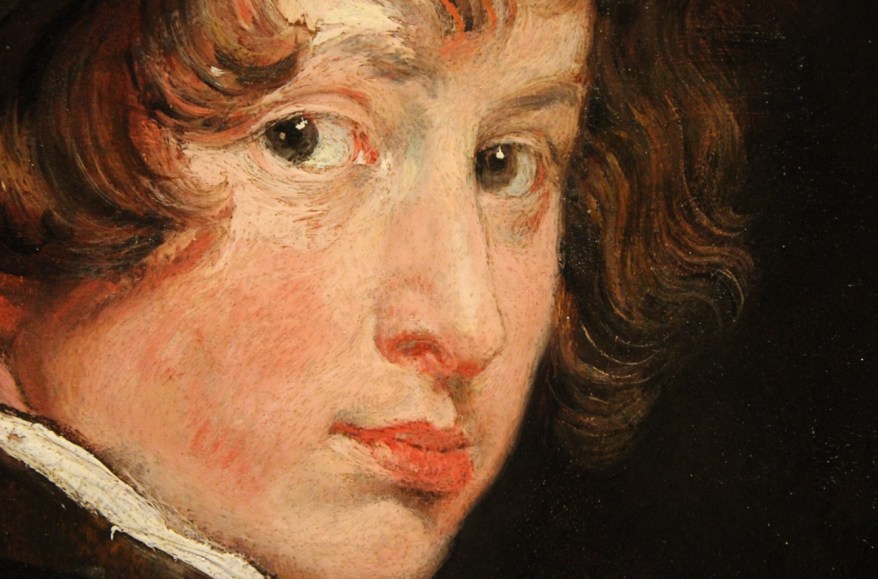
Van Dyck a Genova: la mostra che emoziona tra luce, mirabili dettagli e sguardi indimenticabili
🇮🇹Ho avuto modo di visitare la mostra “Van Dyck l’Europeo” a Genova: un viaggio emozionante tra Anversa, Genova e Londra attraverso dettagli, sguardi e capolavori senza tempo… 🇬🇧I had the opportunity to visit the exhibition “Van Dyck the European” in Genoa: an exciting journey between Antwerp, Genoa, and London through details, glances, and timeless masterpieces…
-
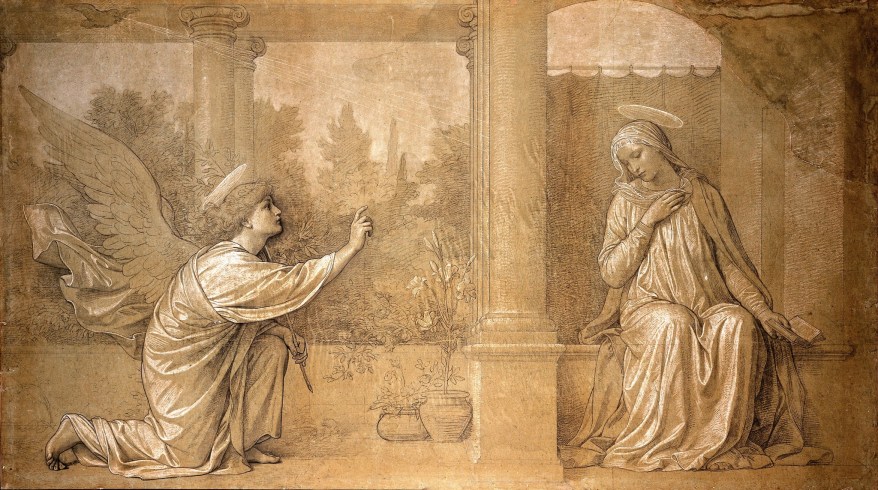
Quando il Capodanno cadeva il 25 marzo: l’Annunciazione di Alessandro Franchi
🇮🇹Il 25 marzo si celebra l’Annunciazione che per secoli, a Firenze e nel resto della Toscana, segnava l’inizio del nuovo anno. Tra le opere più suggestive che raffigurano l’Annunciazione, vi propongo il cartone realizzato da Alessandro Franchi intorno al 1884… 🇬🇧March 25th marks the celebration of the Annunciation, which for centuries marked the beginning of…
Condividi:


Questo sono io





sostienici

Sostienici – Support Us
Se questo blog ti piace e ti appassiona, puoi aiutarci a farlo crescere sempre più sostenendoci in modo concreto condividendo i post, seguendo le pagine social e con un contributo che ci aiuta ad andare avanti con il nostro lavoro di divulgazione. . ENGLISH: If you like and are passionate about this blog, you can help us make it grow more and more by supporting us in a concrete way by sharing posts, following social pages and with a contribution that helps us to move forward with our dissemination work.
€10,00


