

18 giugno 1561: la posa della prima pietra di Porta Pia
“Ricercato a questo tempo Michelangelo dal Papa per Porta Pia d’un disegno, ne fece tre tutti stravaganti e bellissimi che ‘l Papa elesse per porre in opera quello di minore spesa, come si vede oggi murata con molta sua lode.”
Così scrisse il Vasari nelle Vite in merito al progetto di Porta Pia, a Roma e il papa tirato in ballo è Pio IV, al secolo Giovanni Angelo Medici che niente aveva a che fare con i Medici di Firenze. Proveniva infatti dai milanesi Medici di Marignano, una famiglia di barbieri.
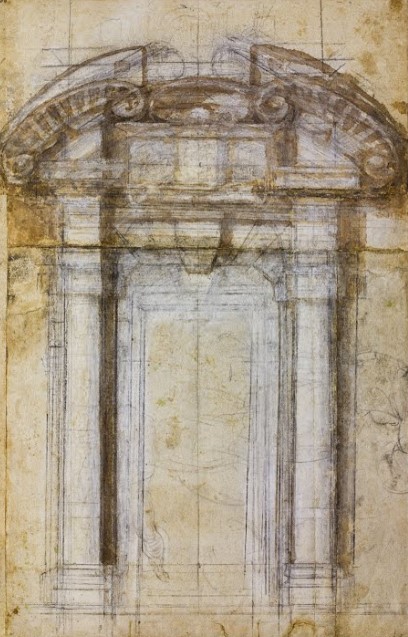
Porta Pia fu uno dei miei ultimi progetti architettonici assieme alla Cappella Sforza di Santa Maria Maggiore e al complesso di Santa Maria degli Angeli e dei Martiri.
Iniziai a metter mano a quel progetto a partire dalla dine del 1560, quando avevo 85 anni suonati. Nel gennaio del 1561 già erano stati avviati i lavori per la demolizione nei pressi delle mura aureliane per far posto alla via che avrebbe attraversato la nuova porta.
Il papa in carica avrebbe voluto concludere con qualcosa di imponente e monumentale la via rettilinea che avrebbe unito il colle del Quirinale con la chiesa di Sant’Agnese.
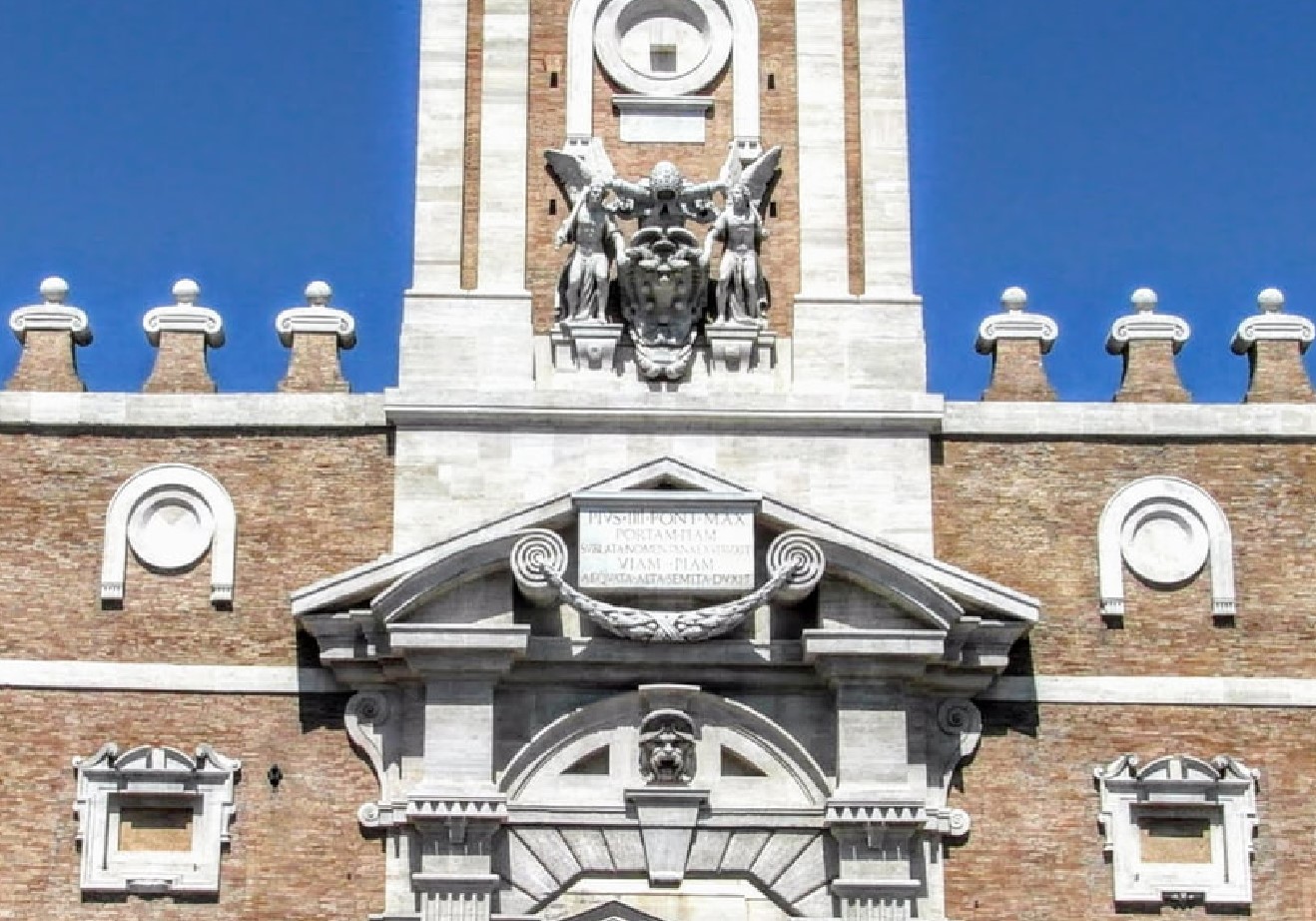
La costruzione vera e propria di Porta Pia ebbe inizio ufficialmente il 18 giugno del 1561 con la posa della prima pietra.
Durante quella giornata furono poste nelle fondamenta anche delle medaglie commemorative che furono appositamente coniate per la circostanza d Gian Federico Bonzagni. Nelle medaglie viene proposto però un progetto assai diverso da quello che poi effettivamente verrà realizzato.
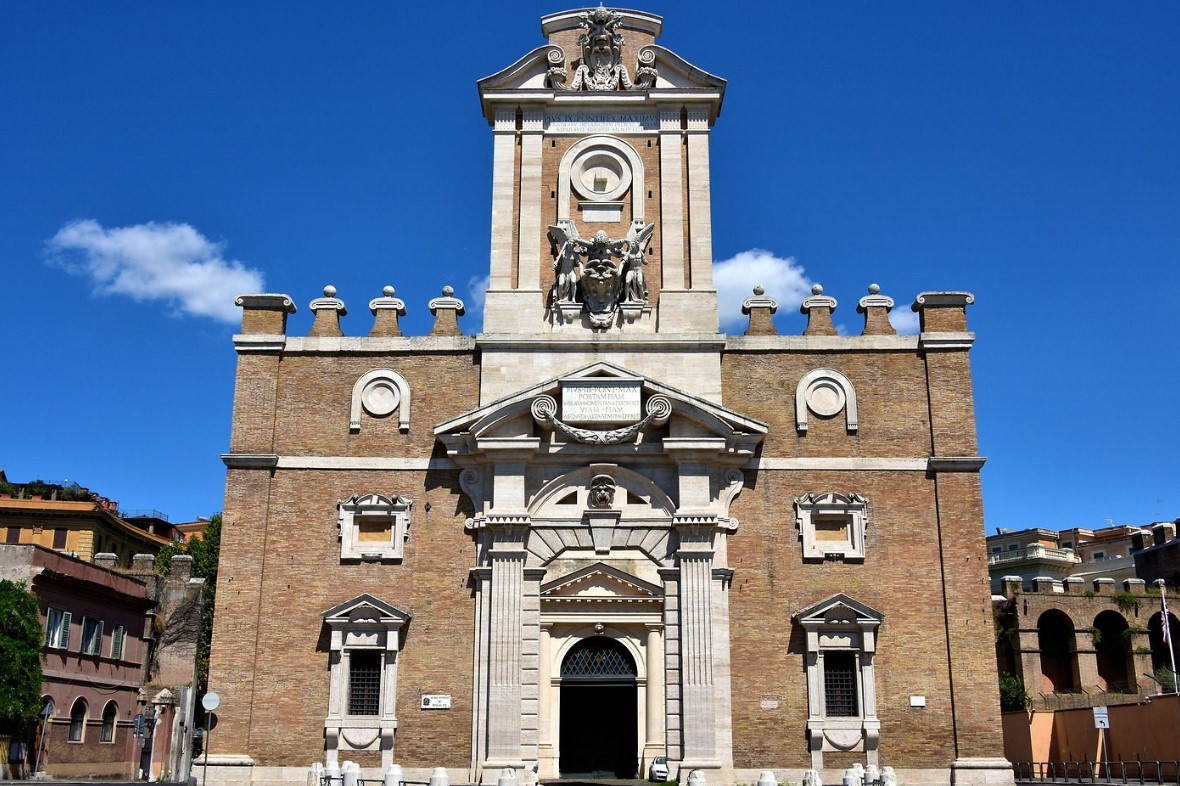
Per il momento il vostro Michelangelo Buonarroti vi saluta dandovi appuntamento ai prossimi post e sui social.

June 18, 1561: the laying of the first stone of Porta Pia
“At this time Michelangelo was sought out by the Pope for a drawing for Porta Pia, and he made three of them, all extravagant and beautiful, which the Pope chose to implement the one of lesser expense, as seen today walled up with much of his praise.”
So Vasari wrote in his Lives about the Porta Pia project in Rome and the pope involved is Pius IV, born Giovanni Angelo Medici who had nothing to do with the Medici of Florence. In fact, he came from the Milanese Medici di Marignano, a family of barbers.
Porta Pia was one of my last architectural projects together with the Sforza Chapel of Santa Maria Maggiore and the complex of Santa Maria degli Angeli e dei Martiri.
I started working on that project from the end of 1560, when I was 85 years old. In January 1561, demolition work had already begun near the Aurelian walls to make way for the road that would cross the new gate.
The pope in office would have liked to end the straight road that would have joined the Quirinal hill with the church of Sant’Agnese with something imposing and monumental.
The actual construction of Porta Pia officially began on 18 June 1561 with the laying of the first stone. During that day, commemorative medals were also placed in the foundations, which were specially minted for the occasion of Gian Federico Bonzagni. In the medals, however, a very different project from the one that will actually be implemented is proposed.
For the moment, your Michelangelo Buonarroti greets you by making an appointment for the next posts and on social media.

Sostienici – Support Us
Se questo blog ti piace e ti appassiona, puoi aiutarci a farlo crescere sempre più sostenendoci in modo concreto condividendo i post, seguendo le pagine social e con un contributo che ci aiuta ad andare avanti con il nostro lavoro di divulgazione. . ENGLISH: If you like and are passionate about this blog, you can help us make it grow more and more by supporting us in a concrete way by sharing posts, following social pages and with a contribution that helps us to move forward with our dissemination work.
8,00 €
-
31 marzo 1889: inaugurata la Torre Eiffel tra critiche feroci e un destino inaspettato
🇮🇹Il 31 marzo 1889 segna una data destinata a cambiare per sempre il volto di Parigi e dell’immaginario collettivo globale: viene inaugurata la Torre Eiffel, l’opera più audace e discussa del suo tempo… 🇬🇧March 31, 1889 marks a date destined to change the face of Paris and the global collective imagination forever: the Eiffel Tower,…
-
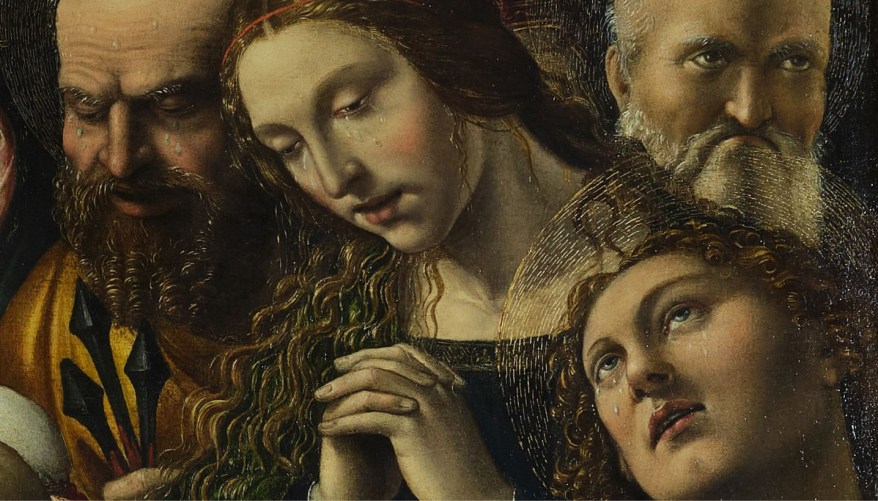
Sodoma in mostra a Torino: il Rinascimento al Museo Accorsi-Ometto
🇮🇹Al Museo di Arti Decorative Accorsi-Ometto arriva una mostra dedicata al Sodoma: oltre 50 opere, alcune mai viste prima, raccontano la formazione dell’artista e il suo dialogo con maestri come Pinturicchio… 🇬🇧An exhibition dedicated to Sodoma arrives at the Accorsi-Ometto Museum of Decorative Arts: over 50 works, some never before seen, recount the artist’s development…
-
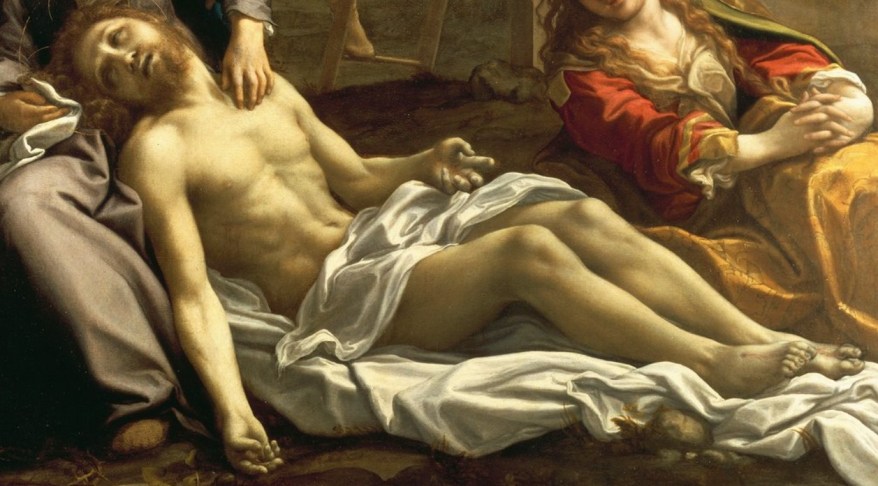
Il Compianto sul Cristo morto di Correggio: pathos e devozione
🇮🇹Con l’inizio della Settimana Santa, vi propongo il Compianto sul Cristo morto di Antonio Allegri, più noto come il Correggio: uno dei vertici assoluti della pittura emiliana del Cinquecento… 🇬🇧With the beginning of Holy Week, I propose the Lamentation over the Dead Christ by Antonio Allegri, better known as Correggio: one of the absolute peaks…
Condividi:


Questo sono io





sostienici

Sostienici – Support Us
Se questo blog ti piace e ti appassiona, puoi aiutarci a farlo crescere sempre più sostenendoci in modo concreto condividendo i post, seguendo le pagine social e con un contributo che ci aiuta ad andare avanti con il nostro lavoro di divulgazione. . ENGLISH: If you like and are passionate about this blog, you can help us make it grow more and more by supporting us in a concrete way by sharing posts, following social pages and with a contribution that helps us to move forward with our dissemination work.
€10,00


1 commento »