

Sagrestia Nuova: la mannaia della censura
Poteva la censura bigotta non accanirsi con le allegorie delle ore del giorno? Poteva ma non lo fece e provvide a coprire con brutti panneggi le parti intime delle sculture che io realizzai prive di vesti.
Scartabellando in qua e in là, cercando in uno scatolone pieno di foto datate ho rinvenuto alcuni preziosi scatti fatti fra il 1865 e il 1872 che mostrano le opere con l’aggiunta dei panneggi posticci.
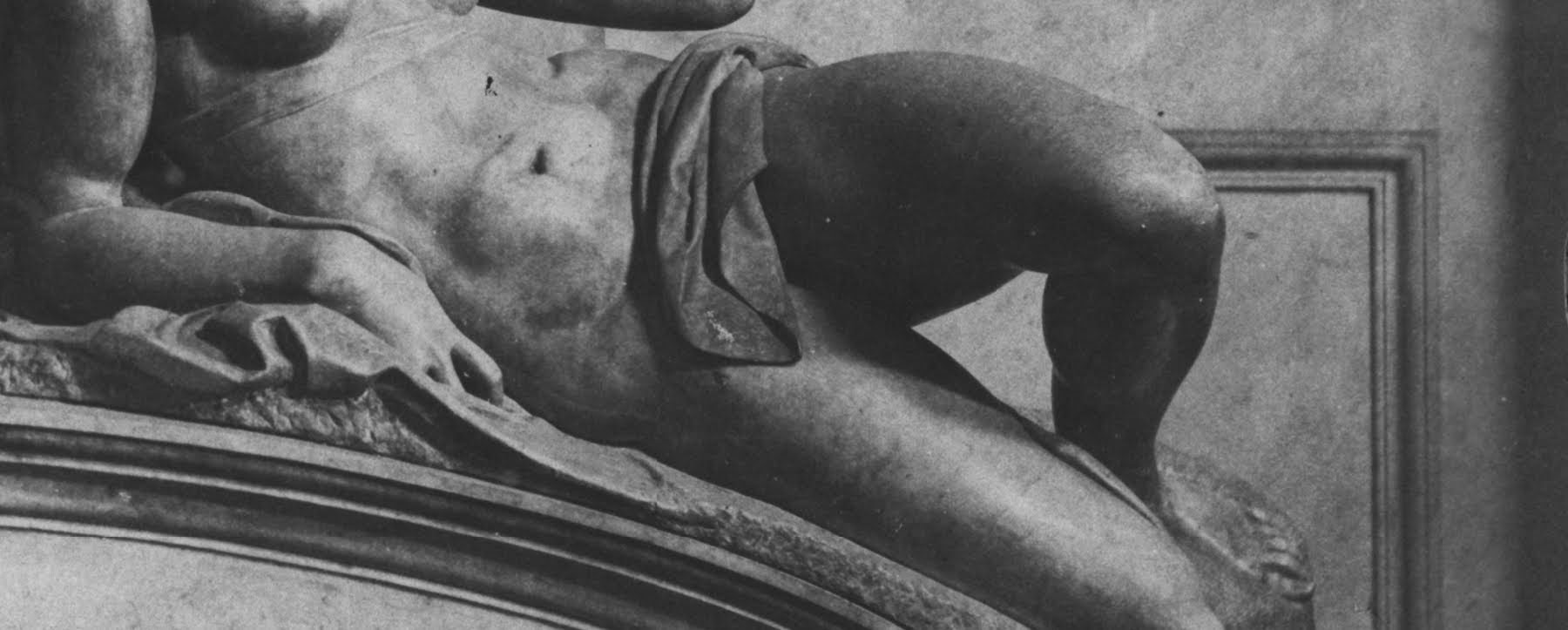
Quando furono censurate le sculture?
Fu durante la reggenza di Cosimo III, iniziata nel 1670 e terminata nel 1723, che gli splendidi corpi nudi che scolpii con tanta dedizione e amore vennero deturpati da osceni panneggi.
Quei brutti orpelli rimasero a lungo fino a quando, alle soglie del Novecento, non furono rimossi.

I panneggi non solo occultavano parte delle opere alla vista ma tagliavano a metà le figure, facendole apparire meno slanciate e più goffe.
La censura non è mai un’idea saggia, qualsiasi settore interessi.

Per il momento il vostro Michelangelo Buonarroti vi saluti dandovi appuntamento ai prossimi post e sui social, sperando che a nessuno torni in mente di apporre cenci posticci su meravigliose sculture.


New Sacristy: the cleaver of censorship
How could sanctimonious censorship not rage with the allegories of the hours of the day? She could but she didn’t and she covered the private parts of the sculptures that I made without clothes with ugly drapery.
Browsing here and there, looking in a box full of dated photos, I found some precious shots taken between 1865 and 1872 that show the works with the addition of false drapery.
When were the sculptures censored?
It was during the reign of Cosimo III, which began in 1670 and ended in 1723, that the splendid naked bodies that I sculpted with such dedication and love were disfigured by obscene drapery.
Those ugly frills remained for a long time until, on the threshold of the twentieth century, they were removed.
The draperies not only hid part of the works from view but cut the figures in half, making them appear less slender and more awkward.
Censorship is never a wise idea, whatever industry you are interested in.
For the moment, your Michelangelo Buonarroti greets you by making an appointment for the next posts and on social media, hoping that no one will ever think of putting fake rags on wonderful sculptures.

Sostienici – Support Us
Se questo blog ti piace e ti appassiona, puoi aiutarci a farlo crescere sempre più sostenendoci in modo concreto condividendo i post, seguendo le pagine social e con un contributo che ci aiuta ad andare avanti con il nostro lavoro di divulgazione. . ENGLISH: If you like and are passionate about this blog, you can help us make it grow more and more by supporting us in a concrete way by sharing posts, following social pages and with a contribution that helps us to move forward with our dissemination work.
8,00 €
-
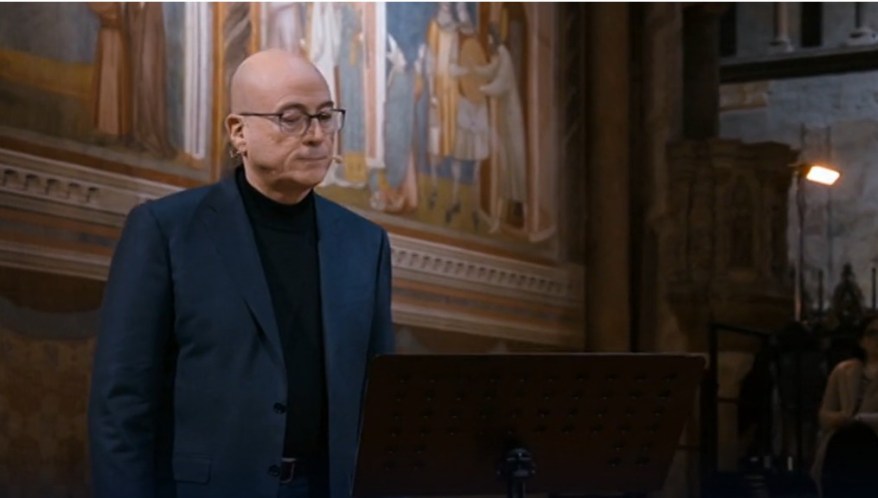
Festival La Versiliana 2026: tra musica, teatro e grandi narrazioni
Dal 17 luglio al 23 agosto 2026, la pineta di Marina di Pietrasanta ospiterà la 47ª edizione del Festival La Versiliana. Una kermesse aperta a tutti nella quale linguaggi diversi dialogano tra loro in un equilibrio tra tradizione e contemporaneità.
-
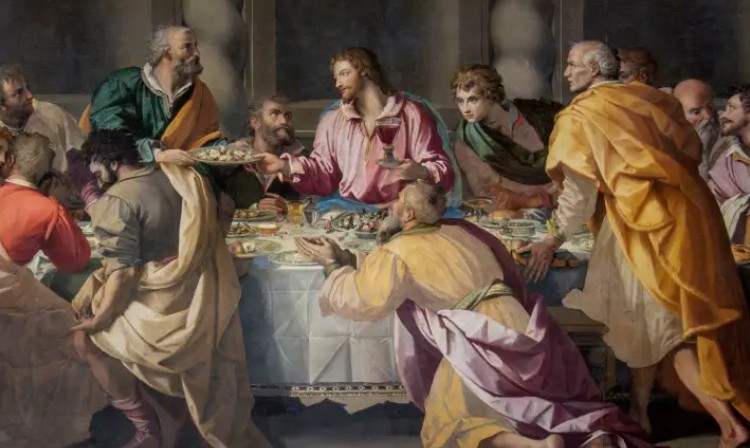
Giovedì Santo: l’Ultima Cena di Allori che pochi conoscono a Firenze
🇮🇹Nel cuore di Museo di Santa Maria Novella, a Firenze, si conserva una delle interpretazioni più affascinanti e meno note dell’Ultima Cena: quella realizzata da Alessandro Allori nel 1584… 🇬🇧In the heart of the Santa Maria Novella Museum in Florence, one of the most fascinating and least-known interpretations of the Last Supper is preserved: the…
-
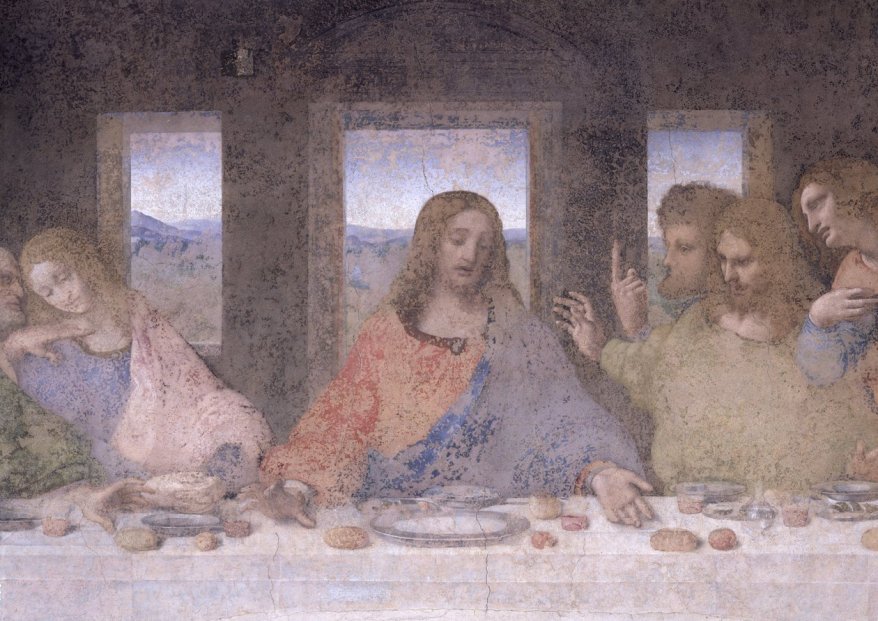
Cenacolo di Leonardo: i dettagli che raccontano il tradimento
🇮🇹Nel Cenacolo di Leonardo da Vinci, custodito a Santa Maria delle Grazie, Cristo annuncia il tradimento e il tempo si ferma… 🇬🇧In Leonardo da Vinci’s Last Supper, housed in Santa Maria delle Grazie, Christ announces the betrayal and time stands still…
Condividi:


Questo sono io





sostienici

Sostienici – Support Us
Se questo blog ti piace e ti appassiona, puoi aiutarci a farlo crescere sempre più sostenendoci in modo concreto condividendo i post, seguendo le pagine social e con un contributo che ci aiuta ad andare avanti con il nostro lavoro di divulgazione. . ENGLISH: If you like and are passionate about this blog, you can help us make it grow more and more by supporting us in a concrete way by sharing posts, following social pages and with a contribution that helps us to move forward with our dissemination work.
€10,00


