
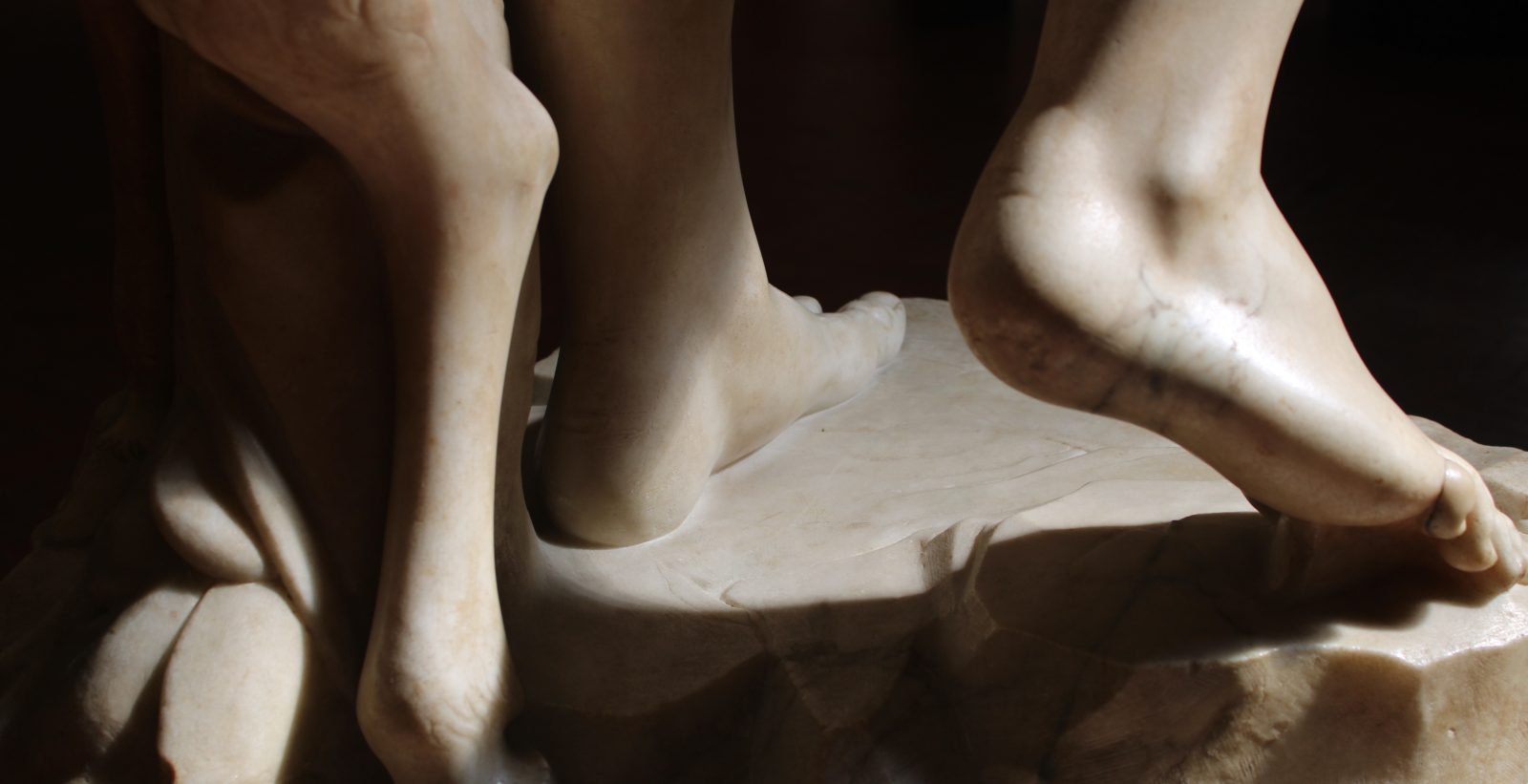
Il David preso a sassate da quattro vandali
I tali che senza alcun motivo sfregiano beni pubblici e privati sono sempre esistiti. Un problema annoso. Non è difficile intuire che prendano il nome dalla popolazione germanica dei Vandali che all’inizio del V secolo d.C, alla stregua di altri popoli, distruggevano ciò che trovavano nell’avanzata verso la conquista di un nuovo territorio di proprietà altrui.
Perché vi faccio questa premessa? Anch’io ho avuto a che fare con vandali in età recente ma anche nel tempo in cui ancora ero in vita.

Scolpii il David laddove oggi è ospitato il Museo dell’Opera del Duomo, a Firenze. Da lì poi fu necessario trasportarlo fino in Piazza della Signoria con l’aiuto con il carro progettato appositamente allo scopo dagli architetti e ingegneri Antonio da Sangallo, Baccio d’Agnolo, Simone del Pollaiolo detto il Cronaca e Bernardo del Cecca.
Durante la prima notte del difficoltoso trasloco, notte fra il 14 e il 15 maggio del 1504, il mio povero Davida appena terminato di scolpire, fu preso a sassate da quattro ragazzotti.

Furono fermati dagli Otto di Guardia ma poi rilasciati poco dopo.
Chi erano quei vandali?
Vincenzo di Cosimo Martelli, Gerardo Maffei de’ Gherardini, Filippo di Francesco de’ Spini e Raffaello di Agostino de’ Panciatichi. Quattro disgraziati.
Nel corso dei secoli seguenti s’è provato a capire se dietro il loro gesto sconsiderato ci fossero ragioni politiche ma poiché appartenevano tutti a famiglie che niente avevano da rimostrare contro la Repubblica e nemmeno erano filomedicei, c’è da supporre che non fossero altro che bischeri che gli pareva d’esser ganzi.
Per il momento il vostro Michelangelo Buonarroti vi saluta dandovi appuntamento ai prossimi post e sui social.

The David stoned by four vandals
People who for no reason scar public and private goods have always existed. An age-old problem. It is not difficult to guess that they take their name from the Germanic population of the Vandals who at the beginning of the 5th century AD, like other peoples, destroyed what they found in their advance towards the conquest of a new territory owned by others.
Why am I giving you this premise? I too have had to deal with vandals in recent times but also in the time when I was still alive.
I sculpted the David where today the Museo dell’Opera del Duomo is housed in Florence. From there it was then necessary to transport it to Piazza della Signoria with the help of the cart specially designed for the purpose by the architects and engineers Antonio da Sangallo, Baccio d’Agnolo, Simone del Pollaiolo known as il Cronaca and Bernardo del Cecca.
During the first night of the difficult move, between 14 and 15 May 1504, my poor Davida, who had just finished sculpting, was stoned by four boys.
They were stopped by the Eight Guards but then released shortly after.
Who were those vandals?
Vincenzo di Cosimo Martelli, Gerardo Maffei de’ Gherardini, Filippo di Francesco de’ Spini and Raphael di Agostino de’ Panciatichi. Four wretches.
Over the following centuries, an attempt was made to understand whether there were political reasons behind their reckless gesture, but since they all belonged to families that had nothing to grieve against the Republic and were not even pro-Medici, it is to be assumed that they were nothing more than fools who seemed to him to be cool.
For the moment, your Michelangelo Buonarroti greets you by making an appointment for the next posts and on social media.

Sostienici – Support Us
Se questo blog ti piace e ti appassiona, puoi aiutarci a farlo crescere sempre più sostenendoci in modo concreto condividendo i post, seguendo le pagine social e con un contributo che ci aiuta ad andare avanti con il nostro lavoro di divulgazione. . ENGLISH: If you like and are passionate about this blog, you can help us make it grow more and more by supporting us in a concrete way by sharing posts, following social pages and with a contribution that helps us to move forward with our dissemination work.
5,00 €
-
Festival La Versiliana 2026: tra musica, teatro e grandi narrazioni
Dal 17 luglio al 23 agosto 2026, la pineta di Marina di Pietrasanta ospiterà la 47ª edizione del Festival La Versiliana. Una kermesse aperta a tutti nella quale linguaggi diversi dialogano tra loro in un equilibrio tra tradizione e contemporaneità.
-
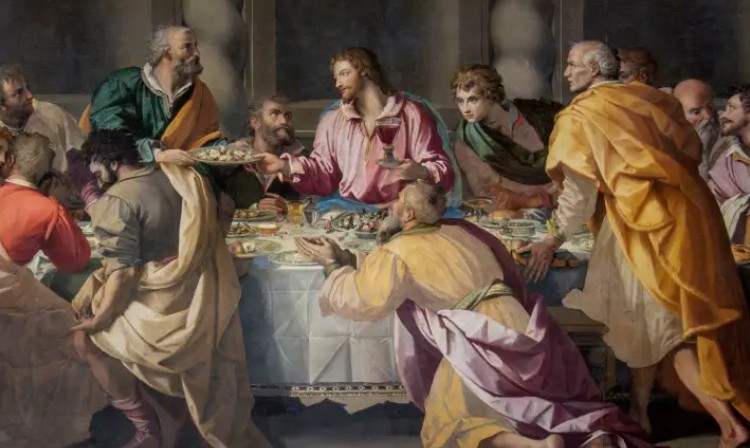
Giovedì Santo: l’Ultima Cena di Allori che pochi conoscono a Firenze
🇮🇹Nel cuore di Museo di Santa Maria Novella, a Firenze, si conserva una delle interpretazioni più affascinanti e meno note dell’Ultima Cena: quella realizzata da Alessandro Allori nel 1584… 🇬🇧In the heart of the Santa Maria Novella Museum in Florence, one of the most fascinating and least-known interpretations of the Last Supper is preserved: the…
-
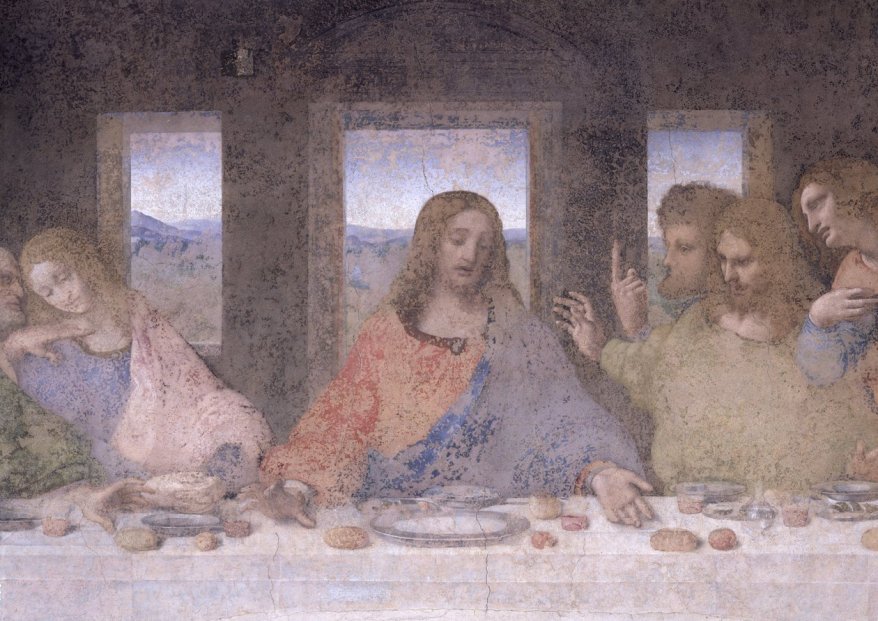
Cenacolo di Leonardo: i dettagli che raccontano il tradimento
🇮🇹Nel Cenacolo di Leonardo da Vinci, custodito a Santa Maria delle Grazie, Cristo annuncia il tradimento e il tempo si ferma… 🇬🇧In Leonardo da Vinci’s Last Supper, housed in Santa Maria delle Grazie, Christ announces the betrayal and time stands still…
Condividi:


Questo sono io





sostienici

Sostienici – Support Us
Se questo blog ti piace e ti appassiona, puoi aiutarci a farlo crescere sempre più sostenendoci in modo concreto condividendo i post, seguendo le pagine social e con un contributo che ci aiuta ad andare avanti con il nostro lavoro di divulgazione. . ENGLISH: If you like and are passionate about this blog, you can help us make it grow more and more by supporting us in a concrete way by sharing posts, following social pages and with a contribution that helps us to move forward with our dissemination work.
€10,00


1 commento »