

L’energia imprigionata nell’Apollo del Bargello
L’Apollo del Bargello ha un’energia latente apprezzabile anche da parte di un disattento osservatore. Quella “figuretta di marmo per Baccio Valori, d’uno Apollo che cavava una freccia de ‘l turcasso” come scrisse il Vasari nell’edizione Torrentiniana, è in continuo movimento.
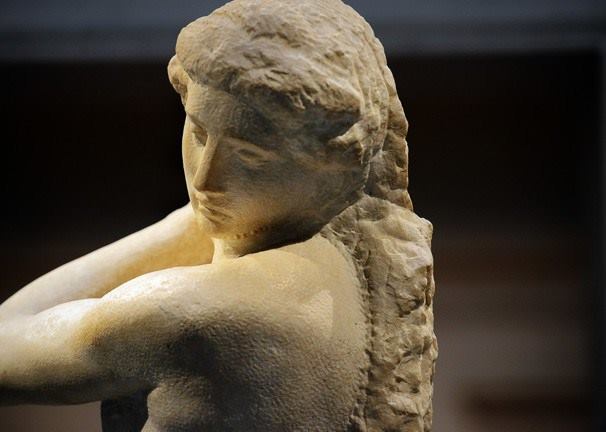
L’arciere è in atto di estrarre la freccia dalla faretra che porta sulle spalle, sbozzata a potenti colpi di subbia. Proprio quel gesto che sembra così naturale mette in moto la torsione del corpo.
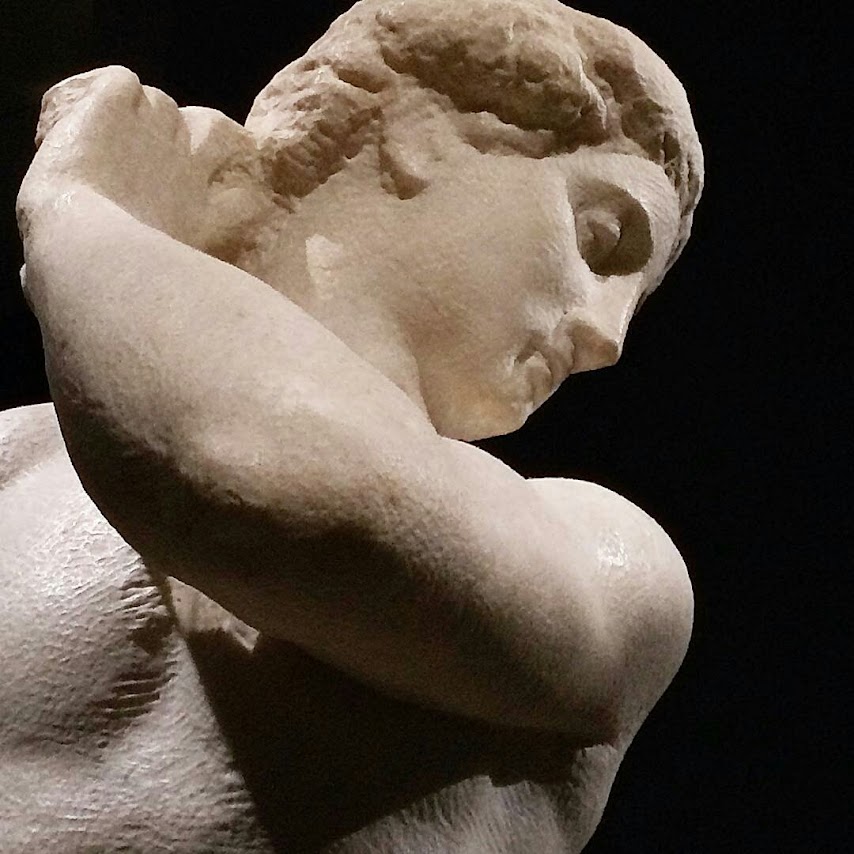
L’Apollo alla stregua del David della Galleria dell’Accademia, del Bruto e del San Procolo bolognese, è come un fotogramma di una scena cinematografica, fissato per sempre nel marmo.
Quel gesto del braccio levato e piegato che sta per estrarre la freccia e poi scoccarla fa immaginare ciò che accadrà dopo quel preciso istante.
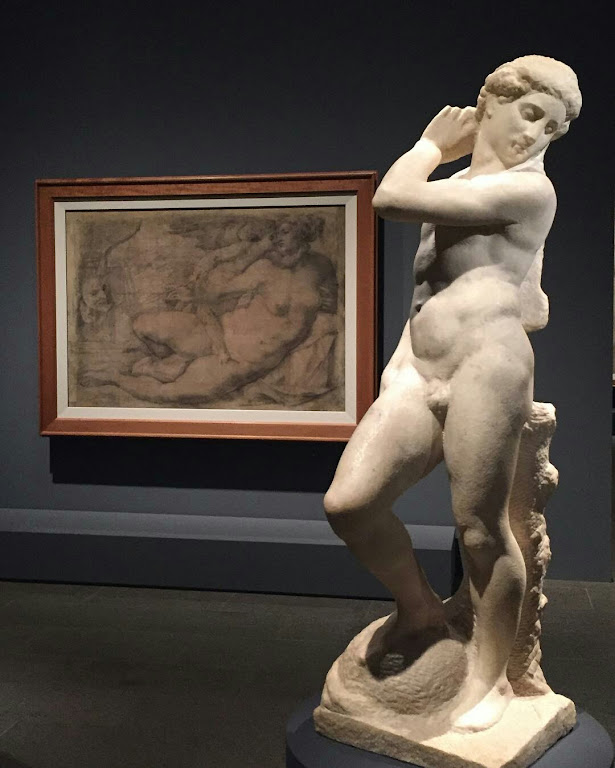
Baccio Valori molto probabilmente non ebbe mai quest’opera. Nel 1532 ancora non glie l’avevo consegnata e solo cinque anni più tardi fu ucciso per decapitazione pere essere uno dei fautori della restaurazione repubblicana.
In un inventario del 1553 fu annotata nella camera del duca Cosimo I de’ Medici, assieme al Bacco del Bandinelli e a quello del Sansovino.
Per il momento il vostro Michelangelo Buonarroti vi saluta dandovi appuntamento ai prossimi post e sui social.
The energy imprisoned in the Apollo of the Bargello
The Apollo of the Bargello has a latent energy that can be appreciated even by an inattentive observer. That “little marble figure for Baccio Valori, of an Apollo who drew an arrow from the quiver” as Vasari wrote in the Torrentiniana edition, is in constant motion.
The archer is in the act of extracting the arrow from the quiver he carries on his shoulders, roughed out with powerful strokes of the needle. Just that gesture that seems so natural sets in motion the twisting of the body.
Like the David in the Galleria dell’Accademia, the Brutus and the San Procolo in Bologna, the Apollo is like a frame from a film scene, fixed forever in marble.
That gesture of the raised and bent arm that is about to extract the arrow and then shoot it makes us imagine what will happen after that precise moment.
Baccio Valori most likely never had this work. In 1532 he still hadn’t delivered it to him and only five years later he was killed by beheading for being one of the proponents of the republican restoration.
In an inventory of 1553 it was inventoried in the room of Duke Cosimo I de’ Medici together with the Bacchus of Bandinelli and that of Sansovino.
For the moment, your Michelangelo Buonarroti greets you by making an appointment for the next posts and on social media.
-
Si è spento Gian Paolo Giovannetti, il pittore delle Apuane, dei cavatori e delle volpi
🇮🇹È morto Gian Paolo Giovannetti, pittore e scultore di Giustagnana. Il ricordo di un artista che ha raccontato Apuane, cavatori, volpi e Alta Versilia… 🇬🇧Gian Paolo Giovannetti, a painter and sculptor from Giustagnana, has passed away. A tribute to an artist who chronicled the Apuan Alps, quarrymen, foxes, and Alta Versilia…
-
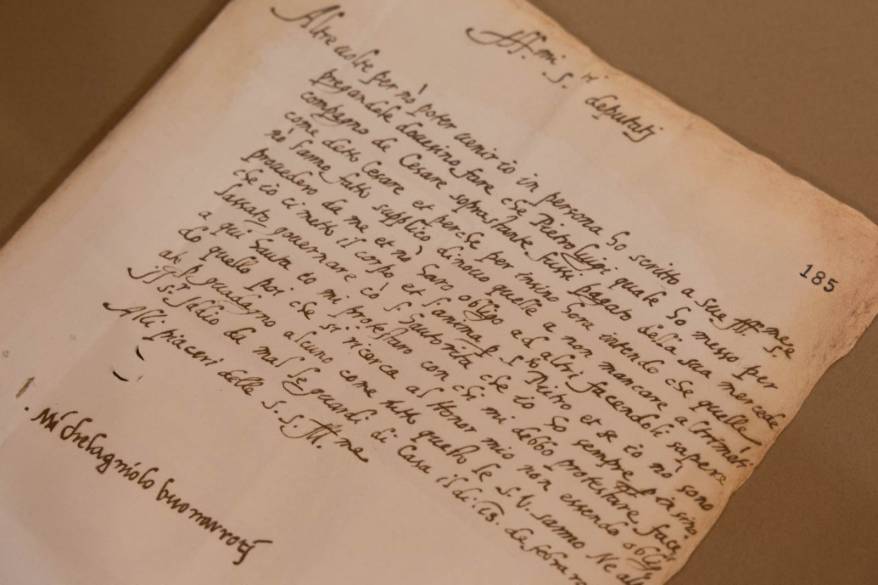
Michelangelus: la mia grafia diventa un font digitale
🇮🇹La mia grafia diventa Michelangelus, il nuovo font commissionato dalla Fabbrica di San Pietro: oltre 500 glifi e quattro stili disponibili nel mondo digitale… 🇬🇧My handwriting becomes Michelangelus, the new font commissioned by the Fabbrica di San Pietro: over 500 glyphs and four styles available in the digital world…
-
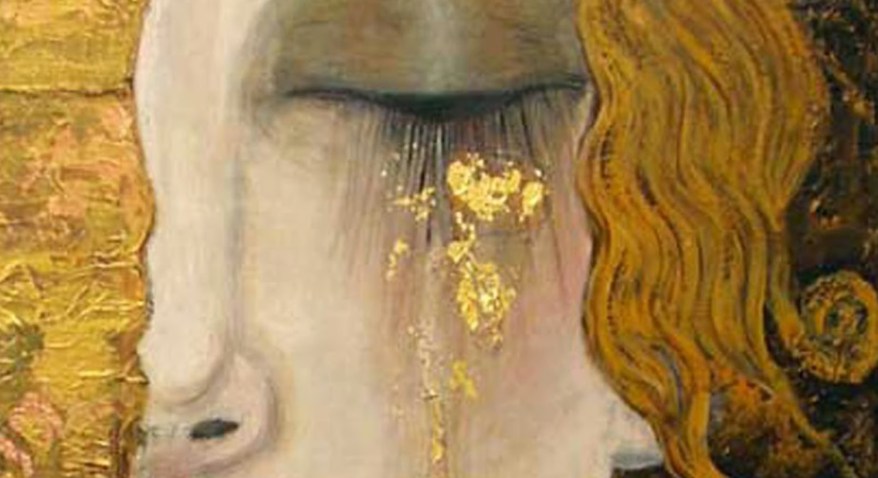
Freyja piange oro: la triste storia della dea nordica dipinta da Anne-Marie Zilberman
🇮🇹Le lacrime di Freyja di Anne-Marie Zilberman racconta la dea nordica attraverso il mito, il dolore e l’amore. Scopri la storia delle sue leggendarie lacrime d’oro… 🇬🇧Anne-Marie Zilberman’s *Freyja’s Tears* portrays the Norse goddess through myth, sorrow, and love. Discover the story of her legendary golden tears…
Condividi:


Questo sono io




sostienici

Sostienici – Support Us
Se questo blog ti piace e ti appassiona, puoi aiutarci a farlo crescere sempre più sostenendoci in modo concreto condividendo i post, seguendo le pagine social e con un contributo che ci aiuta ad andare avanti con il nostro lavoro di divulgazione. . ENGLISH: If you like and are passionate about this blog, you can help us make it grow more and more by supporting us in a concrete way by sharing posts, following social pages and with a contribution that helps us to move forward with our dissemination work.
€10,00


