
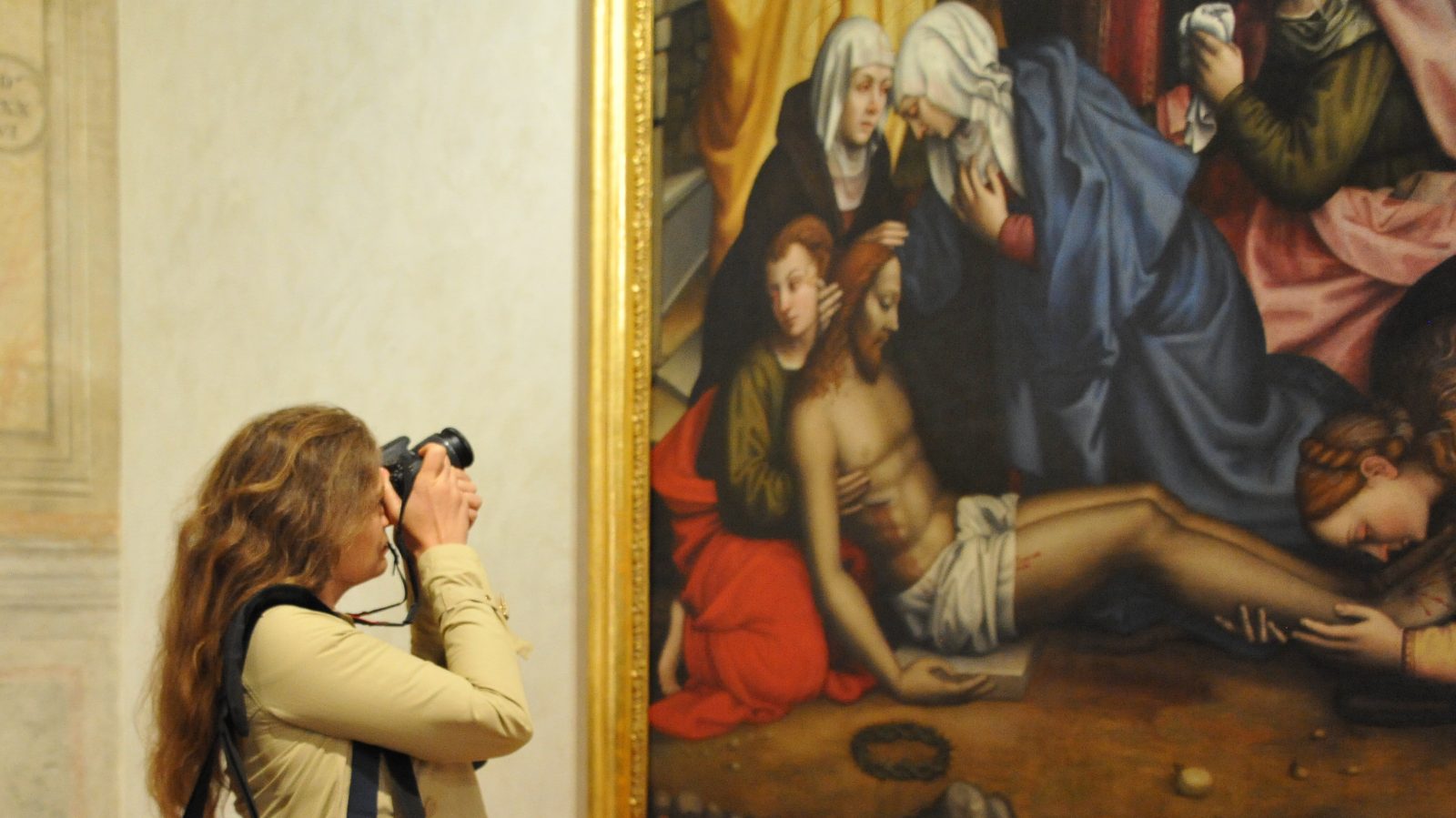
Alfonso d’Este che per me cambiò il mercato dell’arte
Alfonso d’Este, per pagarmi un’opera, cambiò il modo di intendere fino al momento il mercato dell’arte. Sedetevi comodi che vi racconto anche questa storia parecchio interessante.
Lui, Alfonso d’Este, avevo avuto modo di incontrarlo a Roma, sui ponteggi che avevo fatto allestire per dipingere la volta della Sistina. In visita a Roma al cospetto di papa Giulio II, volle vedermi all’opera e il pontefice gli concesse di arrampicarsi su per i ponteggi.
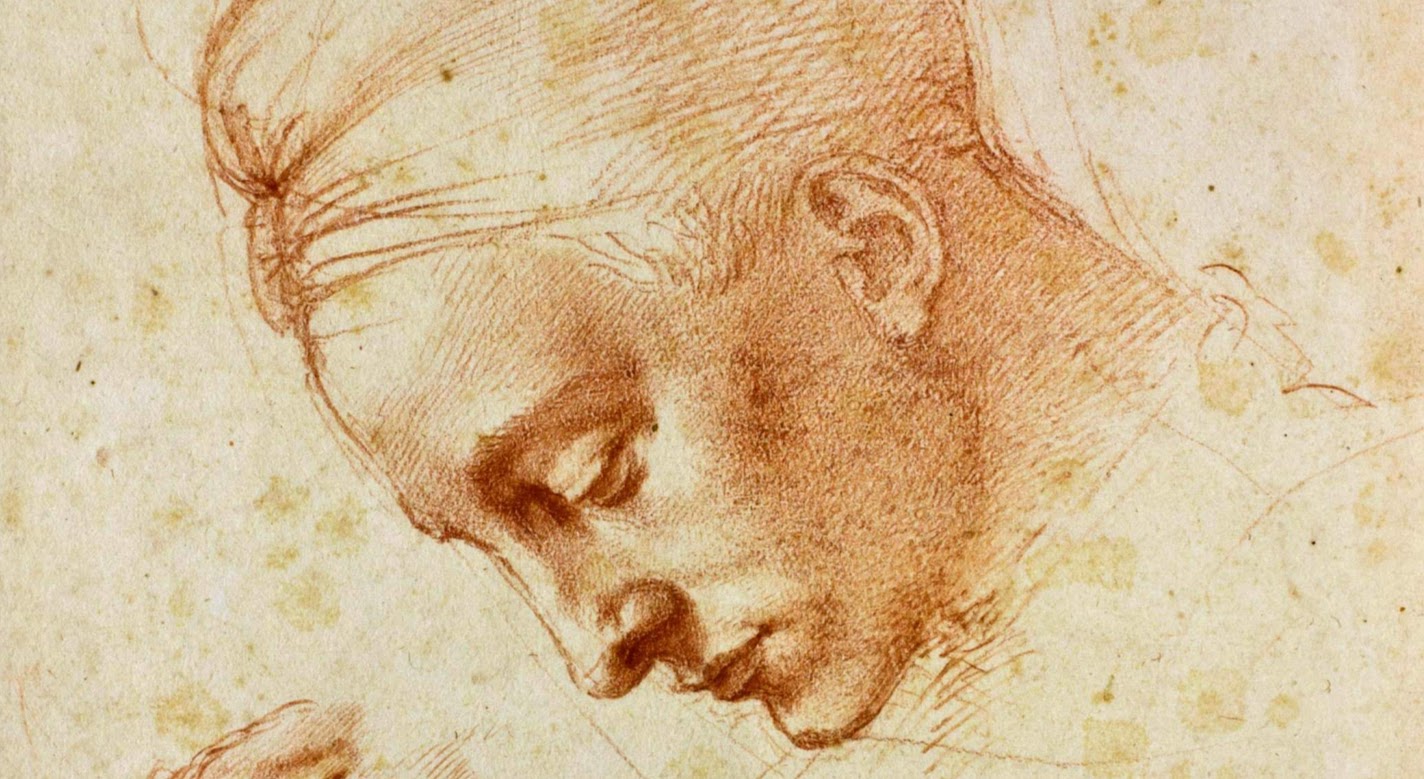
Fu allora che mi strappò di realizzare un dipinto per lui. Di anni poi ne passarono tanti, una ventina, ma finalmente ero riuscito a trovare il tempo per dipingergli una Leda col Cigno e i due bimbetti nati dalle uova: Castore e Polluce.
Il duca di Ferrara era noto fra le corti d’Europa per essere un grande stratega con ottime doti diplomatiche, arte quest’ultima a me sconosciuta.
Era assai apprezzato in ambito artistico per le tante committenze che lo avevano fatto diventare uno dei mecenati più in vista dell’epoca. Sapeva fare ottimi affari acquistando e commissionando opere pregevoli.
Il 22 ottobre del 1530 mi inviò una lettera da Venezia o meglio, me la fece portare a mano da un suo messo, Pisanello, al secolo Jacopo Lachi.

In questa carta mi chiedeva di non meravigliarmi del fatto che non avesse inviato denari per pagare il lavoro. Io ancora non gli avevo chiesto quanto avrei voluto e lui ancora non aveva avuto modo di vedere la Leda con Cigno e quindi non aveva idea di quanto potesse pagarmi.
Fatto sta che mi pregò di dirgli esplicitamente quanto valesse in modo da potermi pagare il giusto e se non l’avessi fatto mi raccomandava di star tranquillo che sicuramente mi avrebbe pagato non un fiorino meno del valore del dipinto.
“…et mi farete piacere gratissimo se mi scrivete quanto vi piacerà ch’io vi mandi, perché sarò molto più sicuro del iudicio vostro, in stimarla, che del mio; et oltra il premio della fatica vostra, vi certifico che sempre sarò desideroso di farvi piacere et commodo, come io reputo che meriti il molto valore et rara virtù vostra...” Dalla lettera che mi fece avere il duca di Ferrara.
Insomma, per farla corta, se fino al momento erano i committenti a stabilire il prezzo del lavoro, Alfonso d’Este chiede a me di dirgli quanto volevo essere pagato. Non è una piccolezza ma qualcosa di rivoluzionario che mette in primo piano me come artista e in secondo il committente, sebbene era abituato fino al momento a decidere preventivamente il costo come fece per Tiziano e per Raffaello, tanto per citare due illustri artisti che lavorarono per lui.
Per il momento il vostro Michelangelo Buonarroti vi saluta dandovi appuntamento ai prossimi post e sui social.
- Il ritratto enigmatico di Petrus Christus
- Pentagono, danneggiato il mappamondo legato a Eisenhower: era destinato all’ufficio di Hegseth
- «Gli uomini grandi nelle avversità han più cuore»: la lettera del 1518
- Cena in Emmaus di Pontormo: il pane, il gatto e il cane alle Scuderie del Quirinale
- Palazzo Vecchio, il restauro svela la vera natura dei quattro leoni e il mistero della fontana greca
Alfonso d’Este who changed the art market for me
Alfonso d’Este, in order to pay me for a work, changed his understanding of the art market until now. Sit back and I will also tell you this very interesting story.
He, Alfonso d’Este, I had had the opportunity to meet him in Rome, on the scaffolding that I had set up to paint the vault of the Sistine Chapel. While visiting Rome in the presence of Pope Julius II, he wanted to see me at work and the pontiff allowed him to climb up the scaffolding.
It was then that he forced me to do a painting for him. Then many years passed, about twenty, but finally I was able to find the time to paint him a Leda with the Swan and the two babies born from the eggs: Castor and Pollux.
The Duke of Ferrara was known among the courts of Europe for being a great strategist with excellent diplomatic skills, the latter art unknown to me.
He was highly appreciated in the artistic field for the many commissions that had made him one of the most prominent patrons of the time. He knew how to do good business by buying and commissioning valuable works.
On 22 October 1530 he sent me a letter from Venice, or rather, he made me carry it by hand by one of his followers, Pisanello, aka Jacopo Lachi.
In this paper he asked me not to be surprised that he hadn’t sent any money to pay for the work. I still hadn’t asked him how much I wanted and he still hadn’t got to see Leda with Swan and so he had no idea how much he could pay me.
The fact is that he begged me to explicitly tell him how much it was worth so that he could pay me the right amount and if I hadn’t done it he recommended me to rest assured that surely he would have paid me not a florin less than the value of the painting.
“… I would be very pleased if you write me how much you want to be paid and so I will be sure of your judgment in estimating the work. In addition to the reward for fatigue, I assure you that I will always be eager to please you and pay the value that the painting deserves and your rare virtue …” From the letter that the Duke of Ferrara sent me.
In short, to make a long story short, if until the moment it was the clients who set the price of the work, Alfonso d’Este asked me to tell him how much I wanted to be paid. It is not a small thing but something revolutionary that puts me as an artist and secondly the client in the foreground, although up to the moment he was used to deciding the cost in advance as he did for Titian and Raphael, just to mention two illustrious artists who worked for he.
What happened to the broad block with the Leda and the Swan? Ugly, very ugly: it was burned. I told you about it in detail HERE.
For the moment, your Michelangelo Buonarroti greets you by giving you an appointment at the next posts and on social networks.

Sostienici – Support Us
Se questo blog ti piace e ti appassiona, puoi aiutarci a farlo crescere sempre più sostenendoci in modo concreto condividendo i post, seguendo le pagine social e con un contributo che ci aiuta ad andare avanti con il nostro lavoro di divulgazione. . ENGLISH: If you like and are passionate about this blog, you can help us make it grow more and more by supporting us in a concrete way by sharing posts, following social pages and with a contribution that helps us to move forward with our dissemination work.
5,00 €
-
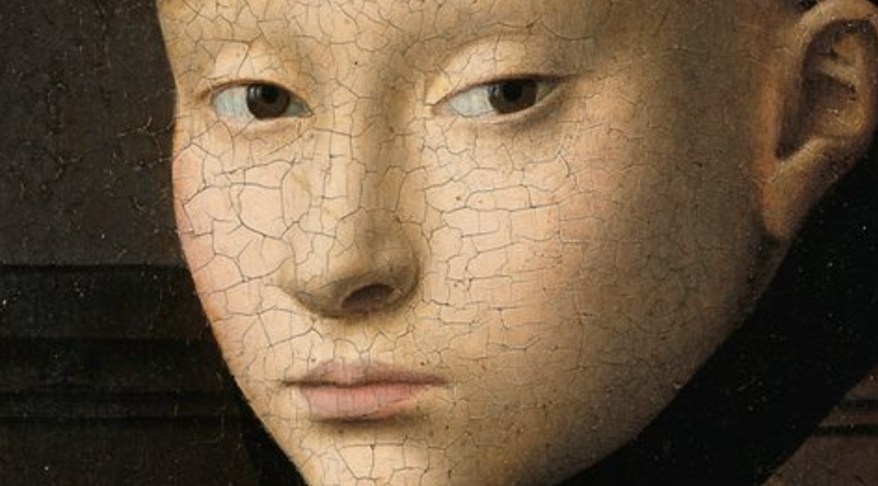
Il ritratto enigmatico di Petrus Christus
🇮🇹Chi è la giovane ritratta da Petrus Christus? Un volto misterioso, abiti preziosi e la luce del capolavoro fiammingo del 1470… 🇬🇧Who is the young woman portrayed by Petrus Christus? A mysterious face, exquisite attire, and the light of a Flemish masterpiece from 1470…
-
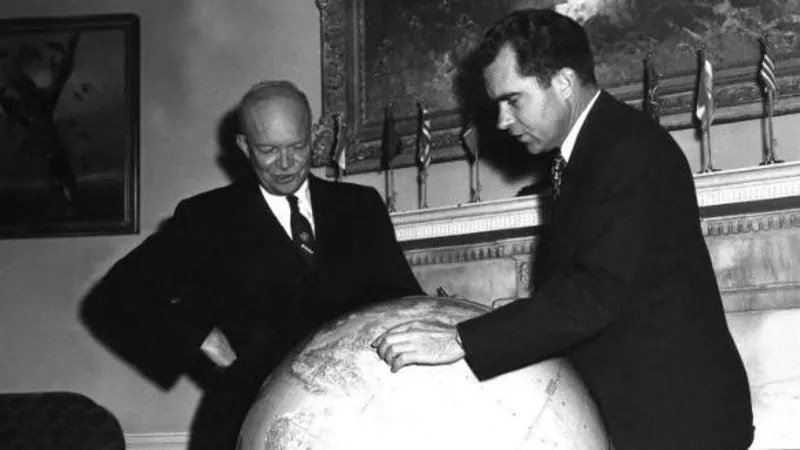
Pentagono, danneggiato il mappamondo legato a Eisenhower: era destinato all’ufficio di Hegseth
🇮🇹Il mappamondo di Eisenhower, cimelio della Seconda guerra mondiale conservato al Pentagono, è stato danneggiato durante un tentativo di trasferimento nell’ufficio di Pete Hegseth… 🇬🇧Eisenhower’s globe, a World War II relic kept at the Pentagon, was damaged during an attempt to move it to Pete Hegseth’s office…
-
«Gli uomini grandi nelle avversità han più cuore»: la lettera del 1518
🇮🇹Nel settembre del 1518, dopo la rottura di una colonna destinata alla facciata di San Lorenzo, Jacopo Salviati mi scrisse per incoraggiarmi a non abbandonare l’impresa… 🇬🇧In September 1518, following the breakage of a column intended for the façade of San Lorenzo, Jacopo Salviati wrote to me, encouraging me not to abandon the undertaking…
Condividi:


Questo sono io




sostienici

Sostienici – Support Us
Se questo blog ti piace e ti appassiona, puoi aiutarci a farlo crescere sempre più sostenendoci in modo concreto condividendo i post, seguendo le pagine social e con un contributo che ci aiuta ad andare avanti con il nostro lavoro di divulgazione. . ENGLISH: If you like and are passionate about this blog, you can help us make it grow more and more by supporting us in a concrete way by sharing posts, following social pages and with a contribution that helps us to move forward with our dissemination work.
€10,00


