
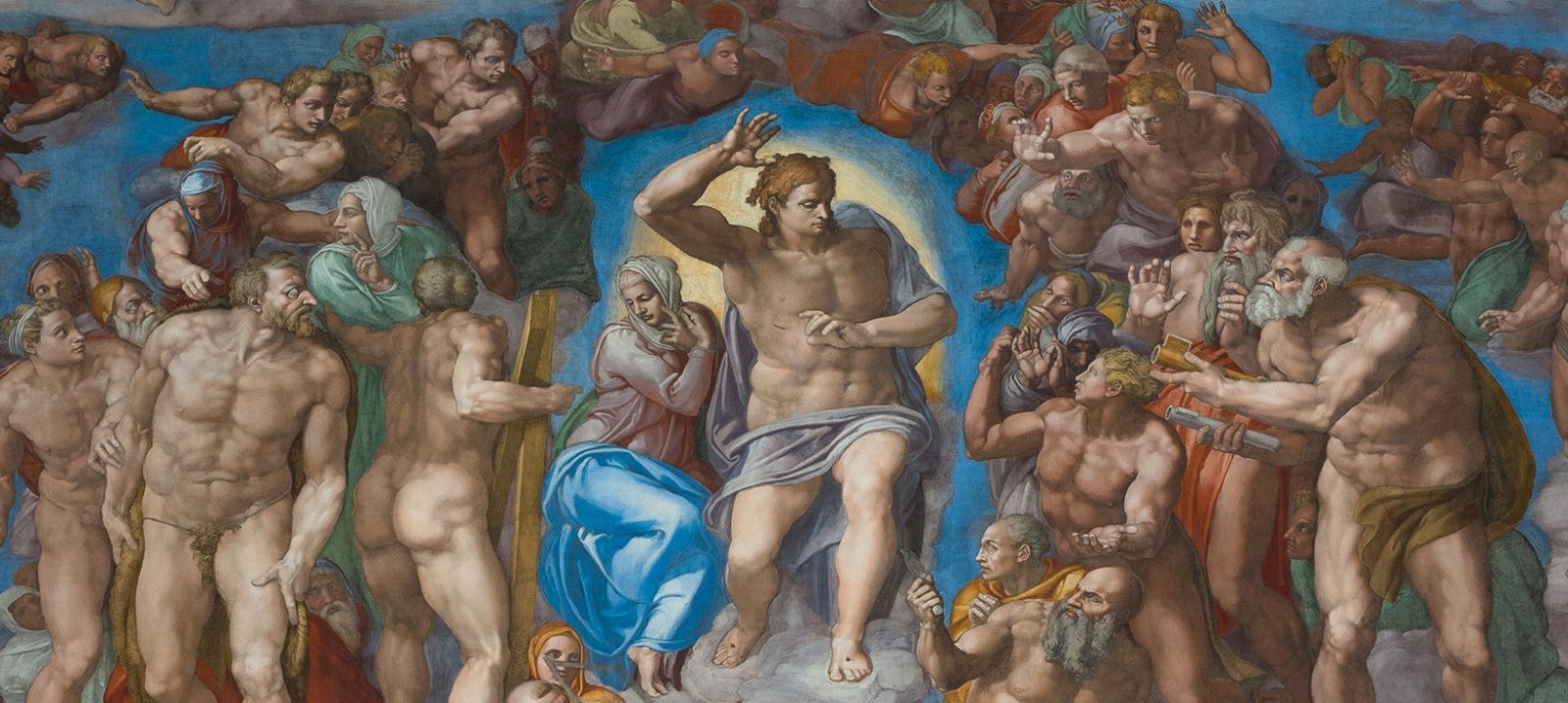
Il sublime che allieta e sgomenta
Scartabellando fra le note che mi sono appuntato nei foglietti infilati nei libri, ho ritrovato questa che vi propongo a seguire. E’ una considerazione assai interessante sul sublime, sul suo significato e su quello che può suscitare.
Leggi tutti i trattati del sublime e ti sarà ben arduo riuscire a capir bene questo concetto. E’ difficile spiegare un brivido che si sente soltanto due o tre vote nella vita; una idea raffigurata solo da a una mezza dozzina di esempi nella storia.
Però alza gli occhi alla Sistina; quivi è il sublime, quivi la sproporzione fra il nostro essere debole e le forze infinite di un’idea che ti confonde e ti annichilisce con la sua incommensurabile grandezza. Questo è il sublime; ti allieta e ti sgomenta al tempo stesso. Da Recuerdos de Italia di Castelar, anno 1872
Per il momento il vostro Michelangelo Buonarroti vi saluta dandovi appuntamento ai prossimi post e sui social.
The sublime that delights and dismays
Browsing through the notes that I have pinned on the sheets stuck in the books, I found this one that I propose to follow. It is a very interesting consideration on the sublime, on its meaning and on what it can arouse.
Read all the treatises on the sublime and it will be difficult for you to understand this concept well. It is difficult to explain a thrill that is felt only two or three times in life; an idea depicted by only half a dozen examples in history.
But he raises his eyes to the Sistine Chapel; here is the sublime, here is the disproportion between our weak being and the infinite forces of an idea that confuses and annihilates you with its immeasurable greatness. This is the sublime; it makes you happy and dismayed at the same time. From Recuerdos de Italia di Castelar, year 1872
For the moment, your Michelangelo Buonarroti greets you by giving you an appointment at the next posts and on social networks.

Sostienici – Support Us
Se questo blog ti piace e ti appassiona, puoi aiutarci a farlo crescere sempre più sostenendoci in modo concreto condividendo i post, seguendo le pagine social e con un contributo che ci aiuta ad andare avanti con il nostro lavoro di divulgazione. . ENGLISH: If you like and are passionate about this blog, you can help us make it grow more and more by supporting us in a concrete way by sharing posts, following social pages and with a contribution that helps us to move forward with our dissemination work.
5,00 €
-

La Natività mistica di Botticelli: il significato nascosto del dipinto più enigmatico del Natale
🇮🇹Angeli danzanti, demoni in fuga e una profezia apocalittica: scopri che cosa si nasconde nella Natività mistica di Sandro Botticelli, il dipinto che trasforma la nascita di Gesù in un messaggio di speranza per un mondo in crisi… 🇬🇧Dancing angels, fleeing demons, and an apocalyptic prophecy: discover what lies hidden in Sandro Botticelli’s *Mystic Nativity*,…
-
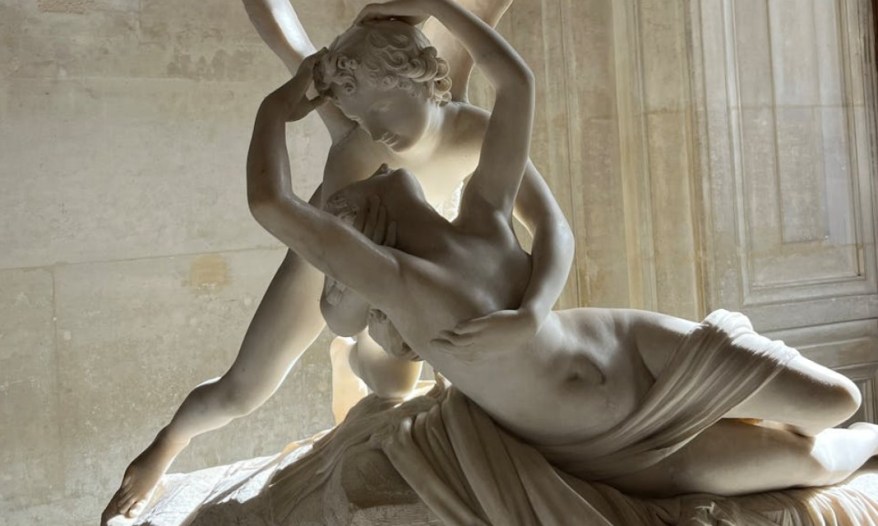
Antonio Canova, 13 ottobre 1822: muore lo scultore che diede vita al marmo
🇮🇹Il 13 ottobre 1822 moriva Antonio Canova. Scopri la vita, i capolavori, il rapporto con Napoleone e la missione per recuperare le opere d’arte italiane… 🇬🇧Antonio Canova died on October 13, 1822. Discover his life, his masterpieces, his relationship with Napoleon, and his mission to recover Italian works of art…
-
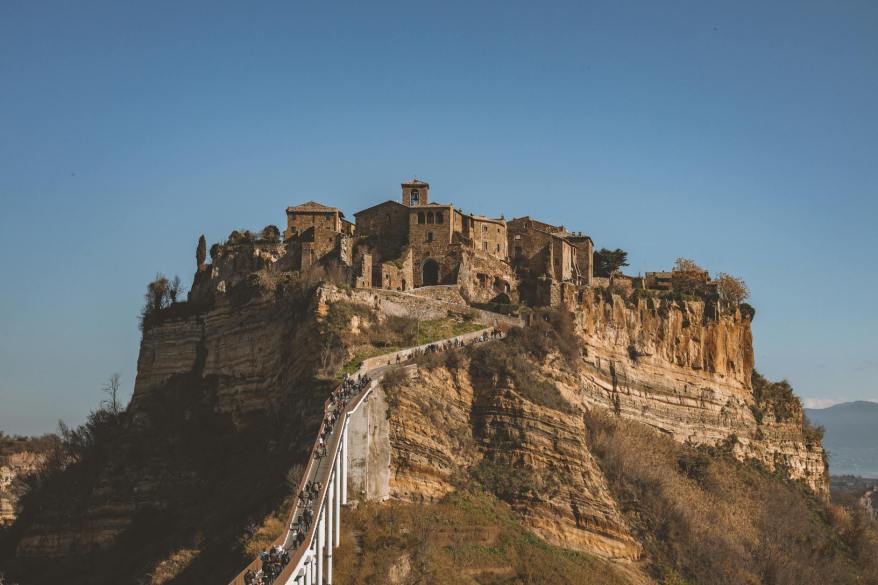
Civita di Bagnoregio e Bolsena Capitale italiana dell’Arte contemporanea 2028
🇮🇹Civita di Bagnoregio e Bolsena sono Capitale italiana dell’Arte contemporanea 2028 con il progetto Arte che viene, arte che va. Ecco cosa prevede… 🇬🇧Civita di Bagnoregio and Bolsena have been named the Italian Capital of Contemporary Art for 2028 with the project *Arte che viene, arte che va* (Art That Comes, Art That Goes). Here…
Condividi:


Questo sono io




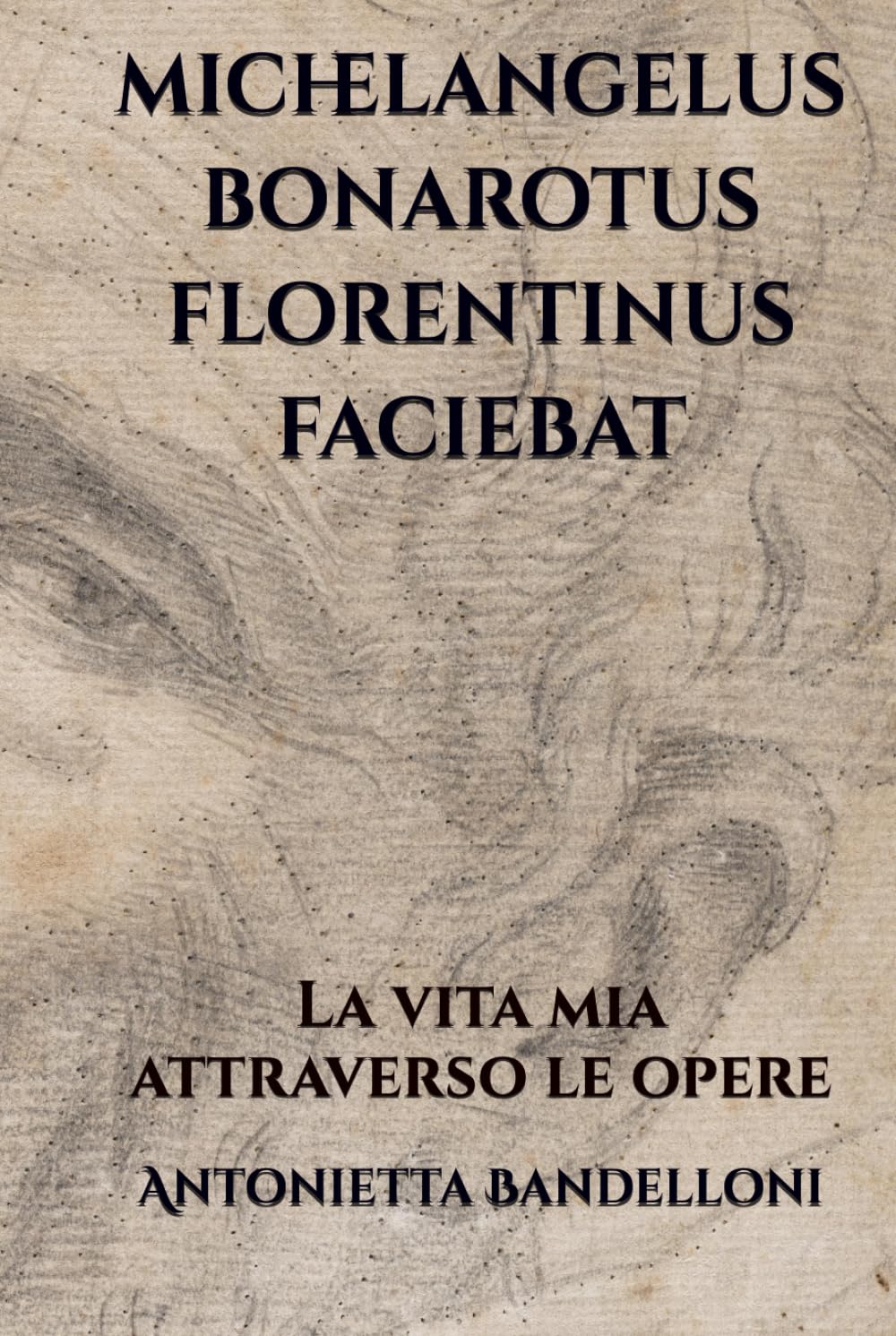
sostienici

Sostienici – Support Us
Se questo blog ti piace e ti appassiona, puoi aiutarci a farlo crescere sempre più sostenendoci in modo concreto condividendo i post, seguendo le pagine social e con un contributo che ci aiuta ad andare avanti con il nostro lavoro di divulgazione. . ENGLISH: If you like and are passionate about this blog, you can help us make it grow more and more by supporting us in a concrete way by sharing posts, following social pages and with a contribution that helps us to move forward with our dissemination work.
€10,00


