

Vivere con poco
“Sarà sempre uno schiavo chi non sa vivere con poco” sosteneva il poeta romano Orazio pochi anni prima che venisse al mondo Cristo. Chissà se conoscevo o meno questo suo modo di pensare e affrontare l’esistenza. Fatto sta che durante tutta la mia esistenza mantenni uno stile di vita sobrio, mai sopra le righe e privo di tutto quello che non consideravo essenziale.
Non amavo vestirmi con stoffe costose arrivate da chissà dove e nel mangiare ero assai parco: mi accontentavo di quello che mi serviva per nutrire il corpo. L’unico vezzo a tavola erano i formaggi marzolini che mi facevo mandare dal mi nipote Lionardo da Firenze durante i miei lunghi soggiorni romani.
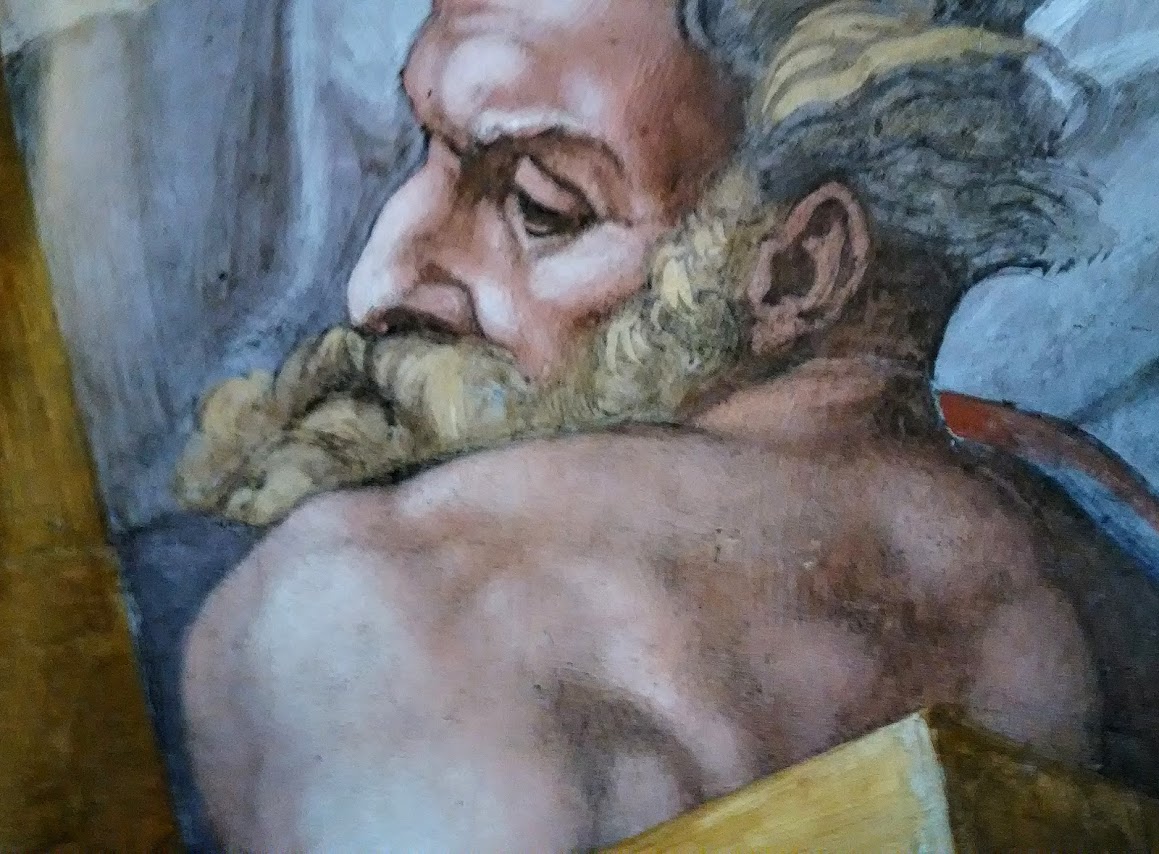
Altro non m’importava. Avevo l’impellente bisogno di dar corpo alle mie idee e di meditare sulla Passione di Cristo soprattutto a partire dagli anni quaranta del Cinquecento. Le cose effimere lasciano sempre il tempo che trovano e son di poco conto oggi come ieri.
Scrisse il Vasari nella seconda edizione delle Vite: “E’ stato sdegnoso, e giustamente, verso di chi gli ha fatto ingiuria; non però s’è visto mai esser corso alla vendetta, ma sì bene più tosto pazientissimo, et in tutti i costumi modesto, e nel parlare molto prudente e savio, con risposte piene di gravità et alle volte con motti ingegnosi, piacevoli et acuti.”
Per il momento il vostro Michelangelo Buonarroti vi saluta dandovi appuntamento ai prossimi post e sui social.
Living with little
“He who does not know how to live with little will always be a slave” claimed the Roman poet Horace a few years before Christ came into the world. He who knows if I knew his way of thinking and dealing with existence or not. The fact is that throughout my life I maintained a sober lifestyle, never over the top and devoid of everything that I did not consider essential.
I did not like to dress in expensive fabrics that came from who knows where and in eating I was very frugal: I was satisfied with what I needed to nourish my body. The only quirk at the table were the Marzolini cheeses that I had my nephew Lionardo from Florence send me during my long stays in Rome.
I didn’t care about anything else. I had an urgent need to give substance to my ideas and to meditate on the Passion of Christ, especially since the forties of the sixteenth century. Ephemeral things always leave the time they find and are of little importance today as yesterday.
Vasari wrote in the second edition of the Lives: “He was rightly intolerant of those who insulted him but he never took revenge. He was always very patient and modest in all his habits, wise and prudent in speaking and with always precise answers with lots of sometimes funny and acute exclamations. “
For the moment, your Michelangelo Buonarroti greets you by giving you an appointment at the next posts and on social networks.
Sostienici – Support Us
Se questo blog ti piace e ti appassiona, puoi aiutarci a farlo crescere sempre più sostenendoci in modo concreto condividendo i post, seguendo le pagine social e con un contributo che ci aiuta ad andare avanti con il nostro lavoro di divulgazione. . ENGLISH: If you like and are passionate about this blog, you can help us make it grow more and more by supporting us in a concrete way by sharing posts, following social pages and with a contribution that helps us to move forward with our dissemination work.
5,00 €
-
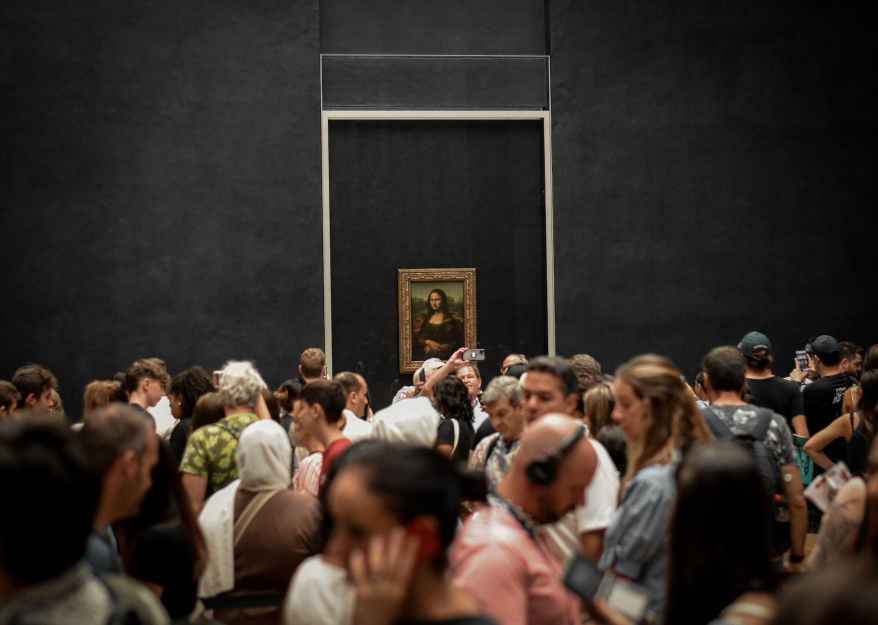
Il Louvre rischia la chiusura? Ecco cosa sta succedendo al museo dopo il furto da 88 milioni
🇮🇹Il Louvre rischia di chiudere senza una grande ristrutturazione. Dopo il furto dei gioielli della Corona, il direttore Christophe Leribault lancia l’allarme… 🇬🇧The Louvre risks closure without a major renovation. Following the theft of the Crown Jewels, director Christophe Leribault has raised the alarm…
-
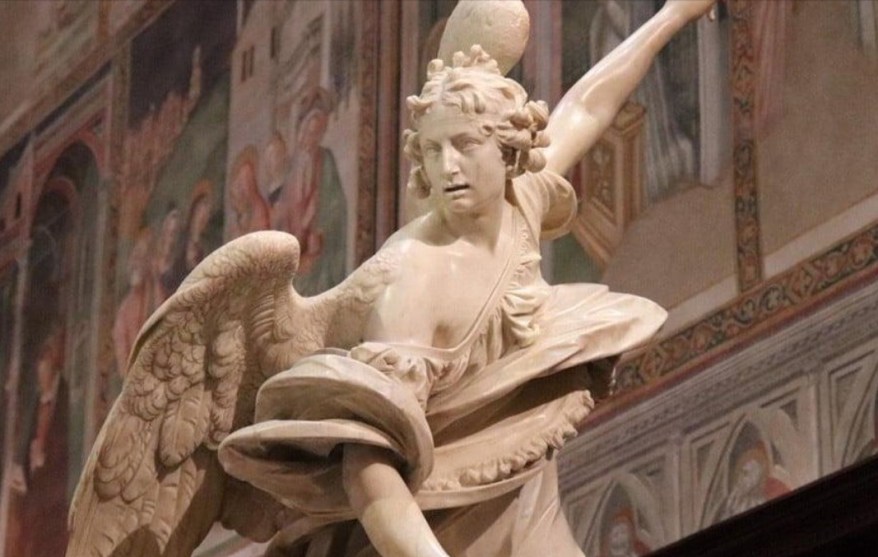
Francesco Mochi, lo scultore che liberò il marmo e il bronzo dal silenzio prima di Bernini
🇮🇹Prima di Bernini, c’è stato Francesco Mochi: scultore straordinario del Seicento, Mochi anticipò il dinamismo barocco con figure che sembrano sul punto di uscire dalla pietra e cavalli di bronzo carichi di energia… 🇬🇧Before Bernini, there was Francesco Mochi—an extraordinary 17th-century sculptor who anticipated Baroque dynamism with figures that seem on the verge of stepping…
-
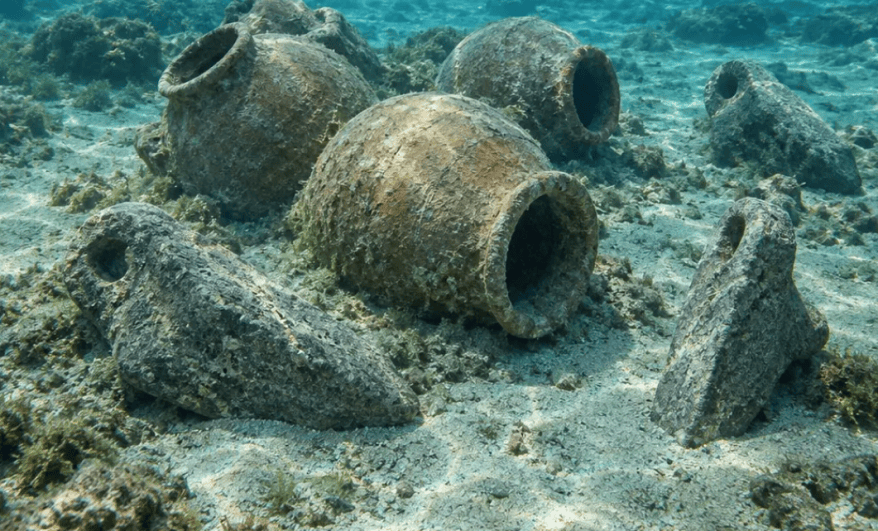
Kekova, Turchia: trovato un relitto di quasi 5.000 anni fa
🇮🇹Al largo di Kekova, in Turchia, un relitto che potrebbe risalire a 4.700 anni fa riporta l’attenzione sugli antichi commerci del Mediterraneo… 🇬🇧Off the coast of Kekova, in Türkiye, a shipwreck that may date back 4,700 years is drawing renewed attention to ancient Mediterranean trade…
Condividi:


Questo sono io



sostienici

Sostienici – Support Us
Se questo blog ti piace e ti appassiona, puoi aiutarci a farlo crescere sempre più sostenendoci in modo concreto condividendo i post, seguendo le pagine social e con un contributo che ci aiuta ad andare avanti con il nostro lavoro di divulgazione. . ENGLISH: If you like and are passionate about this blog, you can help us make it grow more and more by supporting us in a concrete way by sharing posts, following social pages and with a contribution that helps us to move forward with our dissemination work.
€10,00


