
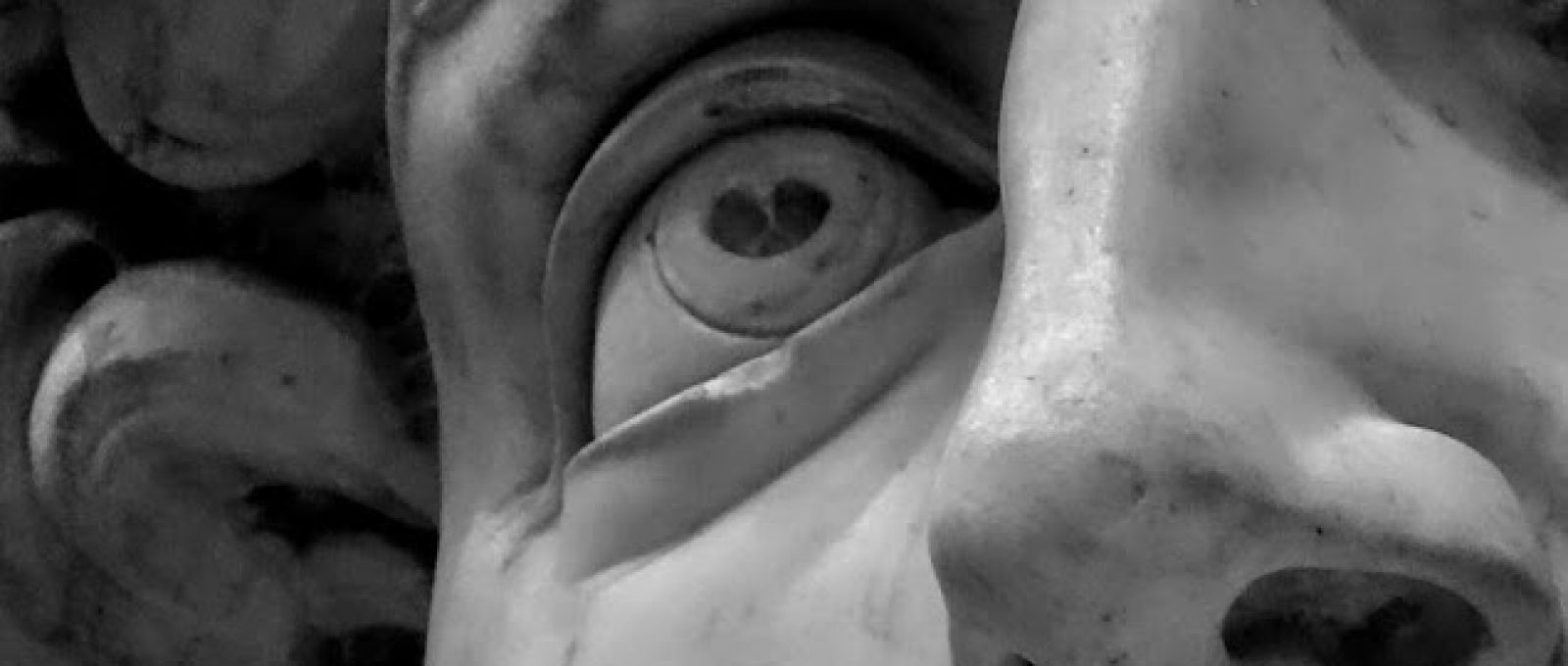
La Sala dell’Udienza e la Sala dei Gigli a Palazzo Vecchio
Palazzo Vecchio è un susseguirsi di sale, una più bella dell’altra. Oggi in particolare voglio portarvi assieme a me nella Sala dell’Udienza e nella Sala dei Gigli dove è conservata la Giuditta di Donatello.
La Sala dell’Udienza
Nella vecchia disposizione di Palazzo dei Priori, la Sala dell’Udienza assieme alla Sala dei Gigli non ancora separate costituivano l’Aula Grande. Successivamente, fra il 1470 e il 1472, Benedetto da Maiano fu scelto per costruire una parete in mezzo all’aula in modo da separare la grande sala in due più piccole: una sarebbe stata adibita alle udienze e l’altra alle riunioni importanti.

Cosimo I de’ Medici, il duca che per primo scelse come residenza Palazzo Vecchio, commissionò a Salviati il ciclo di affreschi che decora tutt’oggi la Sala dell’Udienza. Così fra il 1543 e il 1545, assieme a Domenico Romano, affrescò le pareti scegliendo come soggetto le storie del generale romano Furio Camillo che liberò Roma dai Galli Boi nel 309 a.C.
Cosa centra questo generale romano con Cosimo I de’ Medici? Beh, la sua storia fu usata per simboleggiare la ripresa della città di Firenze dopo aver cacciato la Repubblica.
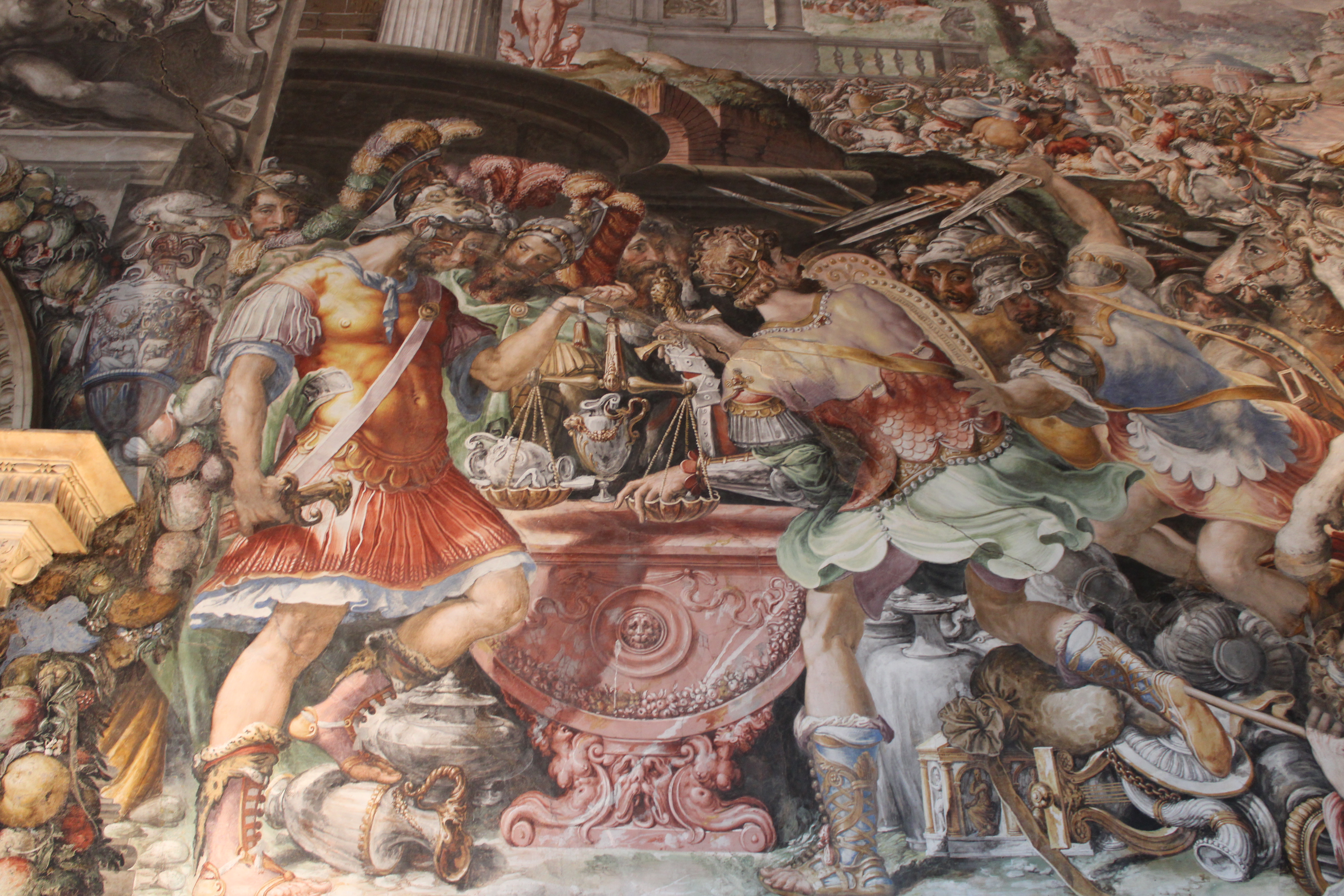
La scena affrescata sulla parete maggiore rappresenta il Trionfo di Camillo dopo aver conquistato Veio.
Si vede il generale romano incoronato dalla personificazione della Fama ed è preceduto dalla scultura di Giunone. A seguire si vede lo stesso Camillo che irrompe armato durante la pesa dell’oro sottratto da Brenno ai Romani.
La Sala dei Gigli
Sapete da cosa prende il nome questa sala? Beh dai gigli certo ma da quali?
Non dal giglio fiorentino ma da quello che simboleggia la corona di Francia e i distingue da quello di Firenze per il colore oro e blu invece del più classico rosso e argento. In pratica la decorazione della sala con questi gigli presenti sulle pareti e sul soffitto a cassettoni fu una sorta di omaggio ai protettori della parte guelfa.
Fu il Ghirlandaio a occuparsi degli affreschi sulla parete opposta a quella d’ingresso e come soggetto scelse l’Apoteosi di San Zanobi con i diaconi Eugenio e Crescenzio.
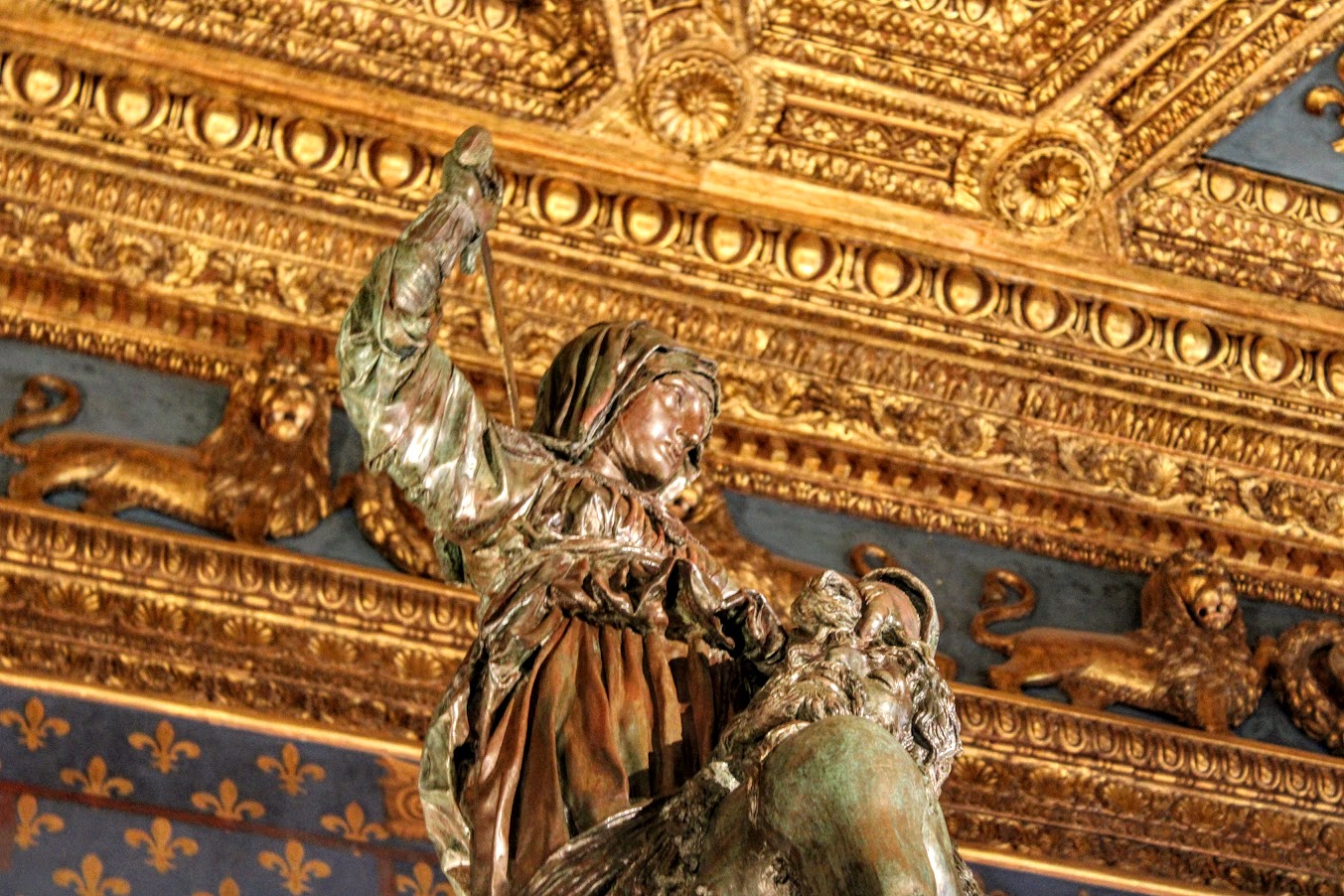
Dal 1988 è la Giuditta di Donatello ad essere la protagonista della sala. Fu spostata qua in quell’anno per motivi conservativi e l’originale sull’arengario di Palazzo Vecchio fu sostituito da una copia.
Il sempre vostro Michelangelo Buonarroti con i suoi racconti
The Audience Hall and the Hall of the Lilies in Palazzo Vecchio
Palazzo Vecchio is a succession of rooms, one more beautiful than the other. Today in particular I want to take you with me to the Sala dell’Udienza and the Sala dei Gigli where Donatello’s Judith is kept.
The Audience Hall
In the old layout of Palazzo dei Priori, the Audience Hall together with the Sala dei Gigli not yet separated constituted the Great Hall. Subsequently, between 1470 and 1472, Benedetto da Maiano was chosen to build a wall in the middle of the hall in order to separate the large room into two smaller ones: one would be used for audiences and the other for important meetings.
Cosimo I de’ Medici, the duke who first chose Palazzo Vecchio as his residence, commissioned Salviati to create the cycle of frescoes that still decorate the Audience Hall today. So between 1543 and 1545, together with Domenico Romano, he frescoed the walls, choosing as his subject the stories of the Roman general Furio Camillo who freed Rome from the Gauls in 309 BC.
What does this Roman general have to do with Cosimo I de’ Medici? Well, his story was used to symbolize the recovery of the city of Florence after expelling the Republic.
The scene frescoed on the main wall represents the Triumph of Camillus after conquering Veii. The Roman general is seen crowned by the personification of Fame and is preceded by the sculpture of Juno. Next we see Camillus himself bursting in armed during the weighing of the gold stolen from the Romans by Brennus.
The Hall of Lilies
Do you know what this room takes its name from? Well from lilies of course but from which ones? Not from the Florentine lily but from the one that symbolizes the crown of France and is distinguished from that of Florence by the gold and blue color instead of the more classic red and silver. In practice, the decoration of the room with these lilies present on the walls and on the coffered ceiling was a sort of homage to the protectors of the Guelph party.
It was Ghirlandaio who took care of the frescoes on the wall opposite the entrance and chose the Apotheosis of San Zanobi with the deacons Eugenio and Crescenzio as the subject.
Since 1988, Donatello’s Judith has been the protagonist of the room. She was moved here in that year for conservation reasons and the original on the arengario of Palazzo Vecchio was replaced by a copy.
Your always Michelangelo Buonarroti with his stories

Sostienici – Support Us
Se questo blog ti piace e ti appassiona, puoi aiutarci a farlo crescere sempre più sostenendoci in modo concreto condividendo i post, seguendo le pagine social e con un contributo che ci aiuta ad andare avanti con il nostro lavoro di divulgazione. . ENGLISH: If you like and are passionate about this blog, you can help us make it grow more and more by supporting us in a concrete way by sharing posts, following social pages and with a contribution that helps us to move forward with our dissemination work.
10,00 €
ULTIMI ARTICOLI
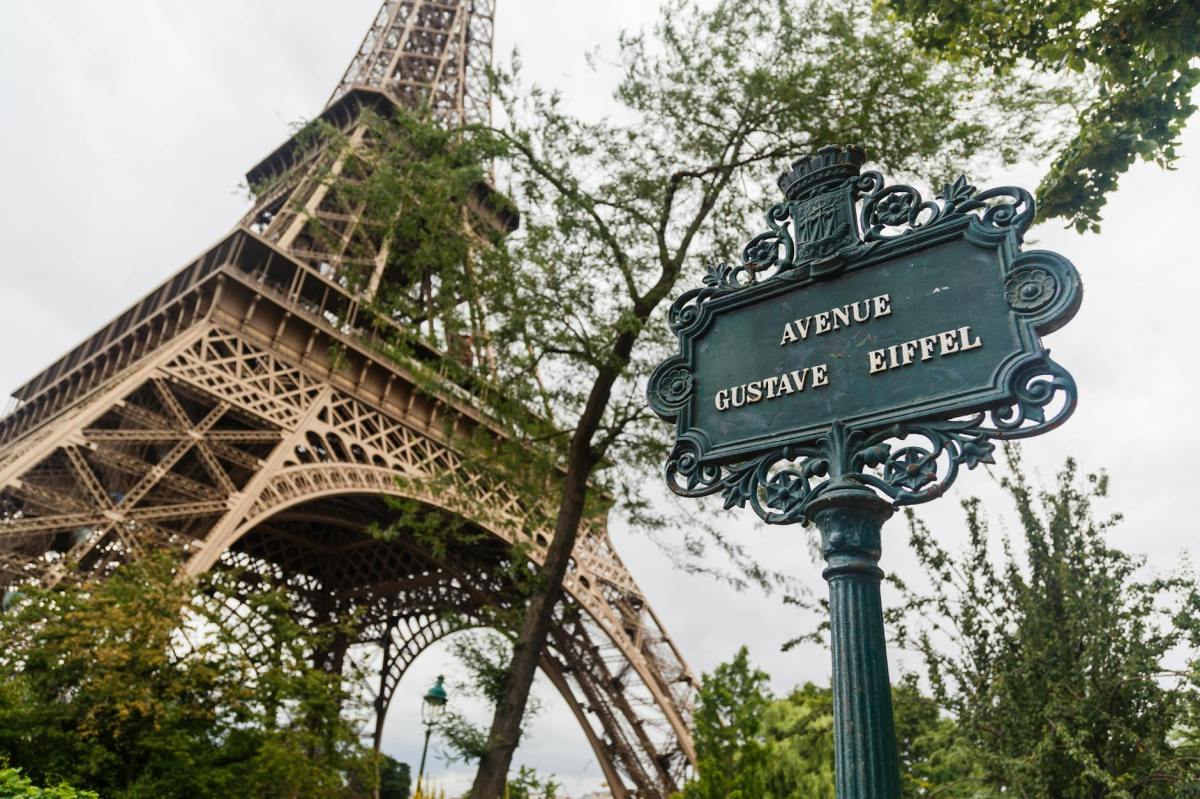
31 marzo 1889: inaugurata la Torre Eiffel tra critiche feroci e un destino inaspettato
🇮🇹Il 31 marzo 1889 segna una data destinata a cambiare per sempre il volto di Parigi e dell’immaginario collettivo globale: viene inaugurata la Torre Eiffel, l’opera più audace e discussa del suo tempo… 🇬🇧March 31, 1889 marks a date destined to change the face of Paris and the global collective imagination forever: the Eiffel Tower,…
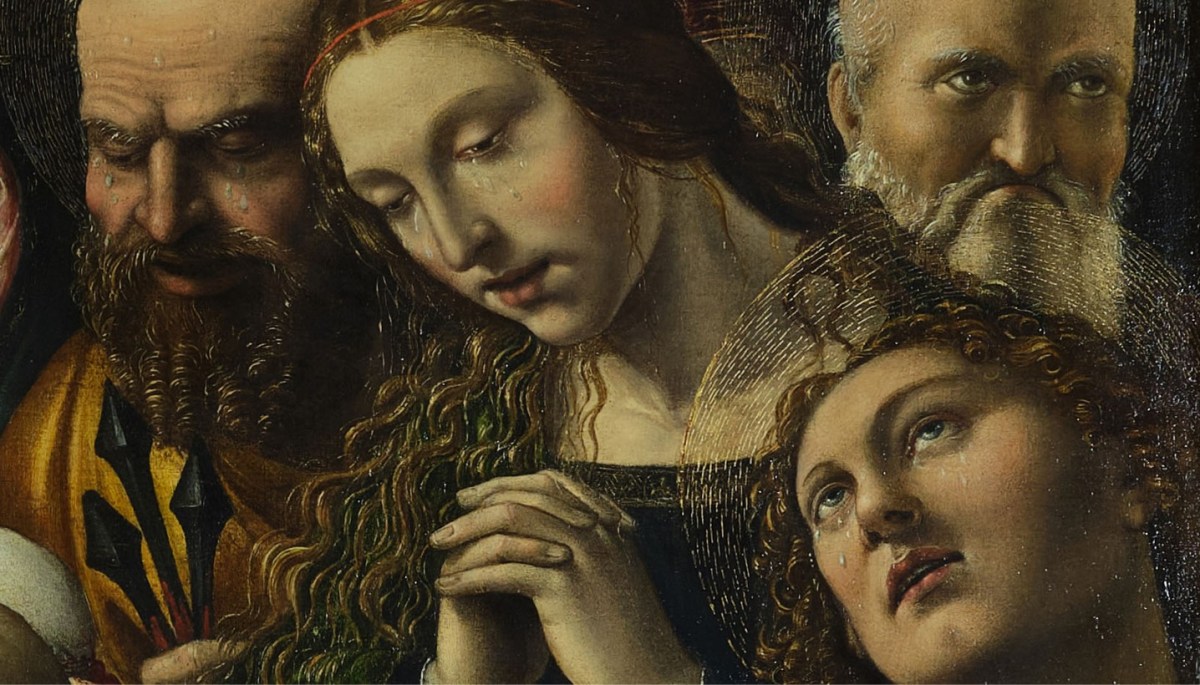
Sodoma in mostra a Torino: il Rinascimento al Museo Accorsi-Ometto
🇮🇹Al Museo di Arti Decorative Accorsi-Ometto arriva una mostra dedicata al Sodoma: oltre 50 opere, alcune mai viste prima, raccontano la formazione dell’artista e il suo dialogo con maestri come Pinturicchio… 🇬🇧An exhibition dedicated to Sodoma arrives at the Accorsi-Ometto Museum of Decorative Arts: over 50 works, some never before seen, recount the artist’s development…
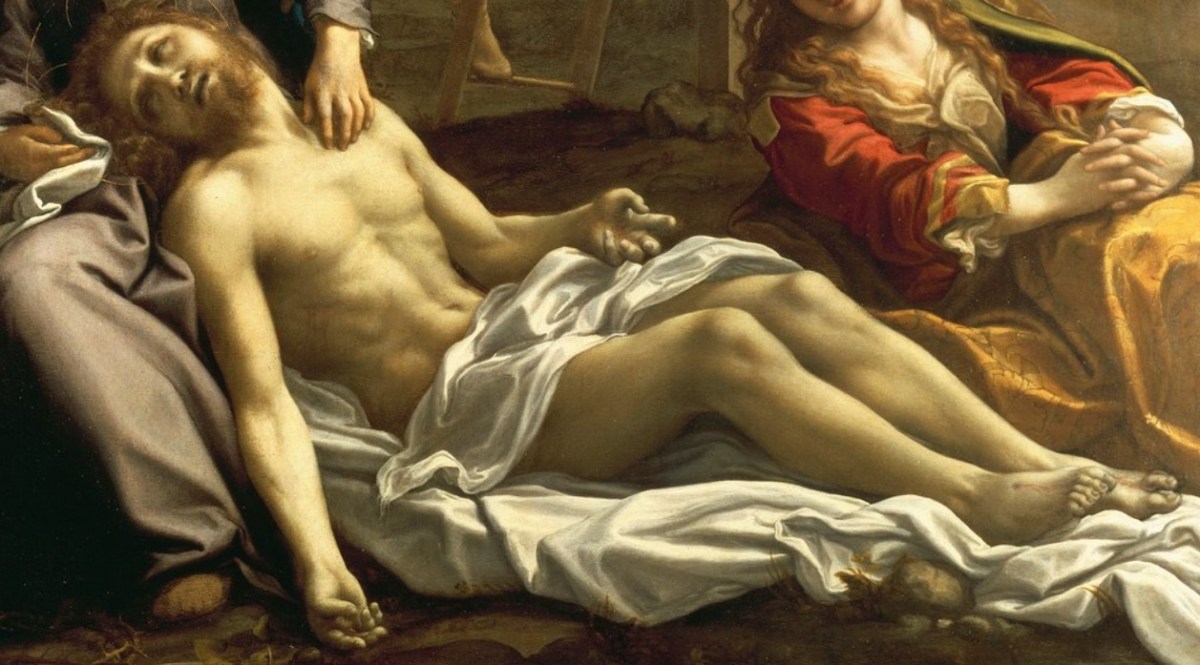
Il Compianto sul Cristo morto di Correggio: pathos e devozione
🇮🇹Con l’inizio della Settimana Santa, vi propongo il Compianto sul Cristo morto di Antonio Allegri, più noto come il Correggio: uno dei vertici assoluti della pittura emiliana del Cinquecento… 🇬🇧With the beginning of Holy Week, I propose the Lamentation over the Dead Christ by Antonio Allegri, better known as Correggio: one of the absolute peaks…
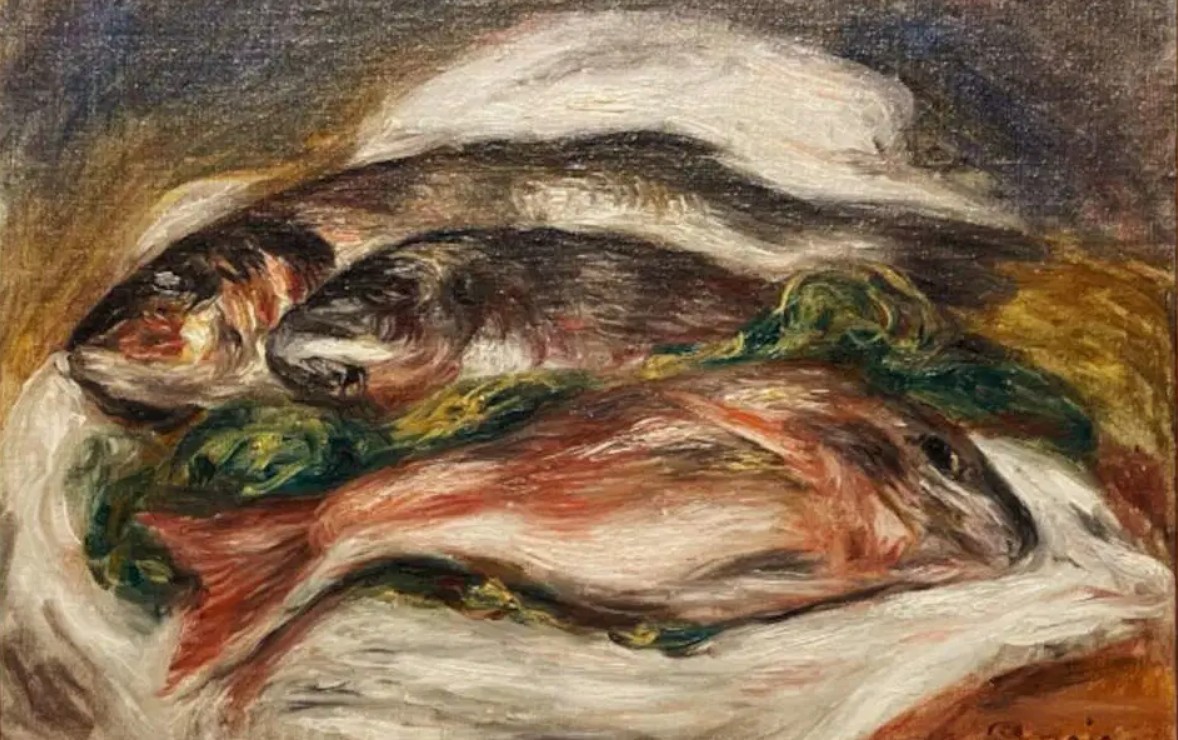
Furto milionario alla Magnani Rocca: rubati Renoir, Cézanne e Matisse
🇮🇹‼Tre capolavori storici spariti in meno di tre minuti: Les Poissons di Renoir, Tasse et plat de cerises di Cézanne e Odalisque sur la terrasse di Matisse sono stati rubati nella dalla Fondazione Magnani Rocca a Mamiano di Traversetolo, nel Parmense… 🇬🇧‼Three historic masterpieces disappeared in less than three minutes: Renoir’s Les Poissons, Cézanne’s Tasse…
Si è verificato un problema. Aggiorna la pagina e/o riprova in seguito.
Condividi:


Questo sono io





sostienici

Sostienici - Support Us
Se questo blog ti piace e ti appassiona, puoi aiutarci a farlo crescere sempre più sostenendoci in modo concreto condividendo i post, seguendo le pagine social e con un contributo che ci aiuta ad andare avanti con il nostro lavoro di divulgazione. . ENGLISH: If you like and are passionate about this blog, you can help us make it grow more and more by supporting us in a concrete way by sharing posts, following social pages and with a contribution that helps us to move forward with our dissemination work.
€10,00


1 commento »