

Gli arcieri
Fra i disegni più suggestivi e belli che sopravvissero ai miei roghi c’è sicuramente quello degli Arcieri, conservato presso la Royal Library del castello di Windsor.
E’ un gruppo di giovani arcieri che lanciano a mani nude le frecce su di uno scudo sorretto da un’erma. L’ultima della fila è una donna mentre l’unico munito di arco sembra essere il fauno in alto a sinistra.
Sia l’erma che il cupido addormentato che usa una pietra come cuscino li disegnai con una sanguigna diversa. Il perché di questa scelta non lo ricordo ma spero vogliate perdonare mio vuoto di memoria causato da secoli di polvere depositati nel cervello.
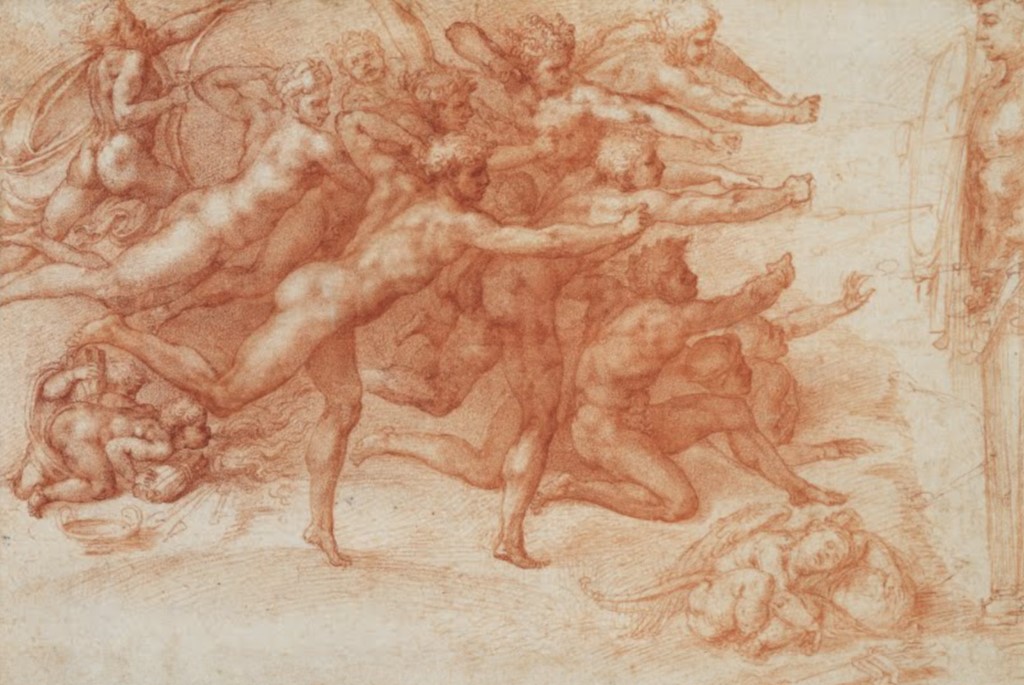
In basso a sinistra ci son due putti accovacciati che soffiano su un fuoco che ha tutta l’aria di essere un rogo assai simbolico.
Alcuni esperti hanno voluto interpretare questo disegno come l’inutilità dell’impulso cieco e appassionato dell’amore. Altri invece dicono che i putti soffino sul fuoco della passione alimentando così la forza dell’azione degli arcieri. Il loro obiettivo dopotutto sembra essere lo scudo e non il giovane rappresentato nell’erma che rappresenta l’amore spirituale.
Non essendo io intenzionato a rivelarvi il significato di questo foglio, queste due citate e altre interpretazioni ancora sono plausibili. Il sempre vostro Michelangelo Buonarroti e i suoi disegni salvati dai roghi

The archers
Among the most striking and beautiful designs that survived my fires, there is certainly that of the Archers, currently kept in the Royal Library of Windsor Castle.
It is a group of young archers who throw their arrows with their bare hands on a shield supported by a hermaid. The last in the row is a woman while the only one with an arch appears to be the faun in the upper left.
Both the herm and the sleeping cupid, who uses a stone as a pillow, drew them with a different blood. The reason for this choice I do not remember but I hope you will forgive my memory emptiness caused by centuries of dust deposited in the brain.
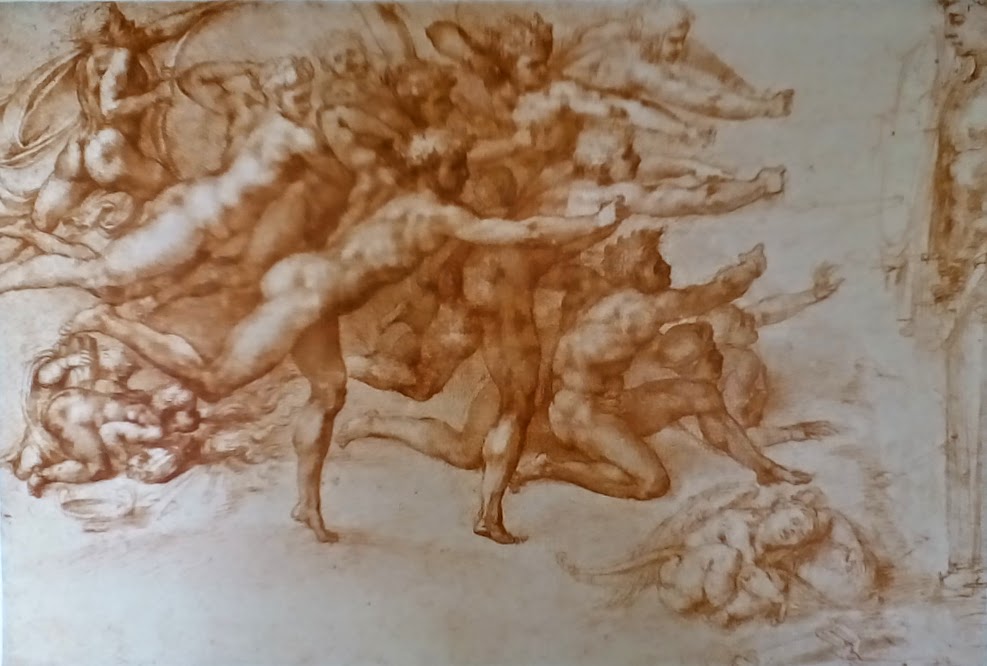
In the lower left there are two crouching putti blowing on a fire that looks like a very symbolic stake.
Some experts wanted to interpret this design as the uselessness of the blind and passionate impulse of love. Others say that the putti are blowing on the fire of passion, thus feeding the strength of the action of the archers. Their goal after all seems to be the shield and not the young man represented in the herm that represents spiritual love. Since I do not intend to reveal the meaning of this sheet, these two quoted and other interpretations are still plausible.
Your always Michelangelo Buonarroti and his drawings saved from the fires
Sostienici – Support Us
Se questo blog ti piace e ti appassiona, puoi aiutarci a farlo crescere sempre più sostenendoci in modo concreto condividendo i post, seguendo le pagine social e con un contributo che ci aiuta ad andare avanti con il nostro lavoro di divulgazione. . ENGLISH: If you like and are passionate about this blog, you can help us make it grow more and more by supporting us in a concrete way by sharing posts, following social pages and with a contribution that helps us to move forward with our dissemination work.
5,00 €
ULTIMI ARTICOLI
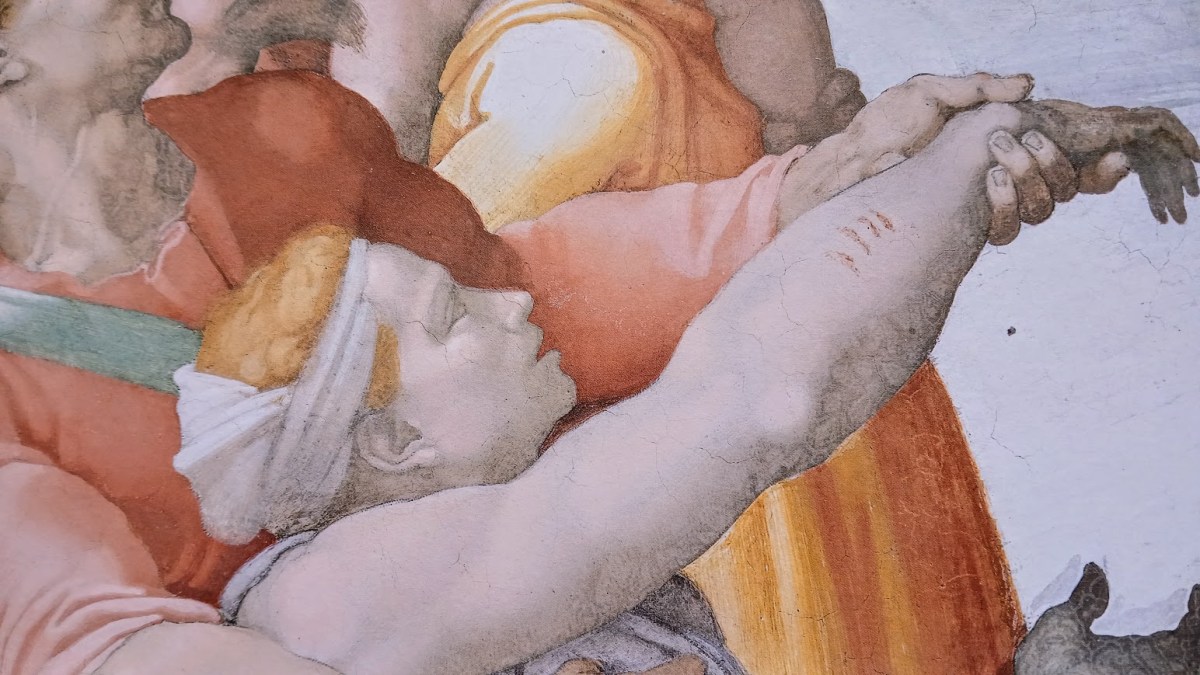
La donna morsa dal serpente nella Cappella Sistina
🇮🇹Quattro segni sul braccio. Nella volta della Cappella Sistina ho dipinto serpenti velenosi, corpi contorti e volti deformati dal terrore. Ma c’è un particolare che potrebbe sfuggirvi… 🇬🇧Four marks on the arm. On the ceiling of the Sistine Chapel, I painted venomous snakes, contorted bodies, and faces twisted by terror. But there is a detail…
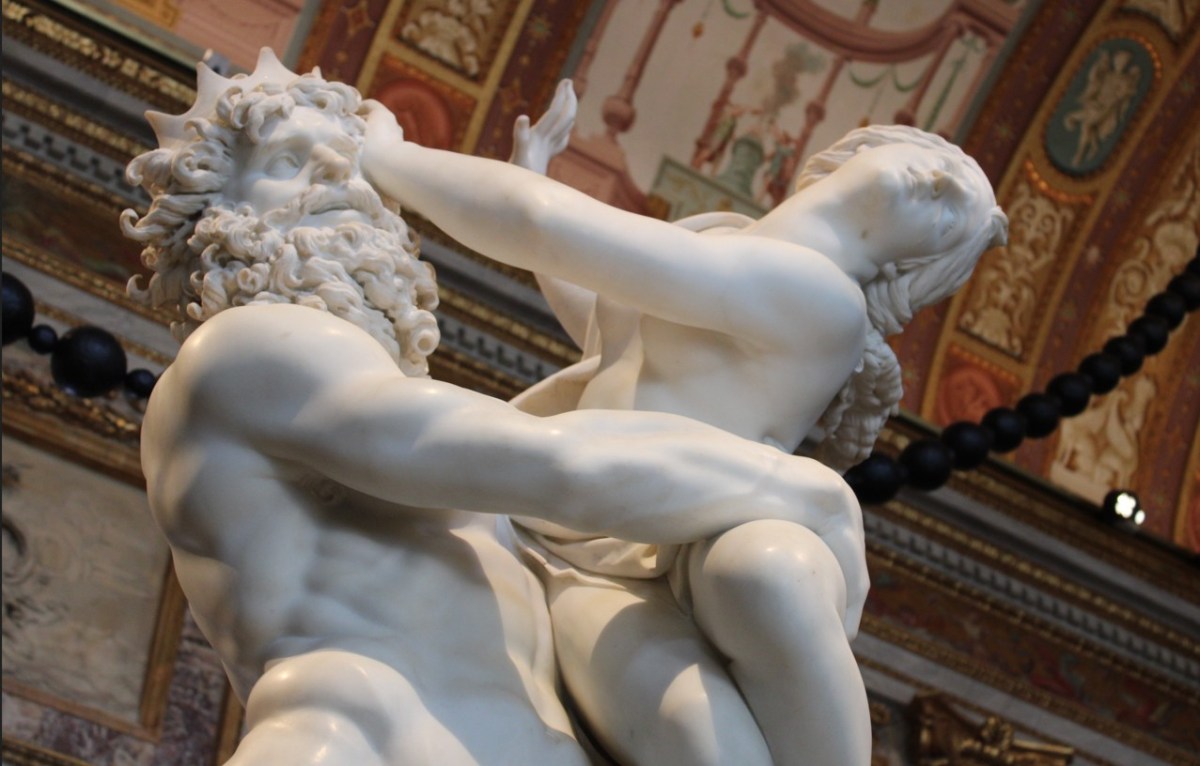
Gian Lorenzo Bernini: l’uomo che fece muovere il marmo
🇮🇹Davanti a una scultura di Gian Lorenzo Bernini, capita di avvicinarsi per osservare un dettaglio e ritrovarsi a seguire con lo sguardo l’intera scena. Una mano stringe una coscia, un volto si volta per sfuggire a uno sguardo, le dita si trasformano in foglie…
🇬🇧When standing before a sculpture by Gian Lorenzo Bernini, you might…
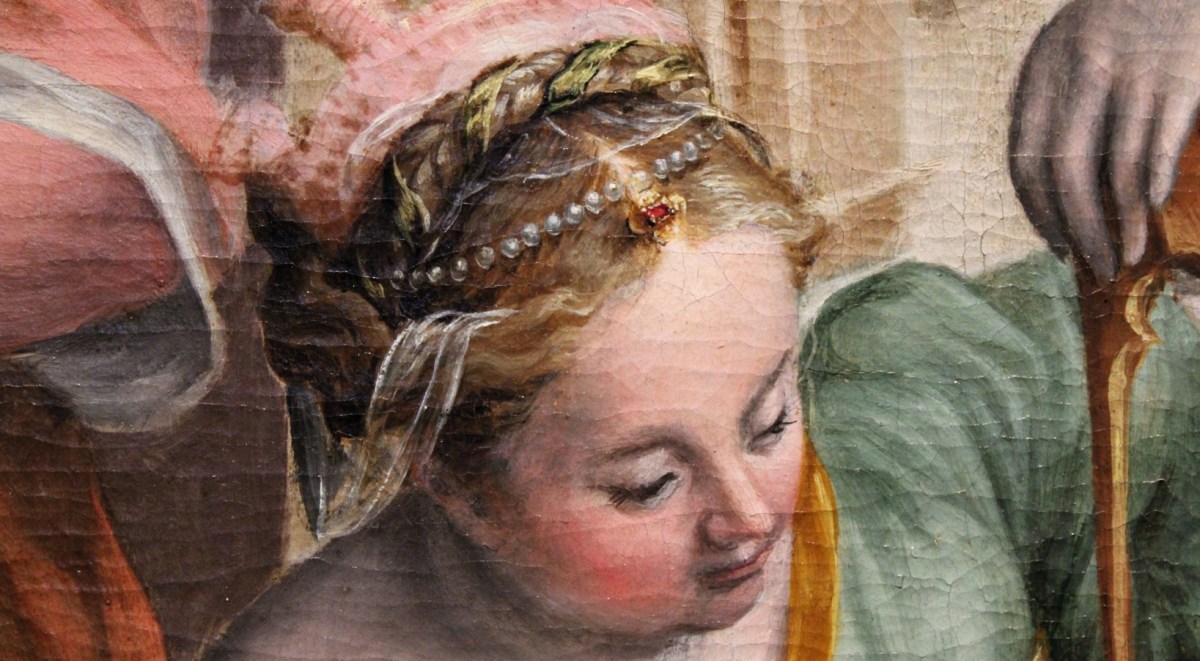
L’Allegoria della Geometria di Prospero Fontana: il dipinto attribuito per errore a Jacopo Coppi
🇮🇹L’Allegoria della Geometria, attribuita un tempo a Jacopo Coppi, è stata restituita a Prospero Fontana: storia, significato e segreti del dipinto… 🇬🇧The Allegory of Geometry, once attributed to Jacopo Coppi, has been reattributed to Prospero Fontana: the history, meaning, and secrets of the painting…
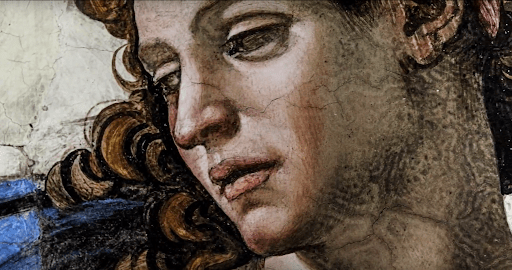
Il mio cuore prigioniero
🇮🇹Nei miei versi l’amore diventa tormento, prigionia e vita…
🇬🇧In my verses, love becomes torment, imprisonment, and life…
Si è verificato un problema. Aggiorna la pagina e/o riprova in seguito.
Condividi:


Questo sono io



sostienici

Sostienici – Support Us
Se questo blog ti piace e ti appassiona, puoi aiutarci a farlo crescere sempre più sostenendoci in modo concreto condividendo i post, seguendo le pagine social e con un contributo che ci aiuta ad andare avanti con il nostro lavoro di divulgazione. . ENGLISH: If you like and are passionate about this blog, you can help us make it grow more and more by supporting us in a concrete way by sharing posts, following social pages and with a contribution that helps us to move forward with our dissemination work.
€10,00


