
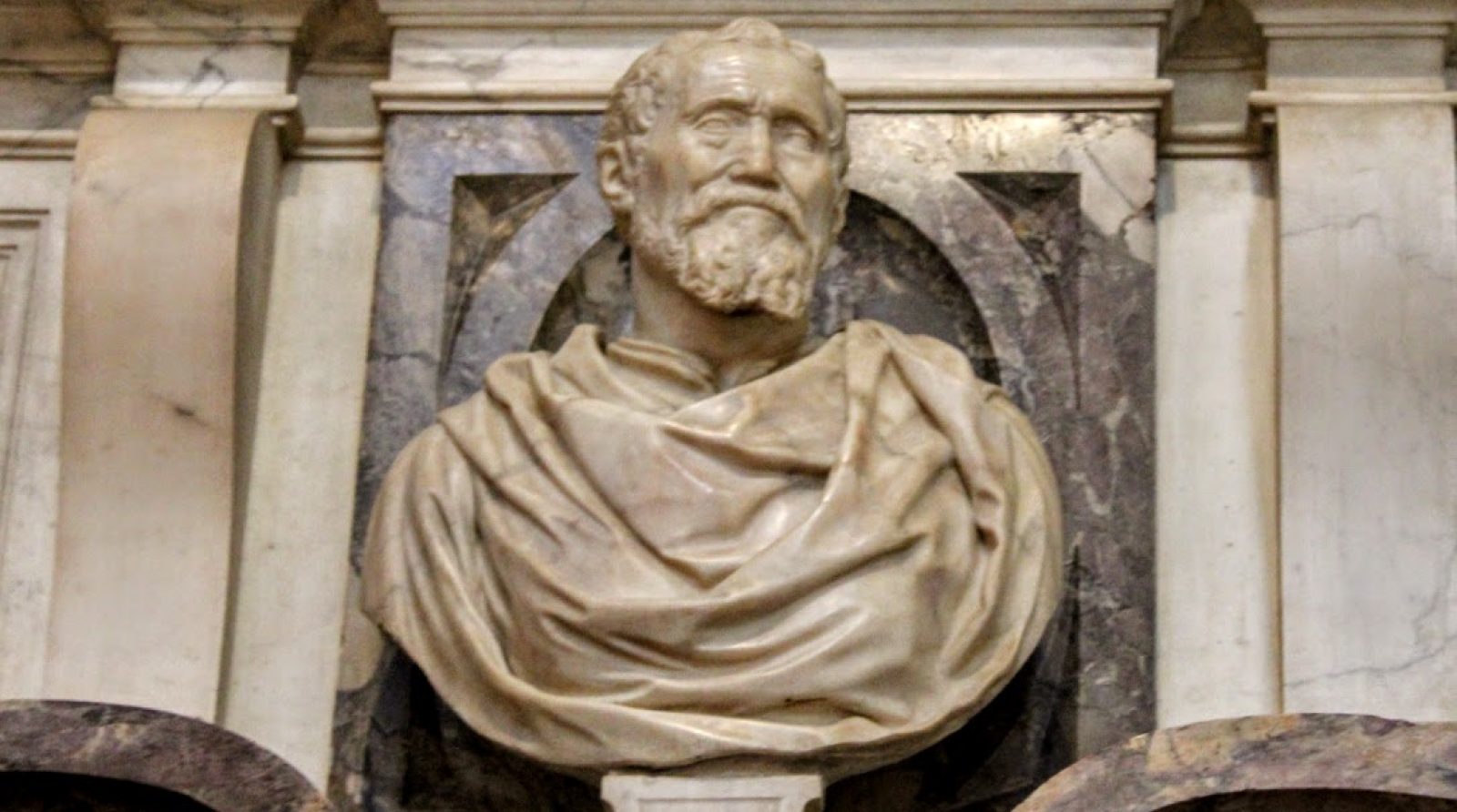
Facevo paura anche ai papi
Che non fossi un uomo affabile lo sapevano tutti. Avevo poca pazienza, non amavo i compromessi e la diplomazia non era la mia virtù migliore.
Non sono mai stato un uomo particolarmente accomodante. Chi mi ha conosciuto sa che non avevo l’abitudine di girare intorno alle cose, né quella di addolcire le parole per rendermi simpatico a qualcuno. Se una cosa non mi andava, lo dicevo. Se ritenevo che un lavoro fosse fatto male, non vedevo perché avrei dovuto fingere il contrario. Se qualcuno pretendeva di insegnarmi il mio mestiere, presto se ne pentiva.
Mi sono guadagnato la fama di uomo scontroso, ostinato e tutt’altro che incline alla diplomazia. Non posso dire che fosse sempre immeritata tal fama.

D’altra parte, avevo ben altro a cui pensare che alle buone maniere. Il marmo non si lascia convincere con le adulazioni e nemmeno la pittura si piega ai desideri di chi crede di sapere tutto. Per ottenere qualcosa da entrambe occorrono pazienza, fatica e una certa dose di ostinazione. Io ne avevo in abbondanza, forse più di quanto fosse prudente.
Il mio carattere riusciva a mettere in soggezione persino gli uomini più potenti del mio tempo, papi compresi. Non è una leggenda come si potrebbe pensare. A raccontarlo è una lettera del 1520, scritta da Sebastiano del Piombo, un pittore con il quale, allora, ero ancora in buoni rapporti.
La morte di Raffaello e le ambizioni di Sebastiano
Il 6 aprile 1520 morì Raffaello Sanzio. Aveva soltanto trentasette anni e la sua scomparsa lasciò un vuoto enorme nella vita artistica romana. Con lui se ne andava uno dei pittori più ammirati del tempo, ma rimanevano le opere incompiute e le commissioni in corso da portare avanti. Chi avrebbe preso il suo posto?
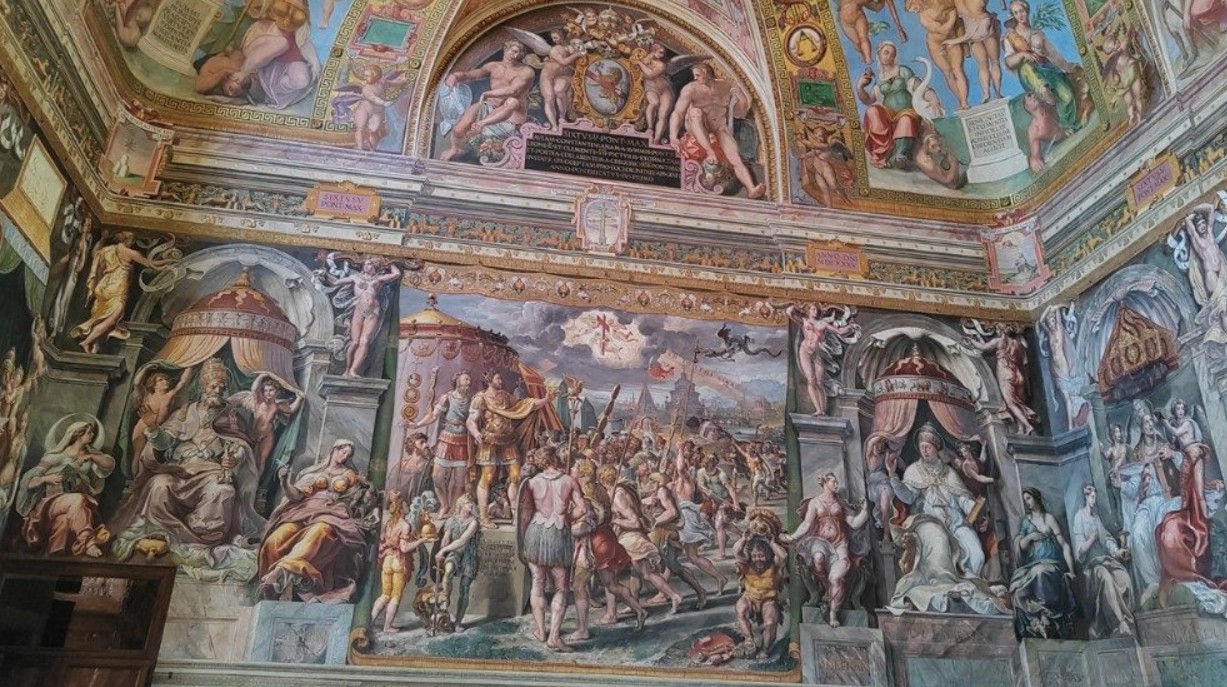
Sebastiano del Piombo cominciò a guardarsi intorno con un certo interesse. Fra le imprese che sperava di ottenere c’erano le decorazioni della Sala di Costantino in Vaticano, un incarico prestigioso che avrebbe potuto consolidare ulteriormente la sua posizione.
Per riuscirci aveva però bisogno di una raccomandazione importante. Pensò bene di rivolgersi a me.
In quel periodo mi trovavo a Firenze, impegnato nel progetto della facciata della basilica di San Lorenzo. Anche Giulio de’ Medici era in città. Lo conoscevo da molti anni, fin da quando eravamo ragazzi e frequentavamo la corte di Lorenzo il Magnifico, suo zio. Avevamo persino mangiato insieme alla sua tavola, in quei tempi lontani in cui nessuno avrebbe potuto immaginare quali strade avremmo percorso.
Giulio sarebbe diventato papa con il nome di Clemente VII. Io, invece, continuavo a essere quello di sempre: poco disposto a farmi comandare e ancora meno a fingere di essere d’accordo quando non lo ero.
Sebastiano conosceva bene il rapporto che ci legava e sperava che la mia parola potesse aiutarlo a ottenere l’incarico in Vaticano. Così mi chiese aiuto. Non era certo la prima volta che ricorreva al mio supporto.
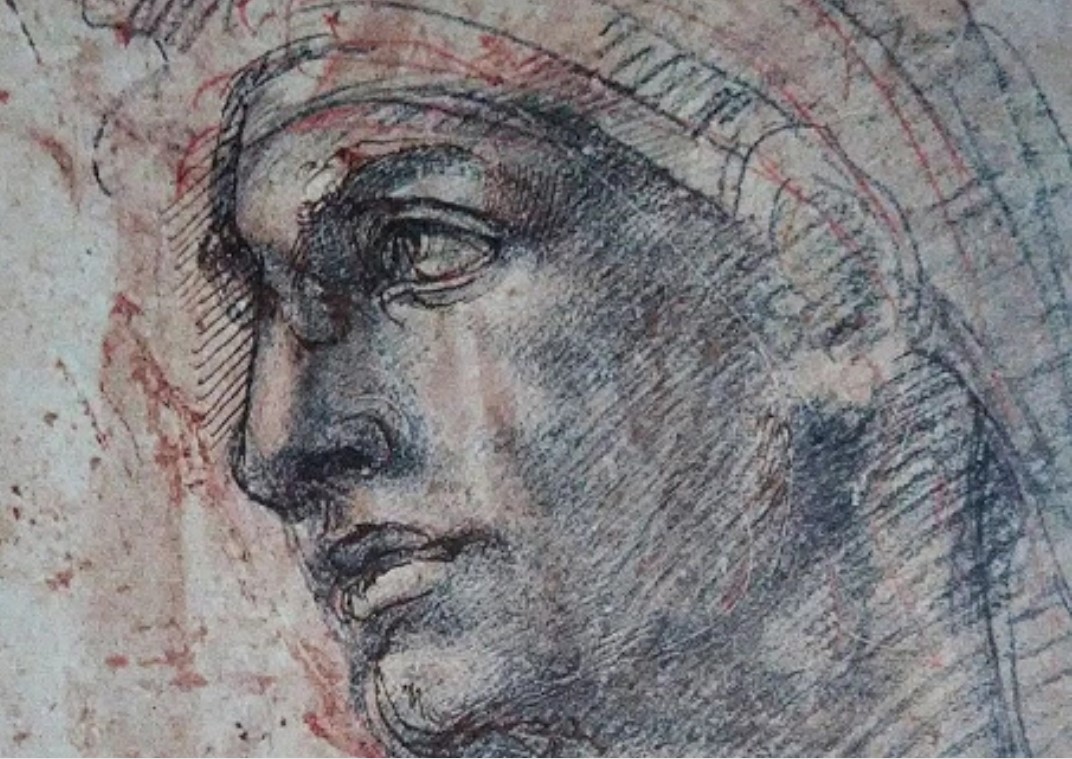
Sebastiano mi chiedeva favori, e io finivo per aiutarlo
Il mio amico aveva una certa inclinazione a coinvolgermi nelle sue faccende, soprattutto quando c’erano di mezzo denaro, committenti e pagamenti che tardavano ad arrivare.
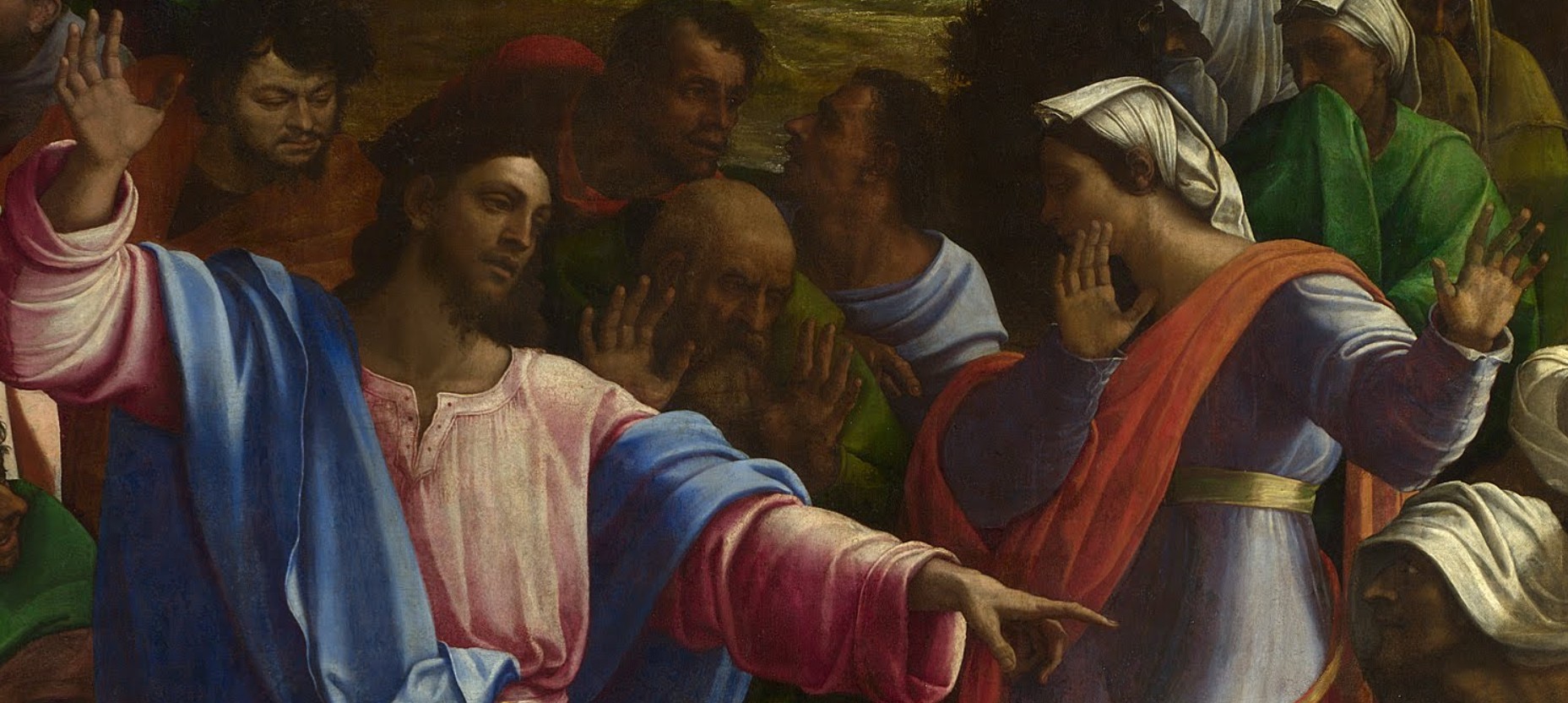
Era già successo con la Resurrezione di Lazzaro, il dipinto realizzato per Giulio de’ Medici. Sebastiano sosteneva di non aver ancora ricevuto quanto gli spettava e mi aveva chiesto di intervenire presso il committente per sollecitare il pagamento.
A quanto pare, la mia amicizia con Giulio e la considerazione di cui godevo potevano tornargli utili.
Il 27 ottobre 1520 mi scrisse ancora. La lettera era lunga e conteneva l’ennesima richiesta di aiuto, ma a un certo punto Sebastiano lasciò scrisse una frase che vale la pena ricordare.
«Io so in che conto vi tien el Papa, et quando parla de vui par rasoni de un suo fratello, quassi con le lacrime algli occhii; perchè m’ha decto a me vui sette nutriti insiemi, et dimostra conoscervi et amarvi, ma facte paura a ognuno, insino a’ papi»
ISebastiano raccontava che il papa mi teneva in grandissima considerazione e che, quando parlava di me, sembrava parlare di un fratello, quasi con le lacrime agli occhi. Gli aveva confidato che eravamo cresciuti insieme e mostrava di conoscermi e volermi bene.
“Facte paura a ognuno, insino a’ papi”
Non ero fatto per la vita di corte. Le cortesie interessate, le parole misurate per non dispiacere a qualcuno e i sorrisi di circostanza mi hanno sempre lasciato piuttosto freddo. Preferivo dire ciò che pensavo, anche se non sempre giocava a mio favore.
Questo modo di fare mi procurò non pochi problemi. Ma non ho mai avuto una particolare inclinazione a rendermi la vita più facile fingendo di essere una persona diversa da quella che ero.
La mia vita si è svolta per buona parte all’ombra di papi, cardinali e uomini abituati a vedere esauditi i propri desideri. Ho ricevuto commissioni che molti artisti avrebbero sognato e ho lavorato per committenti che potevano decidere il destino di un’intera carriera. Non ho mai confuso però il rispetto con l’obbedienza cieca.
Per il momento il sempre vostro Michelangelo Buonarroti vi saluta dandovi appuntamento ai prossimi post e sui social.
I Intimidated Even the Popes
Everyone knew I was not an affable man. I had little patience, I disliked compromise, and diplomacy was not my strong suit.
I was never a particularly easygoing man. Those who knew me understood that I did not beat around the bush, nor did I sugarcoat my words to curry favor with anyone. If I didn’t like something, I said so. If I believed a job was poorly done, I saw no reason to pretend otherwise. If someone tried to teach me my own craft, they soon regretted it.
I earned a reputation as a surly, stubborn man with no aptitude for diplomacy. I cannot say that reputation was always undeserved.
Besides, I had far more important things to think about than good manners. Marble cannot be swayed by flattery, nor does painting yield to the whims of those who think they know everything. Getting results from either requires patience, hard work, and a good dose of stubbornness. I possessed these in abundance—perhaps more than was prudent.
My temperament was enough to intimidate even the most powerful men of my time, including the popes. This is no mere legend. It is recounted in a letter from 1520 written by Sebastiano del Piombo—a painter with whom I was still on good terms at the time.
Raphael’s Death and Sebastiano’s Ambitions
On April 6, 1520, Raphael Sanzio died. He was only thirty-seven years old, and his passing left a massive void in the artistic life of Rome. With him, one of the era’s most admired painters was gone, yet unfinished works and ongoing commissions remained to be completed. Who would take his place?
Sebastiano del Piombo began looking around with keen interest. Among the commissions he hoped to secure was the decoration of the Hall of Constantine in the Vatican—a prestigious assignment that could further cement his standing.
To succeed, however, he needed a powerful recommendation. He decided to turn to me.
At the time, I was in Florence, working on the design for the façade of the Basilica of San Lorenzo. Giulio de’ Medici was in the city as well. I had known him for years—ever since we were youths frequenting the court of his uncle, Lorenzo the Magnificent. We had even dined at the same table back in those distant days, when neither of us could have imagined the paths our lives would take.
Giulio would go on to become Pope Clement VII. I, meanwhile, remained the same as ever: unwilling to take orders and even less inclined to feign agreement when I disagreed.
Sebastiano was well aware of the bond between us and hoped my word might help him land the Vatican commission. So, he asked for my help. It was certainly not the first time he had sought my support.
Sebastiano would ask for favors, and I would end up helping him
My friend had a habit of drawing me into his affairs, especially when money, patrons, and overdue payments were involved.
It had happened before with The Raising of Lazarus, the painting he had executed for Giulio de’ Medici. Sebastiano claimed he had not yet received his due and asked me to intercede with the patron to hasten payment.
It seemed my friendship with Giulio—and the high regard in which I was held—could prove useful to him. On October 27, 1520, he wrote to me again. The letter was long and contained yet another plea for help, but at one point Sebastiano penned a sentence worth remembering.
“I know the high regard in which the Pope holds you; when he speaks of you—as if of a brother—it is almost with tears in his eyes. He told me that the two of us were raised together, and he shows that he knows and loves you; yet you strike fear into everyone—even popes.”
Sebastiano recounted that the Pope held me in the highest esteem and that, when speaking of me, he seemed to be speaking of a brother—almost with tears in his eyes. He had confided that we had grown up together and showed that he knew and cared for me.
“You strike fear into everyone—even popes.”
I was not cut out for court life. Self-serving courtesies, words carefully measured to avoid giving offense, and perfunctory smiles always left me rather cold. I preferred to speak my mind, even if it did not always work to my advantage.
This attitude caused me no small amount of trouble. Yet I never had any particular inclination to make life easier for myself by pretending to be someone other than who I was.
Much of my life unfolded in the shadow of popes, cardinals, and men accustomed to having their every wish granted. I received commissions that many artists would have dreamed of, and I worked for patrons who could determine the fate of an entire career. Yet I never confused respect with blind obedience.
For now, your ever-faithful Michelangelo Buonarroti bids you farewell and looks forward to seeing you in future posts and on social media.

Sostienici – Support Us
Se questo blog ti piace e ti appassiona, puoi aiutarci a farlo crescere sempre più sostenendoci in modo concreto condividendo i post, seguendo le pagine social e con un contributo che ci aiuta ad andare avanti con il nostro lavoro di divulgazione. . ENGLISH: If you like and are passionate about this blog, you can help us make it grow more and more by supporting us in a concrete way by sharing posts, following social pages and with a contribution that helps us to move forward with our dissemination work.
10,00 €
Condividi:


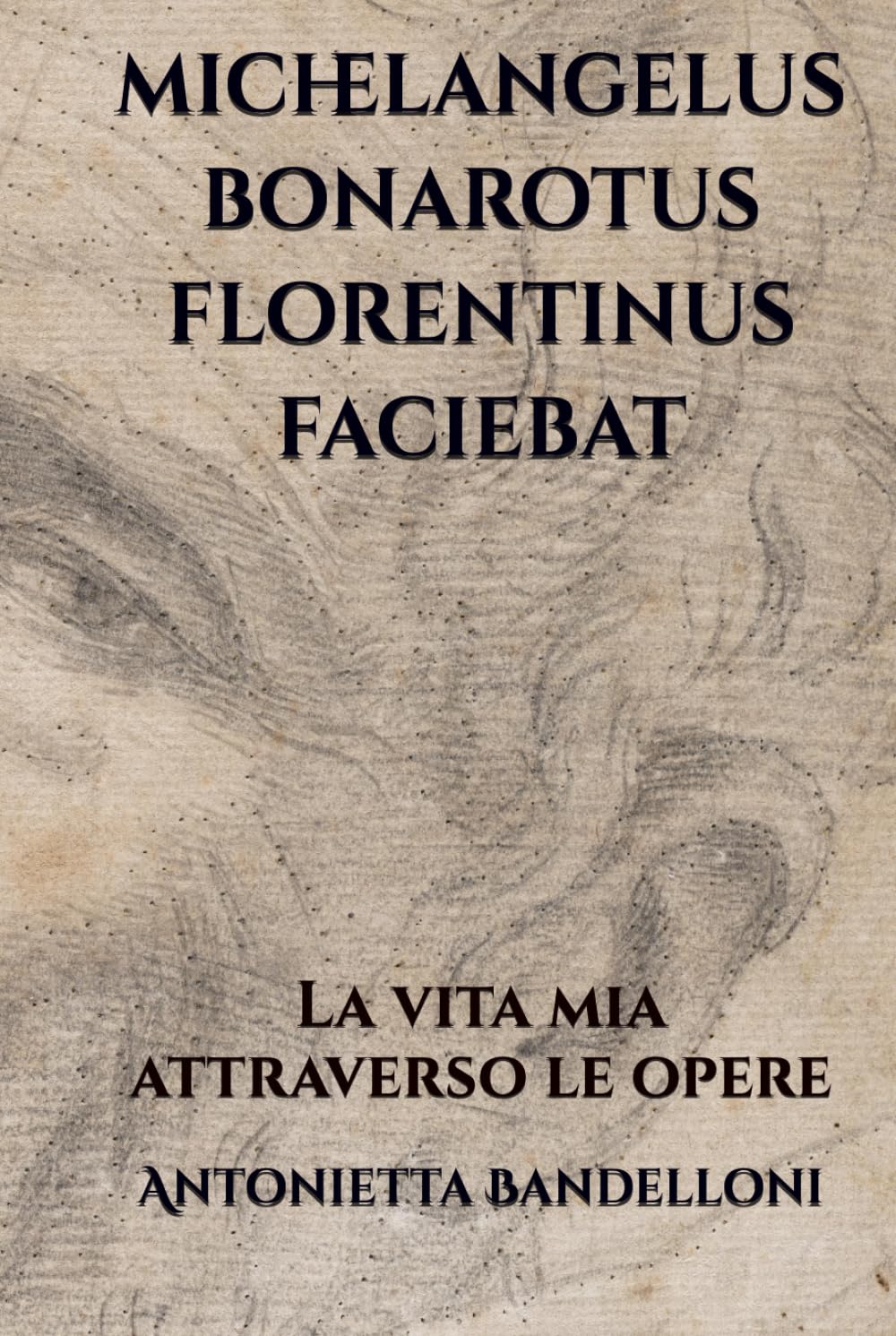
Questo sono io




sostienici

Sostienici - Support Us
Se questo blog ti piace e ti appassiona, puoi aiutarci a farlo crescere sempre più sostenendoci in modo concreto condividendo i post, seguendo le pagine social e con un contributo che ci aiuta ad andare avanti con il nostro lavoro di divulgazione. . ENGLISH: If you like and are passionate about this blog, you can help us make it grow more and more by supporting us in a concrete way by sharing posts, following social pages and with a contribution that helps us to move forward with our dissemination work.
€10,00


