
VANITAS a Ferrara: i fiori non sono mai stati così belli e inquietanti
VANITAS. Fiori e simboli, da Hayez a Casorati porta a Ferrara oltre quaranta opere per raccontare una delle immagini più affascinanti e misteriose della storia dell’arte: il fiore come simbolo della bellezza, della vita e della sua inevitabile caducità.
Dal 8 ottobre 2026 al 31 gennaio 2027, gli spazi di Palazzo Barbantini-Koch, sede de La Galleria BPER, ospitano una mostra che attraversa l’arte italiana tra Ottocento e primo Novecento, mettendo in dialogo pittura, scultura, poesia e letteratura.
E basta guardare una rosa appassita, un gambo spezzato o un mazzo di fiori appena recisi per capire che dietro quella bellezza apparentemente innocente si nasconde una domanda molto più profonda: quanto dura ciò che amiamo?
VANITAS a Ferrara: quando un fiore racconta la fragilità della vita
Il fiore è uno dei soggetti più antichi della storia dell’arte. È bellissimo, colorato, profumato ma è anche fragile.
Un fiore sboccia, raggiunge il massimo della propria bellezza e poi appassisce. In questa semplice parabola naturale si concentra uno dei significati più potenti della tradizione della vanitas: ricordare all’uomo che la vita è transitoria e che la bellezza, il successo, la giovinezza e persino la ricchezza sono destinati a finire.
La mostra VANITAS. Fiori e simboli, da Hayez a Casorati, curata da Fernando Mazzocca ed Elena Lissoni e realizzata da La Galleria BPER in collaborazione con 24 ORE Cultura, parte proprio da questa idea.
Il fiore è decorazione sì ma è anche memoria. È desiderio. È malinconia. È vita. E, inevitabilmente, è anche morte.
Attraverso oltre 40 opere tra dipinti e sculture, il percorso racconta come gli artisti italiani abbiano trasformato il mondo floreale in uno straordinario laboratorio di emozioni e simboli.
Da Francesco Hayez a Felice Casorati: un viaggio attraverso i fiori nell’arte
Il percorso espositivo attraversa alcuni dei principali cambiamenti della cultura figurativa italiana tra la seconda metà dell’Ottocento e i primi decenni del Novecento.
Si parte dal Romanticismo, si attraversano Naturalismo, Divisionismo e Simbolismo, fino ad arrivare alla sensibilità moderna di Felice Casorati.
Al centro rimane sempre il fiore, ma il suo significato cambia.
Quello che inizialmente poteva apparire come un esercizio di virtuosismo pittorico diventa progressivamente qualcosa di molto più complesso: uno strumento per raccontare la psicologia, la società, la sensualità, la malinconia e le inquietudini dell’uomo moderno.
E così una rosa non è più soltanto una rosa: può diventare il simbolo della giovinezza, un giglio può evocare la purezza, un fiore reciso può parlare della morte e un vaso colmo di fiori può diventare una riflessione sul trascorrere del tempo.
Il grande Vaso dei fiori di Hayez: un’opera ritrovata arriva per la prima volta in mostra
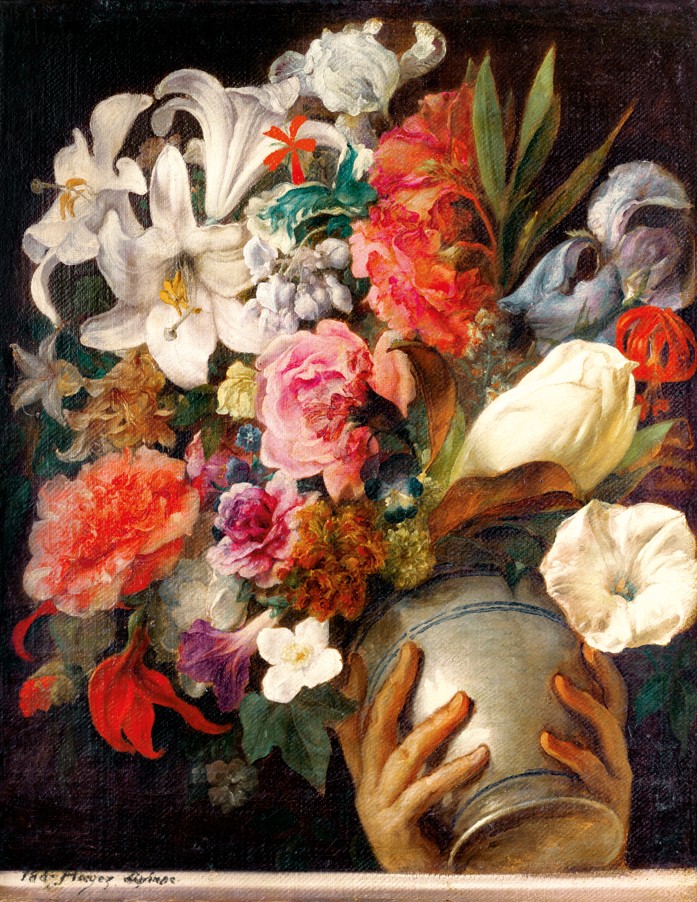
Uno dei protagonisti assoluti dell’esposizione è Francesco Hayez, grande maestro del Romanticismo italiano. La mostra presenta per la prima volta al pubblico il grande Vaso dei fiori, un importante dipinto ritrovato che arricchisce il catalogo dell’artista.
Accanto a quest’opera sono esposte altre composizioni floreali di Hayez, con tulipani, rose, garofani e camelie.
Sono dipinti nei quali l’artista dimostra una straordinaria attenzione alla natura e alla materia pittorica, confrontandosi con la grande tradizione delle nature morte fiamminghe e olandesi ma raggiungendo risultati di sorprendente modernità. La critica dell’epoca arrivò a definire i suoi fiori “freschi, vivaci, quasi olezzanti”.
I fiori e la società dell’Ottocento
La fortuna della pittura floreale non nasce per caso. Nell’Ottocento l’interesse per la botanica cresce enormemente in tutta Europa. Le spedizioni scientifiche, la scoperta di nuove specie, la nascita dei giardini botanici e la diffusione di nuove varietà trasformano il rapporto con il mondo vegetale.
Un ruolo importante lo ebbe anche Joséphine de Beauharnais, che nel giardino della residenza di Malmaison fece coltivare centinaia di specie rare e ben 250 varietà di rose. Il fiore entra così sempre più nella vita quotidiana della società borghese.
È presente nelle case, nei giardini, nei ritratti, nelle celebrazioni e nei momenti più importanti dell’esistenza. Nasce, cresce e si diffonde un vero e proprio linguaggio floreale.
I fiori accompagnano la nascita, l’amore, gli incontri, la giovinezza e la morte e gli artisti ne registrano ogni sfumatura.
Hayez, Molteni e gli Induno: quando il fiore entra nei ritratti
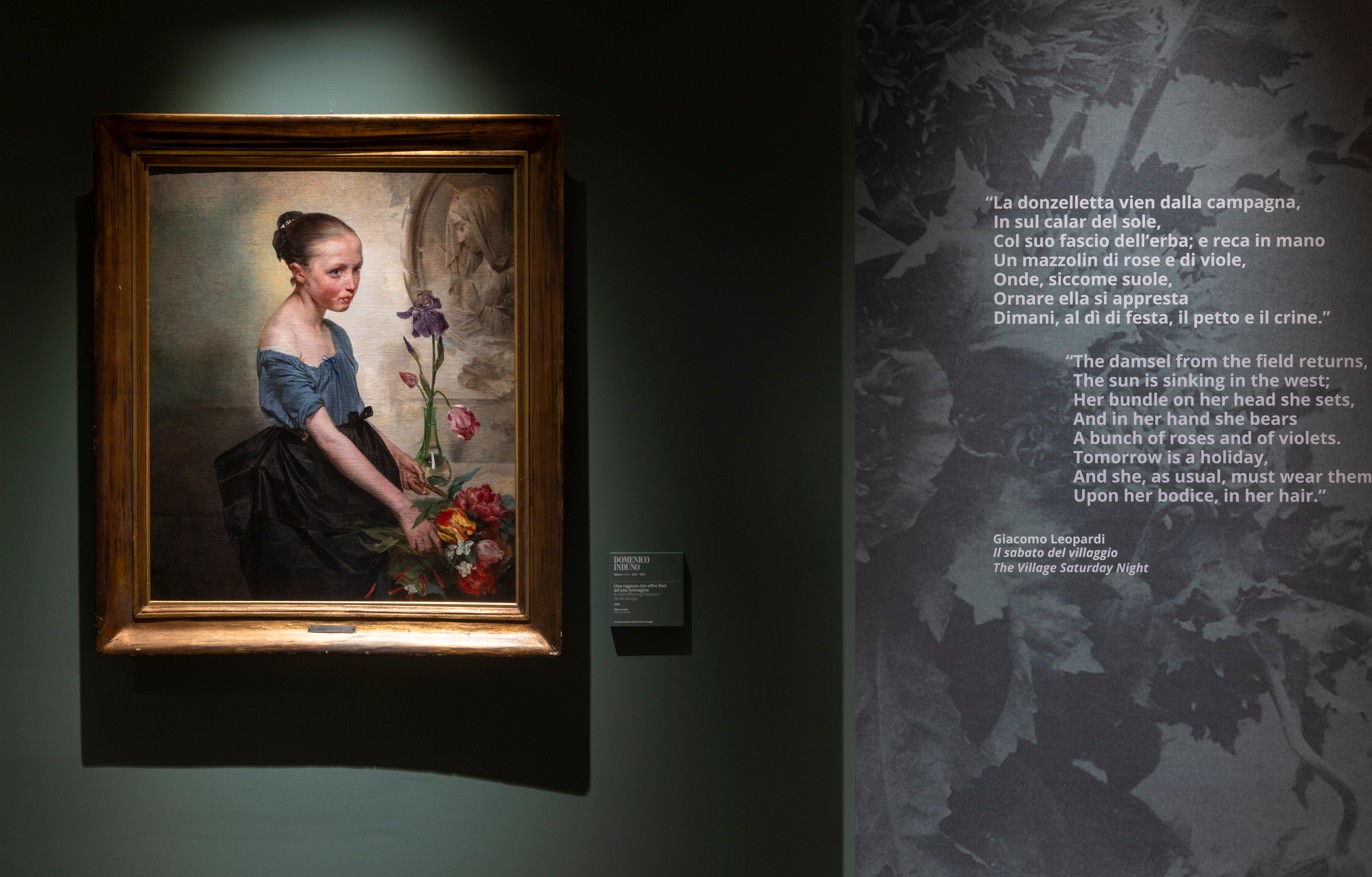
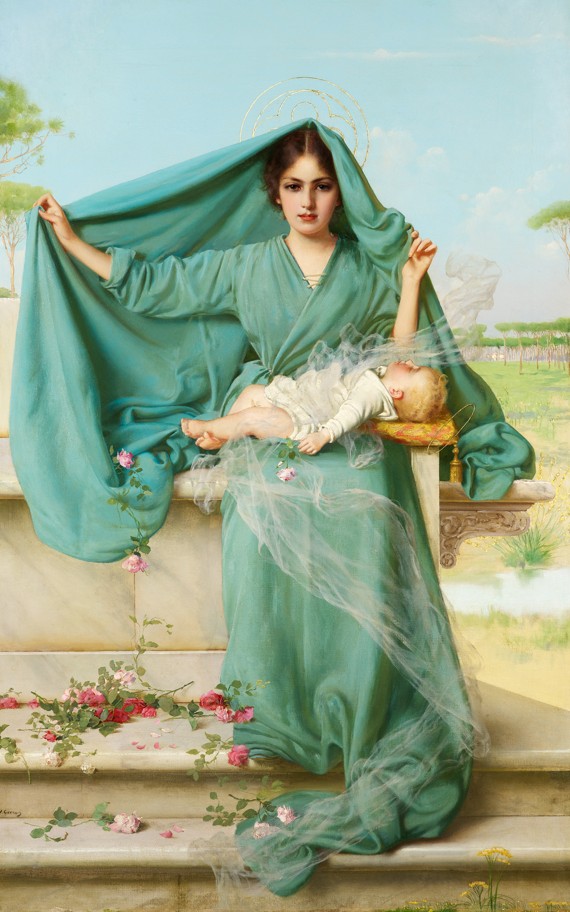
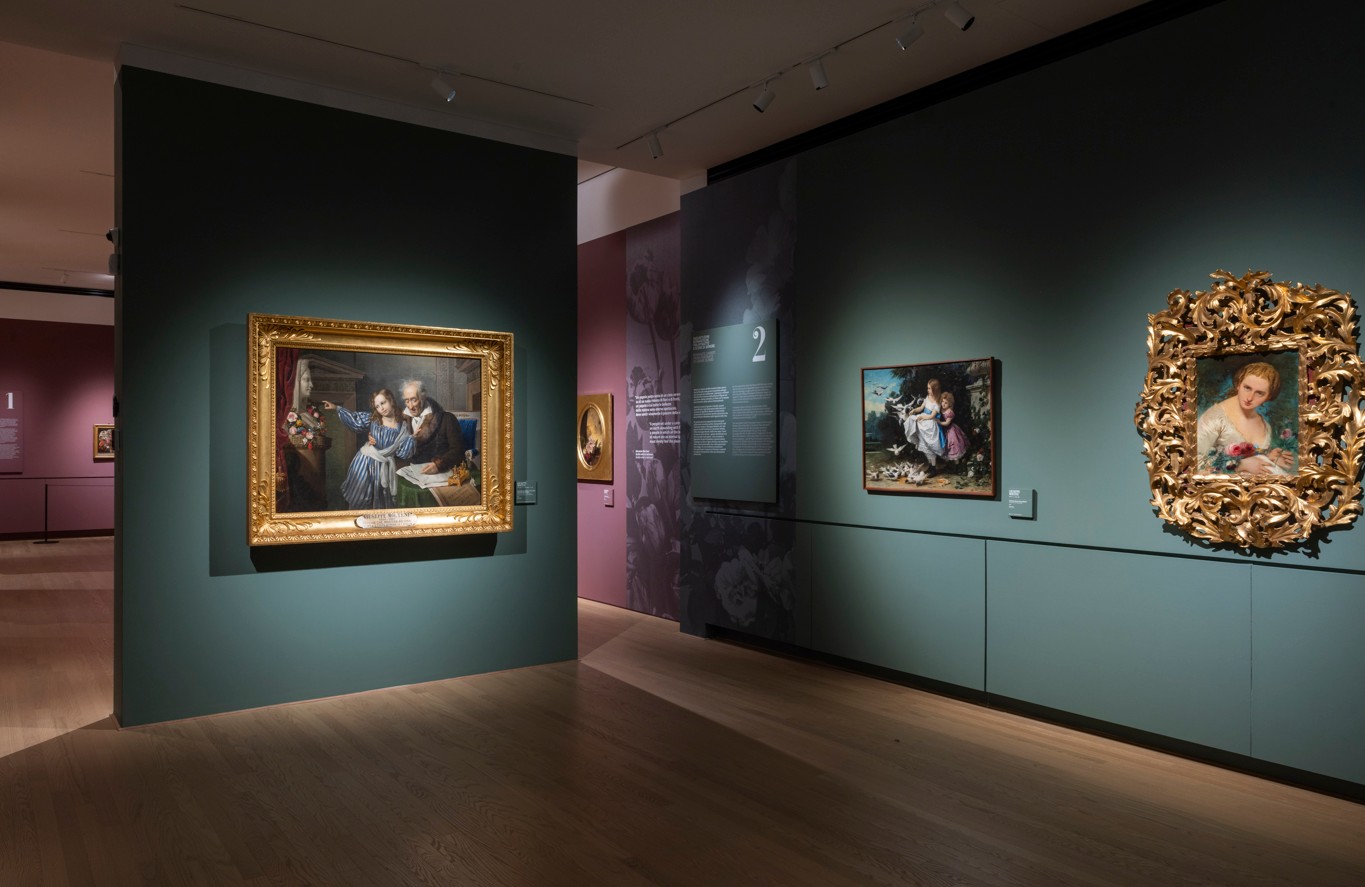
Una delle sezioni più interessanti della mostra racconta il momento in cui il fiore smette di essere soltanto il protagonista della natura morta e comincia a entrare nella pittura di figura.
Fiori e persone iniziano a dialogare. Nei dipinti di Francesco Hayez, Giuseppe Molteni, Domenico e Gerolamo Induno e Giuseppe Bertini, composizioni floreali vengono accostate a giovani donne, bambine e popolane.
Il fiore diventa allora una sorta di specchio della persona rappresentata. La sua bellezza richiama quella della giovinezza.
Proprio questa bellezza contiene già il suo contrario: la consapevolezza che anche la giovinezza, come un fiore, è destinata a sfiorire. È un tema profondamente romantico, che trova un parallelo nella poesia di Giacomo Leopardi.
Amanzia Guérillot: la pittrice che la mostra riporta alla luce
Tra le sorprese di VANITAS c’è anche una figura femminile rimasta a lungo in secondo piano: Amanzia Guérillot, pittrice lombarda di origine francese.
La mostra le dedica uno spazio particolare, presentando il ritratto eseguito dal marito, Angelo Inganni, nel quale Amanzia appare accanto a un vaso di fiori illuminato dalla luce di una candela.
A questo si aggiungono alcune rarissime nature morte floreali dell’artista, caratterizzate da colori brillanti e da una notevole qualità virtuosistica.
La sua presenza permette inoltre di affrontare un tema importante: quello delle donne artiste nell’Ottocento.
L’acquerello botanico e la pittura floreale rappresentarono infatti per molte donne un terreno di espressione relativamente accessibile, diventando anche uno strumento di emancipazione artistica.
Dai fiori del Romanticismo al Naturalismo
Con il passaggio alla seconda metà dell’Ottocento cambia anche il modo di guardare la natura.
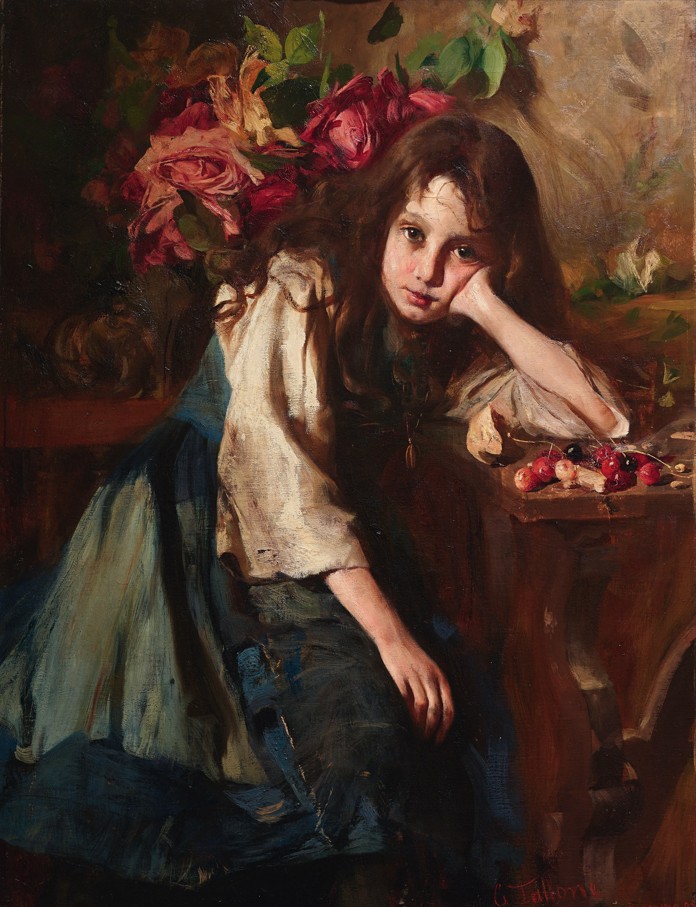
La pittura floreale diventa un terreno di sperimentazione per artisti interessati a superare il virtuosismo illusionistico e a confrontarsi con la realtà.
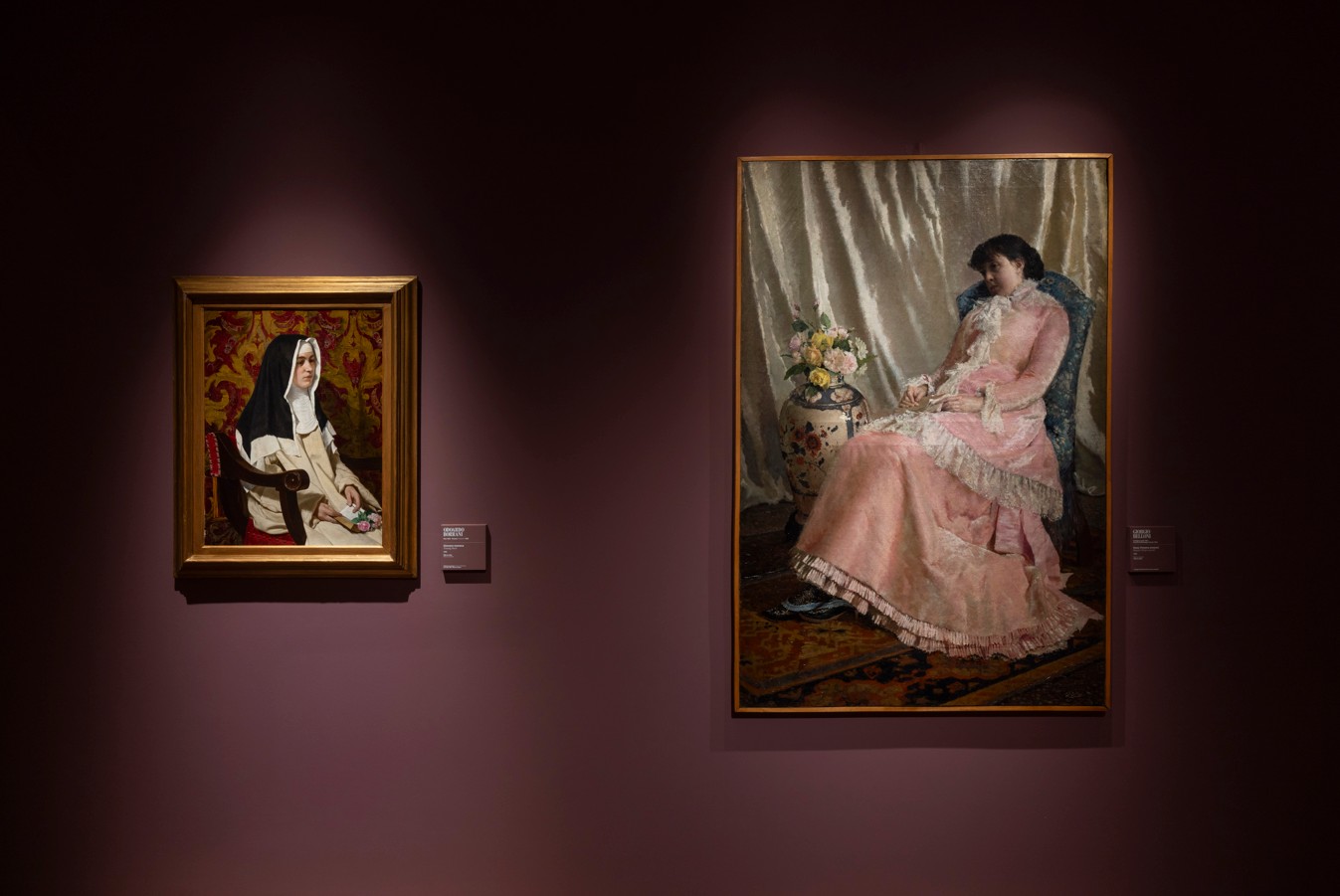
Tra i protagonisti di questa trasformazione troviamo Odoardo Borrani, Filippo Carcano e Cesare Tallone. La natura morta non è più soltanto un’esibizione di abilità ma uno strumento per raccontare emozioni e stati d’animo.
Nei ritratti femminili i fiori possono evocare dolore, solitudine, tenerezza, sensualità o gioia di vivere.
Emblematico è il caso di Ettore Tito, capace di portare il tema floreale nella quotidianità e di trasformarlo in un inno alla vitalità.
Quando il fiore diventa simbolo: Baudelaire, Previati e Casorati
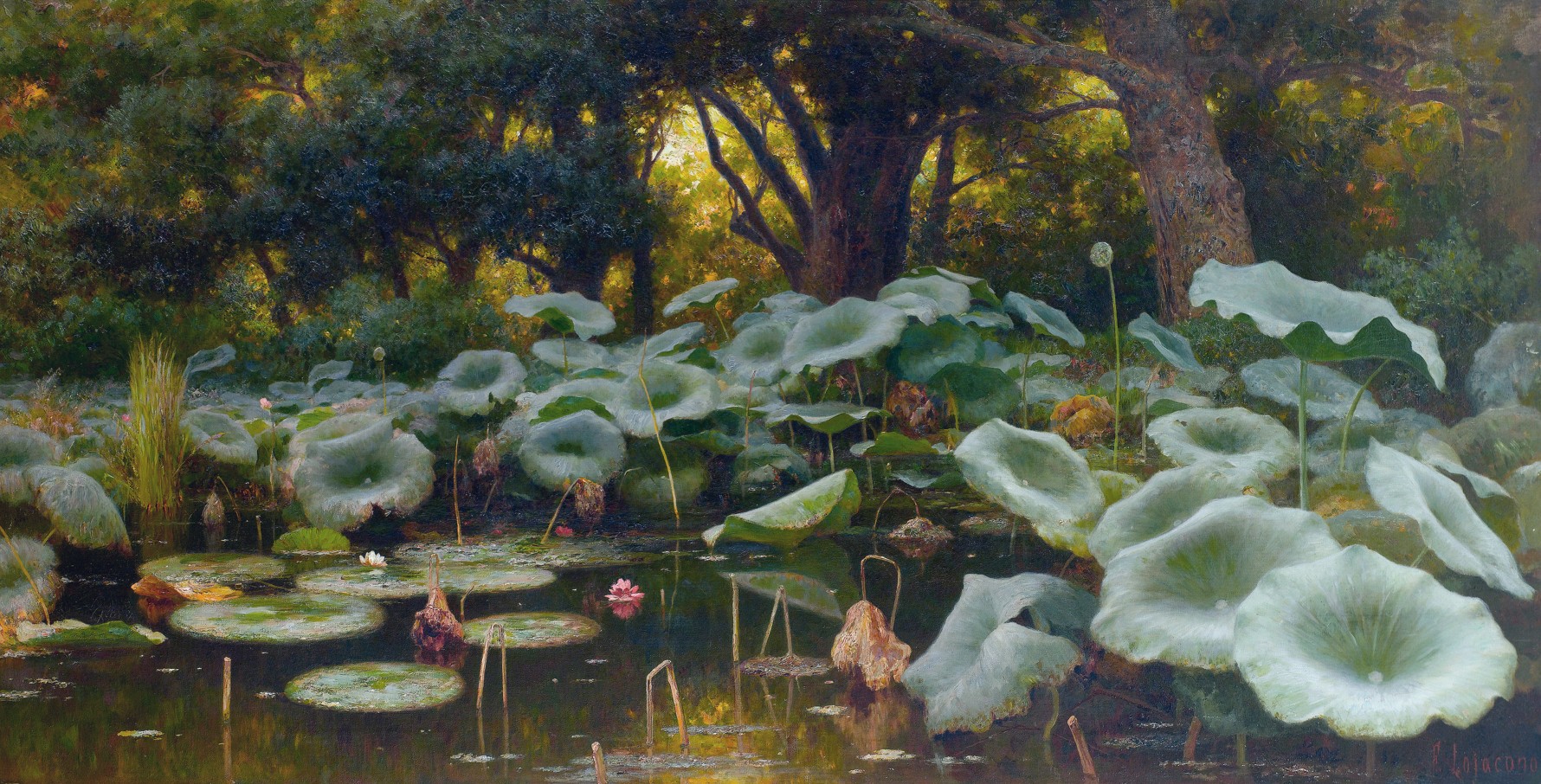
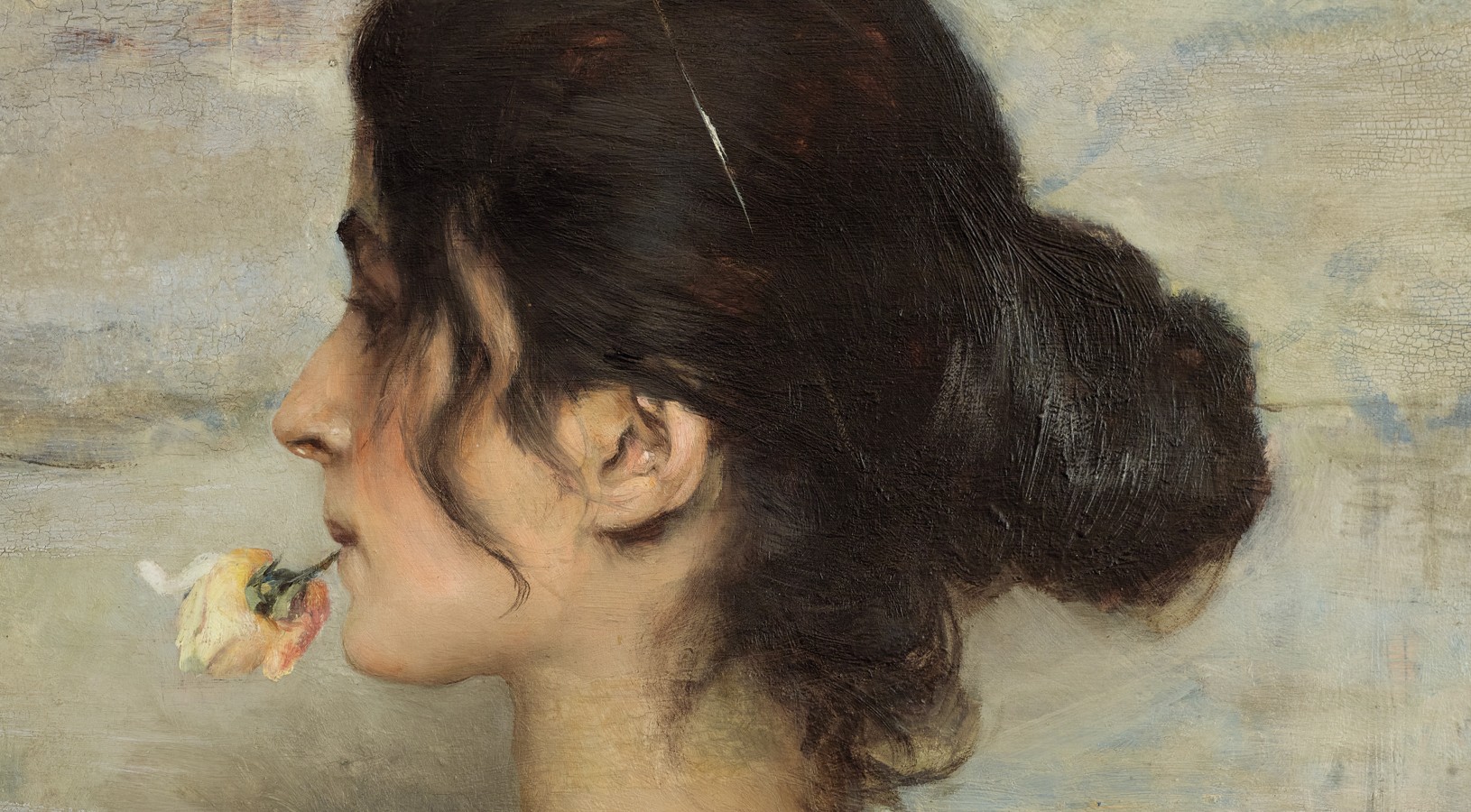
È con il Simbolismo che il fiore raggiunge forse la sua dimensione più inquieta. Non interessa più soltanto ciò che l’occhio vede ma ciò che il fiore può significare.
Le suggestioni di Charles Baudelaire e de Les Fleurs du Mal attraversano questa nuova sensibilità: il fiore diventa metafora delle contraddizioni dell’esistenza, della bellezza e della corruzione, del desiderio e della morte.
Entrano in scena artisti come Gaetano Previati, Emilio Longoni, Francesco Lojacono e Felice Casorati.
I fiori diventano segnali, presenze, allusioni e in questo passaggio la pittura floreale si avvicina alla letteratura decadente e simbolista.
Da Leopardi a D’Annunzio: la poesia entra nella mostra
Una delle caratteristiche più originali di VANITAS è il dialogo tra le arti. Accanto ai dipinti e alle sculture, la mostra intreccia infatti la storia dei fiori nell’arte con quella della poesia italiana ed europea.
Da Alessandro Manzoni a Giacomo Leopardi, da Baudelaire a Gabriele D’Annunzio, fino a Giovanni Pascoli, Guido Gozzano e Aldo Palazzeschi, la parola poetica accompagna il percorso visivo.
La Ginestra di Leopardi diventa uno dei simboli più potenti di questa riflessione: il piccolo fiore che cresce sul Vesuvio e resiste in un ambiente ostile diventa metafora della capacità dell’uomo di affrontare la propria fragilità. Con D’Annunzio, invece, il fiore entra nella dimensione panica della natura.
Le tele sembrano così continuare nei versi e i versi sembrano tornare a vivere nelle tele. Vedere e sentire diventano quasi la stessa cosa.
La scultura dei fiori: dal marmo di Vincenzo Vela a Gigi Guadagnucci
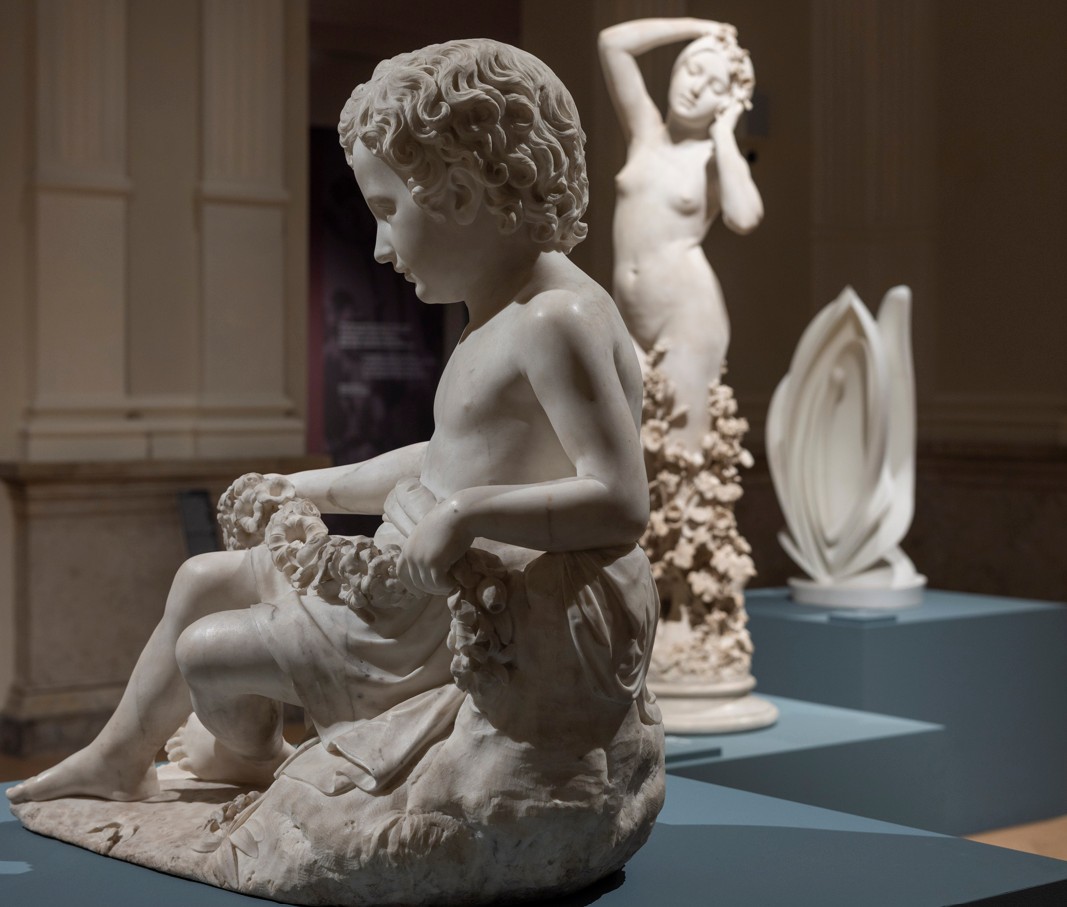
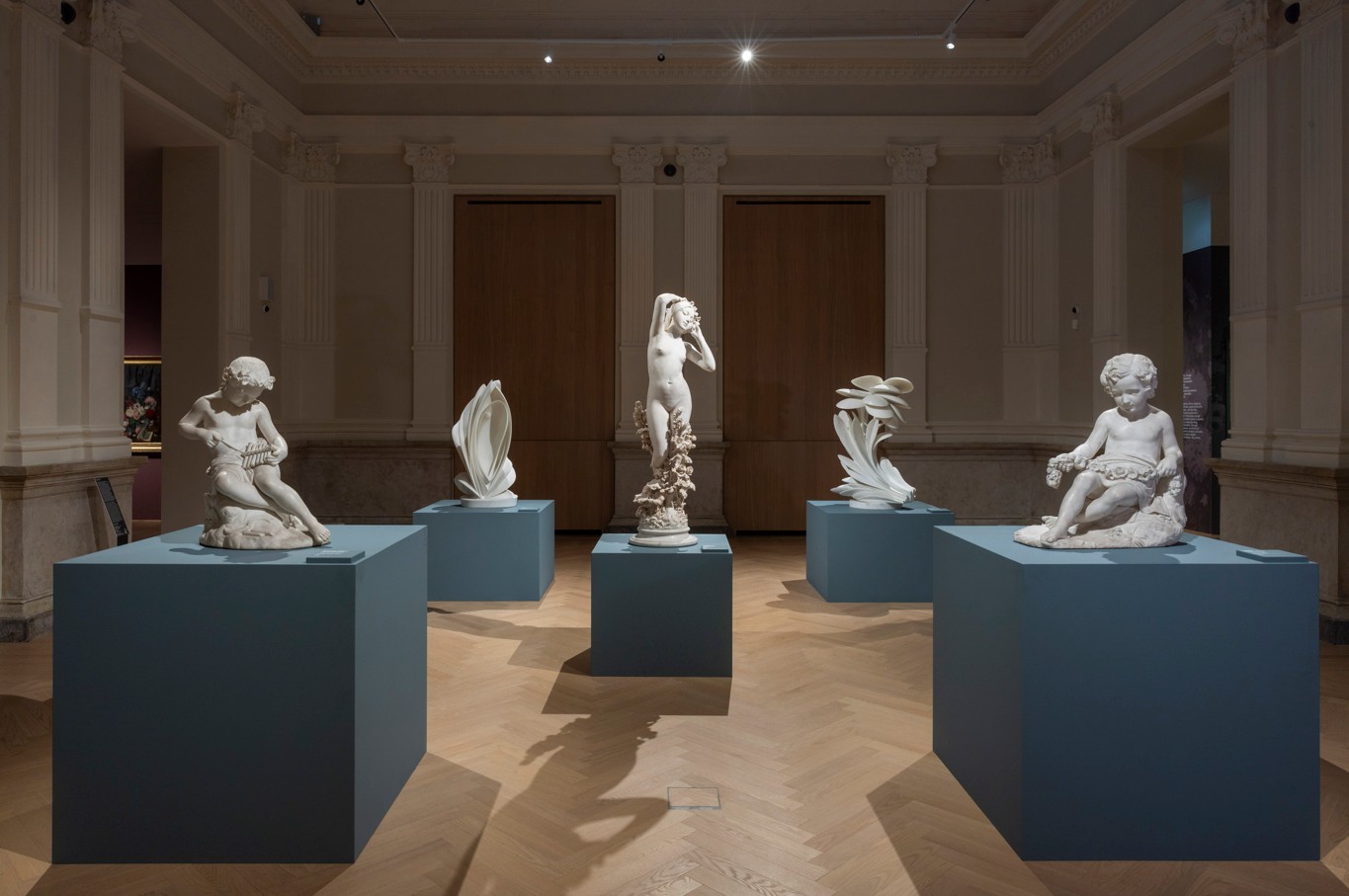
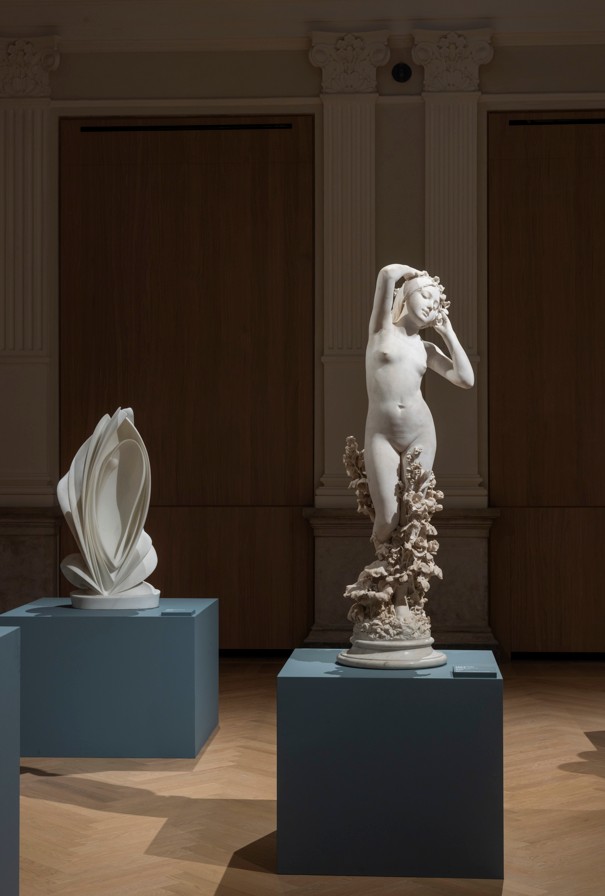
Una sezione conclusiva è dedicata infatti alla scultura floreale, un capitolo spesso meno conosciuto ma sorprendentemente affascinante.
Nell’Ottocento artisti come Vincenzo Vela e Luigi Marchesi si confrontano con la difficoltà di trasformare nel marmo qualcosa di estremamente fragile e leggero.
Petali, foglie e corolle devono sembrare vivi mentre la pietra deve apparire quasi morbida.
Una sfida tecnica straordinaria.
Il percorso arriva poi al Novecento e a Gigi Guadagnucci, artista che porta il tema floreale verso una dimensione completamente nuova. Il marmo viene lavorato fino a diventare sottile, luminoso, quasi diafano.
Il fiore perde progressivamente la necessità di essere riconoscibile e si trasforma in una forma pura, capace di sfiorare l’astrazione.
Palazzo Barbantini-Koch: nasce un nuovo polo culturale a Ferrara
La mostra VANITAS segna anche un momento importante per la vita culturale di Ferrara. Con l’apertura al pubblico di Palazzo Barbantini-Koch, storica sede della Cassa di Risparmio di Ferrara e successivamente di BPER, prende forma uno dei tasselli principali del progetto Poli Culturali BPER. Un Sistema di Patrimonio Diffuso.
Il palazzo, dopo un importante intervento di recupero e rifunzionalizzazione, torna alla città con un nuovo percorso permanente dedicato alla pittura ferrarese ed emiliana dal Quattrocento al Novecento.
Le opere provengono dalla Corporate Collection BPER e raccontano la storia artistica e culturale del territorio.
Accanto alla collezione permanente nasce ora anche un programma di mostre temporanee. E la prima è proprio VANITAS. Fiori e simboli, da Hayez a Casorati.
Il catalogo della mostra, VANITAS. Fiori e simboli, da Hayez a Casorati, edito da 24 ORE Cultura e curato da Fernando Mazzocca ed Elena Lissoni, è disponibile presso il bookshop della mostra.
Per il momento il sempre vostro Michelangelo Buonarroti vi saluta dandovi appuntamento ai prossimi post e sui social.

VANITAS in Ferrara: flowers have never been so beautiful—and unsettling
VANITAS: Flowers and Symbols, from Hayez to Casorati brings over forty works to Ferrara, exploring one of art history’s most fascinating and mysterious images: the flower as a symbol of beauty, life, and their inevitable transience.
From October 8, 2026, to January 31, 2027, the halls of Palazzo Barbantini-Koch—home to La Galleria BPER—will host an exhibition spanning Italian art from the 19th to the early 20th century, creating a dialogue between painting, sculpture, poetry, and literature.
One need only look at a withered rose, a broken stem, or a freshly cut bouquet to realize that a much deeper question lies hidden behind that seemingly innocent beauty: how long does what we love truly last?
VANITAS in Ferrara: when a flower speaks of life’s fragility
The flower is one of the oldest subjects in art history. It is beautiful, colorful, and fragrant—yet also fragile.
A flower blooms, reaches the peak of its beauty, and then withers. This simple natural cycle encapsulates one of the most powerful meanings of the vanitas tradition: reminding us that life is fleeting and that beauty, success, youth, and even wealth are destined to end.
The exhibition VANITAS: Flowers and Symbols, from Hayez to Casorati—curated by Fernando Mazzocca and Elena Lissoni and organized by La Galleria BPER in collaboration with 24 ORE Cultura—takes this very idea as its starting point.
The flower is decoration, yes, but it is also memory. It is desire. It is melancholy. It is life. And, inevitably, it is also death. Through more than 40 works—including paintings and sculptures—the exhibition traces how Italian artists transformed the floral world into an extraordinary laboratory of emotions and symbols.
From Francesco Hayez to Felice Casorati: a journey through flowers in art
The exhibition explores key shifts in Italian figurative culture spanning the second half of the 19th century and the early decades of the 20th century.
The journey begins with Romanticism, moves through Naturalism, Divisionism, and Symbolism, and culminates in the modern sensibility of Felice Casorati.
While the flower remains the central focus, its meaning evolves.
What might initially appear to be an exercise in painterly virtuosity gradually becomes something far more complex: a vehicle for expressing the psychology, society, sensuality, melancholy, and anxieties of modern humanity.
Thus, a rose is no longer merely a rose—it can symbolize youth; a lily may evoke purity; a cut flower can speak of death; and a vase overflowing with blooms can become a meditation on the passage of time.
Hayez’s magnificent Vase of Flowers: a rediscovered masterpiece goes on public display for the first time
A central figure of the exhibition is Francesco Hayez, a towering master of Italian Romanticism. The show presents—for the first time—the large-scale Vase of Flowers, a significant rediscovered painting that enriches the artist’s body of work.
Displayed alongside this piece are other floral compositions by Hayez featuring tulips, roses, carnations, and camellias.
In these paintings, the artist demonstrates extraordinary attention to nature and the materiality of paint; while engaging with the great tradition of Flemish and Dutch still-life painting, he achieves results of surprising modernity. Critics of the time went so far as to describe his flowers as “fresh, lively, almost fragrant.”
Flowers and 19th-Century Society
The popularity of floral painting did not arise by chance. During the nineteenth century, interest in botany grew enormously across Europe. Scientific expeditions, the discovery of new species, the creation of botanical gardens, and the spread of new varieties transformed the relationship with the plant world.
Joséphine de Beauharnais also played a significant role; in the gardens of her Malmaison estate, she cultivated hundreds of rare species and no fewer than 250 varieties of roses. Thus, flowers became an increasingly integral part of the daily life of the bourgeoisie.
They appeared in homes, gardens, and portraits, as well as at celebrations and key moments of life. A true language of flowers emerged, grew, and spread.
Flowers accompanied birth, love, romantic encounters, youth, and death, and artists captured every nuance of this connection.
Hayez, Molteni, and the Indunos: When Flowers Enter Portraits
One of the exhibition’s most interesting sections explores the moment when flowers ceased to be merely the subjects of still-life paintings and began to appear in figurative art.
A dialogue began between flowers and people. In paintings by Francesco Hayez, Giuseppe Molteni, Domenico and Gerolamo Induno, and Giuseppe Bertini, floral arrangements are juxtaposed with young women, children, and working-class women.
The flower thus becomes a reflects the person portrayed. Its beauty evokes that of youth.
Yet this very beauty already holds its opposite: the awareness that youth, like a flower, is destined to fade. It is a deeply Romantic theme, finding a parallel in the poetry of Giacomo Leopardi.
Amanzia Guérillot: the painter brought to light by the exhibition
Among the surprises of VANITAS is a female figure who long remained in the background: Amanzia Guérillot, a Lombard painter of French origin.
The exhibition devotes a special space to her, presenting a portrait painted by her husband, Angelo Inganni, in which Amanzia appears beside a vase of flowers illuminated by candlelight.
Also included are some extremely rare floral still lifes by the artist, characterized by brilliant colors and remarkable virtuosity.
Her presence also allows for the exploration of an important theme: that of women artists in the nineteenth century.
Botanical watercolor and floral painting offered many women a relatively accessible avenue for expression, becoming a means of artistic emancipation.
From Romantic flowers to Naturalism
With the transition to the second half of the nineteenth century, the way nature was viewed also changed.
Floral painting became a testing ground for artists interested in moving beyond illusionistic virtuosity and engaging directly with reality.
Key figures in this transformation include Odoardo Borrani, Filippo Carcano, and Cesare Tallone. Still-life painting was no longer merely a display of skill but a tool for conveying emotions and moods.
In portraits of women, flowers can evoke sorrow, loneliness, tenderness, sensuality, or the joy of living. The case of Ettore Tito is emblematic; he was able to bring the floral theme into everyday life and transform it into a hymn to vitality.
When the flower becomes a symbol: Baudelaire, Previati, and Casorati
It is with Symbolism that the flower perhaps reaches its most unsettling dimension. The focus shifts from what the eye sees to what the flower can signify.
The evocative power of Charles Baudelaire and Les Fleurs du Mal permeates this new sensibility: the flower becomes a metaphor for the contradictions of existence—beauty and corruption, desire and death.
Artists such as Gaetano Previati, Emilio Longoni, Francesco Lojacono, and Felice Casorati enter the scene.
Flowers become signals, presences, and allusions; in this transition, floral painting draws closer to Decadent and Symbolist literature.
From Leopardi to D’Annunzio: poetry enters the exhibition
One of the most original features of VANITAS is the dialogue between the arts. Alongside paintings and sculptures, the exhibition intertwines the history of flowers in art with that of Italian and European poetry.
From Alessandro Manzoni to Giacomo Leopardi, from Baudelaire to Gabriele D’Annunzio, and on to Giovanni Pascoli, Guido Gozzano, and Aldo Palazzeschi, the poetic word accompanies the visual journey.
Leopardi’s Ginestra (Broom flower) becomes one of the most powerful symbols of this reflection: the small flower growing on Mount Vesuvius, enduring in a hostile environment, becomes a metaphor for humanity’s ability to confront its own fragility. With D’Annunzio, however, the flower enters the pan-like dimension of nature.
Thus, the canvases seem to continue into the verses, and the verses seem to come alive again in the canvases. Seeing and feeling become almost one and the same. Sculpting Flowers: From Vincenzo Vela’s Marble to Gigi Guadagnucci
A concluding section is dedicated to floral sculpture—a chapter that is often lesser-known yet surprisingly fascinating.
In the nineteenth century, artists such as Vincenzo Vela and Luigi Marchesi grappled with the challenge of transforming something extremely fragile and light into marble.
Petals, leaves, and blossoms had to appear lifelike, while the stone itself had to look almost soft.
It was an extraordinary technical challenge.
The exhibition then moves into the twentieth century with Gigi Guadagnucci, an artist who took the floral theme into a completely new dimension. He worked the marble until it became thin, luminous, and almost diaphanous.
The flower gradually shed the need to be immediately recognizable, transforming into a pure form that bordered on abstraction.
Palazzo Barbantini-Koch: A New Cultural Hub in Ferrara
The VANITAS exhibition also marks a significant moment in Ferrara’s cultural life. With the opening of Palazzo Barbantini-Koch to the public—formerly the headquarters of the Cassa di Risparmio di Ferrara and later BPER—a key element of the BPER Cultural Hubs project (a “Distributed Heritage System”) has taken shape.
Following a major restoration and repurposing project, the palazzo has been returned to the city, featuring a new permanent exhibition dedicated to Ferrarese and Emilian painting from the fifteenth century onwards to the 20th century.
The works come from the BPER Corporate Collection and tell the artistic and cultural story of the region.
Alongside the permanent collection, a program of temporary exhibitions is now being launched. The first of these is VANITAS: Flowers and Symbols, from Hayez to Casorati.
The exhibition catalogue—VANITAS: Flowers and Symbols, from Hayez to Casorati, published by 24 ORE Cultura and curated by Fernando Mazzocca and Elena Lissoni—is available at the exhibition bookshop.
For now, yours truly, Michelangelo Buonarroti, bids you farewell and looks forward to seeing you in future posts and on social media.

Sostienici – Support Us
Se questo blog ti piace e ti appassiona, puoi aiutarci a farlo crescere sempre più sostenendoci in modo concreto condividendo i post, seguendo le pagine social e con un contributo che ci aiuta ad andare avanti con il nostro lavoro di divulgazione. . ENGLISH: If you like and are passionate about this blog, you can help us make it grow more and more by supporting us in a concrete way by sharing posts, following social pages and with a contribution that helps us to move forward with our dissemination work.
10,00 €
Condividi:


Questo sono io




sostienici

Sostienici - Support Us
Se questo blog ti piace e ti appassiona, puoi aiutarci a farlo crescere sempre più sostenendoci in modo concreto condividendo i post, seguendo le pagine social e con un contributo che ci aiuta ad andare avanti con il nostro lavoro di divulgazione. . ENGLISH: If you like and are passionate about this blog, you can help us make it grow more and more by supporting us in a concrete way by sharing posts, following social pages and with a contribution that helps us to move forward with our dissemination work.
€10,00


