
20 settembre 1534: il giorno in cui lasciai Firenze e non vi tornai più
Il 20 settembre 1534 lasciai Firenze. Non potevo ancora sapere che quella sarebbe stata l’ultima volta che avrei visto la mia città da uomo libero e in vita. Roma mi aspettava. E con lei il lavoro, gli affetti, Tommaso de’ Cavalieri e gli ultimi trent’anni della mia esistenza.
Quel giorno salii in groppa al mio cavallo e, prima di partire, mi voltai. Una volta soltanto.
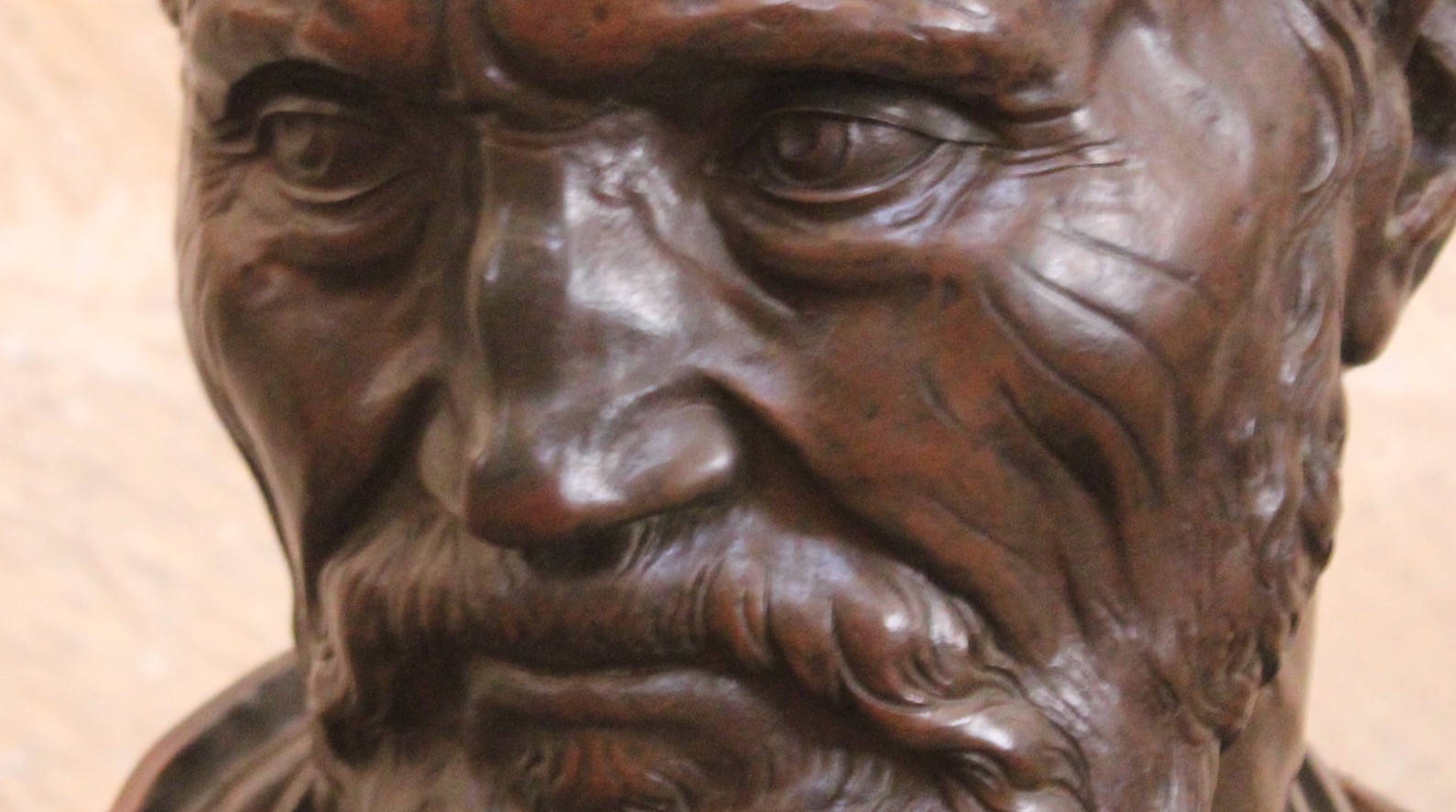
Firenze era lì, con le sue pietre, le sue chiese, le sue cupole, le sue botteghe, i suoi ricordi. La città che mi aveva visto bambino, apprendista, scultore, pittore, architetto e poeta. La città che avevo amato e dalla quale, per tante ragioni, avevo anche desiderato fuggire.
Poi spronai il cavallo e Firenze cominciò ad allontanarsi. Forse, in fondo al cuore, avevo già capito che non sarei tornato. E così fu.
Da Firenze a Roma: una partenza senza ritorno
Nel settembre del 1534 lasciai definitivamente Firenze per trasferirmi a Roma. Le fonti ricordano proprio quell’anno come il momento in cui abbandonai per sempre la mia città natale.
Avevo sessantanove anni e alle spalle più vite di quante ne sarebbero bastate a un uomo.
Avevo scolpito il David, dipinto la volta della Cappella Sistina, lavorato per i Medici, per i papi e per la grande architettura fiorentina. Avevo conosciuto il favore e la diffidenza, gli amici e gli avversari, le commissioni magnifiche e quelle che sembravano non finire mai.
A Firenze lasciavo anche lavori che non erano ancora conclusi.
La Sagrestia Nuova di San Lorenzo, con le tombe medicee, era ancora un cantiere aperto. La Biblioteca Laurenziana avrebbe continuato a crescere anche dopo la mia partenza: alcuni suoi elementi, come la celebre scala del ricetto, sarebbero stati realizzati più tardi seguendo miei modelli e indicazioni.
lasciavo una città e parte della mia vita.

E forse non mi dispiaceva lasciare i Medici
Non fu una fuga romantica quella: la mia storia fu molto più complicata.
Firenze era ormai profondamente cambiata. Dal 1532 Alessandro de’ Medici era duca della città e il vecchio equilibrio politico della Repubblica apparteneva ormai al passato. Io avevo conosciuto bene i Medici e con loro avevo avuto rapporti intensi, contraddittori, spesso difficili.
Roma mi aspettava
Roma non era per me una città sconosciuta. Vi ero già stato molte volte.
Nella Città Eterna c’era una parte importantissima della mia vita e lì viveva Tommaso de’ Cavalieri, il giovane romano conosciuto nel 1532, al quale fui profondamente legato per tutta la vita. Gli regalai disegni, poesie e lettere e il resto della mia esistenza, o quasi.
lasciavo Firenze alla volta di una città che ormai sentivo profondamente mia e verso una nuova stagione del mio lavoro.
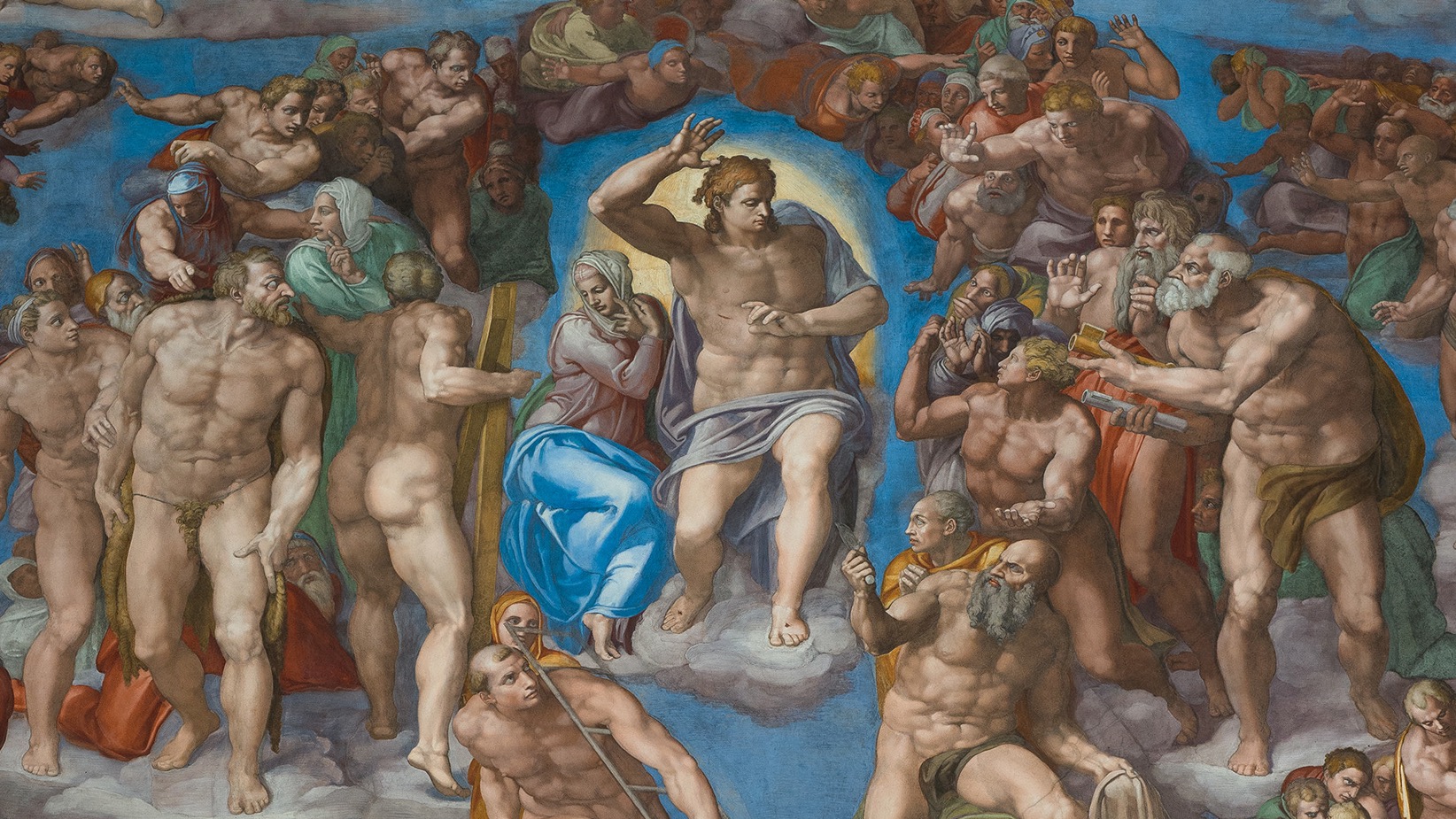
Papa Clemente VII de’ Medici mi aveva affidato nel 1533 un’impresa che avrebbe cambiato ancora una volta la mia storia: il Giudizio Universale sulla parete dell’altare della Cappella Sistina.
Roma mi chiamava.
Il Giudizio Universale era già nel mio destino
Quando arrivai a Roma nel settembre del 1534, il grande affresco nella mia mente non era ancora quello che oggi vedete nella Cappella Sistina. Ci sarebbero voluti anni.
Nel 1535 Paolo III Farnese avrebbe confermato la commissione e nel 1536 avrei iniziato concretamente a mettere mano a quell’opera. Il lavoro sarebbe terminato soltanto nel 1541.
Prima, però, bisognava affrontare il progetto, i ponteggi, la parete da preparare e persino la distruzione di una parte della decorazione precedente. Sul muro che avrei trasformato nel mio Giudizio Universale esistevano infatti già miei affreschi e altri del Perugino. Tutto sarebbe scomparso sotto il nuovo racconto della fine dei tempi.
Mi lasciavo dietro anche la mia famiglia
Mi lasciavo alle spalle la Firenze dei Medici ma anche quella della mia famiglia. Mio padre Lodovico era morto nel 1531, lasciandomi ancora una volta davanti alla fragilità della vita. Anche mio fratello Buonarroto era scomparso prima di me e la continuità della famiglia Buonarroti sarebbe passata soprattutto attraverso i suoi figli.
Tra questi c’era Leonardo, destinato a diventare il principale erede della famiglia.
Firenze si allontanava, Roma si avvicinava
Immaginatemi così visto da fuori: un uomo a cavallo con alle spalle Firenze e davanti Roma. Una strada che le divide e una quantità di ricordi a gravarmi sulle spalle.
La gola serrata da quella strana sensazione che arriva qualche volta, quando si chiude una porta e non sappiamo ancora che non verrà più riaperta. Partii e Firenze non la rividi più se non da morto.
Per il momento il sempre vostro Michelangelo Buonarroti vi saluta dandovi appuntamento ai prossimi post e sui social.
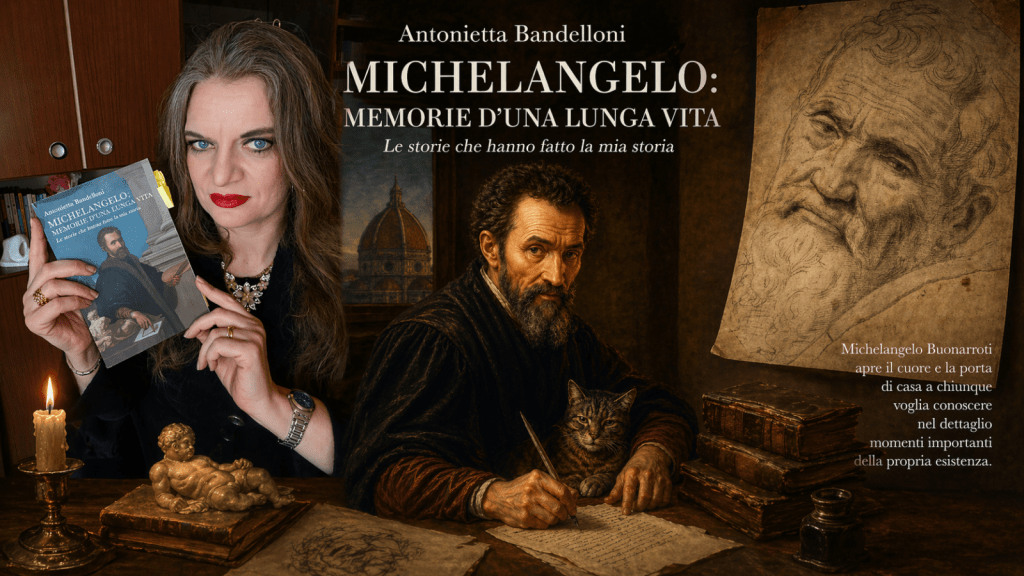
September 20, 1534: the day I left Florence, never to return
On September 20, 1534, I left Florence. I could not yet know that this would be the last time I saw my city while alive and a free man. Rome awaited me. And with it, work, loved ones, Tommaso de’ Cavalieri, and the final thirty years of my life.
That day, I mounted my horse and, before setting off, I turned back. Just once.
Florence lay there—with its stones, its churches, its domes, its workshops, and its memories. The city that had seen me as a child, an apprentice, a sculptor, a painter, an architect, and a poet. The city I had loved, yet—for so many reasons—had also longed to flee.
Then I spurred my horse, and Florence began to recede into the distance. Perhaps, deep down, I already understood that I would not return. And so it was.
From Florence to Rome: a departure with no return
In September 1534, I left Florence for good to move to Rome. Historical records mark that very year as the moment I abandoned my native city forever.
I was sixty-nine years old, and behind me lay more lives than any single man could reasonably expect to live.
I had sculpted the David, painted the ceiling of the Sistine Chapel, and worked for the Medici, for popes, and on great Florentine architectural projects. I had known both favor and suspicion, friends and adversaries, magnificent commissions and others that seemed endless.
I also left behind works in Florence that were not yet finished.
The New Sacristy of San Lorenzo, with the Medici tombs, was still an active construction site. The Laurentian Library would continue to grow even after my departure; certain elements—such as the famous staircase in the vestibule—would be built later, following my models and instructions.
I was leaving behind a city and a part of my life.
And perhaps I did not mind leaving the Medici. It was no romantic escape; my story was far more complicated.
Florence had changed profoundly by then. Since 1532, Alessandro de’ Medici had been the city’s duke, and the old political balance of the Republic was a thing of the past. I had known the Medici well, and my relationship with them had been intense, contradictory, and often difficult.
Rome awaited me
Rome was not an unfamiliar city to me; I had been there many times before.
A vital part of my life lay in the Eternal City; that was where Tommaso de’ Cavalieri lived—the young Roman I had met in 1532, to whom I remained deeply attached throughout my life. I gave him drawings, poems, letters, and—or nearly so—the rest of my existence.
I was leaving Florence, bound for a city I now felt was truly my own, and for a new chapter in my work.
In 1533, Pope Clement VII de’ Medici had entrusted me with a project that would once again alter the course of my life: The Last Judgment on the altar wall of the Sistine Chapel.
Rome was calling me.
The Last Judgment was already my destiny
When I arrived in Rome in September 1534, the great fresco in my mind was not yet the one you see today in the Sistine Chapel. It would take years to realize.
In 1535, Paul III Farnese would confirm the commission, and in 1536, I would actually begin work on the piece. It would not be completed until 1541.
First, however, there was the project itself to tackle, the scaffolding to erect, the wall to prepare, and even the destruction of part of the existing decoration. Indeed, on the very wall I was to transform into my Last Judgment, there were already frescoes of mine and others by Perugino. Everything was destined to vanish beneath the new narrative of the End of Times.
I was leaving my family behind, too
I was leaving behind the Florence of the Medici, but also that of my own family. My father, Lodovico, had died in 1531, leaving me once again to face the fragility of life. My brother Buonarroto had also passed away before me; the continuity of the Buonarroti family would now rest primarily with his children.
Among them was Leonardo, destined to become the family’s principal heir.
Florence receded; Rome drew near.
Picture me as an outsider might see me: a man on horseback with Florence behind him and Rome ahead. A road lay between them, and a multitude of memories weighed upon my shoulders.
My throat tightened with that strange sensation that sometimes strikes when a door closes—a door we do not yet realize will never open again. I departed, and I never saw Florence again—save for when I returned in death.
For now, your ever-devoted Michelangelo Buonarroti bids you farewell, looking forward to seeing you in future posts and on social media.

Sostienici – Support Us
Se questo blog ti piace e ti appassiona, puoi aiutarci a farlo crescere sempre più sostenendoci in modo concreto condividendo i post, seguendo le pagine social e con un contributo che ci aiuta ad andare avanti con il nostro lavoro di divulgazione. . ENGLISH: If you like and are passionate about this blog, you can help us make it grow more and more by supporting us in a concrete way by sharing posts, following social pages and with a contribution that helps us to move forward with our dissemination work.
10,00 €
-
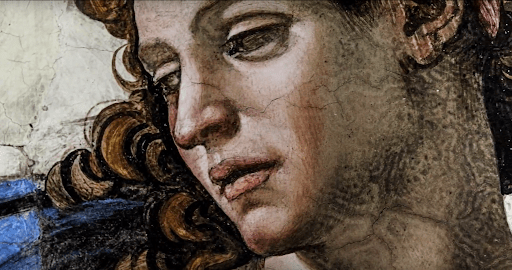
Il mio cuore prigioniero
🇮🇹Nei miei versi l’amore diventa tormento, prigionia e vita… 🇬🇧In my verses, love becomes torment, imprisonment, and life…
-
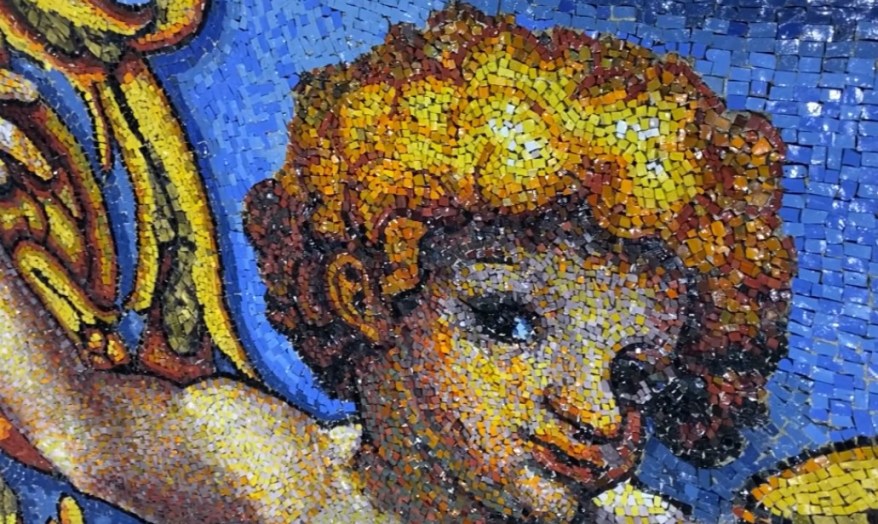
San Pietro: nella cupola ritrovate tessere minuscole e scritte nascoste da secoli
🇮🇹Tessere grandi pochi millimetri, volti forse realizzati in laboratorio e appunti lasciati dai restauratori di secoli fa: il restauro di una cupola poco conosciuta di San Pietro porta alla luce dettagli sorprendenti… 🇬🇧Tiles measuring just a few millimeters, faces perhaps created in a workshop, and notes left by restorers centuries ago: the restoration of a…
-
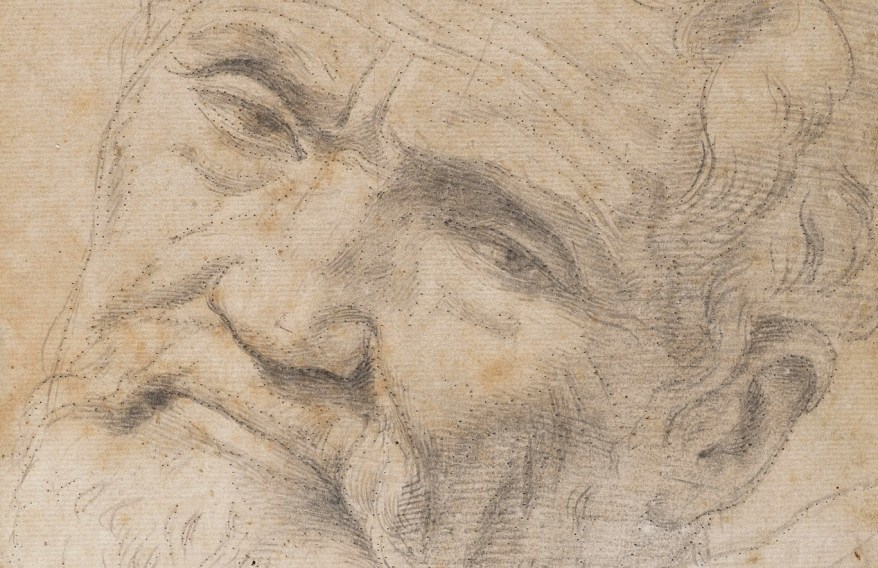
Facevo paura anche ai papi
🇮🇹Facevo paura persino ai papi. Non sono mai stato famoso per la diplomazia. Avevo un carattere difficile, poca pazienza e nessuna voglia di compiacere i potenti… 🇬🇧I struck fear even into popes. I was never known for diplomacy. I had a difficult temperament, little patience, and no desire to curry favor with the powerful…
Condividi:


Questo sono io




sostienici

Sostienici – Support Us
Se questo blog ti piace e ti appassiona, puoi aiutarci a farlo crescere sempre più sostenendoci in modo concreto condividendo i post, seguendo le pagine social e con un contributo che ci aiuta ad andare avanti con il nostro lavoro di divulgazione. . ENGLISH: If you like and are passionate about this blog, you can help us make it grow more and more by supporting us in a concrete way by sharing posts, following social pages and with a contribution that helps us to move forward with our dissemination work.
€10,00


