
6 agosto, la Trasfigurazione di Cristo: le opere d’arte più belle, da Raffaello a Girolamo da Carpi
Il 6 agosto la Chiesa celebra la Trasfigurazione del Signore.
Sul monte Tabor, davanti agli apostoli Pietro, Giacomo e Giovanni, Gesù lascia intravedere agli apostoli Pietro, Giacomo e Giovanni, solo per un istante la sua natura divina. Il suo volto risplende, le sue vesti diventano bianchissime, accanto a lui appaiono Mosè ed Elia, mentre una nube luminosa avvolge la scena e la voce del Padre proclama: “Questi è il Figlio mio, l’amato: ascoltatelo.“
Alla presenza di Mosè ed Elia, simboli della Legge e dei Profeti, Cristo rivela che la sua apparente fragilità umana è già proiettata verso la gloria della Risurrezione. La Chiesa legge questo episodio come l’annuncio della redenzione dell’umanità: l’immagine di Dio impressa nell’uomo, oscurata dal peccato di Adamo, viene ricreata in Cristo e restituita alla sua piena bellezza.
È uno dei momenti più solenni della vita di Cristo e uno dei più affascinanti per gli artisti. Da oltre quindici secoli pittori, mosaicisti e miniatori hanno cercato di dare forma a quella luce impossibile da descrivere.

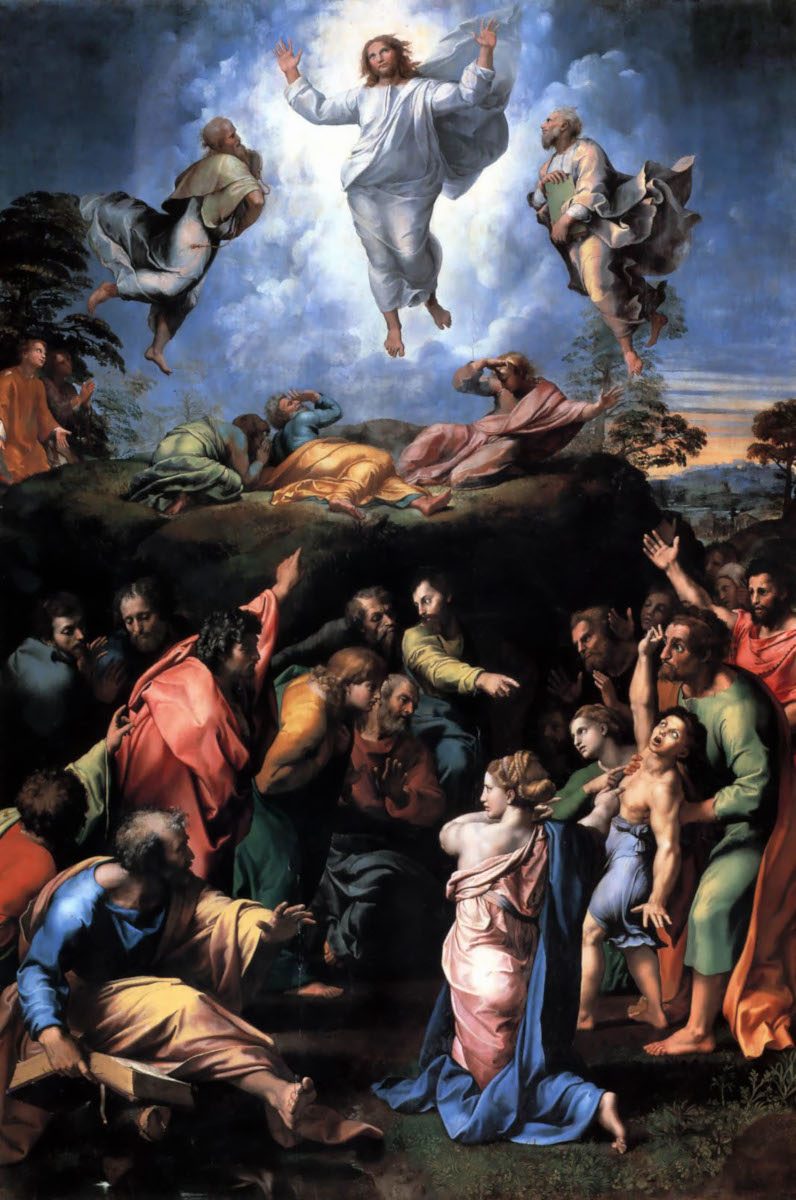
La Trasfigurazione di Raffaello
Fra tutte le rappresentazioni della Trasfigurazione, nessuna possiede la forza narrativa del capolavoro di Raffaello Sanzio.
Realizzata tra il 1518 e il 1520 e custodita nella Pinacoteca Vaticana, l’opera rappresenta il testamento spirituale del maestro urbinate. Secondo la tradizione, fu esposta accanto al suo corpo durante le esequie, trasformandosi immediatamente in un simbolo della sua grandezza.
Raffaello sceglie una soluzione rivoluzionaria: unisce in un’unica composizione due episodi evangelici. Nella parte superiore Cristo fluttua nella luce accecante, sospeso tra Mosè ed Elia. Gli apostoli sono sopraffatti dallo splendore divino e quasi incapaci di sostenere quella visione.
Sotto, invece, tutto cambia. Regnano il dolore, il caos e l’impotenza degli uomini che cercano di guarire un ragazzo posseduto. È il contrasto tra cielo e terra, tra la perfezione divina e la fragilità dell’umanità. Due mondi opposti che Raffaello fonde con una modernità sorprendente.
Girolamo da Carpi e l’elegante Trasfigurazione
Molto meno conosciuta dal grande pubblico, ma di rara bellezza, è la Trasfigurazione realizzata da Girolamo da Carpi.
L’artista ferrarese interpreta l’episodio con un linguaggio raffinato, tipico della cultura emiliana del pieno Rinascimento. Le figure sono eleganti, i colori luminosi e la composizione cerca un equilibrio perfetto fra la dimensione terrena degli apostoli e quella soprannaturale della manifestazione divina.
La luce diventa protagonista assoluta, non come semplice effetto pittorico ma come simbolo della rivelazione. Cristo domina la scena ma senza alcuna enfasi teatrale: la sua gloria emerge con naturalezza, quasi invitando lo spettatore a contemplare piuttosto che a stupirsi.

I mosaici bizantini: la luce che diventa oro
Molto prima del Rinascimento, erano stati i maestri bizantini a trovare un linguaggio perfetto per rappresentare la Trasfigurazione.
Lo straordinario mosaico del Monastero di Santa Caterina, realizzato nel VI secolo, è una delle immagini più celebri dell’arte cristiana. Qui Cristo appare racchiuso in una mandorla luminosa mentre raggi dorati investono gli apostoli, incapaci di sostenere la potenza della rivelazione.
Non esiste prospettiva, non esiste paesaggio realistico. Esiste soltanto la luce, che diventa il vero linguaggio del divino.

Beato Angelico: la luce che diventa preghiera
Fra gli interpreti più poetici della Trasfigurazione non può mancare Beato Angelico.
Nelle sue opere tutto sembra immerso nel silenzio. La luce non abbaglia come in Raffaello, ma accarezza le figure con infinita delicatezza. Gli apostoli non sono semplici spettatori: sembrano invitare anche chi osserva il dipinto a partecipare al mistero.
È una pittura che non vuole stupire, ma accompagnare alla contemplazione.
Bellini e la natura che partecipa al miracolo
Con Giovanni Bellini cambia ancora il modo di raccontare la Trasfigurazione.
Il paesaggio diventa protagonista insieme ai personaggi. La natura sembra condividere l’evento soprannaturale: montagne, alberi e cielo partecipano al mistero della rivelazione. La luce filtra dolcemente e costruisce uno spazio nel quale il divino entra nella realtà quotidiana.
È una visione profondamente umana, nella quale il miracolo non interrompe il mondo, ma lo trasfigura.

La rappresentazione della Trasfigurazione
Ogni artista ha cercato una risposta diversa alla stessa domanda: come dipingere ciò che non appartiene alla terra?
Raffaello sceglie il dramma e il contrasto. Girolamo da Carpi l’armonia del Rinascimento. I mosaicisti bizantini trasformano l’oro nella materia della luce divina. Beato Angelico preferisce il silenzio della preghiera, mentre Bellini lascia che sia la natura stessa a raccontare il mistero.
La Trasfigurazione racconta sì l’evento accaduto sul monte Tabor, ma ricorda anche agli uomini e alle donne che ogni essere umano è chiamato a guardare oltre l’apparenza, verso quella luce che gli artisti hanno inseguito per secoli con pennelli, colori e tessere di mosaico.
Per il momento il sempre vostro Michelangelo Buonarroti vi saluta dandovi appuntamento ai prossimi post e sui social.
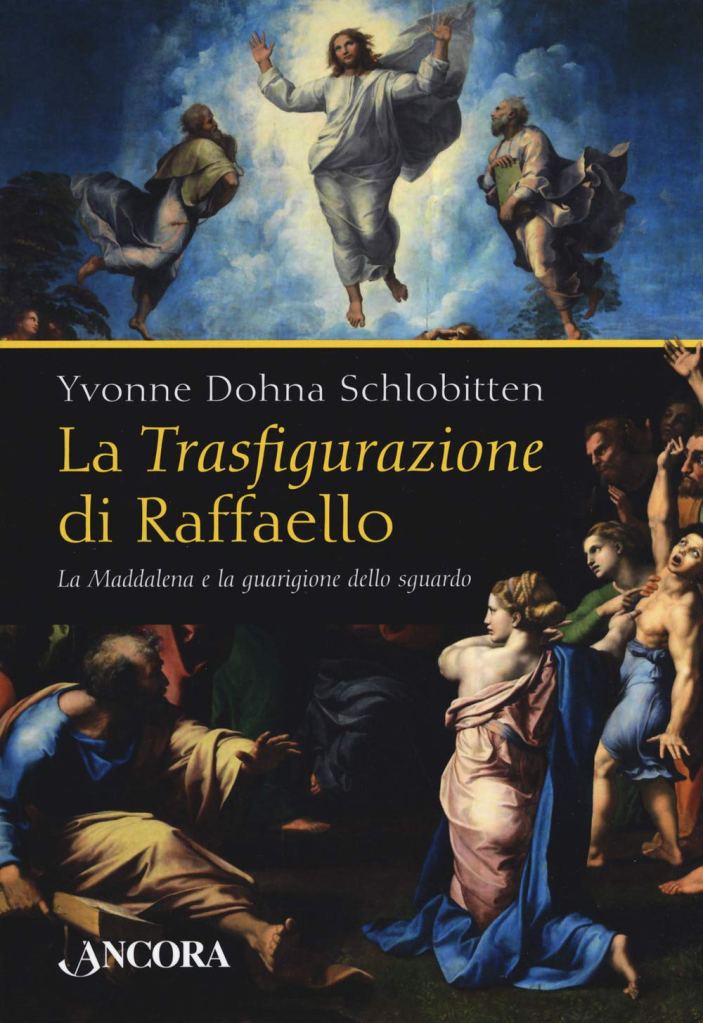
August 6, the Transfiguration of Christ: the most beautiful works of art, from Raphael to Girolamo da Carpi
On August 6, the Church celebrates the Transfiguration of the Lord.
On Mount Tabor, before the apostles Peter, James, and John, Jesus allows them, just for a moment, a glimpse of his divine nature. His face shines, his robes turn pure white, Moses and Elijah appear beside him, while a luminous cloud envelops the scene and the voice of the Father proclaims: “This is my beloved Son; listen to him.”
In the presence of Moses and Elijah, symbols of the Law and the Prophets, Christ reveals that his apparent human frailty is already projected toward the glory of the Resurrection. The Church interprets this episode as the announcement of humanity’s redemption: the image of God imprinted in man, obscured by Adam’s sin, is recreated in Christ and restored to its full beauty.
It is one of the most solemn moments in Christ’s life and one of the most fascinating for artists. For over fifteen centuries, painters, mosaicists, and illuminators have sought to give form to that indescribable light.
Raphael’s Transfiguration
Of all the representations of the Transfiguration, none possesses the narrative power of Raphael’s masterpiece.
Created between 1518 and 1520 and housed in the Vatican Pinacoteca, the work represents the spiritual testament of the master from Urbino. According to tradition, it was displayed next to his body during his funeral, immediately becoming a symbol of his greatness.
Raphael chose a revolutionary solution: he combined two Gospel episodes in a single composition. In the upper section, Christ floats in the blinding light, suspended between Moses and Elijah. The apostles are overwhelmed by the divine splendor and almost unable to sustain the vision.
Below, however, everything changes. Pain, chaos, and the helplessness of men trying to heal a possessed boy reign supreme. It is the contrast between heaven and earth, between divine perfection and the fragility of humanity. Two opposing worlds that Raphael fuses with a surprising modernity.
Girolamo da Carpi and the Elegant Transfiguration
Far less known to the general public, but of rare beauty, is the Transfiguration by Girolamo da Carpi.
The Ferrarese artist interprets the episode with a refined language, typical of the Emilian culture of the High Renaissance. The figures are elegant, the colors luminous, and the composition seeks a perfect balance between the earthly dimension of the apostles and the supernatural dimension of the divine manifestation.
Light becomes the absolute protagonist, not as a simple pictorial effect but as a symbol of revelation. Christ dominates the scene but without any theatrical emphasis: his glory emerges naturally, almost inviting the viewer to contemplate rather than marvel.
Byzantine Mosaics: Light Becomes Gold
Long before the Renaissance, Byzantine masters had found the perfect language to represent the Transfiguration.
The extraordinary mosaic of the Monastery of Saint Catherine, created in the 6th century, is one of the most famous images in Christian art. Here, Christ appears enclosed in a luminous mandorla while golden rays bathe the apostles, unable to withstand the power of revelation.
There is no perspective, no realistic landscape. There is only light, which becomes the true language of the divine.
Beato Angelico: Light Becomes Prayer
Beato Angelico is undoubtedly one of the most poetic interpreters of the Transfiguration.
In his works, everything seems immersed in silence. The light does not dazzle as in Raphael, but caresses the figures with infinite delicacy. The apostles are not mere spectators: they seem to invite those who view the painting to participate in the mystery.
It is a painting that seeks not to shock, but to lead to contemplation.
Bellini and Nature Participating in the Miracle
Giovanni Bellini once again changed the way the Transfiguration is narrated.
The landscape becomes the protagonist alongside the characters. Nature seems to share in the supernatural event: mountains, trees, and sky participate in the mystery of revelation. The light filters gently and creates a space in which the divine enters into everyday reality.
It is a profoundly human vision, in which the miracle does not interrupt the world, but transfigures it.
The Representation of the Transfiguration
Each artist sought a different answer to the same question: how to paint that which does not belong to the earth?
Raphael chooses drama and contrast. Girolamo da Carpi the harmony of the Renaissance. Byzantine mosaicists transform gold into the material of divine light. Beato Angelico prefers the silence of prayer, while Bellini lets nature itself reveal the mystery.
The Transfiguration recounts the event that took place on Mount Tabor, but it also reminds men and women that every human being is called to look beyond appearances, toward the light that artists have pursued for centuries with brushes, paints, and mosaic tiles.
For now, yours truly, Michelangelo Buonarroti bids you farewell, and we look forward to seeing you in future posts and on social media.

Sostienici – Support Us
Se questo blog ti piace e ti appassiona, puoi aiutarci a farlo crescere sempre più sostenendoci in modo concreto condividendo i post, seguendo le pagine social e con un contributo che ci aiuta ad andare avanti con il nostro lavoro di divulgazione. . ENGLISH: If you like and are passionate about this blog, you can help us make it grow more and more by supporting us in a concrete way by sharing posts, following social pages and with a contribution that helps us to move forward with our dissemination work.
10,00 €
Articoli
Condividi:


Questo sono io




sostienici

Sostienici – Support Us
Se questo blog ti piace e ti appassiona, puoi aiutarci a farlo crescere sempre più sostenendoci in modo concreto condividendo i post, seguendo le pagine social e con un contributo che ci aiuta ad andare avanti con il nostro lavoro di divulgazione. . ENGLISH: If you like and are passionate about this blog, you can help us make it grow more and more by supporting us in a concrete way by sharing posts, following social pages and with a contribution that helps us to move forward with our dissemination work.
€10,00


