
5 maggio 1821: la morte di Napoleone Bonaparte e il mistero delle opere d’arte mai restituite
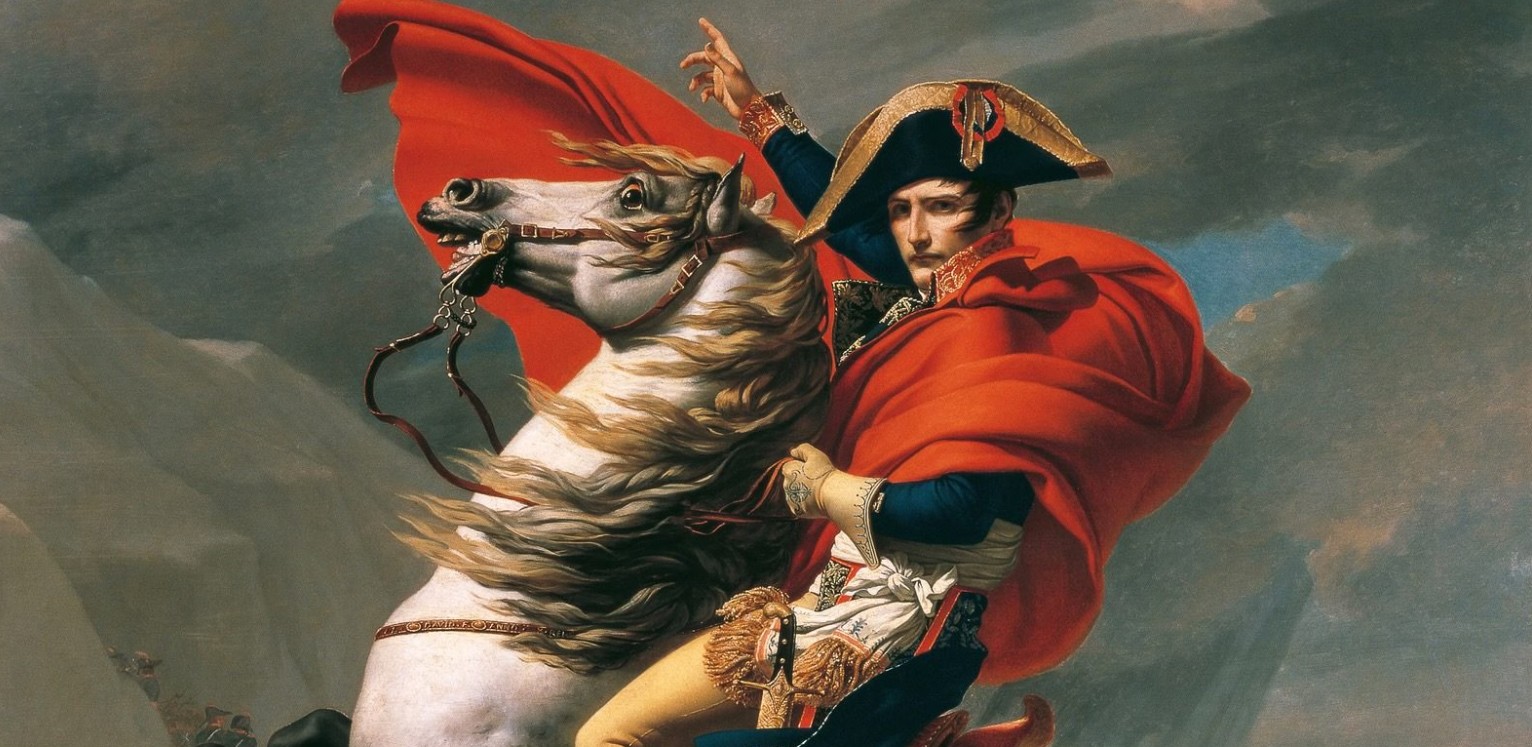
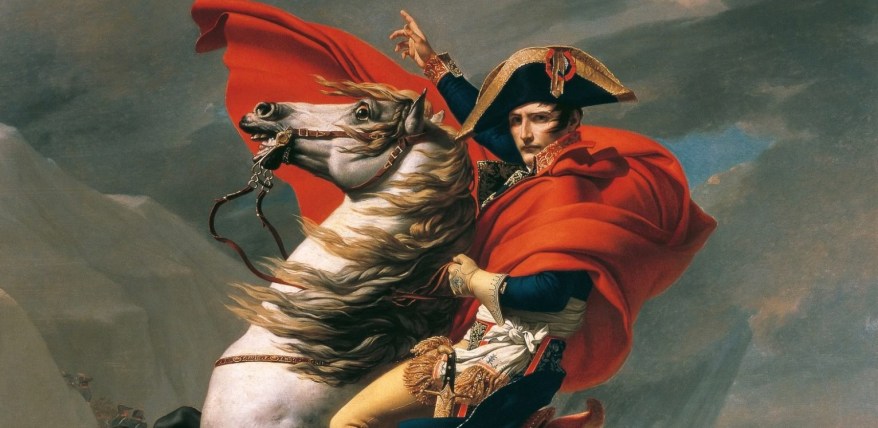
Il 5 maggio 1821 moriva in esilio a Sant’Elena Napoleone Bonaparte, figura destinata a dividere per sempre la storia europea.
Il lato oscuro dell’Impero: il più grande saccheggio artistico della storia
Genio militare e riformatore, ma anche protagonista di una delle più vaste spoliazioni artistiche mai avvenute. Durante le sue campagne, tra il 1797 e il 1815, l’Europa fu privata di migliaia di capolavori: dipinti, sculture e oggetti d’arte sottratti sistematicamente da Italia, Spagna, Portogallo, Paesi Bassi e altri territori conquistati.
Lo storico Paul Wescher definì quell’operazione come “il più grande spostamento di opere d’arte della storia”. Non si trattò di saccheggi casuali, ma di un progetto preciso: concentrare a Parigi il patrimonio artistico europeo per costruire il primo museo universale, il futuro Museo del Louvre.
Quante opere rubò Napoleone e quante mancano ancora oggi
Le cifre, ancora oggi, restano parziali. Delle 506 opere ufficialmente registrate come trafugate in Italia, ben 248 si trovano tuttora in Francia, mentre almeno 9 risultano disperse. Ma questo è solo un frammento del totale: non esiste un conteggio completo delle opere sottratte in tutta Europa, né di quelle distrutte durante guerre e trasporti.
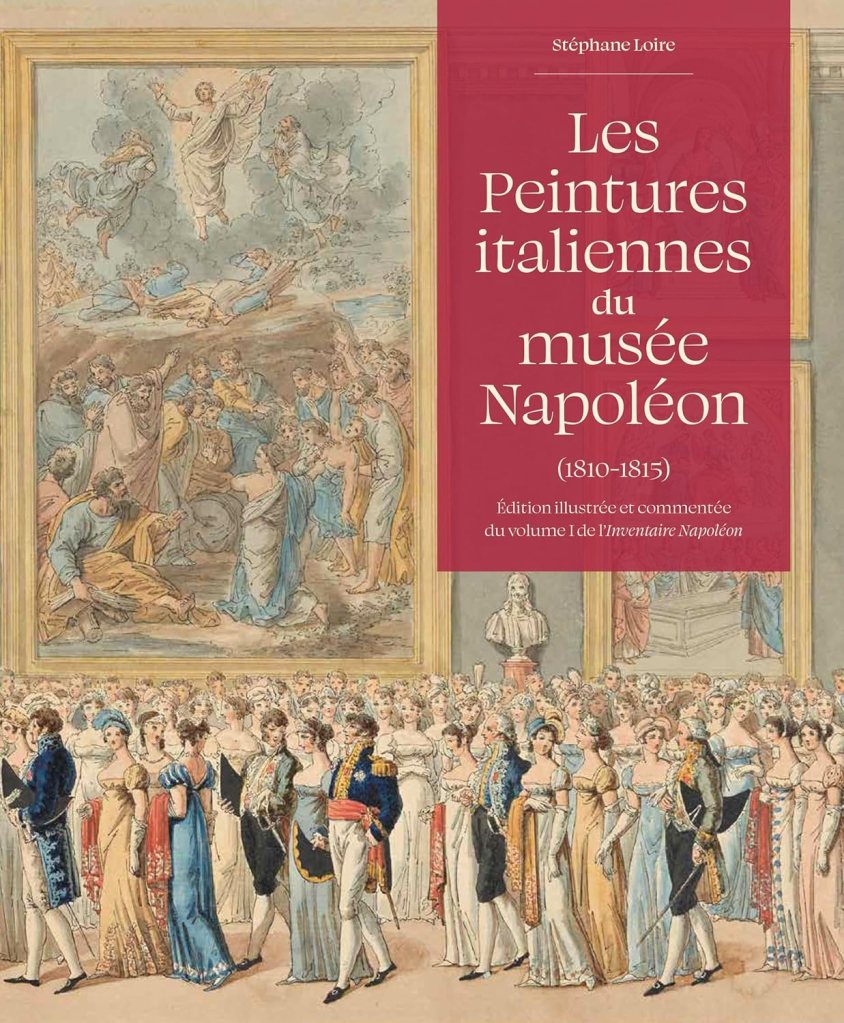
Un dato emerge con chiarezza dagli studi sull’“Inventaire Napoléon”: circa il 40% delle opere presenti nel museo parigino durante l’Impero proveniva da sequestri, soprattutto italiani.
Solo il 30% derivava dalle collezioni reali francesi e un altro 30% da acquisizioni rivoluzionarie.
Questo squilibrio racconta una verità spesso rimossa: il Louvre nacque anche come museo costruito attraverso la guerra.
I capolavori italiani trafugati: da Laocoonte alle opere di Tiziano
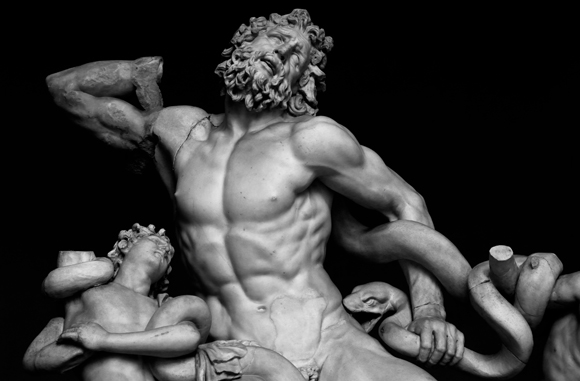
L’Italia fu il paese più colpito. Tra le opere sottratte figuravano simboli assoluti della cultura occidentale. Il celebre Laocoonte e l’Apollo del Belvedere furono portati a Parigi insieme alla Venere Capitolina.
Accanto alle sculture antiche, vennero requisiti dipinti di maestri come Tiziano, Guido Reni, Guercino, Paolo Veronese e Federico Barocci.
Il saccheggio della Repubblica di Venezia fu tra i più clamorosi.
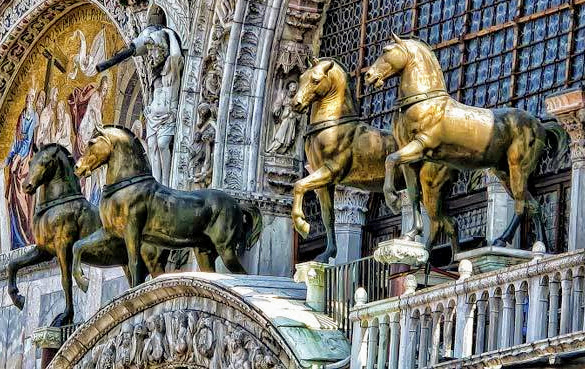
I cavalli bronzei della Basilica di San Marco, la celebre Quadriga, vennero rimossi e collocati a Parigi sull’Arco di Trionfo del Carrousel, simbolo tangibile della vittoria francese.
Le opere mai restituite: un patrimonio ancora conteso
Dopo la sconfitta di Napoleone e il Congresso di Vienna del 1815, fu ordinata la restituzione delle opere trafugate. Tuttavia, una parte consistente non tornò mai nei paesi d’origine.
Tra i capolavori italiani ancora oggi in Francia figurano opere di straordinario valore. Dipinti di Pietro Perugino come lo Sposalizio della Vergine e l’Ascensione di Cristo non sono mai rientrati. Lo stesso vale per opere di Giotto, tra cui le Stigmate di San Francesco.
Mancano all’appello anche capolavori di Andrea Mantegna, come la Crocifissione e la Resurrezione, insieme a opere di Beato Angelico e Pontormo.
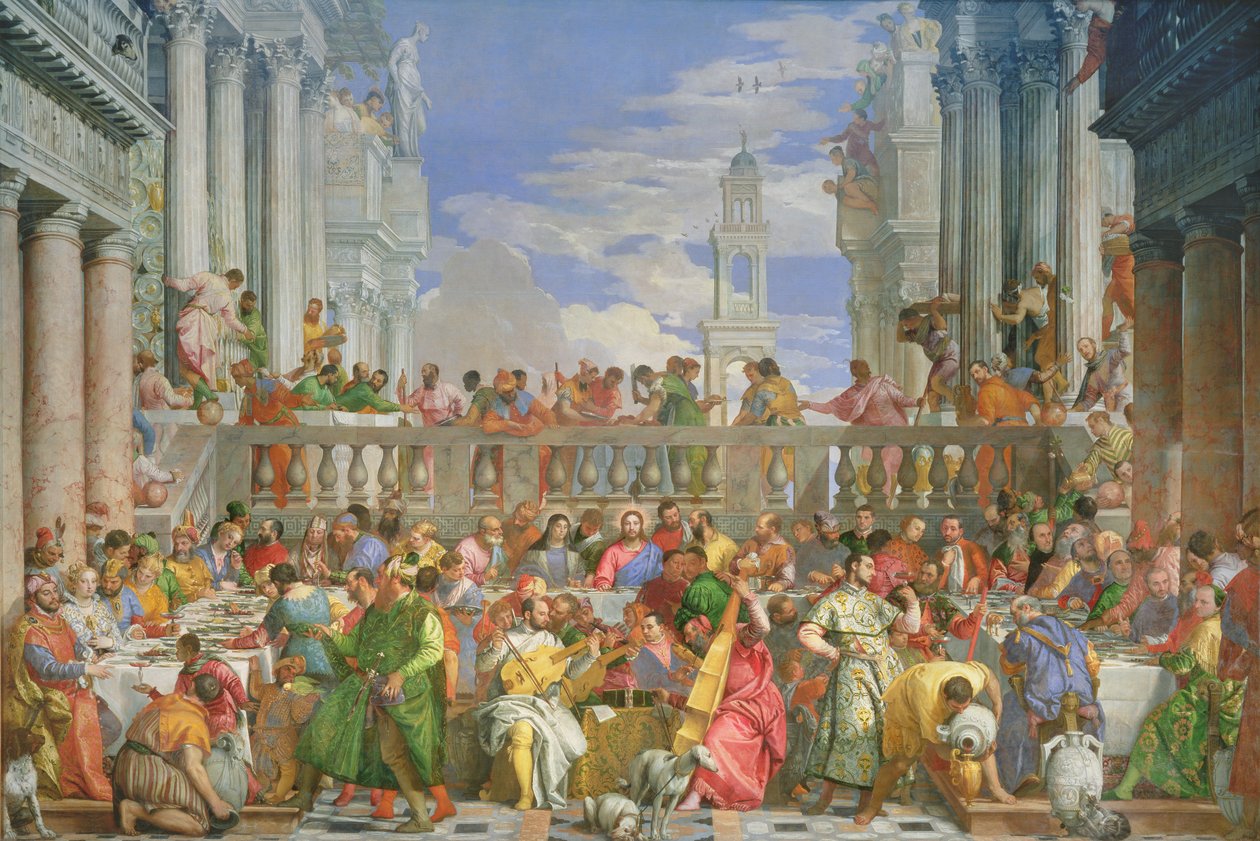
Tra i nomi più celebri spiccano anche Cimabue, Filippino Lippi e Benozzo Gozzoli. Opere come le Nozze di Cana di Paolo Veronese restano tra i simboli più noti di questo mancato ritorno.
Il ruolo decisivo di Antonio Canova nella restituzione
Dopo il crollo dell’Impero, Antonio Canova fu incaricato da Papa Pio VII di recuperare le opere trafugate. La scelta non fu casuale: Canova godeva di enorme prestigio internazionale e conosceva perfettamente il patrimonio artistico sottratto.
Arrivato al Museo del Louvre nell’agosto del 1815, si scontrò con l’opposizione del direttore Dominique Vivant Denon, contrario alle restituzioni. Determinante fu l’appoggio del diplomatico britannico William Richard Hamilton.
Canova riuscì a catalogare e recuperare centinaia di opere, affidandosi alla memoria in assenza di inventari completi. Il 2 ottobre 1815 iniziarono le restituzioni, con convogli che riportarono in Italia capolavori destinati a Bologna, Roma, Firenze e Venezia.

Il museo universale e il prezzo della gloria
L’“Inventaire Napoléon”, oggi oggetto di studi approfonditi, dimostra come il Louvre si trasformò da museo rivoluzionario a strumento politico globale. Tra il 1810 e il 1815 furono catalogati oltre 1.140 dipinti, parte di un sistema che mirava a rappresentare la supremazia culturale francese.
Circa il 30% delle opere fu restituito, un altro 30% rimase al Louvre e il resto venne distribuito nei musei francesi. Una quota tra il 5 e il 10% è ancora oggi dispersa.
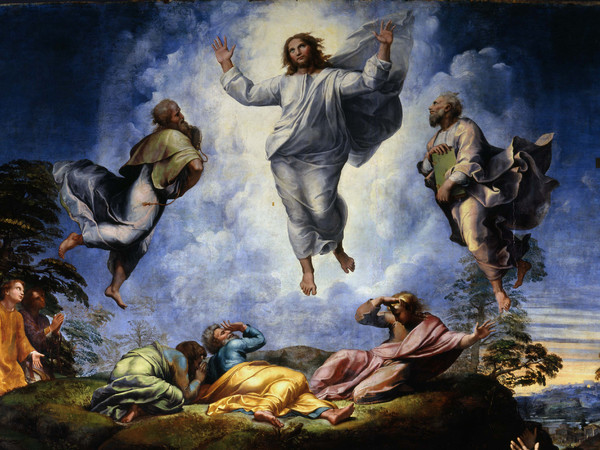
Il caso simbolo resta la Trasfigurazione di Raffaello Sanzio, considerata all’epoca il capolavoro assoluto del museo e utilizzata come emblema della propaganda imperiale.
Un’eredità ancora aperta
A oltre due secoli dalla morte di Napoleone, il bilancio delle spoliazioni resta incompleto. Molte opere sono tornate, ma centinaia rimangono in Francia, mentre altre sono scomparse per sempre.
La storia delle opere trafugate è una ferita ancora aperta nel dibattito internazionale sulla restituzione dei beni culturali. E ricorda come dietro la nascita dei grandi musei europei si nasconda spesso una storia fatta di conquiste, diplomazia e, soprattutto, perdita.
Per il momento il sempre vostro Michelangelo Buonarroti vi saluta dandovi appuntamento ai prossimi post e sui social.
May 5, 1821: The Death of Napoleon Bonaparte and the Mystery of the Unreturned Artworks
On May 5, 1821, Napoleon Bonaparte died in exile on Saint Helena, a figure destined to forever shape European history.
The Dark Side of the Empire: The Greatest Art Looting in History
A military genius and reformer, but also the protagonist of one of the largest artistic plunders ever. During his campaigns between 1797 and 1815, Europe was stripped of thousands of masterpieces: paintings, sculptures, and objets d’art systematically stolen from Italy, Spain, Portugal, the Netherlands, and other conquered territories.
Historian Paul Wescher described the operation as “the greatest art relocation in history.” This was no random plundering, but a deliberate plan: to concentrate Europe’s artistic heritage in Paris to build the first universal museum, the future Louvre.
How many works did Napoleon steal and how many are still missing today?
The figures, even today, remain partial. Of the 506 works officially recorded as stolen in Italy, 248 are still in France, while at least 9 are missing. But this is only a fraction of the total: there is no complete count of the works stolen throughout Europe, nor of those destroyed during wars and transport.
One fact emerges clearly from studies of the “Inventaire Napoléon”: approximately 40% of the works in the Parisian museum during the Empire came from seizures, mostly Italian.
Only 30% came from the French royal collections, and another 30% from revolutionary acquisitions.
This imbalance reveals an often forgotten truth: the Louvre was also born as a museum built through war.
Stolen Italian masterpieces: from Laocoon to works by Titian
Italy was the country most affected. Among the stolen works were absolute symbols of Western culture. The famous Laocoön and the Apollo Belvedere were taken to Paris along with the Capitoline Venus.
Alongside ancient sculptures, paintings by masters such as Titian, Guido Reni, Guercino, Paolo Veronese, and Federico Barocci were requisitioned.
The looting of the Venetian Republic was among the most sensational.
The bronze horses from St. Mark’s Basilica, the famous Quadriga, were removed and placed in Paris on the Arc de Triomphe du Carrousel, a tangible symbol of French victory.
The never-returned works: a heritage still contested
After Napoleon’s defeat and the Congress of Vienna in 1815, the restitution of the stolen works was ordered. However, a significant portion never returned to their countries of origin.
Among the Italian masterpieces still held in France today are works of extraordinary value. Paintings by Pietro Perugino, such as the Marriage of the Virgin and the Ascension of Christ, have never been returned. The same goes for works by Giotto, including the Stigmata of St. Francis.
Also missing are masterpieces by Andrea Mantegna, such as the Crucifixion and the Resurrection, along with works by Fra Angelico and Pontormo.
Among the most famous names are Cimabue, Filippino Lippi, and Benozzo Gozzoli. Works such as Paolo Veronese’s The Wedding at Cana remain among the best-known symbols of this failed return.
Antonio Canova’s Decisive Role in the Restitution
After the collapse of the Empire, Antonio Canova was commissioned by Pope Pius VII to recover the stolen works. The choice was no coincidence: Canova enjoyed enormous international prestige and was intimately familiar with the stolen artistic heritage.
Arriving at the Louvre in August 1815, he encountered opposition from director Dominique Vivant Denon, who opposed the restitutions. The support of British diplomat William Richard Hamilton was crucial.
Canova managed to catalog and recover hundreds of works, relying on memory in the absence of complete inventories. On October 2, 1815, the restitutions began, with convoys bringing back to Italy masterpieces destined for Bologna, Rome, Florence, and Venice.
The Universal Museum and the Price of Glory
The “Inventaire Napoléon,” now the subject of in-depth study, demonstrates how the Louvre transformed from a revolutionary museum to a global political instrument. Between 1810 and 1815, over 1,140 paintings were catalogued, part of a system aimed at representing French cultural supremacy.
About 30% of the works were returned, another 30% remained at the Louvre, and the remainder were distributed among French museums. Between 5 and 10% remain missing today.
The emblematic case remains Raphael’s Transfiguration, considered at the time the museum’s absolute masterpiece and used as an emblem of imperial propaganda.
An Open Legacy
More than two centuries after Napoleon’s death, the toll of looting remains incomplete. Many works have been returned, but hundreds remain in France, while others have disappeared forever.
The history of the looted works is an ongoing wound in the international debate on the restitution of cultural heritage. And it reminds us that behind the birth of Europe’s great museums lies a story of conquest, diplomacy, and, above all, loss.
For now, yours truly, Michelangelo Buonarroti, bids farewell and invites you to join him in future posts and on social media.

Sostienici – Support Us
Se questo blog ti piace e ti appassiona, puoi aiutarci a farlo crescere sempre più sostenendoci in modo concreto condividendo i post, seguendo le pagine social e con un contributo che ci aiuta ad andare avanti con il nostro lavoro di divulgazione. . ENGLISH: If you like and are passionate about this blog, you can help us make it grow more and more by supporting us in a concrete way by sharing posts, following social pages and with a contribution that helps us to move forward with our dissemination work.
10,00 €
Articoli
Condividi:


Questo sono io




sostienici

Sostienici – Support Us
Se questo blog ti piace e ti appassiona, puoi aiutarci a farlo crescere sempre più sostenendoci in modo concreto condividendo i post, seguendo le pagine social e con un contributo che ci aiuta ad andare avanti con il nostro lavoro di divulgazione. . ENGLISH: If you like and are passionate about this blog, you can help us make it grow more and more by supporting us in a concrete way by sharing posts, following social pages and with a contribution that helps us to move forward with our dissemination work.
€10,00


La sua megalomania è stata devastante
"Mi piace"Piace a 1 persona
Un personaggio contraddittorio ma che ha buttato le basi degli stati moderni
"Mi piace"Piace a 2 people
Certo, mi riferivo all’insaziabile accaparramento di dipinti e oggetti d’arte
"Mi piace""Mi piace"
GRANDE personaggio, nel bene e nel male
"Mi piace"Piace a 1 persona