
Rimpatriati 337 reperti archeologici dagli USA: tornano in Italia tesori trafugati tra Roma, Magna Grecia e mondo bizantino
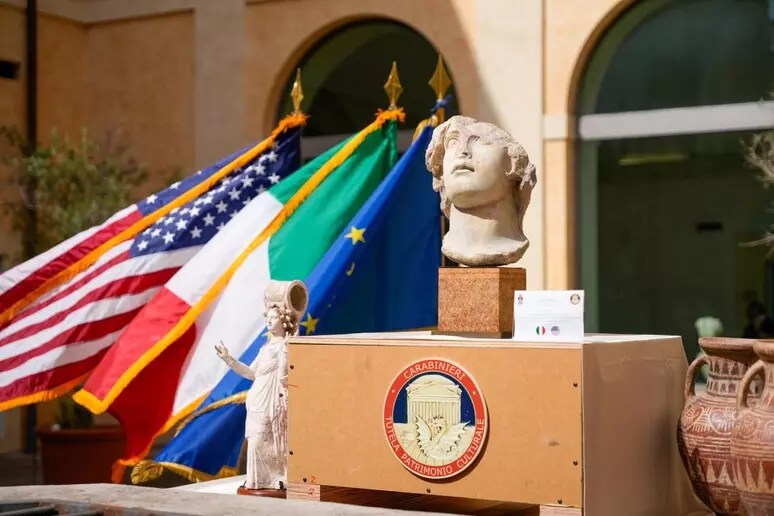
Sono 337 i beni culturali rimpatriati dagli Stati Uniti e presentati presso la Caserma La Marmora del Comando Carabinieri per la Tutela del Patrimonio Culturale. Si tratta in larga parte di reperti archeologici di epoca romana, ma anche opere bizantine, manufatti della Magna Grecia e documenti d’archivio, molti dei quali provenienti da scavi clandestini o sottratti illegalmente a istituzioni.
Tra i pezzi più significativi spicca la testa in marmo di Alessandro Magno, raffigurato come Helios e risalente al I secolo d.C., proveniente dalla Basilica Aemilia nel Foro Romano. Un simbolo potente del patrimonio recuperato e restituito alla collettività.
Operazione internazionale contro il traffico illecito di opere d’arte
Il recupero dei reperti è il risultato di operazioni concluse tra dicembre 2025 e aprile 2026, frutto di una collaborazione internazionale che ha coinvolto diverse autorità. Ben 221 beni sono stati restituiti grazie alla cooperazione con il Manhattan District Attorney’s Office, mentre altri 116 sono stati recuperati grazie a un’azione congiunta tra FBI, Homeland Security Investigations e altre istituzioni, con il supporto anche della casa d’aste Christie’s di New York.
Secondo il Comando Carabinieri TPC, questa sinergia rappresenta un modello efficace per contrastare un fenomeno globale e complesso come il traffico illecito di beni culturali.
Il valore della cultura: tutela, restituzione e identità
Durante la presentazione, il ministro della Cultura Alessandro Giuli ha sottolineato l’importanza di queste operazioni, definendo il recupero dei beni come un atto fondamentale per la tutela della memoria storica e dell’identità nazionale. I reperti saranno ora oggetto di studio e valorizzazione, con l’obiettivo di restituirli ai territori di origine e renderli accessibili al pubblico.
Il rimpatrio assume un significato ancora più rilevante nel contesto del 25° anniversario della collaborazione tra le forze dell’ordine italiane e statunitensi, una partnership che continua a rafforzarsi nella difesa del patrimonio culturale.
I reperti recuperati: tra archeologia, arte e storia
Oltre alla testa di Alessandro Magno, il patrimonio restituito include una scultura in bronzo trafugata a Ercolano, due sculture egizie in basalto e numerosi manufatti databili tra il V secolo a.C. e il III secolo d.C. Si tratta di ceramiche, bronzi, oggetti in oro e reperti che raccontano secoli di storia.
Tra gli oggetti recuperati figurano anche un timone navale, un vaso canosino e monete di epoca romana, oltre a reperti provenienti dall’Età del Ferro e dal periodo ellenistico.
Il ritorno di un documento unico: la lettera di Ariosto
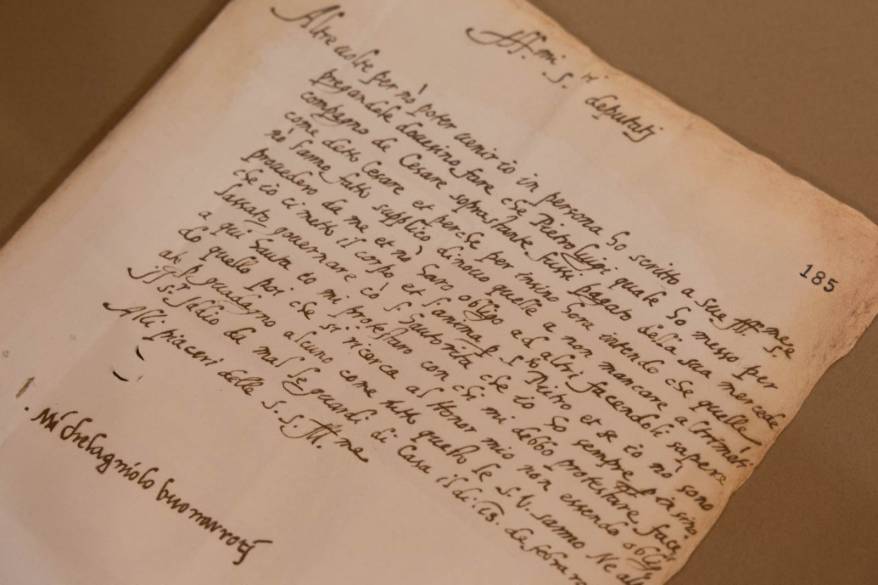
Tra i beni rimpatriati emerge anche un importante documento storico: la lettera del 1524 di Alfonso I d’Este a Ludovico Ariosto. Questo manoscritto tornerà all’Archivio di Stato di Massa, ricomponendo un tassello fondamentale del patrimonio archivistico italiano.
Il recupero di questo documento rappresenta un esempio concreto di come la tutela non riguardi solo l’archeologia, ma anche le fonti scritte, essenziali per comprendere la storia istituzionale e culturale del Paese.
La restituzione di questi 337 reperti, oltre a essere un successo investigativo, è ma un passo concreto nella difesa della cultura come bene universale.
Per il momento il sempre vostro Michelangelo Buonarroti vi saluta dandovi appuntamento ai prossimi post e sui social.
337 archaeological artifacts repatriated from the US: looted treasures from Rome, Magna Graecia, and the Byzantine world return to Italy
337 cultural assets have been repatriated from the United States and presented at the La Marmora Barracks of the Carabinieri Command for the Protection of Cultural Heritage. These are largely archaeological finds from the Roman era, but also include Byzantine works, artifacts from Magna Graecia, and archival documents, many of which come from clandestine excavations or were illegally stolen from institutions.
Among the most significant pieces is the marble head of Alexander the Great, depicted as Helios and dating back to the 1st century AD, from the Basilica Aemilia in the Roman Forum. It is a powerful symbol of the heritage recovered and returned to the community.
International Operation Against Illicit Art Trafficking
The recovery of the artifacts is the result of operations completed between December 2025 and April 2026, the fruit of an international collaboration involving various authorities. A total of 221 objects were returned thanks to cooperation with the Manhattan District Attorney’s Office, while another 116 were recovered through a joint effort between the FBI, Homeland Security Investigations, and other institutions, with the support of Christie’s New York auction house.
According to the Carabinieri Command (TCP), this synergy represents an effective model for combating the global and complex phenomenon of illicit cultural property trafficking.
The Value of Culture: Protection, Restitution, and Identity
During the presentation, Minister of Culture Alessandro Giuli emphasized the importance of these operations, defining the recovery of the artifacts as a fundamental act for the protection of historical memory and national identity. The artifacts will now be studied and enhanced, with the goal of returning them to their original territories and making them accessible to the public.
The repatriation takes on even greater significance in the context of the 25th anniversary of the collaboration between Italian and US law enforcement agencies, a partnership that continues to strengthen in the defense of cultural heritage.
The Recovered Artifacts: Between Archaeology, Art, and History
In addition to the head of Alexander the Great, the returned collection includes a bronze sculpture stolen from Herculaneum, two Egyptian basalt sculptures, and numerous artifacts dating between the 5th century BC and the 3rd century AD. These include ceramics, bronzes, gold objects, and artifacts that recount centuries of history.
The recovered objects also include a ship’s rudder, a Canosa vase, and Roman coins, as well as artifacts from the Iron Age and the Hellenistic period.
The Return of a Unique Document: Ariosto’s Letter
Among the repatriated assets, an important historical document stands out: the 1524 letter from Alfonso I d’Este to Ludovico Ariosto. This manuscript will return to the State Archives of Massa, reconstructing a fundamental piece of the Italian archival heritage.
The recovery of this document represents a concrete example of how protection concerns not only archaeology, but also written sources, essential to understanding the country’s institutional and cultural history.
The restitution of these 337 artifacts, beyond being an investigative success, is also a concrete step in the defense of culture as a universal asset.
For now, yours truly, Michelangelo Buonarroti bids you farewell and invites you to join him in future posts and on social media.

Sostienici – Support Us
Se questo blog ti piace e ti appassiona, puoi aiutarci a farlo crescere sempre più sostenendoci in modo concreto condividendo i post, seguendo le pagine social e con un contributo che ci aiuta ad andare avanti con il nostro lavoro di divulgazione. . ENGLISH: If you like and are passionate about this blog, you can help us make it grow more and more by supporting us in a concrete way by sharing posts, following social pages and with a contribution that helps us to move forward with our dissemination work.
10,00 €
Condividi:


Questo sono io




sostienici

Sostienici – Support Us
Se questo blog ti piace e ti appassiona, puoi aiutarci a farlo crescere sempre più sostenendoci in modo concreto condividendo i post, seguendo le pagine social e con un contributo che ci aiuta ad andare avanti con il nostro lavoro di divulgazione. . ENGLISH: If you like and are passionate about this blog, you can help us make it grow more and more by supporting us in a concrete way by sharing posts, following social pages and with a contribution that helps us to move forward with our dissemination work.
€10,00


