

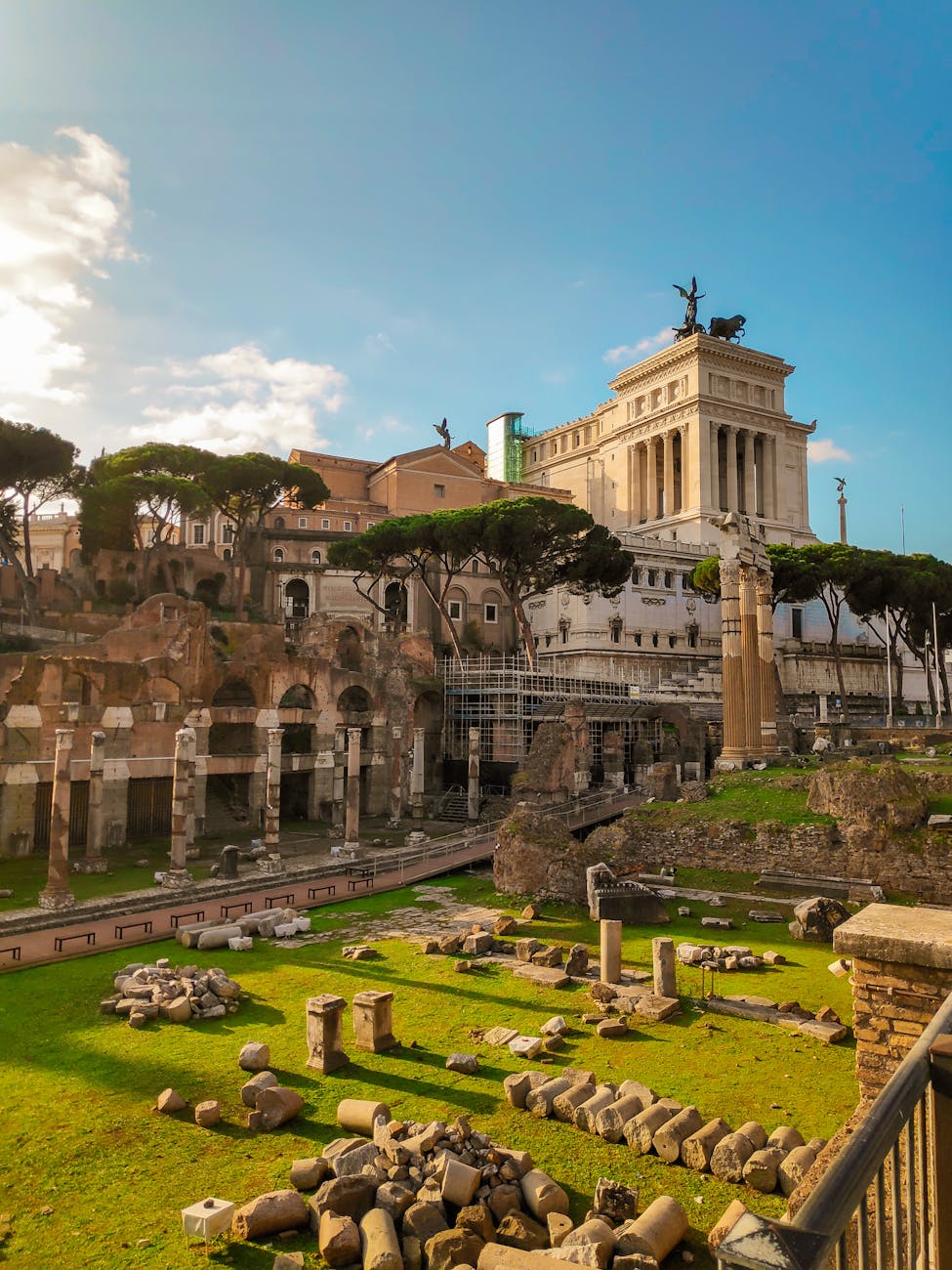
21 aprile, Natale di Roma: il fenomeno del Pantheon che illumina la nascita dell’Impero
Il 21 aprile segna, secondo la tradizione, la fondazione di Roma, una delle città più influenti della storia occidentale. A stabilire questa data fu Marco Terenzio Varrone, che nel I secolo a.C. indicò il 753 a.C. come anno di nascita dell’Urbe.
I suoi calcoli si basavano sugli studi dell’astrologo Lucio Taruzio, intrecciando così osservazioni astronomiche e tradizione mitologica.
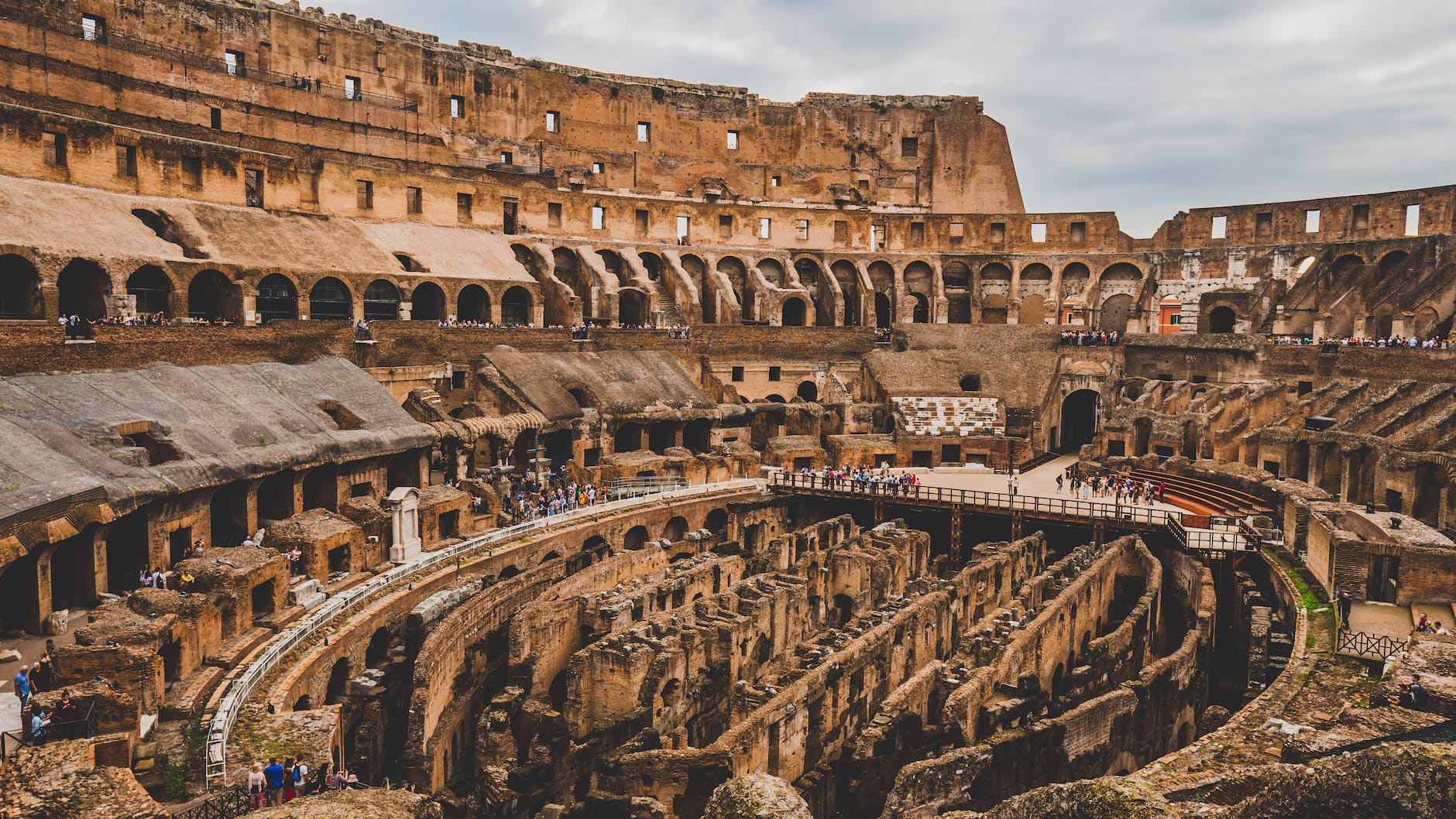
Secondo il racconto, fu Romolo a tracciare il primo solco sul Colle Palatino, segnando simbolicamente la nascita della città.
Un gesto carico di significato, che ancora oggi rappresenta uno dei momenti più evocativi della storia romana.
Le celebrazioni nell’antica Roma e la propaganda imperiale
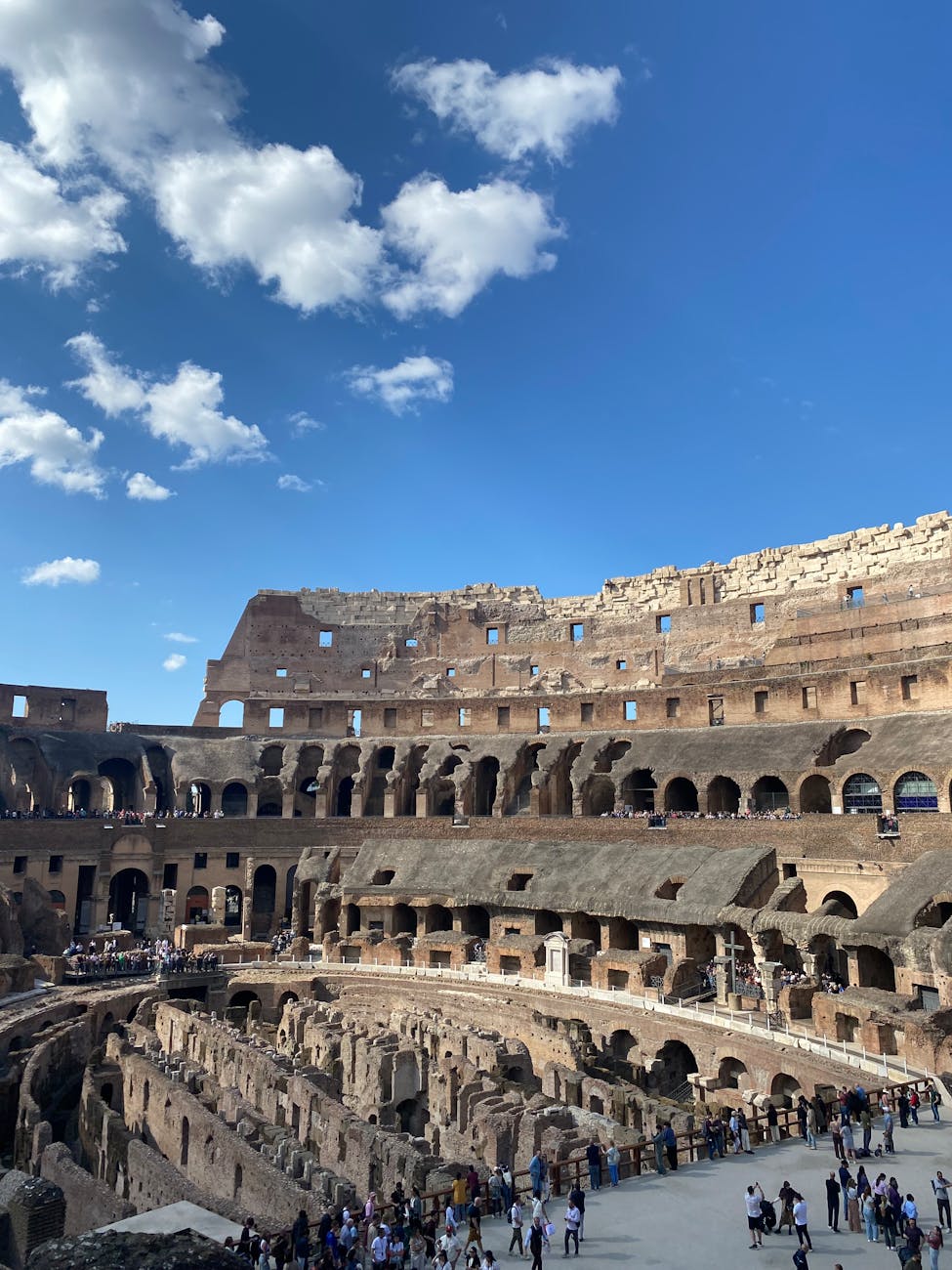
Già in epoca antica, il Natale di Roma era celebrato con grande solennità. Il poeta Ovidio raccontò nei suoi scritti le cerimonie e i rituali dedicati alla fondazione della città, testimonianza di quanto questa ricorrenza fosse sentita dal popolo romano.
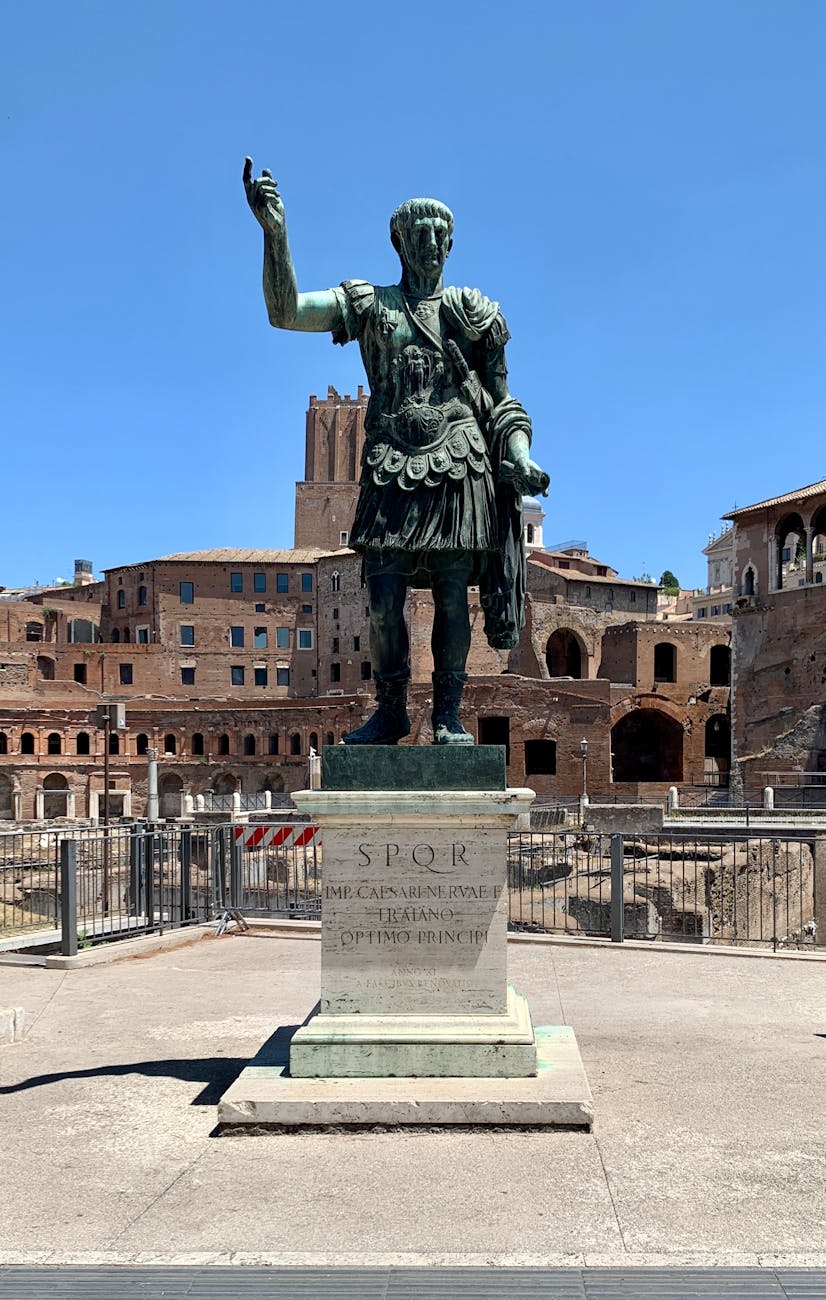
Nel 47 d.C., l’imperatore Claudio organizzò una celebrazione straordinaria per gli 800 anni di Roma. L’evento, oltre a essere un momento di festa, rappresentava anche un potente strumento politico, volto a rafforzare l’identità dell’Impero e il legame tra passato glorioso e presente.
Il Pantheon e il mistero della luce del 21 aprile
Tra gli elementi più affascinanti legati al Natale di Roma spicca il fenomeno che si verifica nel Pantheon.
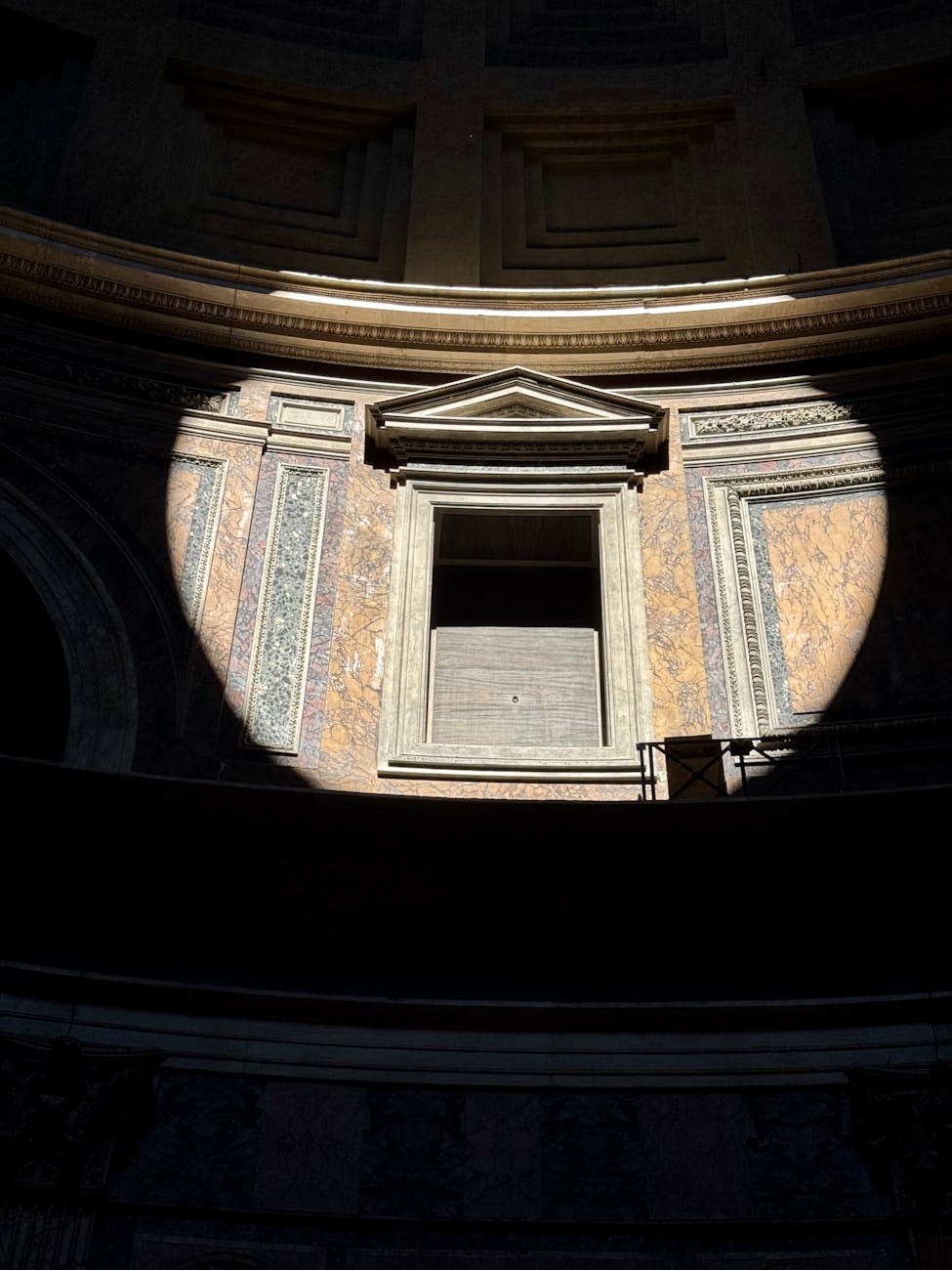
A mezzogiorno del 21 aprile, un raggio di sole attraversa l’oculo della cupola e illumina perfettamente l’ingresso principale.
Questo effetto non è casuale, ma il risultato di un preciso progetto architettonico e simbolico. Il Pantheon, voluto da Marco Vipsanio Agrippa nel 27 a.C. e ricostruito in epoca successiva, era concepito come uno spazio in cui il cosmo dialogava con il potere terreno.
In passato, quella porta era riservata all’ingresso dell’imperatore. Il raggio di luce che la colpiva proprio il giorno della fondazione di Roma assumeva quindi un valore simbolico fortissimo, quasi a sancire una legittimazione divina del potere imperiale.
Il Natale di Roma oggi tra eventi e tradizione
Ancora oggi, il 21 aprile rappresenta una data fondamentale per Roma. La città si anima con rievocazioni storiche, spettacoli e manifestazioni culturali che attirano visitatori da tutto il mondo.
Il Natale di Roma è anche un’occasione per riscoprire l’identità profonda della città eterna.
Per il momento il sempre vostro Michelangelo Buonarroti vi saluta dandovi appuntamento ai prossimi post e sui social.
April 21, the Birth of Rome: The Phenomenon of the Pantheon Illuminates the Birth of the Empire
April 21st marks, according to tradition, the founding of Rome, one of the most influential cities in Western history. This date was established by Marcus Terentius Varro, who in the 1st century BC indicated 753 BC as the year of the city’s birth.
His calculations were based on the studies of the astrologer Lucius Tarutius, thus intertwining astronomical observations and mythological tradition.
According to the story, it was Romulus who drew the first furrow on the Palatine Hill, symbolically marking the birth of the city. A gesture charged with meaning, which still today represents one of the most evocative moments in Roman history.
Celebrations in Ancient Rome and Imperial Propaganda
Even in ancient times, the Birth of Rome was celebrated with great solemnity. The poet Ovid recounted in his writings the ceremonies and rituals dedicated to the city’s founding, a testament to the Roman people’s deep appreciation for this anniversary.
In 47 AD, Emperor Claudius organized an extraordinary celebration for Rome’s 800th anniversary. The event, beyond being a moment of celebration, also served as a powerful political tool, aimed at strengthening the Empire’s identity and the bond between its glorious past and present.
The Pantheon and the Mystery of the Light of April 21
Among the most fascinating elements linked to the birth of Rome is the phenomenon that occurs in the Pantheon.
At noon on April 21, a ray of sunlight passes through the oculus of the dome and perfectly illuminates the main entrance.
This effect is not accidental, but the result of a precise architectural and symbolic design. The Pantheon, commissioned by Marcus Vipsanius Agrippa in 27 BC and rebuilt later, was conceived as a space in which the cosmos dialogued with earthly power.
In the past, that gate was reserved for the emperor’s entrance. The ray of light that struck it on the very day of Rome’s founding thus took on a powerful symbolic value, almost as if to sanction the divine legitimacy of imperial power.
The Birth of Rome Today: Events and Traditions
Even today, April 21st represents a key date for Rome. The city comes alive with historical reenactments, performances, and cultural events that attract visitors from around the world.
The Birth of Rome is also an opportunity to rediscover the eternal city’s profound identity.
For now, yours truly, Michelangelo Buonarroti bids you farewell and invites you to join him in future posts and on social media.

Sostienici – Support Us
Se questo blog ti piace e ti appassiona, puoi aiutarci a farlo crescere sempre più sostenendoci in modo concreto condividendo i post, seguendo le pagine social e con un contributo che ci aiuta ad andare avanti con il nostro lavoro di divulgazione. . ENGLISH: If you like and are passionate about this blog, you can help us make it grow more and more by supporting us in a concrete way by sharing posts, following social pages and with a contribution that helps us to move forward with our dissemination work.
10,00 €
Articoli
Condividi:


Questo sono io




sostienici

Sostienici – Support Us
Se questo blog ti piace e ti appassiona, puoi aiutarci a farlo crescere sempre più sostenendoci in modo concreto condividendo i post, seguendo le pagine social e con un contributo che ci aiuta ad andare avanti con il nostro lavoro di divulgazione. . ENGLISH: If you like and are passionate about this blog, you can help us make it grow more and more by supporting us in a concrete way by sharing posts, following social pages and with a contribution that helps us to move forward with our dissemination work.
€10,00


Auguri roma
"Mi piace""Mi piace"
Bellissimo questo tuo post, hai fatto bene a parlarne, una cosa pensavo riguardo il raggio di luce che penetra nel Pantheon, per la rotazione della terra in teoria anche attorno al 22 agosto ci dovrebbe essere lo stesso effetto di luce, in quanto la luce del giorno e la radianza solare dovrebbe essere quella di oggi. 👌👍👏👏👏
"Mi piace"Piace a 1 persona
ecco, quello non lo sapevo, grazie
"Mi piace"Piace a 1 persona