

Giona: la fine è già scritta nell’inizio
Chissà se vi siete mai chiesti perché ho voluto Giona in una posizione tanto dominante, proprio alle spalle dell’officiante.
Il primo sguardo entrando in Cappella Sistina
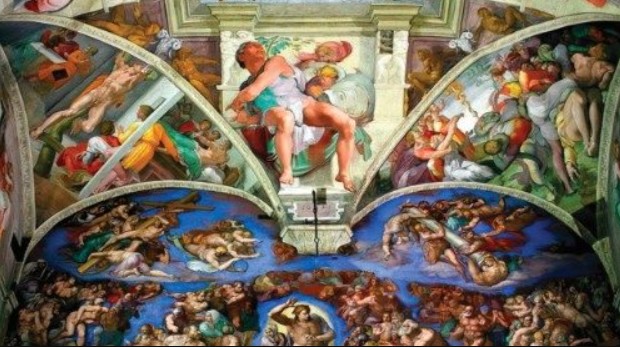
Quando varcate la soglia della Cappella Sistina, il primo profeta che incontrate con lo sguardo è Giona. Non è un caso. L’ho collocato sopra quel Cristo Giudice che avrei dipinto molti anni dopo, quasi a preparare l’occhio e lo spirito a ciò che sarebbe venuto. Giona è sempre stato considerato uno dei profeti minore ma per me è sempre stato il contrario: nella sua storia è già scritto il destino di Cristo.
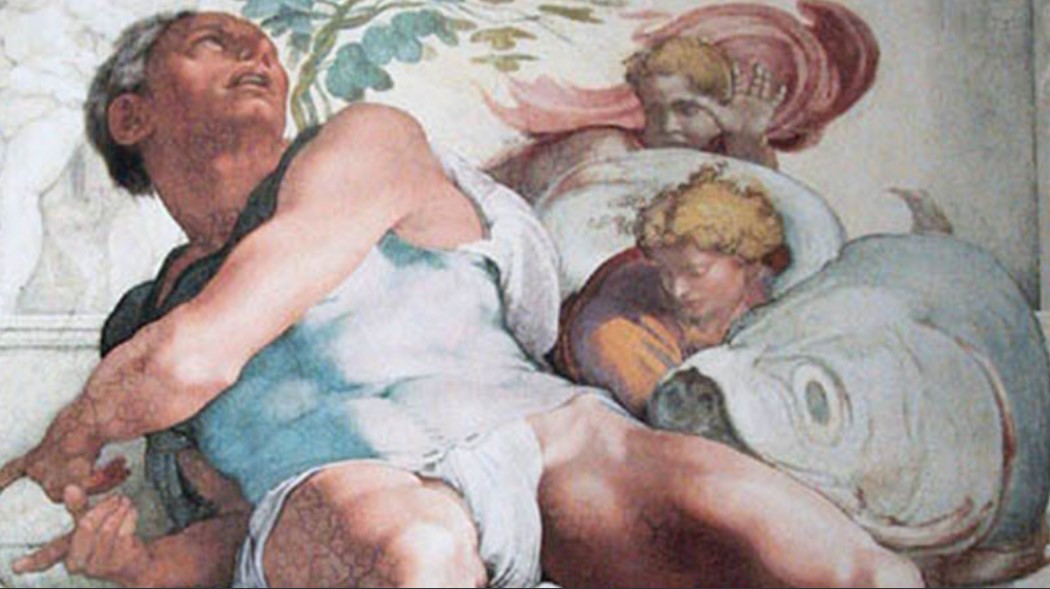

Giona, il profeta che anticipa la Resurrezione
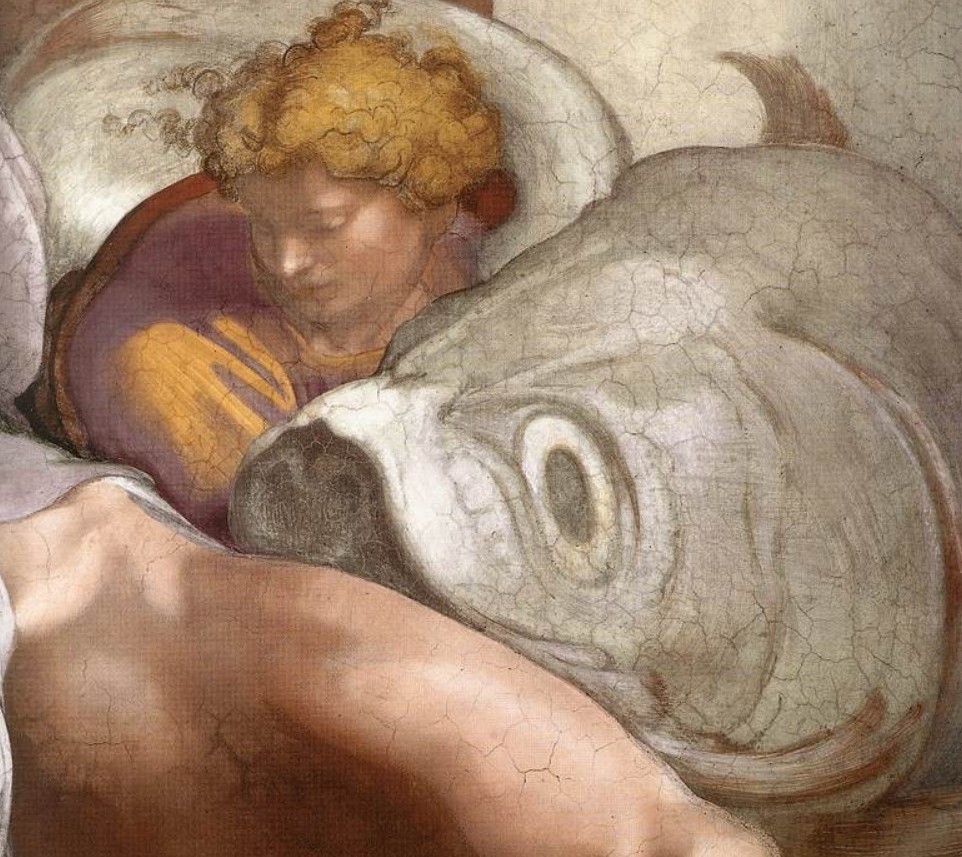
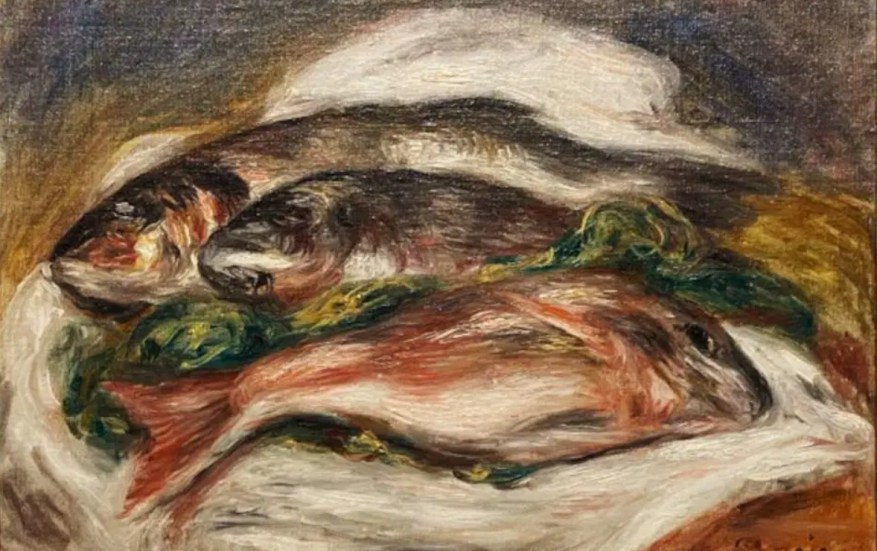
Dio affidò a Giona un compito gravoso: recarsi a Ninive e avvertire gli abitanti che, senza conversione, la città sarebbe stata distrutta. Giona disobbedì. In fuga, su una nave, venne gettato in mare e inghiottito da un grande pesce. Dopo tre giorni nelle viscere dell’animale, il suo pentimento fu tale che Dio lo perdonò e lo fece tornare alla luce.
Quei tre giorni non sono solo un racconto antico. Sono una profezia vivente della Resurrezione di Cristo, così come ricorda il Vangelo di Matteo: “Come infatti Giona rimase tre giorni e tre notti nel ventre del pesce, così il Figlio dell’uomo resterà tre giorni e tre notti nel cuore della terra”. Ecco perché a Giona riservai un posto d’onore.
Una profezia senza pergamene
Osservatelo bene. Giona non stringe libri, non legge rotoli di pergamena. Non ne ha bisogno. È la sua stessa vita a essere profezia. La sua sapienza non nasce dallo studio, ma dall’esperienza diretta di Dio. Per questo è l’unico tra i veggenti della volta a non consultare testi sacri: tutto in lui parla di rivelazione vissuta, non scritta.
Una posa che parla di destino e sacrificio
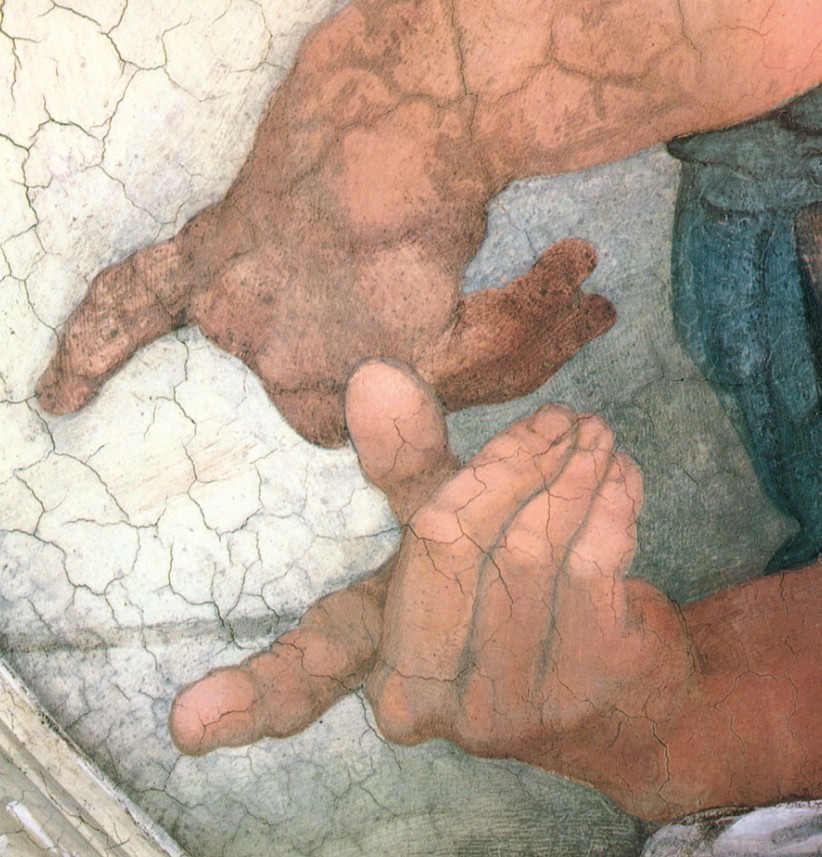
La sua figura è dinamica, potente, quasi inquieta. Qualcuno ha letto nella sua postura un senso di risentimento per la punizione ricevuta. Io vi dico che quelle braccia, quel corpo piegato all’indietro, indicano molto di più. Con il gesto delle mani Giona rimanda alla crocifissione di Aman, e anche questo non è casuale: è un richiamo diretto alla sorte del Dio fattosi uomo.
L’illusione delle dimensioni e la forza dell’arte
Giona è una delle ultime figure che affrescai sulla volta. Impiegai dieci giornate per portarlo a compimento. È più grande degli altri profeti, anche se entrando in Cappella non ve ne accorgerete subito. Ho volutamente ingrandito la sua figura per correggere la distanza prospettica e creare un’illusione di uniformità. Da lontano appare uguale agli altri, ma in realtà domina lo spazio.
Questa scelta non fu solo tecnica, ma anche simbolica. Giona doveva imporsi allo sguardo senza gridare, essere centrale senza spezzare l’armonia.
Il giudizio di Vasari e l’asse con il Cristo Giudice
Giorgio Vasari comprese bene la forza di questa figura. Scrisse che nessuno può non restare smarrito davanti alla “terribilità dell’Iona”, capace di vincere la curvatura naturale della volta e farla apparire diritta grazie al disegno, alle ombre e ai lumi. Giona si piega all’indietro, eppure domina lo spazio. È sull’asse stesso del Cristo Giudice, come se l’uno annunciasse l’altro attraverso il tempo.
Tenete conto che quando affrescai Giona non avevo idea che anni dopo un altro pontefice m’avrebbe commissionato la grande opera al di sotto del profeta: il Giudizio Universale.
Nulla fu dipinto senza un significato ben preciso
Quando alzerete gli occhi verso la volta della Cappella Sistina, guardate Giona con attenzione. Nulla di ciò che affrescai nacque per caso. Ogni posa, ogni dimensione, ogni collocazione porta con sé un senso preciso. In Giona ho voluto racchiudere l’attesa della Resurrezione, il legame tra Antico e Nuovo Testamento, la prova che l’arte può rendere visibile il mistero.

Dieci giornate mi servirono per iniziarlo e finirlo. Dieci, come un tempo compiuto. E ancora oggi, se lo osservate dal basso, è lui che vi guarda per primo, come a dirvi che la fine è già scritta nell’inizio.
Per il momento il sempre vostro Michelangelo Buonarroti vi saluta dandovi appuntamento ai prossimi post e sui social.
Jonah: the end is already written in the beginning
I wonder if you’ve ever wondered why I wanted Jonah in such a dominant position, right behind the celebrant.
The first glance upon entering the Sistine Chapel
When you cross the threshold of the Sistine Chapel, the first prophet you see is Jonah. It’s no coincidence. I placed him above that Christ the Judge that I would paint many years later, as if to prepare the eye and spirit for what was to come. Jonah has always been considered a minor prophet, but for me he’s always been the opposite: Christ’s destiny is already written in his story.
Jonah, the prophet who anticipates the Resurrection
God entrusted Jonah with a difficult task: to go to Nineveh and warn its inhabitants that, without conversion, the city would be destroyed. Jonah disobeyed. While fleeing on a ship, he was thrown into the sea and swallowed by a great fish. After three days in the animal’s entrails, his repentance was such that God forgave him and brought him back to the light.
Those three days are not just an ancient tale. They are a living prophecy of Christ’s Resurrection, as the Gospel of Matthew recalls: “For as Jonah was three days and three nights in the belly of the great whale, so shall the Son of Man be three days and three nights in the heart of the earth.” This is why I reserved a place of honor for Jonah.
A prophecy without scrolls
Look at him carefully. Jonah does not hold books, he does not read scrolls. He has no need. His very life is prophecy. His wisdom is born not from study, but from direct experience of God. This is why he is the only one of the seers in the vault not to consult sacred texts: everything about him speaks of lived, not written, revelation.
A pose that speaks of destiny and sacrifice
His figure is dynamic, powerful, almost restless. Some have read his posture as resentment for the punishment he received. I tell you, those arms, that body bent backward, indicate much more. With the gesture of his hands, Jonah refers to the crucifixion of Haman, and this too is no coincidence: it is a direct reference to the fate of God made man.
The illusion of size and the power of art
Jonah is one of the last figures I frescoed on the vault. It took me ten days to complete it. He is larger than the other prophets, although you won’t immediately notice it upon entering the chapel. I deliberately enlarged his figure to correct the perspective distance and create an illusion of uniformity. From a distance, he appears the same as the others, but in reality he dominates the space.
This choice was not only technical, but also symbolic. Jonah had to command the gaze without shouting, to be central without disrupting the harmony.
Vasari’s Judgment and the Axis with Christ the Judge
Giorgio Vasari understood the power of this figure well. He wrote that no one can fail to be astonished by the “terribleness of Jonah,” capable of overcoming the natural curvature of the vault and making it appear straight through design, shadows, and light. Jonah leans backward, yet dominates the space. He is on the very axis of Christ the Judge, as if one were announcing the other across time.
Remember that when I frescoed Jonah, I had no idea that years later another pontiff would commission me to paint the great work beneath the prophet: the Last Judgment.
Nothing was painted without a precise meaning.
When you raise your eyes to the vault of the Sistine Chapel, look carefully at Jonah. Nothing I frescoed was created by chance. Every pose, every dimension, every placement carries with it a precise meaning. In Jonah, I wanted to encapsulate the expectation of the Resurrection, the connection between the Old and New Testaments, and proof that art can make mystery visible.
It took me ten days to begin and finish it. Ten, like a fulfilled time. And even today, if you observe him from below, he is the one who looks at you first, as if to tell you that the end is already written in the beginning.
For now, yours truly, Michelangelo Buonarroti bids you farewell, saying he’ll see you in future posts and on social media.

Sostienici – Support Us
Se questo blog ti piace e ti appassiona, puoi aiutarci a farlo crescere sempre più sostenendoci in modo concreto condividendo i post, seguendo le pagine social e con un contributo che ci aiuta ad andare avanti con il nostro lavoro di divulgazione. . ENGLISH: If you like and are passionate about this blog, you can help us make it grow more and more by supporting us in a concrete way by sharing posts, following social pages and with a contribution that helps us to move forward with our dissemination work.
10,00 €
Condividi:


Questo sono io





sostienici

Sostienici – Support Us
Se questo blog ti piace e ti appassiona, puoi aiutarci a farlo crescere sempre più sostenendoci in modo concreto condividendo i post, seguendo le pagine social e con un contributo che ci aiuta ad andare avanti con il nostro lavoro di divulgazione. . ENGLISH: If you like and are passionate about this blog, you can help us make it grow more and more by supporting us in a concrete way by sharing posts, following social pages and with a contribution that helps us to move forward with our dissemination work.
€10,00


1 commento »