
11 gennaio 1494: muore Domenico Ghirlandaio, l’artista che mi insegnò a dipingere
L’11 gennaio 1494 Firenze perde uno dei suoi artisti più rappresentativi: Domenico Ghirlandaio, maestro dell’affresco, interprete lucidissimo della società rinascimentale nonché colui che mi insegnò a disegnare e dipingere.
La sua morte, avvenuta quando aveva appena quarantacinque anni, chiude una carriera intensa ma lascia un’eredità decisiva per la storia dell’arte italiana ed europea.
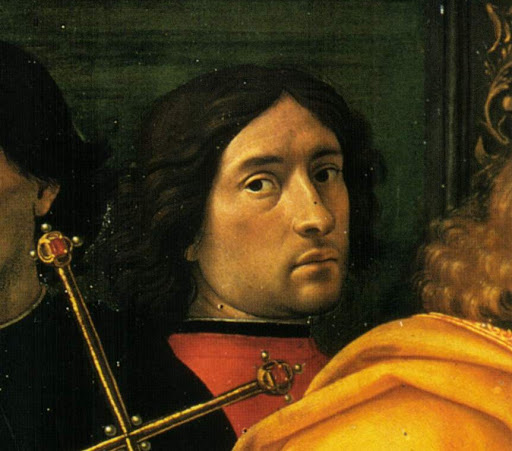
Ghirlandaio è l’artista che ha trasformato la pittura sacra in un racconto vivido del suo tempo, portando sulle pareti delle chiese la Firenze reale, fatta di volti riconoscibili, abiti alla moda e gesti quotidiani.

Dalle botteghe fiorentine alla grande pittura monumentale
Domenico di Tommaso Bigordi nasce a Firenze nel 1448. Il soprannome “Ghirlandaio” deriva dal lavoro del padre, orafo specializzato nella realizzazione di ghirlande ornamentali per le acconciature femminili dell’alta società.
Questo dettaglio, apparentemente secondario, anticipa uno degli aspetti centrali della sua pittura: l’attenzione per l’eleganza, il costume e l’identità sociale dei personaggi.
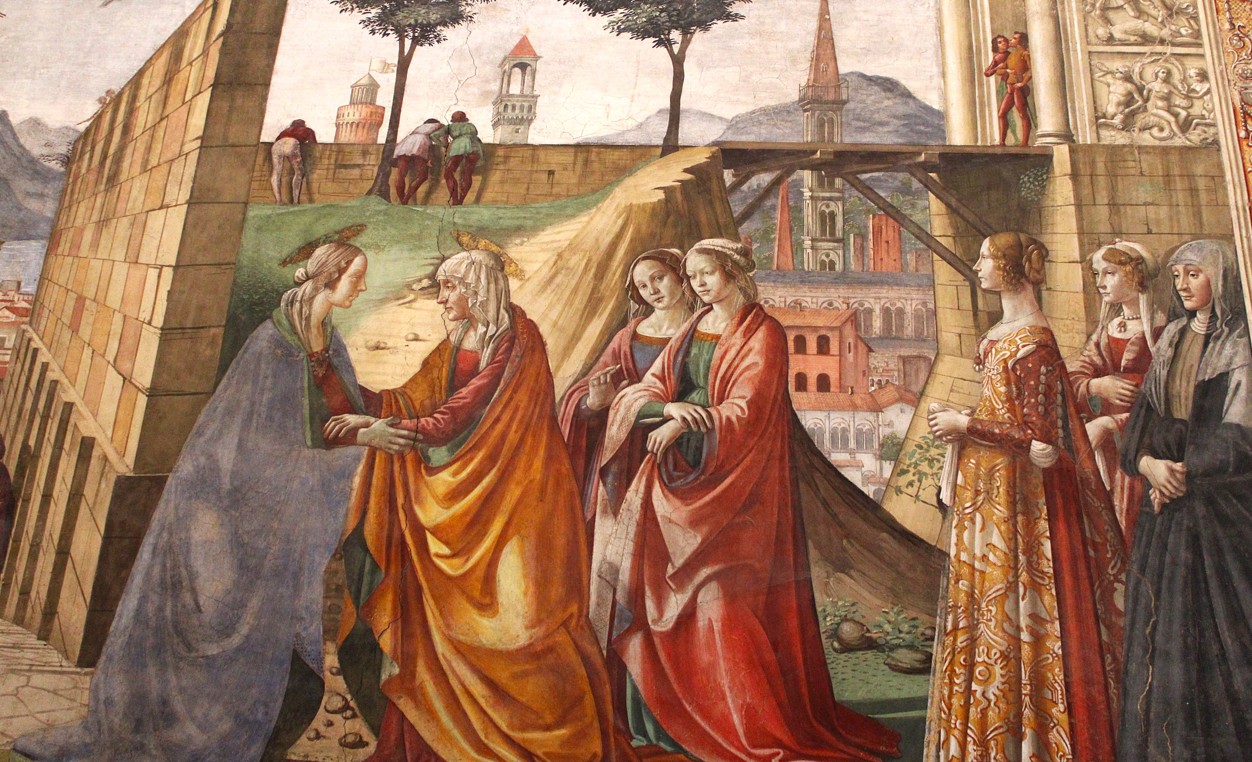
Formatosi probabilmente nella cerchia di Alesso Baldovinetti, Ghirlandaio sviluppa presto uno stile solido e riconoscibile. Le sue composizioni sono ampie, ordinate, costruite con una prospettiva rigorosa e pensate per essere lette con immediatezza anche da lontano.
È una pittura narrativa, chiara, accessibile, perfetta per i grandi cicli ad affresco che decorano le chiese fiorentine e che rispondono alle esigenze di una committenza colta ma profondamente legata al valore pubblico dell’arte.
Il cronista visivo della Firenze del Rinascimento
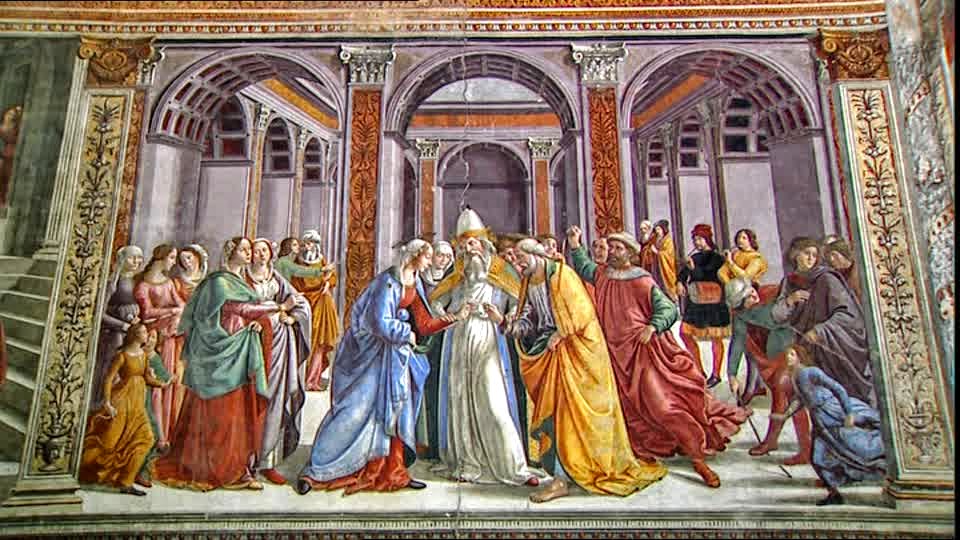
Il vero tratto distintivo di Ghirlandaio è la sua capacità di fondere il sacro con il presente. Nei suoi affreschi, santi e protagonisti biblici convivono con mercanti, nobildonne, banchieri e intellettuali del Quattrocento fiorentino.

Le scene religiose diventano così uno specchio della città, una sorta di grande affresco collettivo in cui la Firenze rinascimentale si riconosce e si autorappresenta.
Questo approccio raggiunge il suo vertice nella Cappella Tornabuoni in Santa Maria Novella, realizzata tra il 1485 e il 1490. Qui Ghirlandaio racconta le storie della Vergine e di San Giovanni Battista con una ricchezza narrativa straordinaria, popolando le scene di ritratti realistici e di ambienti ispirati all’architettura contemporanea. Non è solo pittura devozionale: è memoria storica, documento sociale, celebrazione del prestigio delle grandi famiglie fiorentine.
L’incontro con me
Tra le mura della bottega di Ghirlandaio ebbi modo di muovere i miei primi passi come pittore. Entrai da lui in via ufficiale il primo giorno d’aprile del 1488, a 13 anni compiuti da un mesetto ma secondo un documento conservato fino ai vostri tempi, in realtà già frequentavo quell’ambiente perlomeno nove mesi prima
Fu un periodo fondamentale quello per la mia formazione artistica e appresi l’arte dell’affresco che poi si rivelò necessaria quando papa Giulio II della Rovere mi commissionò la decorazione della volta della Cappella Sistina.
Roma, la Sistina e il riconoscimento ufficiale
Nel 1481 Ghirlandaio viene chiamato a Roma da papa Sisto IV della Rovere per lavorare alla decorazione della Cappella Sistina, insieme ad alcuni dei maggiori artisti del tempo. La storia è lunga e complessa. Non venne semplicemente chiamato ma fu inviato da Lorenzo il Magnifico a seguito della scomunica che gli era stata imposta dal pontefice. Ve ne ho parlato nel dettaglio QUA.
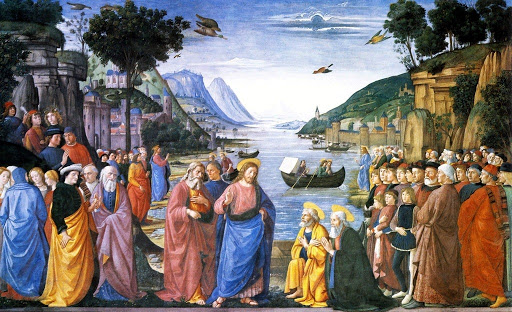
L’affresco del Ghirlandaio con la Vocazione dei primi apostoli nel secondo registro della Cappella Sistina, si distingue per equilibrio compositivo e chiarezza narrativa, confermando la sua reputazione di pittore affidabile, colto e capace di gestire imprese monumentali.
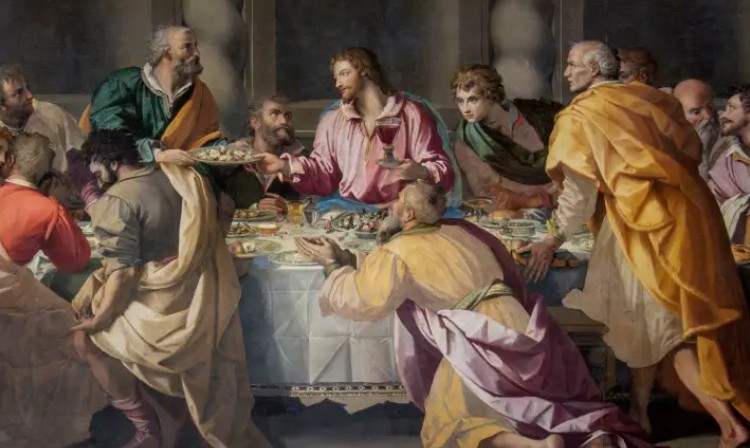
Anche in opere come l’Ultima Cena di Ognissanti a Firenze emerge la sua cifra stilistica: una sacralità misurata, inserita in spazi luminosi e ordinati, dove il dramma non è urlato ma raccontato con sobria intensità.
Il ritratto e l’umanità dei volti
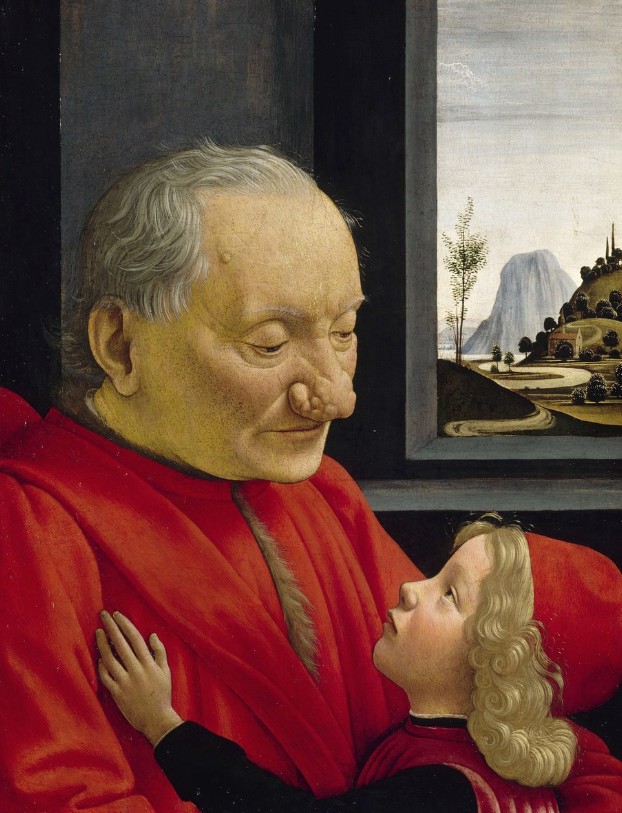
Accanto ai grandi cicli ad affresco, Ghirlandaio lascia alcuni dei ritratti più intensi del Quattrocento. Il celebre Ritratto di vecchio con nipote colpisce ancora oggi per la verità emotiva dei volti e per la tenerezza del gesto, lontana da qualsiasi idealizzazione. È un’immagine che parla di affetti, di tempo che passa, di umanità condivisa, anticipando una sensibilità moderna.
La morte prematura
Domenico Ghirlandaio muore l’11 gennaio 1494, probabilmente a causa di una febbre improvvisa. La sua scomparsa interrompe una carriera ancora in piena maturità, ma non cancella l’impatto profondo della sua opera.
Per il momento il sempre vostro Michelangelo Buonarroti vi saluta dandovi appuntamento ai prossimi post e sui social.
January 11, 1494: Domenico Ghirlandaio, the artist who taught me to paint, dies
On January 11, 1494, Florence lost one of its most iconic artists: Domenico Ghirlandaio, master of fresco painting, a brilliant interpreter of Renaissance society, and the man who taught me to draw and paint.
His death, when he was just forty-five, ended an intense career but left a crucial legacy for the history of Italian and European art.
Ghirlandaio is the artist who transformed sacred painting into a vivid narrative of his time, bringing the real Florence, made up of recognizable faces, fashionable clothing, and everyday gestures, to the walls of churches.
From Florentine workshops to great monumental painting
Domenico di Tommaso Bigordi was born in Florence in 1448. The nickname “Ghirlandaio” derives from his father’s work, a goldsmith specializing in the creation of ornamental garlands for the headdresses of high-society women.
This seemingly minor detail anticipates one of the central aspects of his painting: attention to the elegance, costume, and social identity of his subjects.
Probably trained in the circle of Alesso Baldovinetti, Ghirlandaio quickly developed a solid and recognizable style. His compositions are large, orderly, constructed with rigorous perspective and designed to be read immediately even from a distance. His painting is narrative, clear, and accessible, perfect for the large fresco cycles that decorate Florentine churches and which meet the needs of a cultured clientele deeply attached to the public value of art.
The Visual Chronicler of Renaissance Florence
Ghirlandaio’s true hallmark is his ability to blend the sacred with the present. In his frescoes, saints and biblical figures coexist with merchants, noblewomen, bankers, and intellectuals of fifteenth-century Florence.
The religious scenes thus become a mirror of the city, a sort of large collective fresco in which Renaissance Florence recognizes and represents itself.
This approach reaches its pinnacle in the Tornabuoni Chapel in Santa Maria Novella, created between 1485 and 1490. Here, Ghirlandaio tells the stories of the Virgin and Saint John the Baptist with extraordinary narrative richness, populating the scenes with realistic portraits and settings inspired by contemporary architecture. This is more than just devotional painting: it is historical memory, a social document, and a celebration of the prestige of the great Florentine families.
The Meeting with Me
Within the walls of Ghirlandaio’s workshop, I took my first steps as a painter. I officially entered his studio on April 1, 1488, when I had just turned 13, but according to a document preserved to this day, I had actually been frequenting that environment for at least nine months before.
It was a crucial period for my artistic development, and I learned the art of fresco painting, which later proved indispensable when Pope Julius II della Rovere commissioned me to decorate the Sistine Chapel ceiling.
Rome, the Sistine Chapel, and Official Recognition
In 1481, Ghirlandaio was summoned to Rome by Pope Sixtus IV della Rovere to work on the decoration of the Sistine Chapel, alongside some of the greatest artists of the time. The story is long and complex. He wasn’t simply summoned, but sent by Lorenzo the Magnificent following the excommunication imposed on him by the pontiff. I’ve written about it in detail HERE.
Ghirlandaio’s fresco of the Calling of the First Apostles in the second tier of the Sistine Chapel stands out for its compositional balance and narrative clarity, confirming his reputation as a reliable, cultured painter capable of mastering monumental undertakings.
His signature style also emerges in works such as the Last Supper at Ognissanti in Florence: a measured sacredness, set in bright and orderly spaces, where the drama is not overt but rather recounted with sober intensity.
Portrait and the Humanity of Faces
Alongside his great fresco cycles, Ghirlandaio left some of the most intense portraits of the fifteenth century. The famous Portrait of an Old Man with Grandson still strikes today for the emotional truthfulness of the faces and the tenderness of the gesture, far from any idealization. It is an image that speaks of affection, of the passing of time, of shared humanity, anticipating a modern sensibility.
Premature Death
Domenico Ghirlandaio died on January 11, 1494, likely from a sudden fever. His passing interrupts a career still in its prime, but it doesn’t erase the profound impact of his work.
For now, yours truly, Michelangelo Buonarroti, bids farewell and invites you to join him in future posts and on social media.

Sostienici – Support Us
Se questo blog ti piace e ti appassiona, puoi aiutarci a farlo crescere sempre più sostenendoci in modo concreto condividendo i post, seguendo le pagine social e con un contributo che ci aiuta ad andare avanti con il nostro lavoro di divulgazione. . ENGLISH: If you like and are passionate about this blog, you can help us make it grow more and more by supporting us in a concrete way by sharing posts, following social pages and with a contribution that helps us to move forward with our dissemination work.
10,00 €
Condividi:


Questo sono io





sostienici

Sostienici – Support Us
Se questo blog ti piace e ti appassiona, puoi aiutarci a farlo crescere sempre più sostenendoci in modo concreto condividendo i post, seguendo le pagine social e con un contributo che ci aiuta ad andare avanti con il nostro lavoro di divulgazione. . ENGLISH: If you like and are passionate about this blog, you can help us make it grow more and more by supporting us in a concrete way by sharing posts, following social pages and with a contribution that helps us to move forward with our dissemination work.
€10,00


