

8 gennaio 1337: muore Giotto, il genio che ha dato volto umano all’arte moderna
L’8 gennaio 1337 muore a Firenze Giotto di Bondone, il pittore che più di ogni altro segna la nascita della pittura moderna.
La sua figura rappresenta uno spartiacque decisivo tra il linguaggio medievale e una nuova visione del mondo, fondata sull’osservazione della realtà, delle emozioni e dello spazio. A distanza di secoli, Giotto continua a essere uno dei nomi più ricercati e raccontati della storia dell’arte, simbolo di una rivoluzione che ancora oggi parla al pubblico contemporaneo.

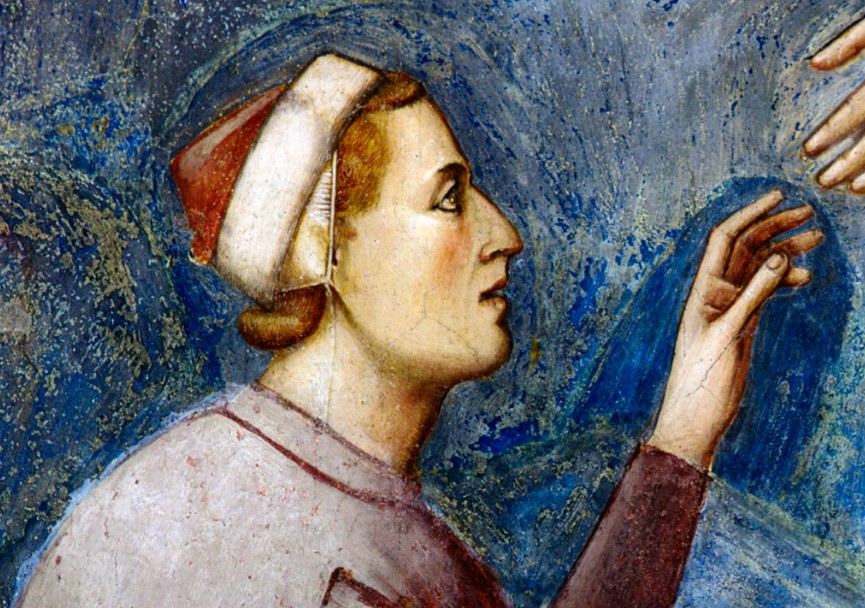
Le origini di Giotto e la fine dell’arte bizantina
Giotto nasce intorno al 1267 nel Mugello, in un contesto rurale che la tradizione trasforma in leggenda. L’incontro con Cimabue segna l’inizio della sua formazione, ma il giovane artista supera presto il maestro. Abbandona le figure astratte e immobili della tradizione bizantina per introdurre corpi solidi, volti espressivi e scene immerse in uno spazio credibile.
È qui che prende forma una nuova idea di pittura, più vicina all’esperienza umana che al simbolo puro.
La rivoluzione narrativa e il ritorno dell’uomo al centro
Il vero contributo di Giotto non è solo stilistico, ma narrativo. Le sue opere raccontano storie in modo chiaro e diretto, rendendo comprensibili i grandi temi religiosi anche a chi non sa leggere. I personaggi provano dolore, gioia, paura, compassione.
I gesti sono essenziali, le emozioni leggibili, il rapporto tra le figure costruisce il senso della scena. Con Giotto, la pittura diventa un linguaggio universale capace di coinvolgere lo spettatore.
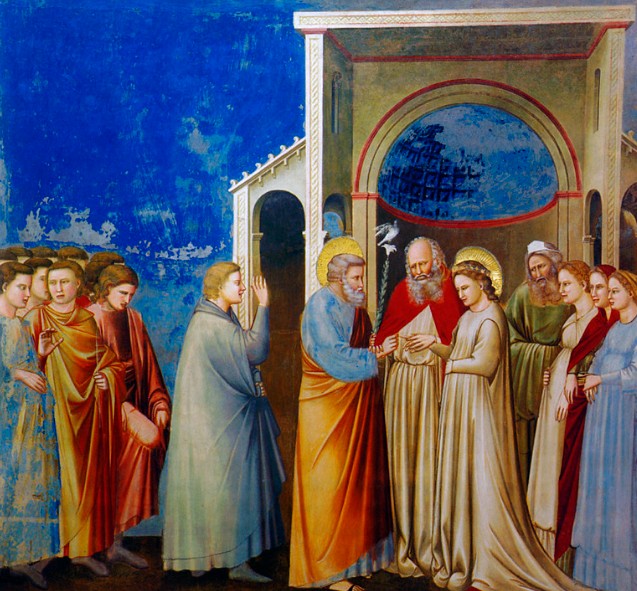
La Cappella degli Scrovegni, capolavoro assoluto
Tra le opere più celebri di Giotto spicca il ciclo di affreschi della Cappella degli Scrovegni a Padova, realizzato nei primi anni del Trecento.
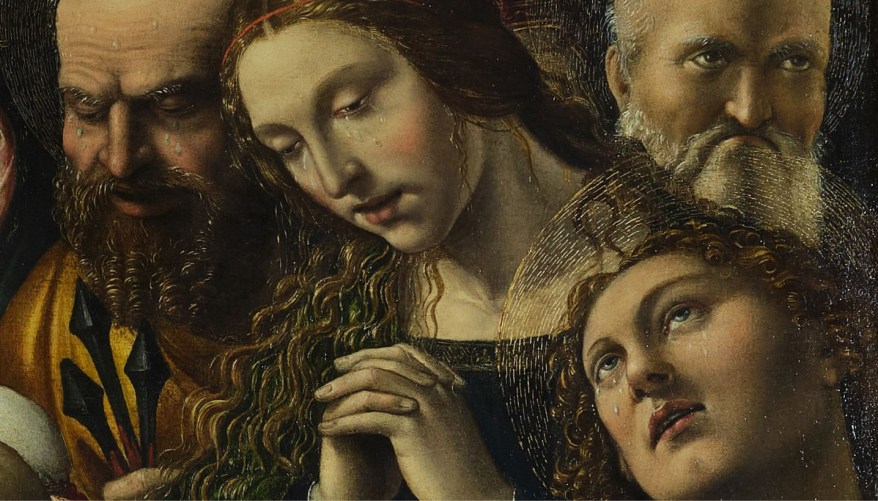
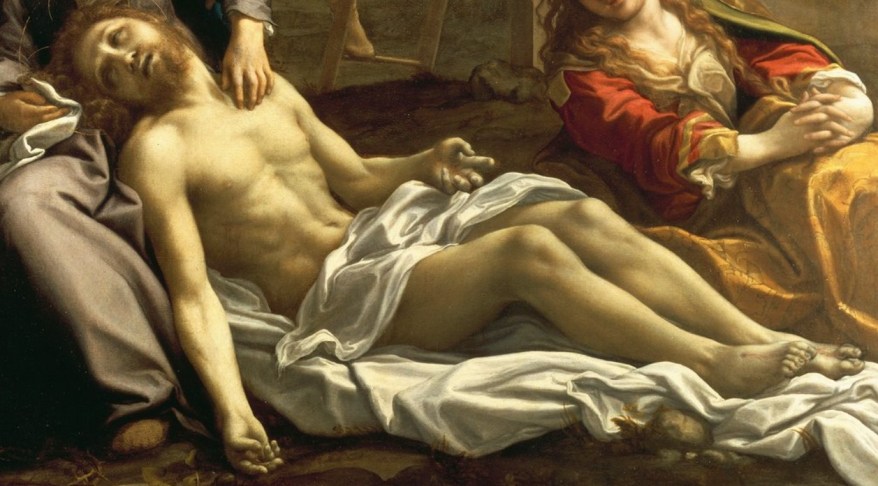
Qui l’artista raggiunge una sintesi perfetta tra spazio, colore e racconto. Scene come il Compianto sul Cristo morto colpiscono per l’intensità emotiva e la forza drammatica. Le figure occupano lo spazio con naturalezza, la luce modella i volumi e guida lo sguardo, anticipando le conquiste del Rinascimento.
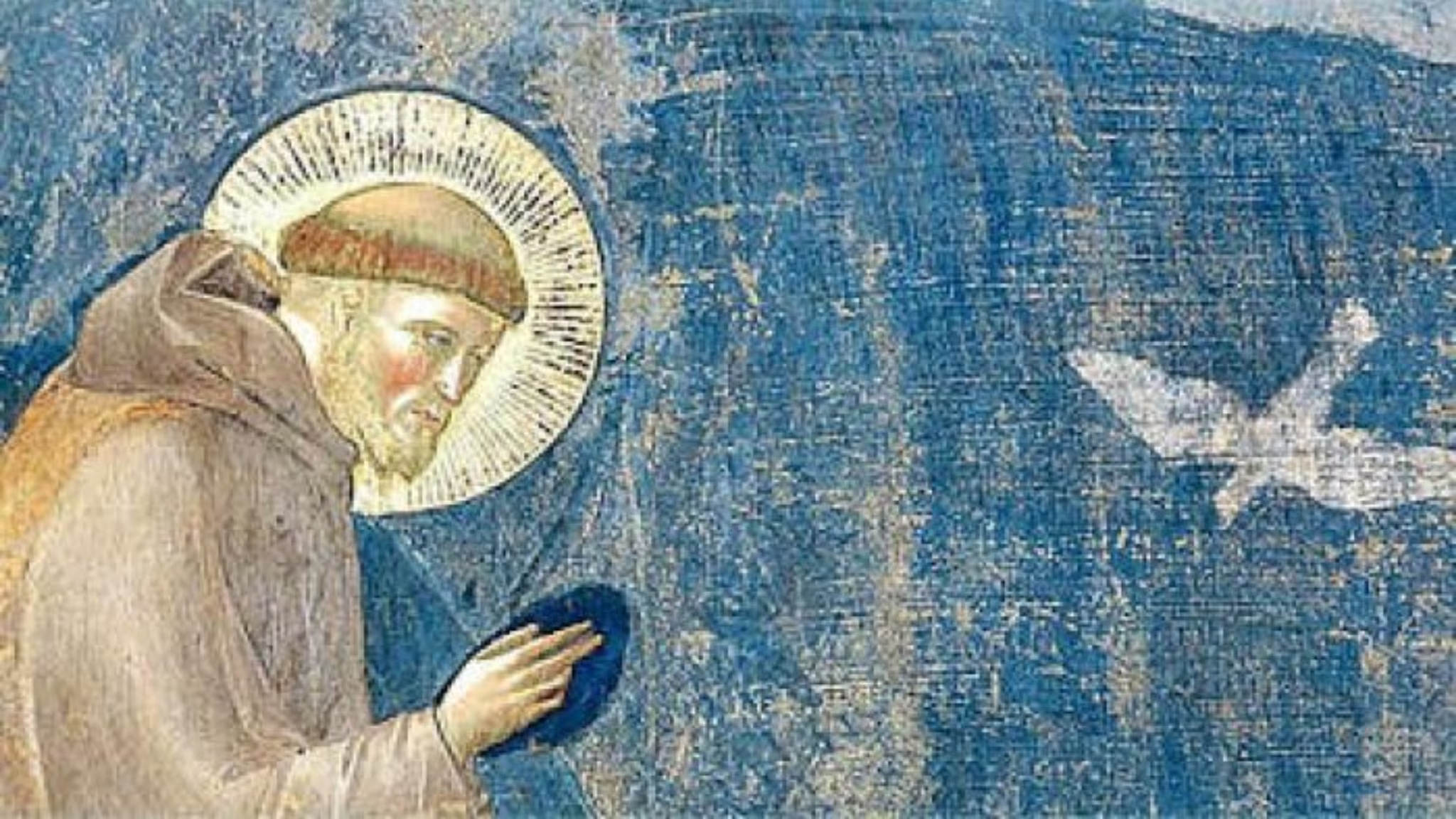
Giotto tra Assisi, Roma e Firenze
La carriera di Giotto si sviluppa in tutta l’Italia centrale, segno di una fama già enorme in vita. Ad Assisi partecipa alla decorazione della Basilica di San Francesco, contribuendo a una nuova rappresentazione del santo come uomo reale e vicino ai fedeli. A Roma lascia opere oggi in gran parte perdute, ma celebrate dalle fonti antiche. A Firenze diventa una figura di riferimento assoluto, non solo come pittore, ma come protagonista della vita culturale e civile della città.
Il Campanile di Giotto e il nuovo ruolo dell’artista
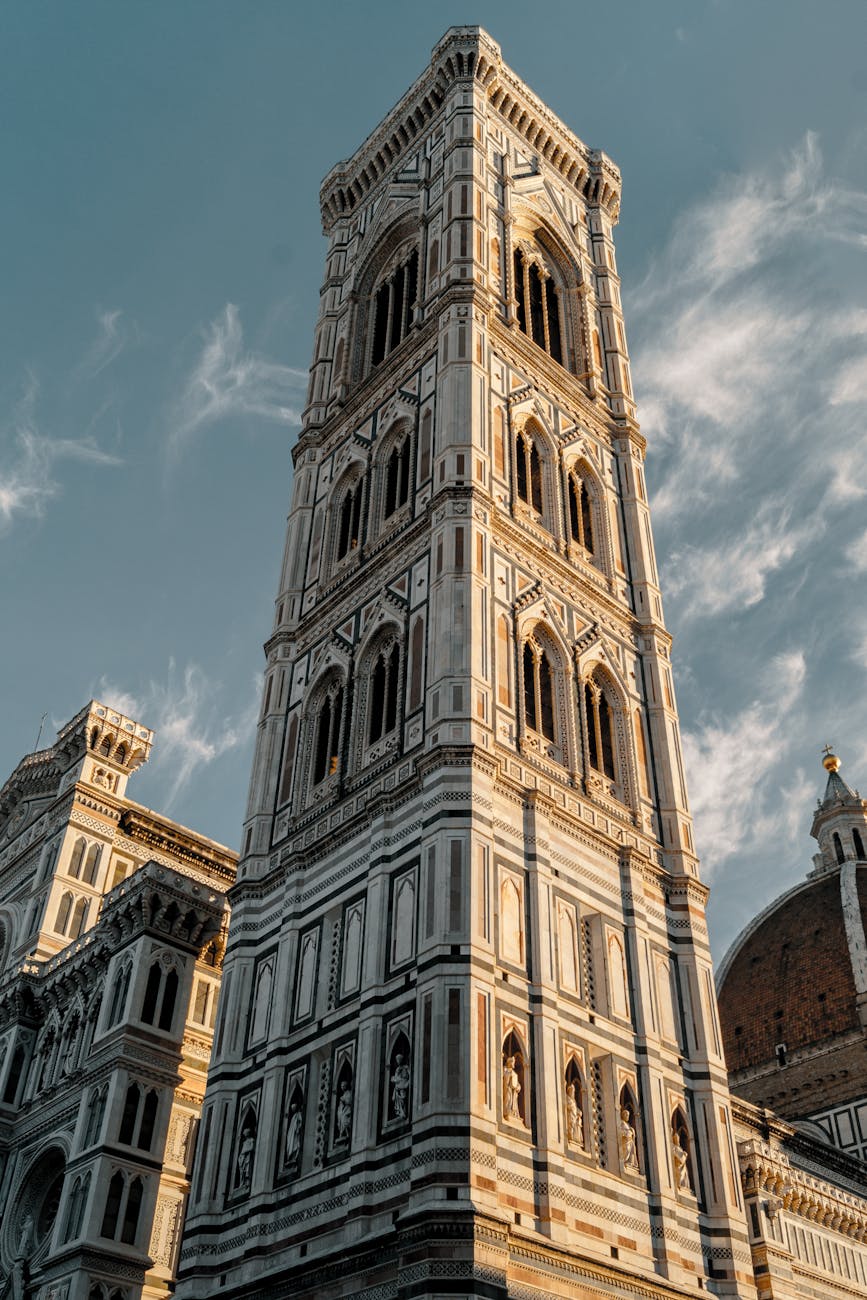
Negli ultimi anni della sua vita, Giotto viene nominato capomastro del Duomo di Firenze. Progetta il celebre campanile che ancora oggi porta il suo nome, simbolo del prestigio raggiunto.
Questo incarico sancisce il cambiamento del ruolo dell’artista nel Medioevo: Giotto oltre a essere divenuto un celebre artista fu un intellettuale riconosciuto, capace di unire arte, architettura e pensiero.
L’eredità di Giotto e la nascita della pittura moderna
L’influenza di Giotto è incalcolabile. Dante lo cita nella Divina Commedia come esempio di gloria terrena, e senza la sua lezione non si comprenderebbero artisti come Masaccio e successivamente l’intero Rinascimento. La sua innovazione sta nell’aver reso l’arte uno specchio dell’esperienza umana, aprendo la strada a una visione più realistica e profonda del mondo.
8 gennaio 1337: la fine di una vita, l’inizio di un’epoca
Giotto muore l’8 gennaio 1337 a Firenze e viene sepolto nella cattedrale di Santa Maria del Fiore, un onore riservato a pochissimi. La sua morte segna la fine di una vita straordinaria, ma non della sua rivoluzione.
Ogni volta che l’arte racconta l’uomo attraverso emozioni autentiche e spazi credibili, l’eredità di Giotto continua a vivere, ricordandoci l’origine stessa della pittura moderna.

Per il momento il sempre vostro Michelangelo Buonarroti vi saluta dandovi appuntamento ai prossimi post e sui social.

January 8, 1337: Giotto, the genius who humanized modern art, dies
On January 8, 1337, Giotto di Bondone, the painter who more than any other marked the birth of modern painting, died in Florence.
His figure represents a decisive watershed between medieval language and a new vision of the world, based on the observation of reality, emotion, and space. Centuries later, Giotto continues to be one of the most sought-after and revered names in the history of art, a symbol of a revolution that still resonates with contemporary audiences today.
Giotto’s Origins and the End of Byzantine Art
Giotto was born around 1267 in Mugello, in a rural setting transformed by tradition into legend. His encounter with Cimabue marked the beginning of his training, but the young artist soon surpassed his master. He abandoned the abstract and immobile figures of the Byzantine tradition to introduce solid bodies, expressive faces, and scenes immersed in believable space.
It is here that a new idea of painting takes shape, closer to human experience than pure symbolism.
The narrative revolution and the return of humanity to the center
Giotto’s true contribution is not only stylistic, but narrative. His works tell stories clearly and directly, making major religious themes understandable even to those who cannot read. The characters feel pain, joy, fear, and compassion.
The gestures are essential, the emotions are legible, and the relationships between the figures create the meaning of the scene. With Giotto, painting becomes a universal language capable of engaging the viewer.
The Scrovegni Chapel, an absolute masterpiece
Among Giotto’s most famous works is the fresco cycle in the Scrovegni Chapel in Padua, created in the early 14th century.
Here, the artist achieves a perfect synthesis of space, color, and narrative. Scenes such as the Lamentation over the Dead Christ are striking for their emotional intensity and dramatic force. The figures occupy the space naturally, the light shapes the volumes and guides the gaze, anticipating the achievements of the Renaissance.
Giotto between Assisi, Rome, and Florence
Giotto’s career developed throughout central Italy, a sign of his already enormous fame during his lifetime. In Assisi, he participated in the decoration of the Basilica of Saint Francis, contributing to a new portrayal of the saint as a real man, close to his followers. In Rome, he left behind works now largely lost, but celebrated in ancient sources. In Florence, he became an absolute figure of reference, not only as a painter, but as a protagonist in the city’s cultural and civic life.
Giotto’s Bell Tower and the New Role of the Artist
In the last years of his life, Giotto was appointed master builder of the Florence Cathedral. He designed the famous bell tower that still bears his name today, a symbol of his prestige.
This appointment marked a shift in the role of the artist in the Middle Ages: Giotto, in addition to becoming a celebrated artist, was also a recognized intellectual, capable of uniting art, architecture, and thought.
Giotto’s Legacy and the Birth of Modern Painting
Giotto’s influence is incalculable. Dante cites him in the Divine Comedy as an example of earthly glory, and without his teachings, artists like Masaccio and the entire Renaissance would be incomprehensible. His innovation lay in making art a mirror of human experience, paving the way for a more realistic and profound vision of the world.
January 8, 1337: The End of a Life, the Beginning of an Era
Giotto died on January 8, 1337, in Florence and was buried in the Cathedral of Santa Maria del Fiore, an honor reserved for very few. His death marks the end of an extraordinary life, but not of its revolution.
Whenever art narrates the story of man through authentic emotions and believable spaces, Giotto’s legacy lives on, reminding us of the very origins of modern painting.
For now, yours truly, Michelangelo Buonarroti, bids farewell and invites you to join him in future posts and on social media.

Sostienici – Support Us
Se questo blog ti piace e ti appassiona, puoi aiutarci a farlo crescere sempre più sostenendoci in modo concreto condividendo i post, seguendo le pagine social e con un contributo che ci aiuta ad andare avanti con il nostro lavoro di divulgazione. . ENGLISH: If you like and are passionate about this blog, you can help us make it grow more and more by supporting us in a concrete way by sharing posts, following social pages and with a contribution that helps us to move forward with our dissemination work.
10,00 €
Condividi:


Questo sono io





sostienici

Sostienici – Support Us
Se questo blog ti piace e ti appassiona, puoi aiutarci a farlo crescere sempre più sostenendoci in modo concreto condividendo i post, seguendo le pagine social e con un contributo che ci aiuta ad andare avanti con il nostro lavoro di divulgazione. . ENGLISH: If you like and are passionate about this blog, you can help us make it grow more and more by supporting us in a concrete way by sharing posts, following social pages and with a contribution that helps us to move forward with our dissemination work.
€10,00


