
Il Giardino di San Marco: Accademia d’Arte nel Cuore di Firenze
Il Giardino di San Marco era una delle diverse proprietà di Lorenzo de’ Medici. Aveva sbocco sull’omonima piazza fiorentina e, come scrisse il Condivi, era pieno di “varie statue antiche e de figure ornato”.
“Tutto pieno di anticaglie e di eccellenti cose molto adorno per bellezza, per studio e per piacere ragunate in quel luogo”, aggiunse il mio caro amico Giorgio Vasari.
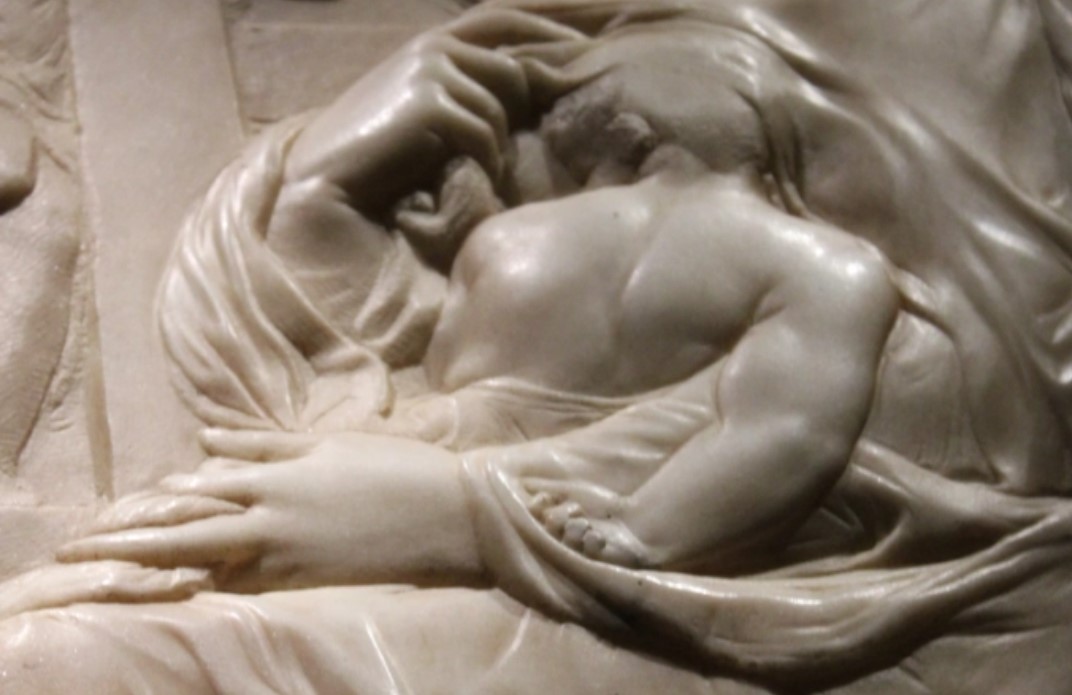
A capo di quel prezioso giardino, accademia d’arte ante litteram per giovani talenti, il magnifico volle mettere lo scultore Bertoldo di Giovanni, allievo prediletto di Donatello. Lui aveva il compito di istradare al mestiere dell’arte i ragazzi ma custodiva anche tutto quel patrimonio artistico di cui il Giardino disponeva.
Oltre alle sculture erano infatti a disposizione degli allievi preziosissimi disegni, cartoni e modelli realizzati da grandi artisti come Donatello, Masaccio, Paolo Uccello, Filippo Lippi e tanti altri.
Il Giardino faceva parte delle pertinenze del Magnifico perlomeno già dalla prima metà degli anni Settanta del Quattrocento. Bertoldo probabilmente frequentava quel luogo già da allora e, dal 1485 fino alla sua morte, avvenuta il 28 dicembre del 1491, venne ospitato nel Palazzo di Via Larga.

In quel giardino, a patire dal 1490, io appresi i primi rudimenti della scultura, soggiornando notte e dì a casa del Magnifico e condividendo la mensa con lui, con i due futuri papi e gli eruditi che alla sua corte vivevano, come il Poliziano.
Come ebbe modo di scrivere il Condivi, ammirai “universalmente ogni cosa bella e così il bello della natura, scegliendo come l’api raccolgan il mel da’ fiori, servendosene poi nelle sue opere”.
Per il momento il sempre vostro Michelangelo Buonarroti vi saluta dandovi appuntamento ai prossimi post e sui social.
The Garden of San Marco: An Art Academy in the Heart of Florence
The Garden of San Marco was one of Lorenzo de’ Medici’s many properties. It opened onto the Florentine piazza of the same name and, as Condivi wrote, was filled with “various ancient statues and ornate figures.”
“All full of antiques and excellent things, highly adorned for beauty, study, and pleasure, gathered in that place,” added my dear friend Giorgio Vasari.
The Magnificent chose to appoint the sculptor Bertoldo di Giovanni, Donatello’s favorite pupil, as head of that precious garden, an art academy ante litteram for young talents. He was responsible for training the young artists in their profession, but also for safeguarding the entire artistic heritage the Garden possessed.
In addition to the sculptures, the students also had access to invaluable drawings, cartoons, and models by great artists such as Donatello, Masaccio, Paolo Uccello, Filippo Lippi, and many others.
The Garden was part of the Magnificent’s possessions at least since the first half of the 1470s. Bertoldo likely frequented the place even then, and from 1485 until his death on December 28, 1491, he was a guest in the Palazzo on Via Larga.
In that garden, starting in 1490, I learned the rudiments of sculpture, staying day and night at the Magnificent’s home and sharing meals with him, the two future popes, and the scholars who lived at his court, such as Poliziano.
As Condivi wrote, I admired “universally every beautiful thing, and also the beauty of nature, choosing as bees gather honey from flowers, then using it in his works.”
For now, yours truly, Michelangelo Buonarroti bids you farewell and invites you to join him in future posts and on social media.

Sostienici – Support Us
Se questo blog ti piace e ti appassiona, puoi aiutarci a farlo crescere sempre più sostenendoci in modo concreto condividendo i post, seguendo le pagine social e con un contributo che ci aiuta ad andare avanti con il nostro lavoro di divulgazione. . ENGLISH: If you like and are passionate about this blog, you can help us make it grow more and more by supporting us in a concrete way by sharing posts, following social pages and with a contribution that helps us to move forward with our dissemination work.
10,00 €
Articoli


Condividi:


Questo sono io





sostienici

Sostienici – Support Us
Se questo blog ti piace e ti appassiona, puoi aiutarci a farlo crescere sempre più sostenendoci in modo concreto condividendo i post, seguendo le pagine social e con un contributo che ci aiuta ad andare avanti con il nostro lavoro di divulgazione. . ENGLISH: If you like and are passionate about this blog, you can help us make it grow more and more by supporting us in a concrete way by sharing posts, following social pages and with a contribution that helps us to move forward with our dissemination work.
€10,00


