

Napoli: la Cappella del Tesoro di San Gennaro
La reale cappella del Tesoro di san Gennaro è uno di quei luoghi che non possono essere non visitati quando ci si trova a Napoli. Le sue forme barocche ben si inseriscono all’interno del duomo di Napoli e ogni dipinto, scultura o affresco che la decora è pensato per rendere omaggio al patrono della città partenope.
Venne realizzata per un voto fatto dai napoletani in un periodo di profonda crisi, durante il quale la città affrontò pesanti difficoltà causate da atroci pestilenze e conflitti piuttosto accesi.
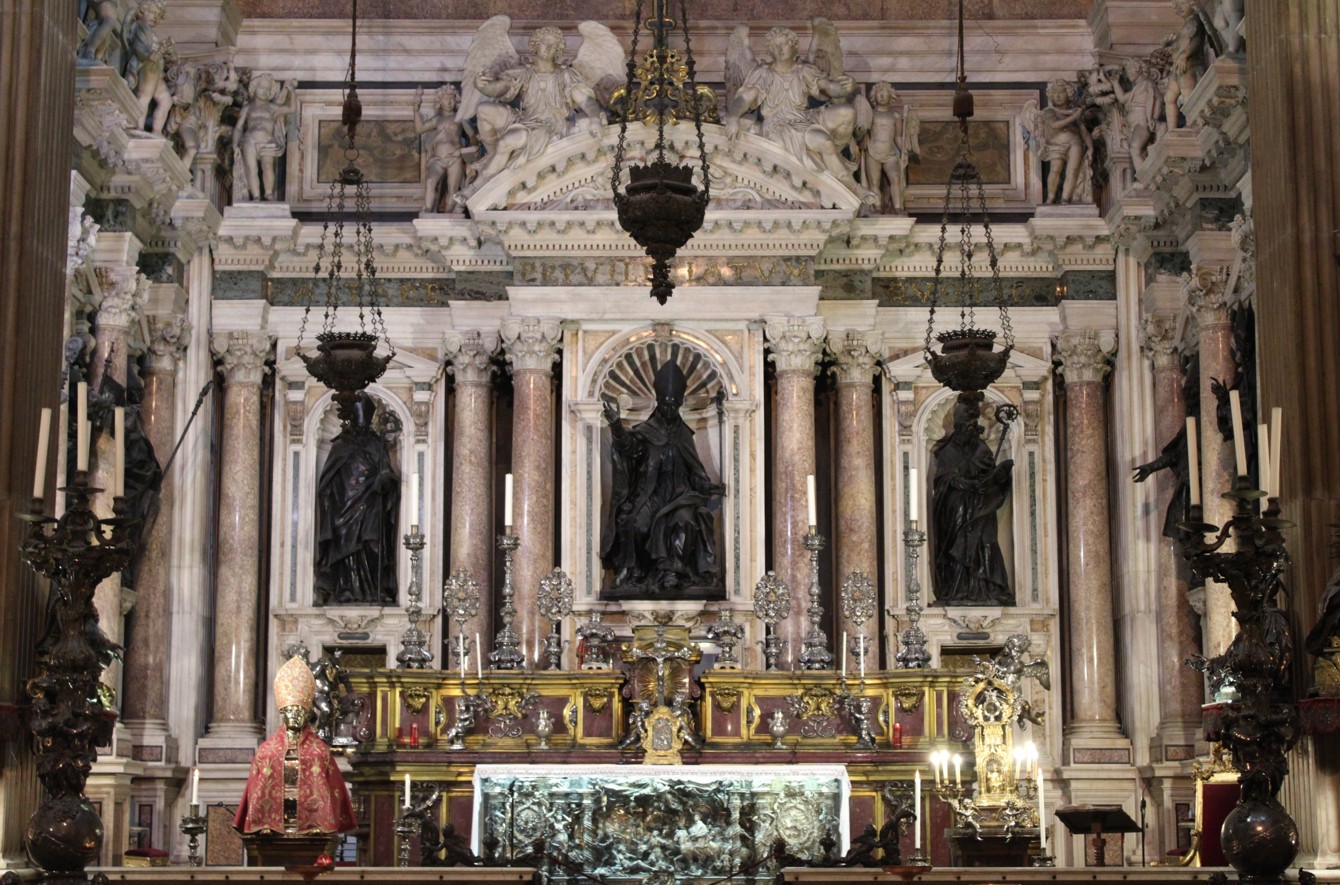
Entrando nella cappella ci si trova dinanzi a mirabili decorazioni pittoriche del Domenichino, Guido Reni Jusepe de Ribera e Lanfranco.
La Cappella di San Gennaro non appartiene alla curia
Potrà sembrarvi strano ma la Reale Cappella del tesoro di San Gennaro non è proprietà della curia arcivescovile come si potrebbe immaginare. Appartiene invece alla città di Napoli rappresentata da un’antica istituzione civica ancora esistente nota come la Deputazione e dai cosiddetti Sedili.
Quando è stata edificata
Era il 1527 quando i cittadini di Napoli iniziarono a pensare di erigere una nuova cappella dedicata a San Gennaro. I lavori vennero avviati solo nel 1608 sotto la guida dall’architetto Francesco Grimaldi il quale aveva ideato un progetto molto ambizioso.
Grimaldi passò a miglior vita prima che potesse vedere con i suoi occhi la cappella ultimata e il progetto passò in mano ad altri colleghi. La Cappella di San Gennaro fu finalmente completata nel 1646, rappresentando non solo un luogo di culto, ma anche un monumento alla resilienza della città e alla devozione dei suoi abitanti.
Le decorazioni della Cappella di San Gennaro
Il prezioso Altare Maggiore venne realizzato in porfido da Francesco Solimena e ultimato nel 1667. Il paliotto d’argento che si vede al centro raffigura la ‘Traslazione delle reliquie del santo da Monte Vergine a Napoli‘ realizzato dall’argentiere Giovan Domenico Vinaccia tra il 1692 al 1695.
Le ampolle con il sangue di San Gennaro sono custodite dietro l’altare, all’interno delle due nicchie con gli sportelli argentei che vennero regalati nel 1667 da Carlo II di Spagna.
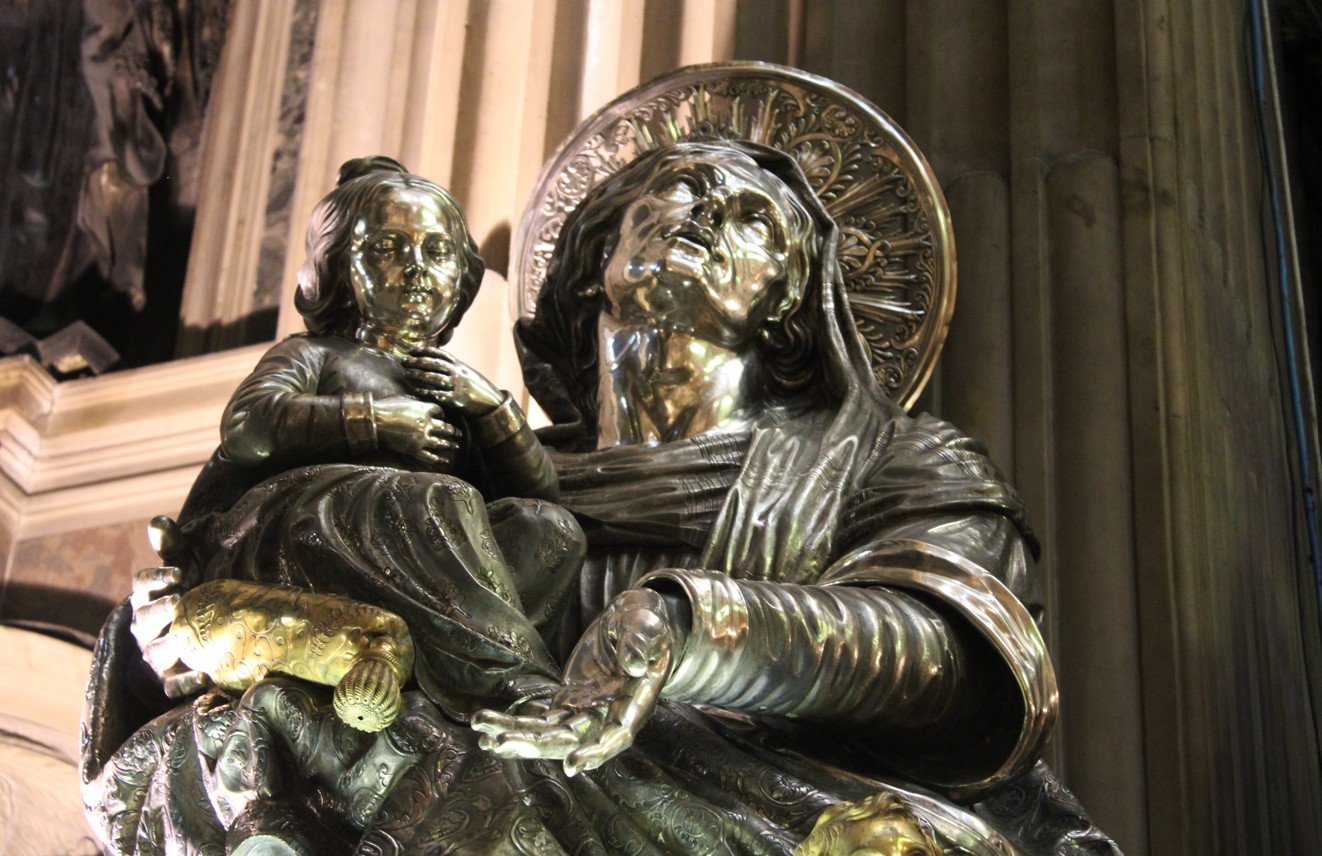
Il busto reliquiario del Santo realizzato in oro e argento fu invece cesellato da tre orafi provenzali e donato da Carlo II d’Angiò nel lontano 1301.

Le sculture
La cappella è decorata con diciannove sculture in bronzo. Quella che raffigura San Gennaro seduto, dietro l’altare maggiore, risale al 1645 e pare voler dare istruzioni agli altri diciotto compatroni di Napoli per proteggere la città dalla peste, dal Vesuvio e dalla fame.
Il complesso scultoreo era stato ideato nel 1610 da Cristoforo Monterosso che coinvolse anche Giuliano Finelli che per altro realizzò la maggior parte delle opere.
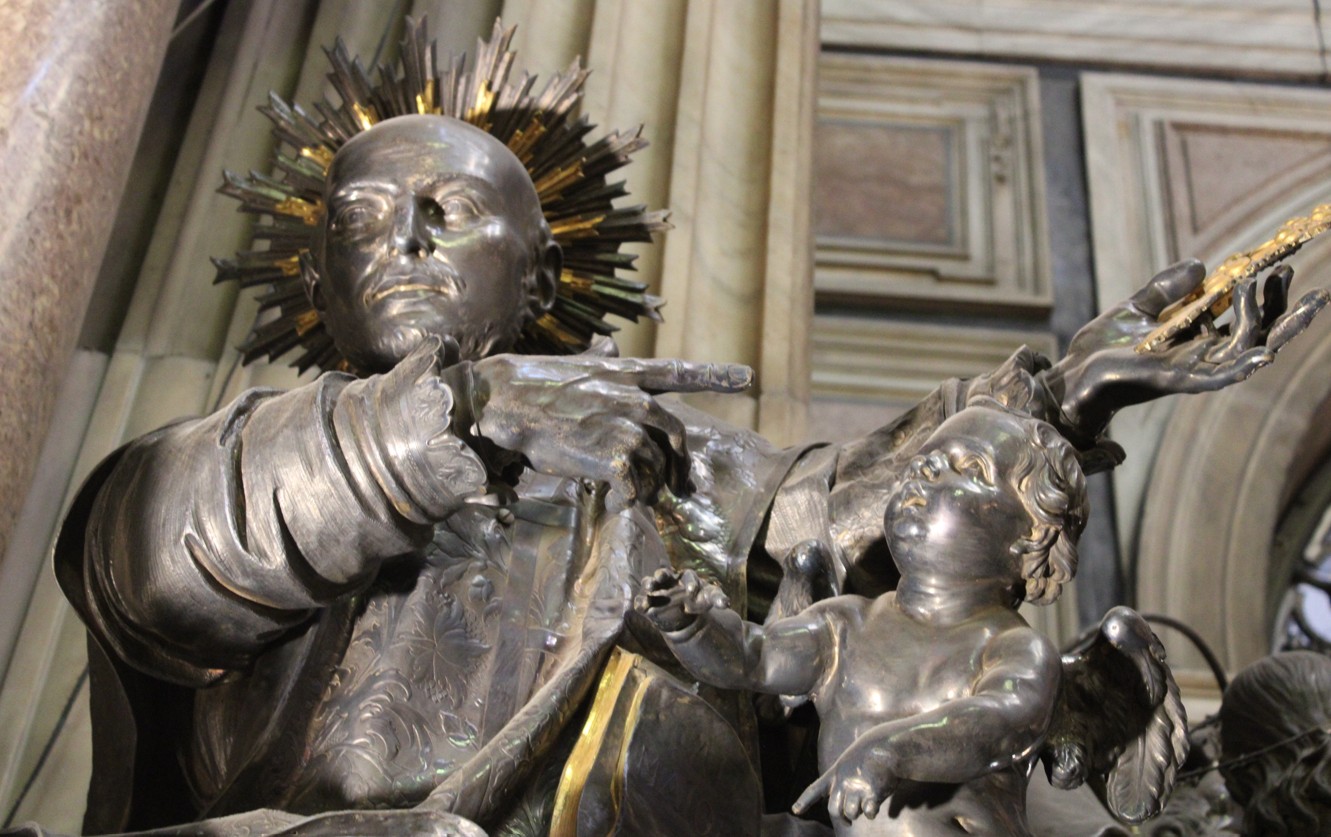
Infatti sono del Finelli proprio il San Gennaro seduto appena citato, Sant’Agrippino, Sant’Agnello, San Tommaso d’Aquino, Sant’Eufebio, San Severo e Santa Patrizia, nella zona presbiteriale; Sant’Andrea d’Avellino e San Domenico, nell’altare di sinistra; San Giacomo della Marca e San Francesco di Paola sull’altare di destra.
L’apparato pittorico
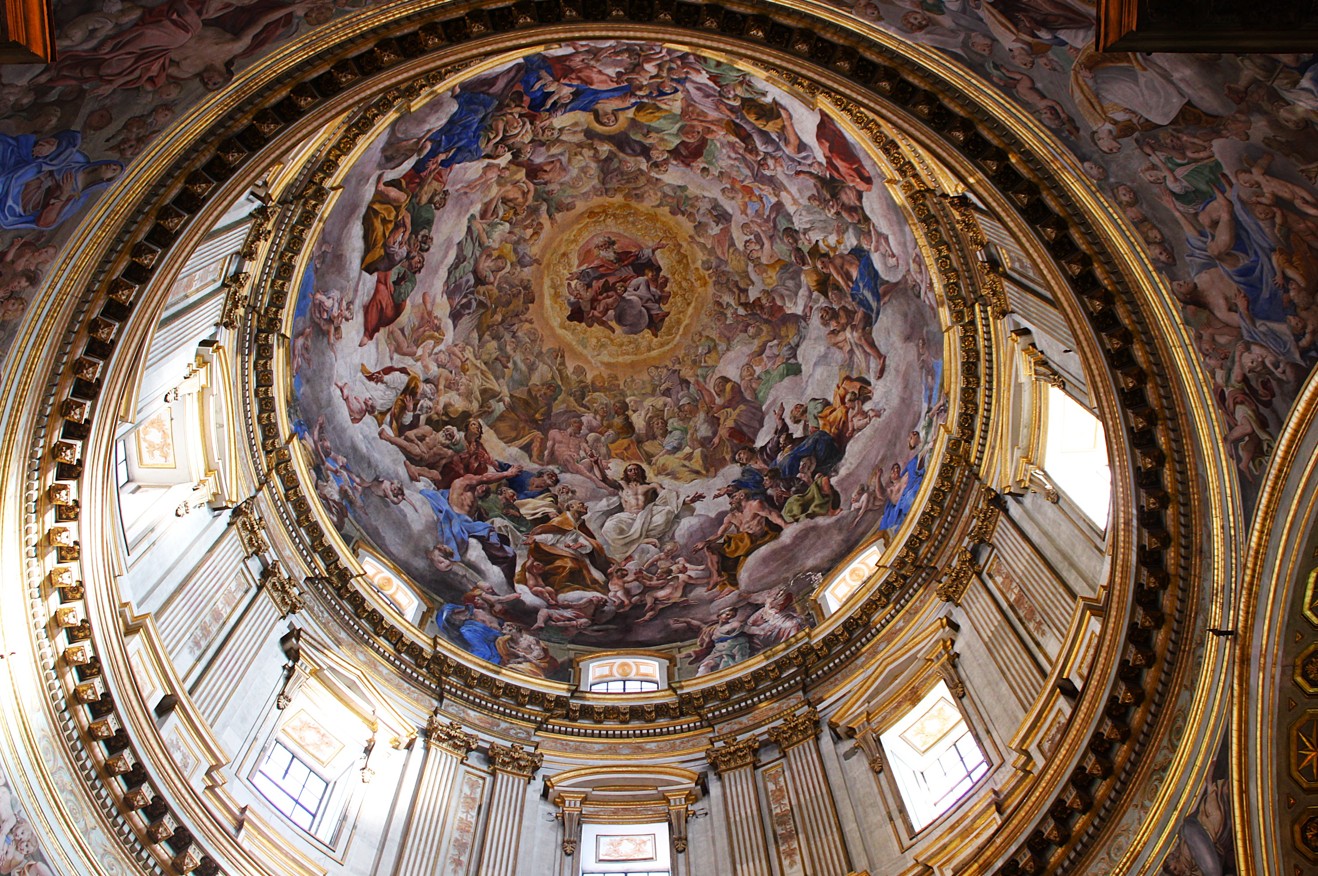
Le decorazioni pittoriche della cappella sono un amalgama di stili e opere di alcuni dei più rinomati artisti dell’epoca. Tra questi, il Domenichino si distinse per il suo abilità, nonostante le difficoltà che dovette affrontare nel 1633 durante la realizzazione delle decorazioni.
Le intimidazioni da parte dei pittori locali rallentarono il progresso dei lavori, ma la sua arte rimase un punto fermo nella cappella. L’ultimo dipinto fu quello di Jusepe de Ribera nel 1646 che di fatto segnò la fine dei lavori di decorazione della cappella.
La Cappella di San Gennaro oggi
Sono entrato a passo felpato nella Cappella di San Gennaro durante la settimana che succede al miracolo di maggio, il primo dei tre prodigi dell’anno in cui si verifica il fenomeno della liquefazione del sangue Santo Patrono di Napoli.
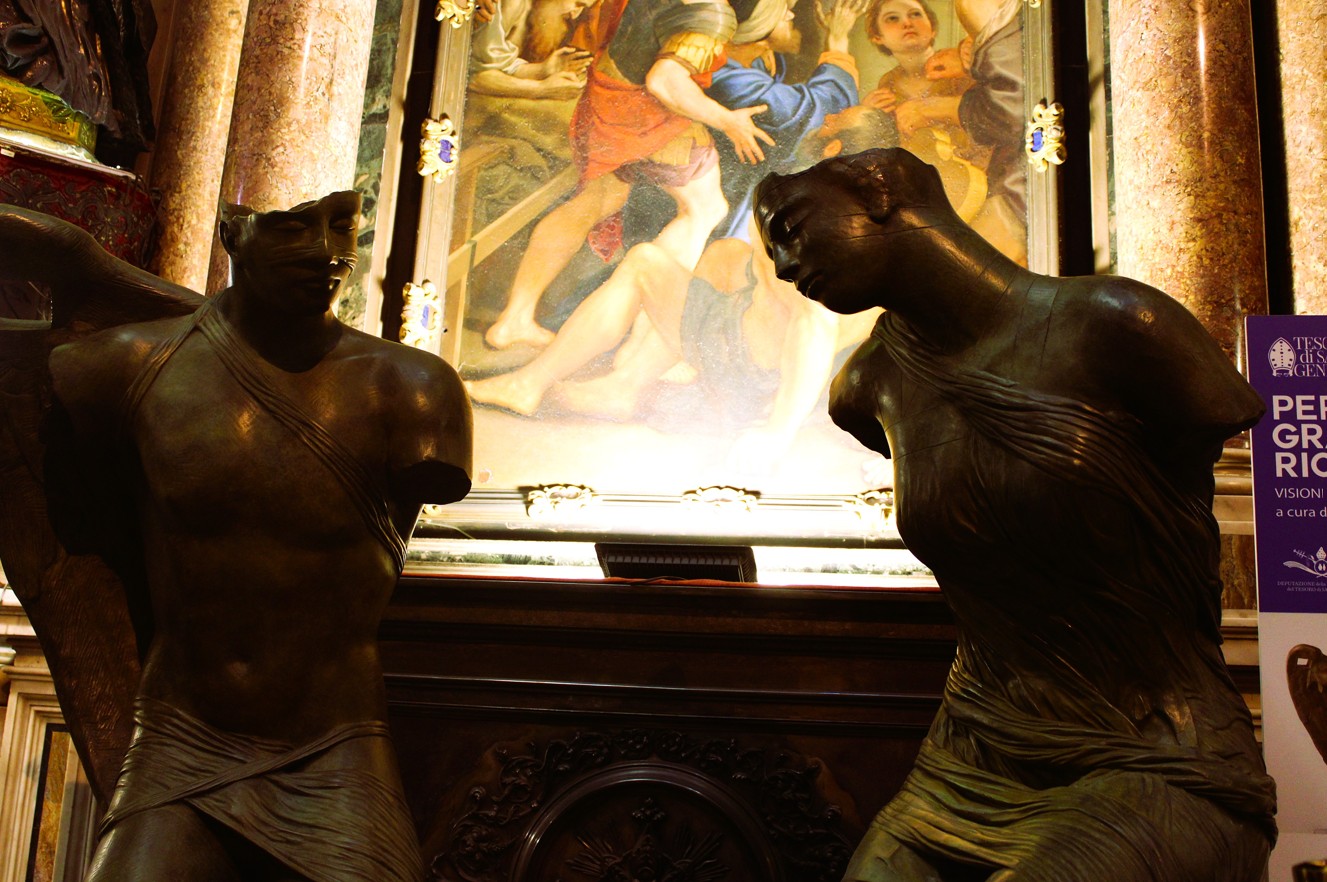
Sedute sulle panche decine di persone pregavano assieme seguendo un’antica litania, con una voce guida e le altre a seguire. Un’atmosfera mistica che mi ha premesso di apprezzare ancora di più quegli affreschi e quelle sculture che arricchiscono la cappella.
Oggi, la Reale Cappella del Tesoro di San Gennaro è considerata uno dei tesori artistici più significativi di Napoli e attrae numerosi fedeli e visitatori. Adiacente alla cappella si trova anche il Museo del Tesoro di San Gennaro, che espone una collezione di opere d’arte e oggetti sacri legati alla figura di san Gennaro e alla storia della città.

La Cappella di San Gennaro in fondo non è solamente un luogo di culto, ma racconta Napoli e la sua identità.
Per il momento il sempre vostro Michelangelo Buonarroti vi saluta dandovi appuntamento ai prossimi post e sui social.
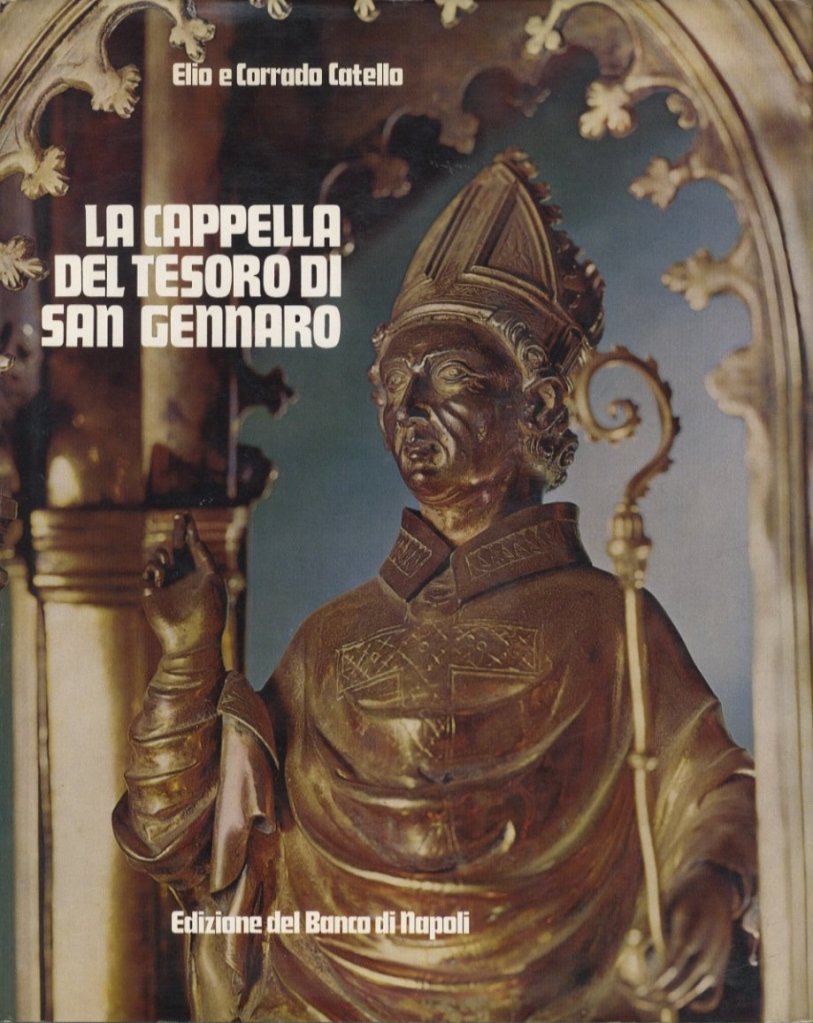
Naples: the Chapel of the Treasure of San Gennaro
The Royal Chapel of the Treasure of San Gennaro is one of those places that cannot be missed when you are in Naples. Its baroque forms fit well within the cathedral of Naples and every painting, sculpture or fresco that decorates it is designed to pay homage to the patron saint of the city of Naples.
It was built for a vow made by the Neapolitans in a period of deep crisis, during which the city faced heavy difficulties caused by atrocious plagues and rather heated conflicts.
Entering the chapel you find yourself in front of wonderful pictorial decorations by Domenichino, Guido Reni Jusepe de Ribera and Lanfranco.
The Chapel of San Gennaro does not belong to the curia
It may seem strange to you but the Royal Chapel of the Treasure of San Gennaro is not the property of the archiepiscopal curia as you might imagine. Instead, it belongs to the city of Naples, represented by an ancient civic institution still existing known as the Deputation and the so-called Sedili.
When it was built
It was 1527 when the citizens of Naples began to think about erecting a new chapel dedicated to San Gennaro. The works were started only in 1608 under the guidance of the architect Francesco Grimaldi who had conceived a very ambitious project.
Grimaldi passed away before he could see the completed chapel with his own eyes and the project passed into the hands of other colleagues. The Chapel of San Gennaro was finally completed in 1646, representing not only a place of worship, but also a monument to the resilience of the city and the devotion of its inhabitants.
The decorations of the Chapel of San Gennaro
The precious High Altar was made of porphyry by Francesco Solimena and completed in 1667. The silver antependium that can be seen in the center depicts the ‘Translation of the relics of the saint from Monte Vergine to Naples‘ made by the silversmith Giovan Domenico Vinaccia between 1692 and 1695.
The ampoules with the blood of San Gennaro are kept behind the altar, inside the two niches with silver doors that were donated in 1667 by Charles II of Spain.
The reliquary bust of the Saint made of gold and silver was instead chiseled by three Provençal goldsmiths and donated by Charles II of Anjou in the distant 1301.
The sculptures
The chapel is decorated with nineteen bronze sculptures. The one depicting San Gennaro seated, behind the main altar, dates back to 1645 and seems to want to give instructions to the other eighteen patrons of Naples to protect the city from the plague, Vesuvius and hunger.
The sculptural complex was conceived in 1610 by Cristoforo Monterosso who also involved Giuliano Finelli who also created most of the works.
In fact, the San Gennaro seated just mentioned, Sant’Agrippino, Sant’Agnello, San Tommaso d’Aquino, Sant’Eufebio, San Severo and Santa Patrizia, in the presbytery area, are by Finelli; Sant’Andrea d’Avellino and San Domenico, in the left altar; San Giacomo della Marca and San Francesco di Paola on the right altar.
The pictorial apparatus
The pictorial decorations of the chapel are an amalgamation of styles and works by some of the most renowned artists of the time. Among them, Domenichino stood out for his skill, despite the difficulties he faced in 1633 during the realization of the decorations.
The intimidation by local painters slowed down the progress of the works, but his art remained a fixed point in the chapel. The last painting was that of Jusepe de Ribera in 1646 which effectively marked the end of the decoration works of the chapel.
The Chapel of San Gennaro today
I entered the Chapel of San Gennaro with a stealthy step during the week that follows the miracle of May, the first of the three prodigies of the year in which the phenomenon of the liquefaction of the blood of the Patron Saint of Naples occurs.
Seated on the benches were dozens of people praying together following an ancient litany, with a guiding voice and the others following. A mystical atmosphere that allowed me to appreciate even more those frescoes and sculptures that enrich the chapel.
Today, the Royal Chapel of the Treasure of San Gennaro is considered one of the most significant artistic treasures of Naples and attracts numerous faithful and visitors. Adjacent to the chapel is also the Museum of the Treasure of San Gennaro, which exhibits a collection of works of art and sacred objects linked to the figure of San Gennaro and the history of the city.
The Chapel of San Gennaro is ultimately not only a place of worship, but it tells the story of Naples and its identity.
For the moment, your ever Michelangelo Buonarroti bids you farewell, making an appointment with you in the next posts and on social media.

Sostienici – Support Us
Se questo blog ti piace e ti appassiona, puoi aiutarci a farlo crescere sempre più sostenendoci in modo concreto condividendo i post, seguendo le pagine social e con un contributo che ci aiuta ad andare avanti con il nostro lavoro di divulgazione. . ENGLISH: If you like and are passionate about this blog, you can help us make it grow more and more by supporting us in a concrete way by sharing posts, following social pages and with a contribution that helps us to move forward with our dissemination work.
10,00 €
Condividi:


Questo sono io





sostienici

Sostienici – Support Us
Se questo blog ti piace e ti appassiona, puoi aiutarci a farlo crescere sempre più sostenendoci in modo concreto condividendo i post, seguendo le pagine social e con un contributo che ci aiuta ad andare avanti con il nostro lavoro di divulgazione. . ENGLISH: If you like and are passionate about this blog, you can help us make it grow more and more by supporting us in a concrete way by sharing posts, following social pages and with a contribution that helps us to move forward with our dissemination work.
€10,00


1 commento »