

Sarcofago degli sposi: al via il restauro aperto al pubblico
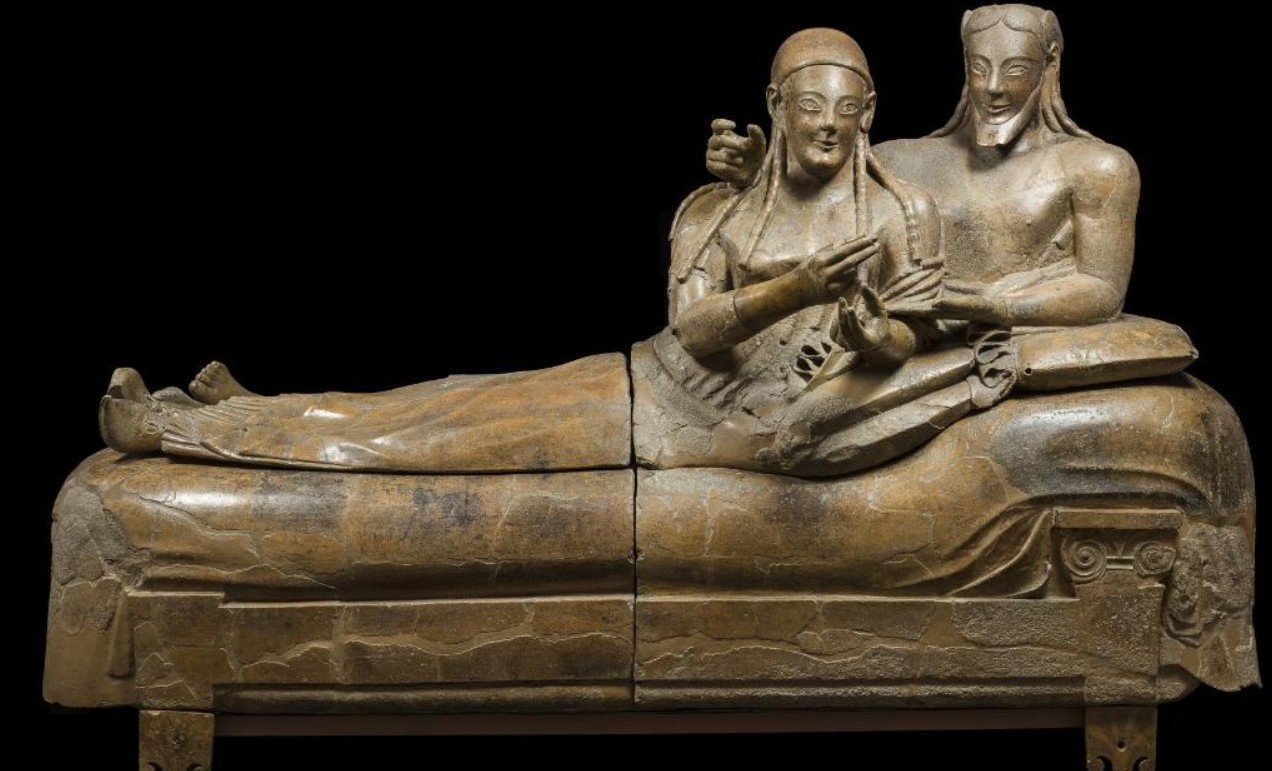
Il celeberrimo Sarcofago degli Sposi sarà sottoposto a un importante intervento di restauro preceduto da una lunga fase di studi diagnostici a più di un secolo di distanza dall’intervento eseguito per ricomporre i 400 frammenti ritrovati a Cerveteri.
Il restauro verrà eseguito in loco, nel Museo Nazionale Etrusco di Villa Giulia a Roma grazie a un mecenate che, usufruendo dell’ArtBonus, finanzierà i lavori.
Chi è lo sponsor in questione? Nessun segreto, è Vincenzo Formisano, presidente della Banca Popolare del Cassinate.
Il ritrovamento del Sarcofago degli Sposi
Il 9 aprile del 1881 nella Necropoli della Banditaccia all’interno della tenuta del principe Francesco Ruspoli a Cerveteri, tornarono alla luce decine e decine di frammenti di varie dimensioni.
Era il Sarcofago degli Sposi: un’enorme urna formata da una parte inferiore realizzata come una kline, ovvero un antico letto, dove venivano collocate le ceneri dei morti.
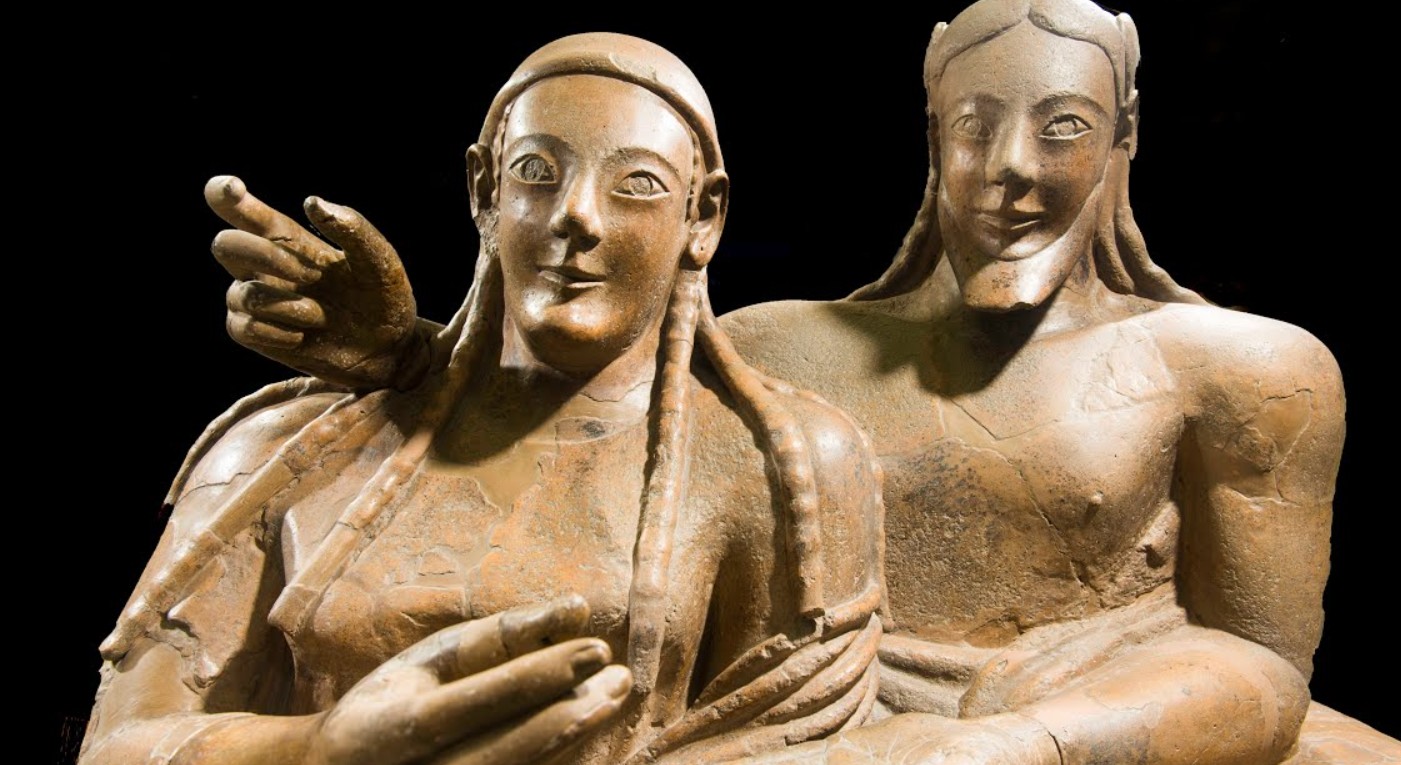
La parte superiore fungeva da coperchio e rappresentava due coniugi durante un lauto banchetto.
Si tratta di uno dei più importanti capolavori etruschi e venne modellato nell’argilla tra il 530 e il 520 a.c.
Restauro a cantiere aperto
Le indagini diagnostiche e il restauro verranno eseguiti a cantiere aperto. Ogni martedì e giovedì infatti i visitatori potranno accedere all’interno dell’area attrezzata per l’occasione, dalle ore 10 fino alle 13.
La nuova stagione di studi sul prezioso Sarcofago degli sposi permetterà anche la stesura di un piano conservativo e di valorizzazione, mediante la convenzione stretta tra il Museo di Villa Giulia e l’Istituto Centrale per il Restauro.
Per il momento il sempre vostro Michelangelo Buonarroti vi saluta dandovi appuntamento ai prossimi post e sui social.
Sarcophagus of the Spouses: the restoration open to the public begins
The famous Sarcophagus of the Spouses will undergo a major restoration intervention preceded by a long phase of diagnostic studies more than a century after the intervention carried out to recompose the 400 fragments found in Cerveteri.
The restoration will be carried out on site, in the National Etruscan Museum of Villa Giulia in Rome thanks to a patron who, taking advantage of the ArtBonus, will finance the work. Who is the sponsor in question? No secret, it is Vincenzo Formisano, president of the Banca Popolare del Cassinate.
The discovery of the Sarcophagus of the Spouses
On April 9, 1881, in the Banditaccia Necropolis inside the estate of Prince Francesco Ruspoli in Cerveteri, dozens and dozens of fragments of various sizes came to light. It was the Sarcophagus of the Spouses: an enormous urn formed by a lower part made like a kline, or an ancient bed, where the ashes of the dead were placed.
The upper part served as a lid and represented two spouses during a lavish banquet.
It is one of the most important Etruscan masterpieces and was modeled in clay between 530 and 520 BC.
Open-site restoration
The diagnostic investigations and restoration will be carried out in an open-site construction site. In fact, every Tuesday and Thursday visitors will be able to access the area equipped for the occasion, from 10 am to 1 pm.
The new season of studies on the precious Sarcophagus of the Spouses will also allow the drafting of a conservation and enhancement plan, through the agreement between the Villa Giulia Museum and the Central Institute for Restoration.
For the moment, yours truly Michelangelo Buonarroti bids you farewell, making an appointment to see you in the next posts and on social media.

Sostienici – Support Us
Se questo blog ti piace e ti appassiona, puoi aiutarci a farlo crescere sempre più sostenendoci in modo concreto condividendo i post, seguendo le pagine social e con un contributo che ci aiuta ad andare avanti con il nostro lavoro di divulgazione. . ENGLISH: If you like and are passionate about this blog, you can help us make it grow more and more by supporting us in a concrete way by sharing posts, following social pages and with a contribution that helps us to move forward with our dissemination work.
10,00 €
Articoli
Condividi:


Questo sono io





sostienici

Sostienici – Support Us
Se questo blog ti piace e ti appassiona, puoi aiutarci a farlo crescere sempre più sostenendoci in modo concreto condividendo i post, seguendo le pagine social e con un contributo che ci aiuta ad andare avanti con il nostro lavoro di divulgazione. . ENGLISH: If you like and are passionate about this blog, you can help us make it grow more and more by supporting us in a concrete way by sharing posts, following social pages and with a contribution that helps us to move forward with our dissemination work.
€10,00


