
San Pietro: la Porta del Filarete costata 12 anni di lavoro
La porta centrale della Basilica di San Pietro in Vaticano fu realizzata dal Filarete per la vecchia basilica fatta edificare dall’imperatore Costantino.
La sua storia ebbe inizio quando papa Eugenio IV decise di far realizzare il nuovo portone della vecchia basilica di San Pietro.
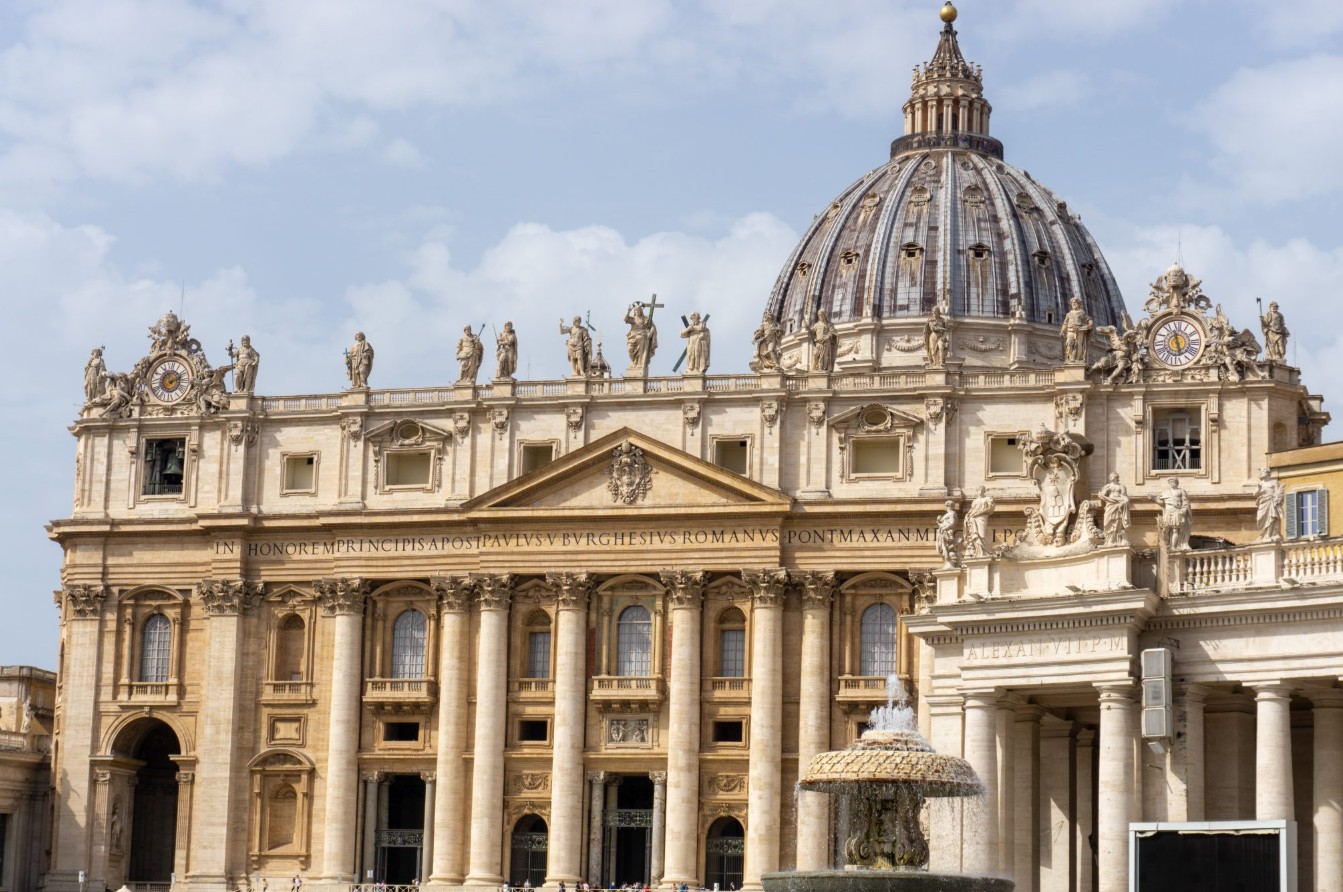
Volle dunque ne venisse realizzato uno completamente nuovo. Era il 1430 e il lavoro venne affidato a Antonio Averlino, artista oggi noto alle cronache come il Filarete. Allievo di Ghiberti, si mise subito al lavoro progettando una grande porta in bronzo, degna di una chiesa così importante.
Un’opera imponente che costò all’artista qualche tribolazione di troppo e dodici annidi intenso lavoro.
Le tante firme del Filarete
Il Filarete alla fine però fu molto soddisfatto del risultato ottenuto tanto che volle firmare la porta in bronzo in diversi punti. Nel riquadro dove compare il martirio di San Paolo si legge OPUS ANTONII DE FLORENTIA mentre sulla cornice dove volle raffigurare sé stesso scrisse ANTONIUS-PETRI-DE-FLORENTIA-FECIT-MCCCCXLV.
C’è un’ulteriore firma anche sul lato interno destro. Oltre ad auto-rappresentarsi tenendo in mano un compasso mentre fa scuola agli allievi, si firmò con la dicitura ANTONIVS ET DISCIPVLI MEI.

Le caratteristiche della Porta del Filarete
I due battenti sono alti oltre sette metri e sono completamente istoriati con le storie di Cristo, della Madonna, di San Pietro e di San Paolo.
Sapete, dopo che fu ultimata la nuova Basilica di San Pietro, edificata per volere di papa Giulio II, fu posta in opera la porta in questione. Era il 1619.
La parte inferiore e quella superiore mostrano le aggiunte dell’epoca di Paolo V, per adattare i battenti alle nuove dimensioni della porta della nuova basilica di San Pietro.
Tutt’oggi è la porta più antica di tutta la Basilica ed è una preziosa testimonianza della precedente basilica costantiniana.
Per il momento il sempre vostro Michelangelo Buonarroti vi saluta dandovi appuntamento ai prossimi post e sui social.
St. Peter’s: Filarete’s Door took 12 years to make
The central door of St. Peter’s Basilica in the Vatican was made by Filarete for the old basilica built by Emperor Constantine.
Its history began when Pope Eugene IV decided to have a new door built for the old St. Peter’s Basilica.
He therefore wanted a completely new one. It was 1430 and the work was entrusted to Antonio Averlino, an artist now known in the news as Filarete. A student of Ghiberti, he immediately got to work designing a large bronze door, worthy of such an important church.
An imposing work that cost the artist a few too many tribulations and twelve years of intense work.
Filarete’s many signatures
In the end, however, Filarete was very satisfied with the result obtained, so much so that he wanted to sign the bronze door in several places. In the panel where the martyrdom of Saint Paul appears, it reads OPUS ANTONII DE FLORENTIA, while on the frame where he wanted to depict himself, he wrote ANTONIUS-PETRI-DE-FLORENTIA-FECIT-MCCCCXLV.
There is also an additional signature on the inside right side. In addition to depicting himself holding a compass while teaching his students, he signed with the words ANTONIVS ET DISCIPVLI MEI.
The characteristics of the Filarete Door
The two doors are over seven meters high and are completely decorated with the stories of Christ, the Madonna, Saint Peter and Saint Paul.
You know, after the new Saint Peter’s Basilica, built by order of Pope Julius II, was completed, the door in question was put in place. It was 1619.
The lower and upper parts show the additions from the time of Paul V, to adapt the doors to the new dimensions of the door of the new Saint Peter’s Basilica.
Even today it is the oldest door in the entire Basilica and is a precious testimony of the previous Constantinian basilica.
For the moment, yours ever Michelangelo Buonarroti bids you farewell, making an appointment with you in the next posts and on social media.

Sostienici – Support Us
Se questo blog ti piace e ti appassiona, puoi aiutarci a farlo crescere sempre più sostenendoci in modo concreto condividendo i post, seguendo le pagine social e con un contributo che ci aiuta ad andare avanti con il nostro lavoro di divulgazione. . ENGLISH: If you like and are passionate about this blog, you can help us make it grow more and more by supporting us in a concrete way by sharing posts, following social pages and with a contribution that helps us to move forward with our dissemination work.
10,00 €
Condividi:


Questo sono io





sostienici

Sostienici – Support Us
Se questo blog ti piace e ti appassiona, puoi aiutarci a farlo crescere sempre più sostenendoci in modo concreto condividendo i post, seguendo le pagine social e con un contributo che ci aiuta ad andare avanti con il nostro lavoro di divulgazione. . ENGLISH: If you like and are passionate about this blog, you can help us make it grow more and more by supporting us in a concrete way by sharing posts, following social pages and with a contribution that helps us to move forward with our dissemination work.
€10,00


