

Il pavimento della Basilica di San Pietro in Vaticano
La pavimentazione della Basilica di San Pietro in Vaticano è un’opera d’arte grandiosa, nel suo genere unica al mondo.
Dietro la sua realizzazione ci sono nomi altisonanti del mondo dell’arte. La sua progettazione fu iniziata da Giacomo della Porta e proseguì poi con Carlo Maderno.
Venne però portata a termine da il grande Gian Lorenzo Bernini. Camminare sopra quella superficie significa non solo entrare nel luogo sacro fulcro della cristianità ma anche immergersi nella storia dell’arte.
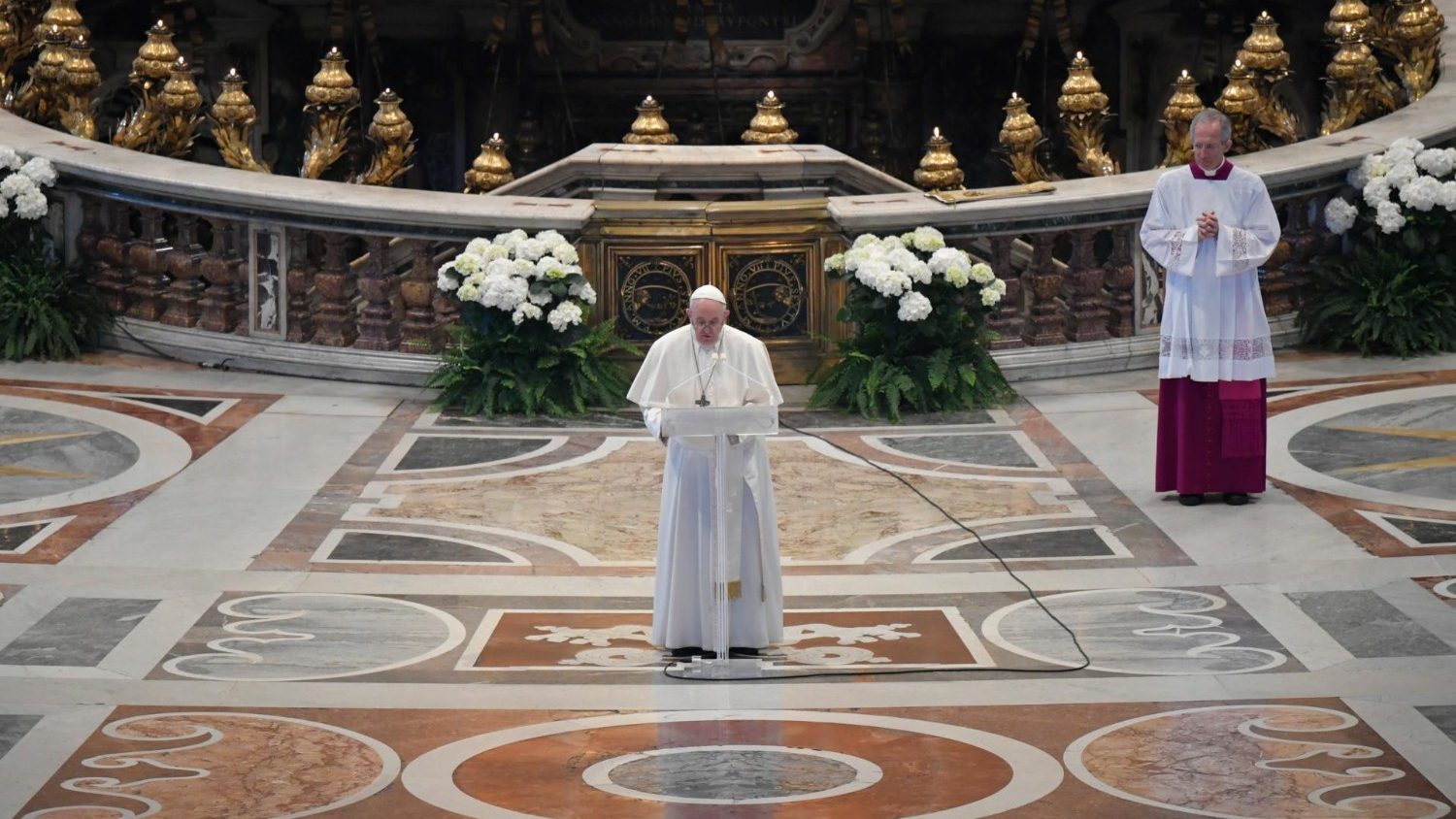
La pavimentazione in marmo è un susseguirsi di giochi geometrici che non hanno solo uno scopo decorativo ma determinano la posizione dei prelati, papa compreso, durante le funzioni liturgiche solenni.
Il pavimento è rivestito con marmi pregiati provenienti da molte parti del mondo.
C’è per esempio il riconoscibile marmo bianco di Carrara, il prezioso porfido verde e quello rosso, il portasanta, il broccatello ma anche il rosso di Francia, il diaspro di Sicilia, la breccia pontificia e il Cottanello.
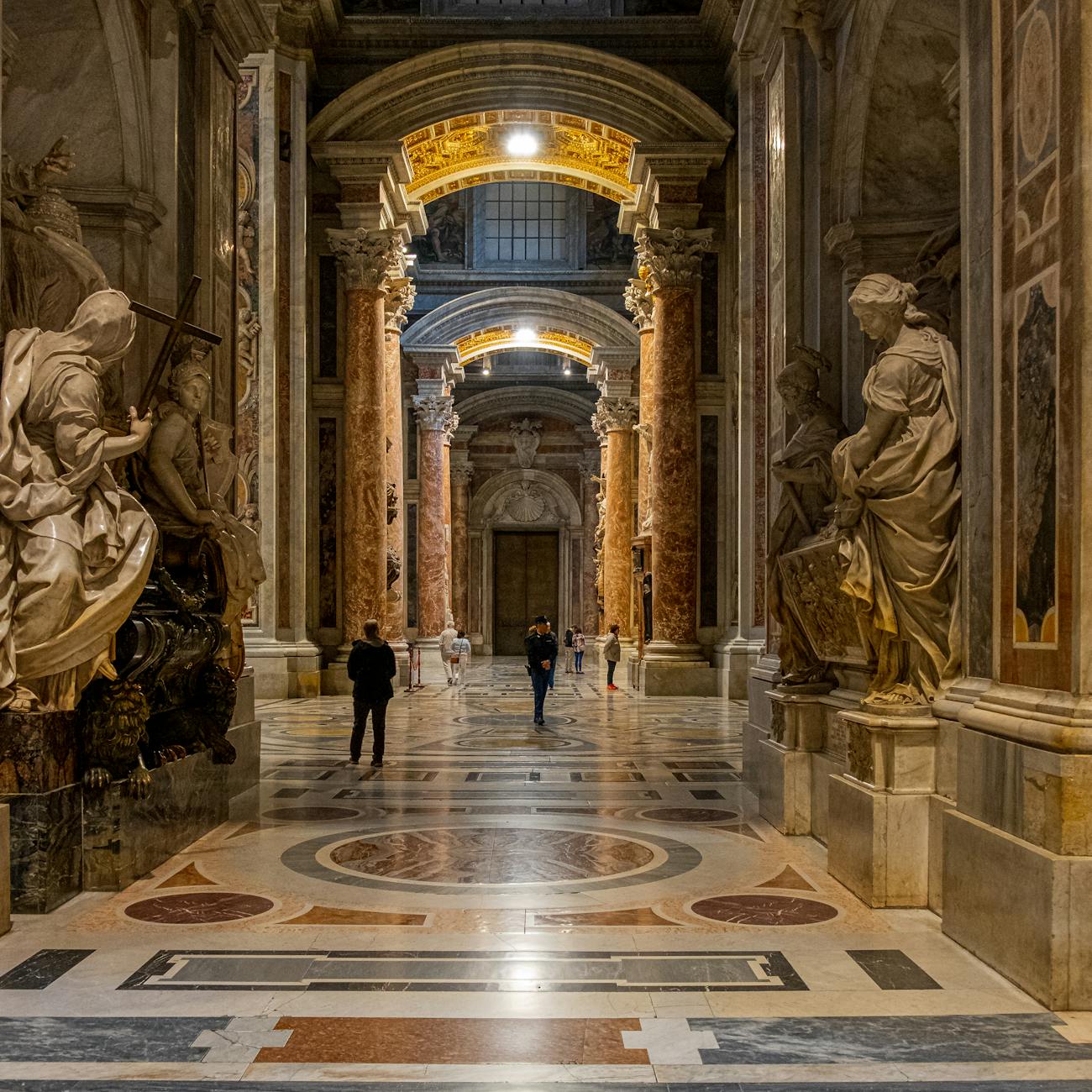
Per creare una pavimentazione del genere ci fu la necessità di reperire un gran numero di marmi. In un primo momento infatti si recuperarono i marmi della vecchia basilica costantiniana poi si iniziò a depredare gli edifici abbandonati che si trovavano vicino alla nuova basilica in costruzione.
Alcuni marmi pregiati vennero sottratti ai templi romani e alle ville oramai in rovina. Altri marmi invece vennero fatti arrivare direttamente dai siti estrattivi attivi come accadde per il diaspro siciliano.
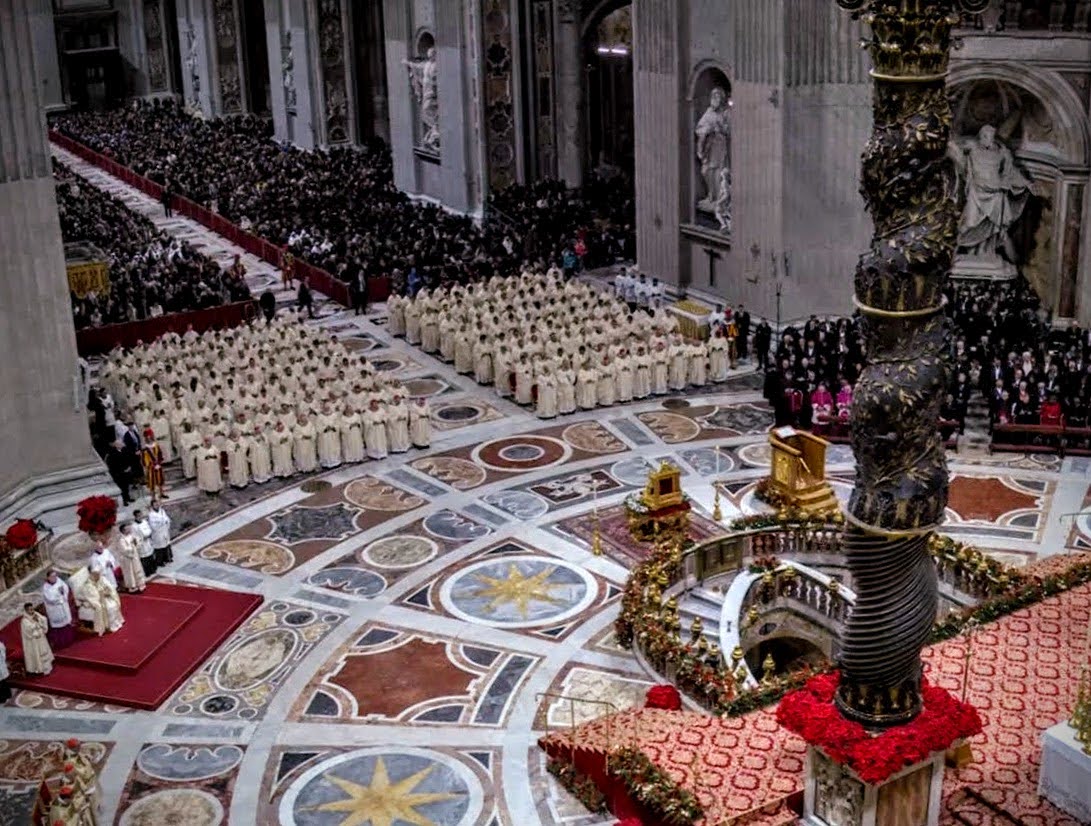
Pensate che giorno il pavimento della Basilica di San Pietro viene calpestato da circa ventimila persone più tutti gli addetti ai lavori in condizioni normali. Quando poi ci sono cerimonie particolari o eventi straordinari, i visitatori possono decuplicare.
Immaginate il quantitativo di gente che nell’arco di un solo anno ci cammina sopra: sette milioni di persone che accelerano il processo di usura.
Nel corso degli anni sono stati fatti numerosi interventi di manutenzione, sostituendo marmi troppo usurati, mantenendo però sempre l’aspetto originario voluto dai tre grandi maestri.

Le armi papali incastonate nel pavimento
Nel pavimento della Basilica di San Pietro in Vaticano sono presenti anche dei dischi caratterizzati da intarsi di marmi e pietre dure particolarmente decorativi.
Sono le differenti armi papali di vari pontefici che si sono succeduti nel corso dei secoli ma hanno tutte una caratteristica che le accomuna: quei papi hanno aperto anni giubilari.
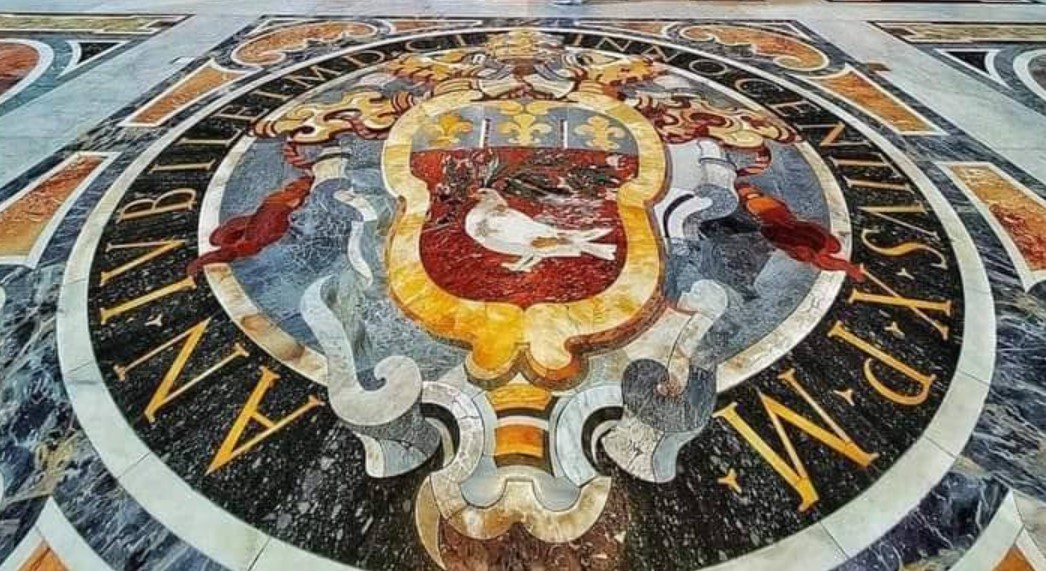
A meno che papa Francesco non abbia disposto diversamente, verrà realizzato uno di questi dischi anche per lui nel prossimo futuro.
Per il momento il sempre vostro Michelangelo Buonarroti vi saluta dandovi appuntamento ai prossimi post e sui social.
The floor of St. Peter’s Basilica in the Vatican
The floor of St. Peter’s Basilica in the Vatican is a grandiose work of art, unique in its kind in the world.
Behind its creation are high-sounding names in the world of art. Its design was begun by Giacomo della Porta and then continued with Carlo Maderno.
However, it was completed by the great Gian Lorenzo Bernini. Walking on that surface means not only entering the sacred place at the heart of Christianity but also immersing oneself in the history of art.
The marble floor is a succession of geometric games that do not only have a decorative purpose but also determine the position of the prelates, including the Pope, during solemn liturgical functions.
The floor is covered with precious marbles from many parts of the world.
For example, there is the recognizable white Carrara marble, the precious green and red porphyry, the portasanta, the broccatello but also the red of France, the jasper of Sicily, the breccia pontificia and the Cottanello.
To create a flooring of this kind, it was necessary to find a large number of marbles. In fact, at first, the marbles of the old Constantinian basilica were recovered, then they began to plunder the abandoned buildings that were located near the new basilica under construction.
Some precious marbles were stolen from Roman temples and villas that were now in ruins. Other marbles were brought directly from active extraction sites, as happened with the Sicilian jasper.
Imagine that every day the floor of St. Peter’s Basilica is trampled by about twenty thousand people plus all the workers in normal conditions. Then, when there are special ceremonies or extraordinary events, the visitors can increase tenfold.
Imagine the amount of people who walk on it in just one year: seven million people who accelerate the wear process.
Over the years, numerous maintenance interventions have been carried out, replacing marbles that were too worn, while always maintaining the original appearance desired by the three great masters.
The papal arms set in the floor
In the floor of St. Peter’s Basilica in the Vatican there are also discs characterized by particularly decorative inlays of marble and semiprecious stones.
They are the different papal arms of various pontiffs who have succeeded one another over the centuries but they all have one characteristic in common: those popes opened jubilee years.
Unless Pope Francis has decided otherwise, one of these discs will also be made for him in the near future.
For the moment, your ever Michelangelo Buonarroti bids you farewell, making an appointment with you in the next posts and on social media.
Condividi:


Questo sono io





sostienici

Sostienici – Support Us
Se questo blog ti piace e ti appassiona, puoi aiutarci a farlo crescere sempre più sostenendoci in modo concreto condividendo i post, seguendo le pagine social e con un contributo che ci aiuta ad andare avanti con il nostro lavoro di divulgazione. . ENGLISH: If you like and are passionate about this blog, you can help us make it grow more and more by supporting us in a concrete way by sharing posts, following social pages and with a contribution that helps us to move forward with our dissemination work.
€10,00


