
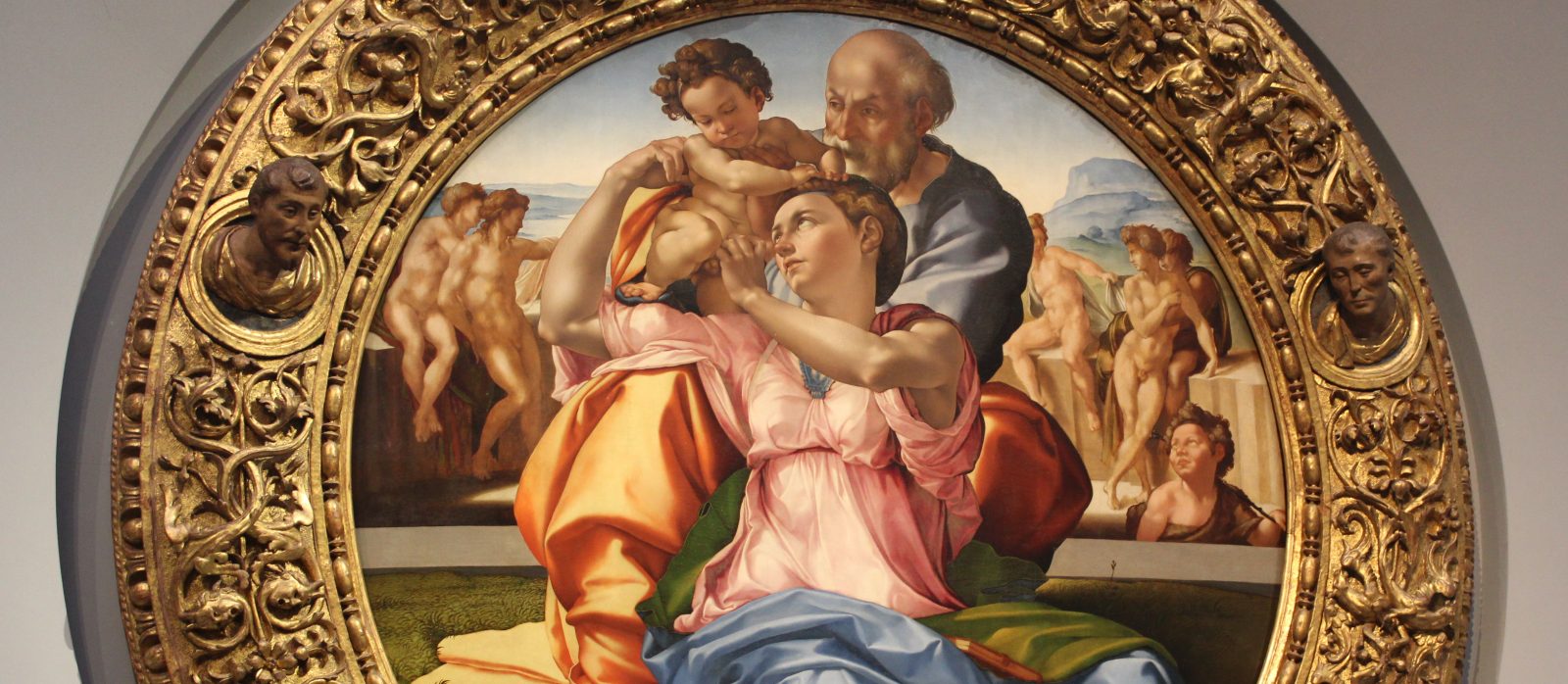
La costruzione del corpo nel Rinascimento: Io, Leonardo, Dürer e Tiziano in mostra a Venezia
Le Gallerie dell’Accademia di Venezia sono al lavoro per preparare la grande mostra dal titolo ‘Corpi moderni. La costruzione del corpo nella Venezia del Rinascimento. Leonardo, Michelangelo, Dürer, Tiziano‘, che aprirà al pubblico dal 4 aprile al 27 luglio 2025.
Curata da Giulio Manieri Elia, Guido Beltramini e Francesca Borgo, il percorso espositivo indaga sulla concezione del corpo umano che si afferma nella Venezia del Rinascimento tra arte, scienza e cultura materiale.
‘Corpi moderni’ mette al centro della scena il momento storico in cui, per la prima volta, il corpo è stato concepito come campo d’indagine scientifica, oggetto di desiderio e mezzo di espressione di sé.
Il Rinascimento segna, infatti, il punto di svolta in cui il corpo non è più solo una realtà biologica, ma una costruzione culturale, un elemento plasmato dalla scienza, dall’arte e dalle convenzioni sociali.
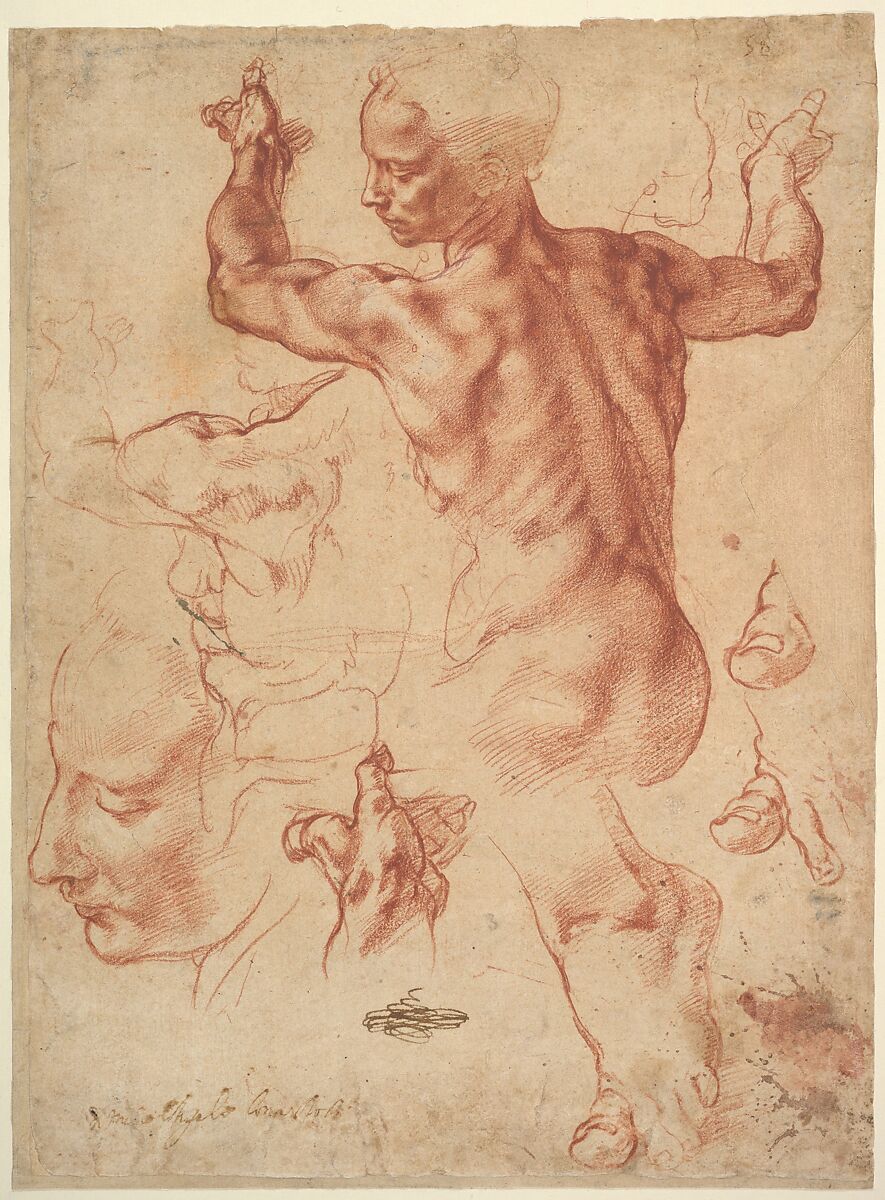
L’esposizione raccoglie straordinarie opere d’arte, alcune delle quali arrivate in Italia per la prima volta, tra disegni, dipinti e sculture provenienti dai più prestigiosi musei e collezioni internazionali e nazionali con capolavori assoluti miei come il prezioso foglio con gli studi per la Sibilla Libica, Leonardo da Vinci, opere di Albrecht Dürer, Tiziano, Giorgione e Giovanni Bellini, accanto a strumenti scientifici, modelli anatomici, libri, abiti, miniature e oggetti di uso quotidiano.
Le tre sezioni del percorso espositivo
Il percorso è suddiviso in tre grandi sezioni.
Il corpo svelato: conoscere
Il primo, intitolato “Il corpo svelato: conoscere”, approfondisce la scoperta del corpo umano come oggetto di studio scientifico e medico, che trova a Padova e Venezia due centri di rilevanza europea.
Dopo sei anni, torna ad essere esposto il celebre Uomo vitruviano di Leonardo, tra le icone delle Gallerie dell’Accademia e dell’intero patrimonio culturale mondiale, per la prima volta accostato a un rilievo metrologico greco antico, innescando una riflessione sul concetto di “misura” e di “ideale”, che trova origini antichissime.

Il corpo nudo: desiderare
La seconda sezione, “Il corpo nudo: desiderare” sarà incentrata sulla rappresentazione del corpo come oggetto di sguardo e desiderio. Da una parte, il corpo nudo femminile, raffigurato, secondo l’invenzione tipica del Rinascimento e che avrà fortuna fino ai giorni nostri, dalla Venere sdraiata e adagiata sul paesaggio. Dall’altra, il corpo maschile lirico, sofferente e sublime dei santi e degli eroi biblici, ritratti all’antica.
l desiderio del corpo che assicura discendenza e futuro è messo in scena da oggetti di ambito domestico quali cassoni e deschi da parto, e da splendidi ritratti di giovani spose che, nascondendo un seno, invitano a un erotismo regolato, secondo una tradizione iconografica molto diffusa in ambito veneto.
Enigmatico in tal senso il meraviglioso quadro di Tiziano, Gli Amanti, dalla collezione reale inglese di Windsor, dove il gesto dell’uomo che carezza il seno scoperto dell’amante è stato solo recentemente interpretato come un atto che sancisce il legame nuziale. In mostra, anche l’unica copia al mondo dei “Sonetti lussuriosi” di Pietro Aretino (collezione privata), e una splendida cuffia da donna, unico esemplare di cappello femminile cinquecentesco di raffinata qualità, in arrivo dal Metropolitan Museum of Art di New York.

Il corpo costruito: rappresentarsi
La terza e ultima sezione, “Il corpo costruito: rappresentarsi”, illustra il corpo come spazio di rappresentazione culturale.
Vestiti, trattati di chirurgia, accessori di cosmesi e cura del corpo testimoniano la necessità dell’uomo e della donna rinascimentali di aderire a standard e modelli sociali che si riflettessero nella loro raffigurazione, attraverso uno specifico inventario di simboli e orpelli che definivano il maschile e il femminile. Tra i vari oggetti legati alla bellezza spicca un rarissimo scrigno del XVI secolo, una sorta di contemporanea e preziosa make-up box, col suo contenuto di specchi, profumi e oggetti della cura di sé (collezione privata).
Ma la rassegna indaga anche l’idea del superamento del corpo stesso, esponendo le armature e le protesi meccaniche utilizzate per la prima volta durante il Rinascimento per sostituire gli arti persi in guerra, corroborando la concezione del corpo quale campo della sperimentazione, della metamorfosi, della trasformazione. Il gesto, la mimica, l’esercizio fisico erano, del resto, finalizzati a forgiarlo, al di là del suo dato naturale.
Corpi moderni costituisce un viaggio nel corpo della prima età moderna, esplorando un modo di pensare che si ritiene solo erroneamente esclusivo del nostro tempo, avvicinando i visitatori a questioni che dominano le scienze, le arti e i miti di oggi come di allora: la natura e il futuro dell’umanità, la sessualità e la riproduzione, la bellezza e l’invecchiamento, i confini dell’umano, l’identità.
In occasione dell’esposizione viene pubblicato un ampio catalogo da Marsilio Arte, curato da Giulio Manieri Elia, Guido Beltramini e Francesca Borgo, con saggi di importanti studiosi internazionali e italiani.
La mostra è promossa e organizzata dalle Gallerie dell’Accademia di Venezia e da Marsilio Arte, con il contributo della Regione del Veneto e il sostegno dell’Associazione dei Comitati Privati Internazionali per la Salvaguardia di Venezia.
Per il momento il sempre vostro Michelangelo Buonarroti vi saluta dandovi appuntamento ai prossimi post e sui social.

The Construction of the Body in the Renaissance: I, Leonardo, Dürer and Titian on Show in Venice
The Gallerie dell’Accademia in Venice are working to prepare the major exhibition entitled ‘Modern Bodies. The Construction of the Body in Renaissance Venice. Leonardo, Michelangelo, Dürer, Titian‘, which will open to the public from 4 April to 27 July 2025.
Curated by Giulio Manieri Elia, Guido Beltramini and Francesca Borgo, the exhibition itinerary investigates the conception of the human body that asserts itself in Renaissance Venice between art, science and material culture.
‘Modern Bodies’ puts at the centre of the scene the historical moment in which, for the first time, the body was conceived as a field of scientific investigation, an object of desire and a means of self-expression.
The Renaissance marks, in fact, the turning point in which the body is no longer just a biological reality, but a cultural construction, an element shaped by science, art and social conventions.
The exhibition brings together extraordinary works of art, some of which have arrived in Italy for the first time, including drawings, paintings and sculptures from the most prestigious international and national museums and collections with absolute masterpieces of mine such as the precious sheet with the studies for the Libyan Sibyl, Leonardo da Vinci, works by Albrecht Dürer, Titian, Giorgione and Giovanni Bellini, alongside scientific instruments, anatomical models, books, clothes, miniatures and everyday objects.
The three sections of the exhibition route
The route is divided into three large sections.
The body revealed: knowing
The first, entitled “The body revealed: knowing”, delves into the discovery of the human body as an object of scientific and medical study, which finds two centers of European importance in Padua and Venice.
After six years, Leonardo’s famous Vitruvian Man is back on display, among the icons of the Gallerie dell’Accademia and the entire world cultural heritage, for the first time paired with an ancient Greek metrological relief, triggering a reflection on the concept of “measure” and “ideal”, which has very ancient origins.
The naked body: desire
The second section, “The naked body: desire” will focus on the representation of the body as an object of gaze and desire. On the one hand, the naked female body, depicted, according to the typical invention of the Renaissance and which will be popular up to the present day, by the Venus reclining and resting on the landscape. On the other, the lyrical, suffering and sublime male body of the saints and biblical heroes, portrayed in the ancient style.
The desire for the body that ensures lineage and a future is staged by domestic objects such as chests and birthing tables, and by splendid portraits of young brides who, by hiding a breast, invite a regulated eroticism, according to a very widespread iconographic tradition in the Veneto area.
Enigmatic in this sense is the wonderful painting by Titian, The Lovers, from the English royal collection of Windsor, where the gesture of the man who caresses the lover’s exposed breast has only recently been interpreted as an act that sanctions the nuptial bond. Also on display is the only copy in the world of the “Lustful Sonnets” by Pietro Aretino (private collection), and a splendid women’s bonnet, the only example of a sixteenth-century women’s hat of refined quality, coming from the Metropolitan Museum of Art in New York.
The constructed body: representing oneself
The third and final section, “The constructed body: representing oneself”, illustrates the body as a space of cultural representation.
Clothes, surgical treatises, cosmetic and body care accessories testify to the need of Renaissance men and women to adhere to social standards and models that were reflected in their depiction, through a specific inventory of symbols and ornaments that defined the masculine and the feminine. Among the various objects related to beauty, a very rare 16th-century casket stands out, a sort of contemporary and precious make-up box, with its contents of mirrors, perfumes and objects of personal care (private collection).
But the exhibition also investigates the idea of overcoming the body itself, exhibiting the armor and mechanical prostheses used for the first time during the Renaissance to replace limbs lost in war, corroborating the concept of the body as a field of experimentation, metamorphosis, transformation. Gesture, mimicry, physical exercise were, after all, aimed at forging it, beyond its natural data.
Modern Bodies is a journey into the body of the early modern age, exploring a way of thinking that is mistakenly thought to be exclusive to our time, bringing visitors closer to questions that dominate the sciences, arts and myths of today as they did then: the nature and future of humanity, sexuality and reproduction, beauty and aging, the boundaries of the human, identity.
On the occasion of the exhibition, an extensive catalogue is being published by Marsilio Arte, curated by Giulio Manieri Elia, Guido Beltramini and Francesca Borgo, with essays by important international and Italian scholars.
The exhibition is promoted and organised by the Gallerie dell’Accademia di Venezia and by Marsilio Arte, with the contribution of the Veneto Region and the support of the Association of International Private Committees for the Safeguarding of Venice.
For the moment, your ever Michelangelo Buonarroti bids you farewell, making an appointment to see you in the next posts and on social media.

Sostienici – Support Us
Se questo blog ti piace e ti appassiona, puoi aiutarci a farlo crescere sempre più sostenendoci in modo concreto condividendo i post, seguendo le pagine social e con un contributo che ci aiuta ad andare avanti con il nostro lavoro di divulgazione. . ENGLISH: If you like and are passionate about this blog, you can help us make it grow more and more by supporting us in a concrete way by sharing posts, following social pages and with a contribution that helps us to move forward with our dissemination work.
10,00 €
Condividi:


Questo sono io





sostienici

Sostienici – Support Us
Se questo blog ti piace e ti appassiona, puoi aiutarci a farlo crescere sempre più sostenendoci in modo concreto condividendo i post, seguendo le pagine social e con un contributo che ci aiuta ad andare avanti con il nostro lavoro di divulgazione. . ENGLISH: If you like and are passionate about this blog, you can help us make it grow more and more by supporting us in a concrete way by sharing posts, following social pages and with a contribution that helps us to move forward with our dissemination work.
€10,00


